



Antique Double Closet
An antique double closet offers generous hanging space and timeless presence, grounding a bedroom with character.
Antique Double Closet
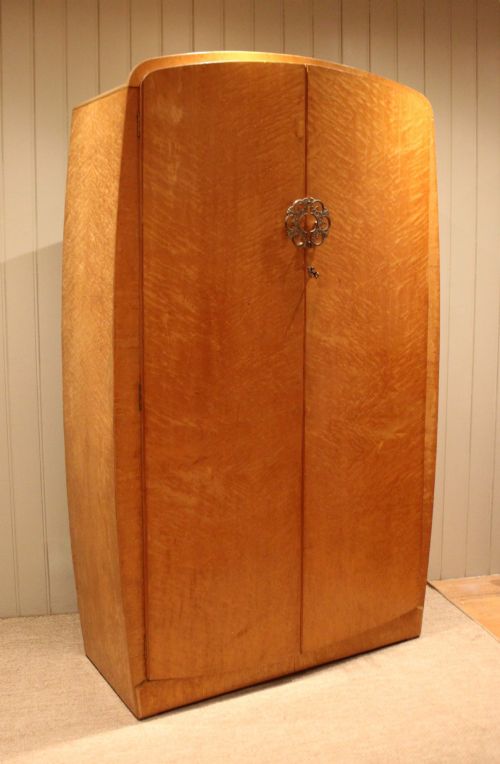
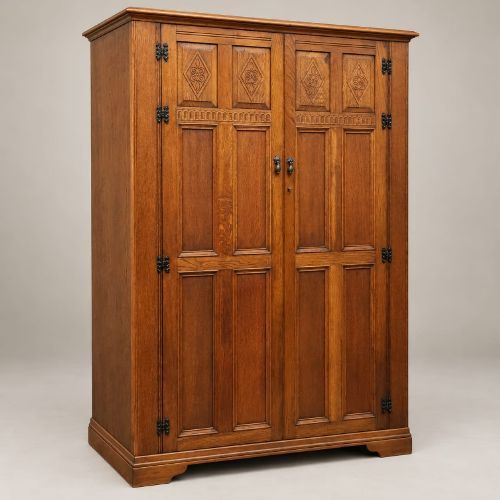
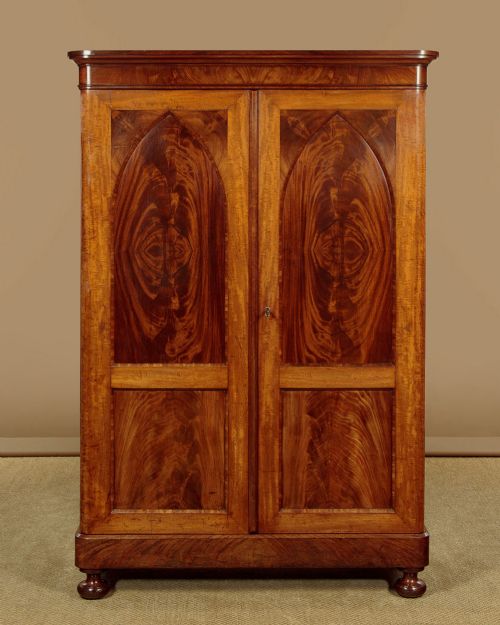
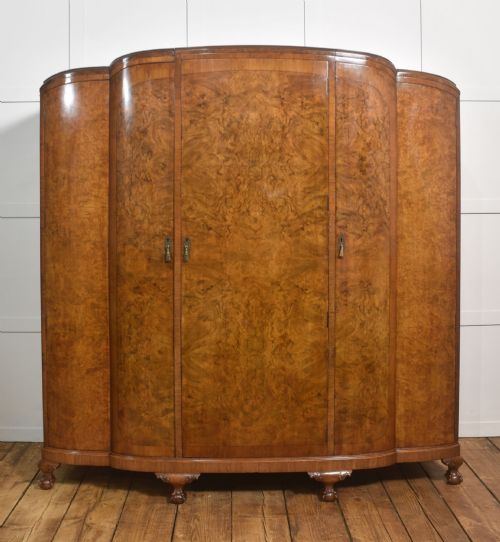
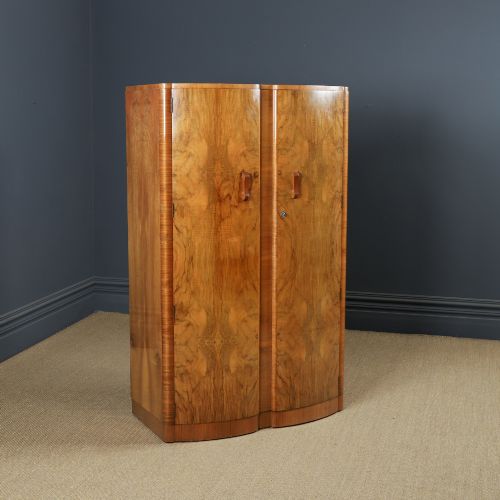
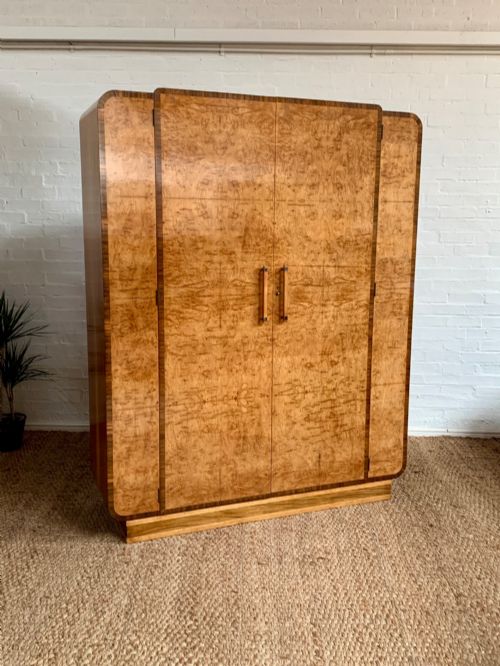
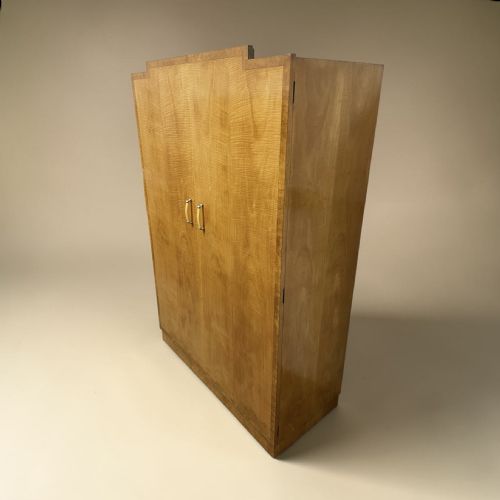
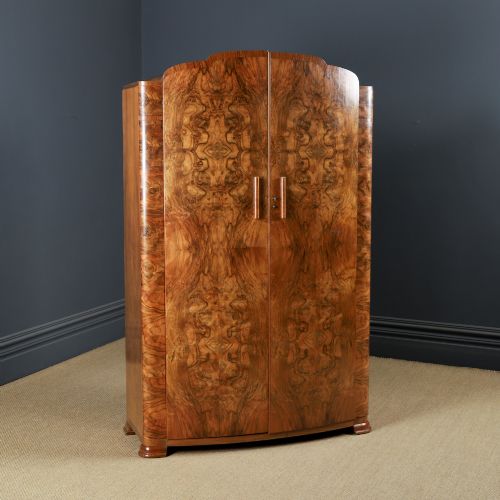
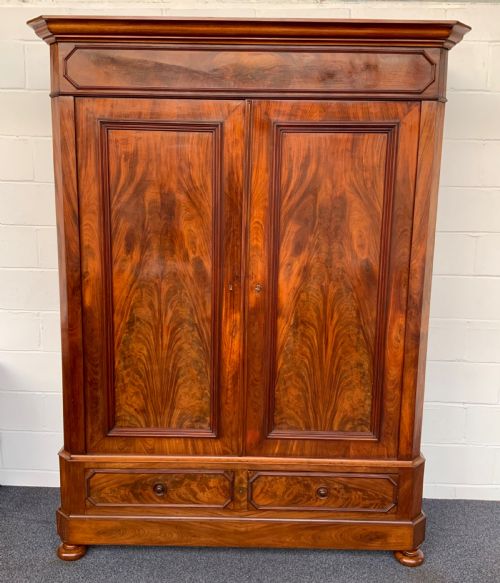
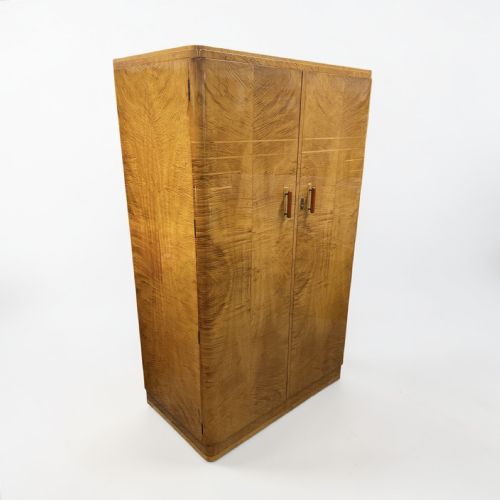
An antique double closet brings substantial storage and architectural presence to a bedroom, functioning as both a practical wardrobe and a commanding focal point. When searching for an antique double closet, you encounter everything from streamlined Art Deco burr walnut designs to robust Victorian mahogany pieces and rustic French armoires.
The selection ranges across several periods, most notably the 1930s with its striking burr walnut veneers, alongside mid-Victorian mahogany and earlier Georgian pine interpretations. These large storage pieces take various forms, including two-door wardrobes, breakfront closets, and panelled armoires.
Makers utilised rich hardwoods like walnut, oak, and mahogany, often enhanced by decorative veneers or painted finishes. Whether you seek the geometric flair of the Art Deco era or the simple charm of a Georgian hall wardrobe, these items provide enduring utility.
How they were made
Joinery involved traditional framing methods to ensure stability across such wide dimensions, while brass and iron hardware provided durable structural support and functional closure. Decorative elements ranged from simple carved oak details to sleek bow front designs characteristic of later twentieth-century pieces.
Antique Double Closet Retail Price Guide 2026
Typical asking prices for double closet among the pieces listed under this phrase on Sellingantiques today, from the lower quarter to the upper quarter. They describe what is for sale here now, not the wider market.
Materials recorded across the inventory include solid oak, pine, mahogany, and decorative burr walnut and flame mahogany veneers.
What varies in quality
The distinction between standard examples and the finest pieces often rests upon the choice of timber and the sophistication of the veneer work, particularly in Art Deco burr walnut and Victorian flame mahogany. Superior craftsmanship shows in the seamless matching of wood grains across wide doors and the precision of fitted interior compartments.
Proportion and decorative restraint also define the upper tier of these wardrobes, where balanced lines and refined hardware elevate the piece from basic utility to high design. Lesser examples rely on plain timbers with minimal detailing, whereas exceptional items feature integrated bespoke fittings and substantial architectural cornices.
Waring & Gillow
The Antique Double Closet Glossary
- Veneer
- A thin layer of fine wood glued to a base panel to provide an ornamental surface. This technique allows cabinet makers to display striking grain patterns like burr walnut.
- Breakfront
- A cabinet design where the central section projects forward from the flanking sections. This configuration adds architectural depth to large wardrobes.
- Armoire
- A traditional large wardrobe or cupboard, often of French origin, used for hanging garments. These pieces typically feature double doors and deep internal storage.
- Bow front
- A convex curved front facade on a piece of furniture. This curved design softens the rigid geometry of a standard rectangular closet.
Antique Double Closet: Frequently Asked Questions
How do I fit an antique double closet in a modern bedroom?
Measure your ceiling height and wall space carefully before purchasing, remembering that many older wardrobes were built as single modular units or dismantled for transport.
Position the closet away from direct heat sources to protect timber veneers and solid wood panels from drying out.
What is the difference between an armoire and a wardrobe?
An armoire generally refers to a tall cupboard of continental European origin, often featuring traditional panelled doors and rustic or ornate carved details.
Wardrobes tend to follow British or later international furniture standards, frequently incorporating fitted interior shelving and hanging rails alongside modernist veneers.
How should I care for walnut veneer on art deco pieces?
Dust the surfaces regularly with a soft, dry cloth and avoid using modern chemical polishes that can degrade the historic finish.
Maintain a stable room temperature and humidity level to prevent the delicate burr walnut veneer from lifting or cracking.