

Antique Doorstop
An antique doorstop holds open heavy interior portals while introducing sculptural presence to a hallway.
Antique Doorstop
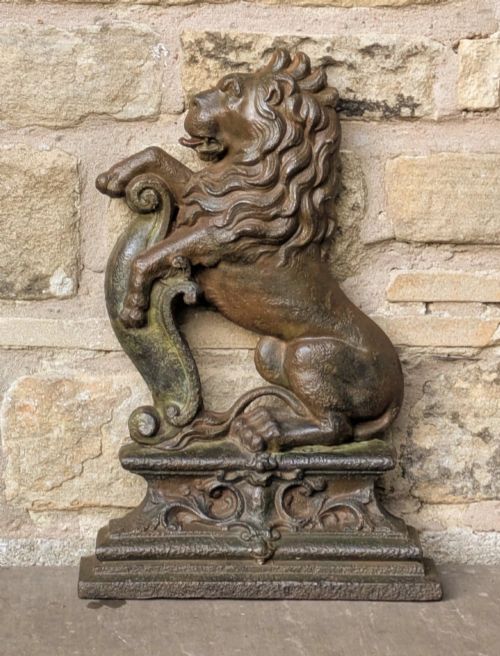
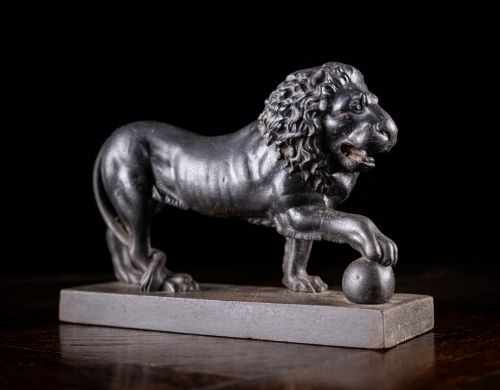
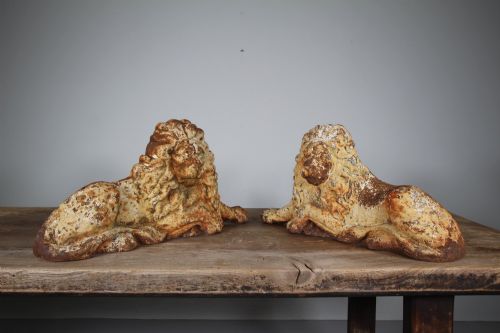
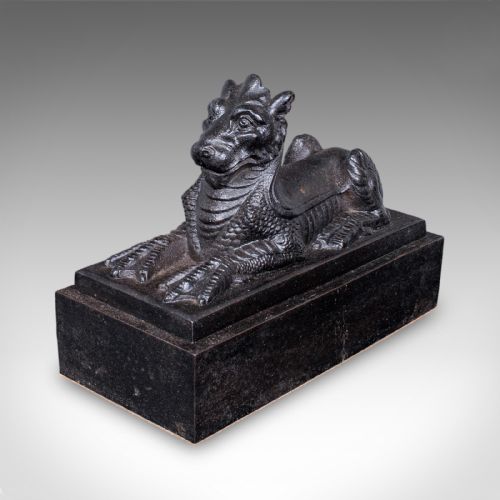
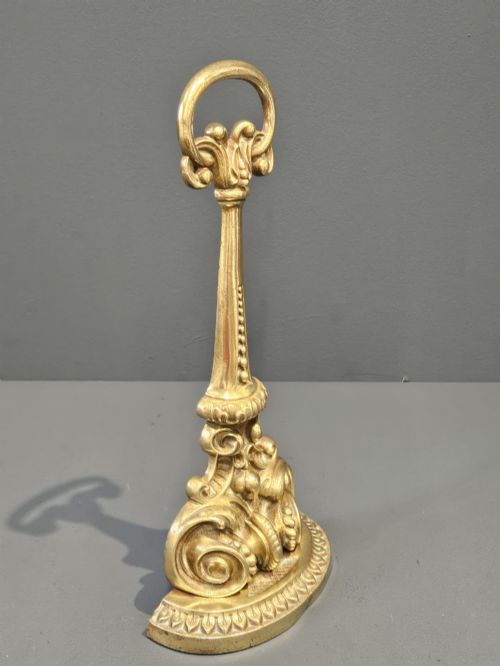
An antique doorstop is a heavy utilitarian object designed to keep doors open against draughts, appearing frequently in Victorian and Edwardian domestic interiors. Buyers searching for an antique doorstop encounter sculptural figures, heraldic beasts, and architectural motifs intended to anchor heavy wooden panels.
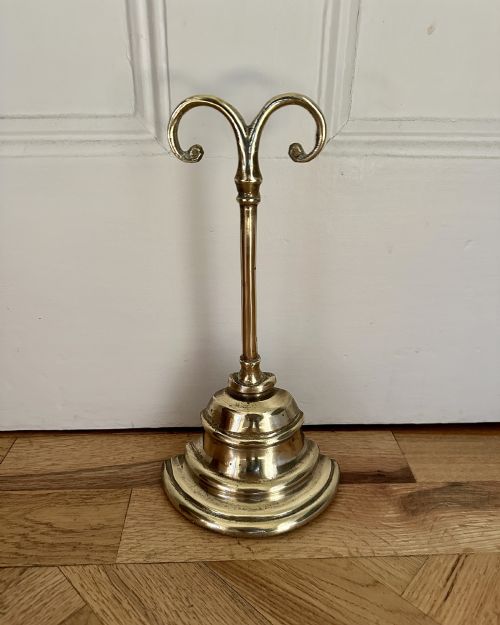
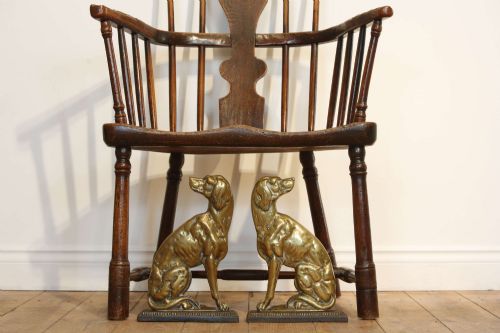
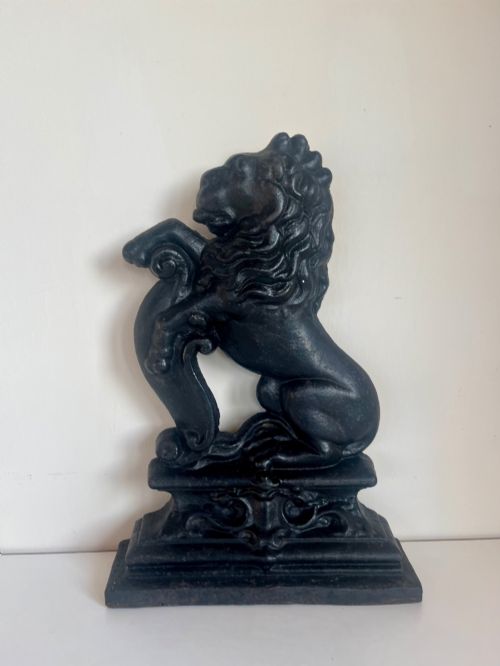
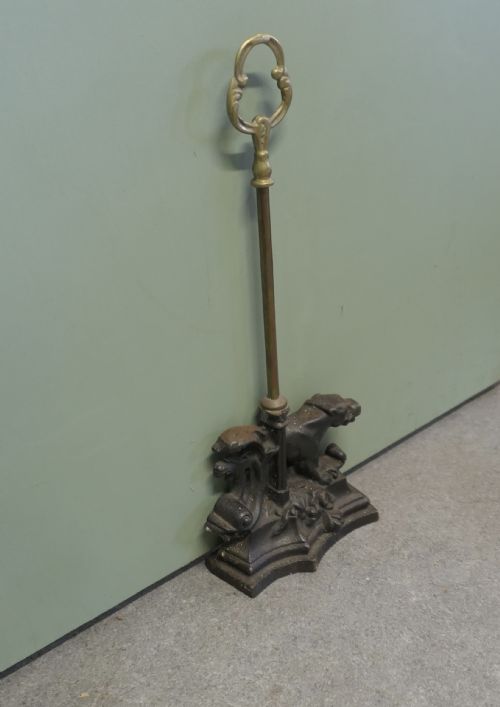
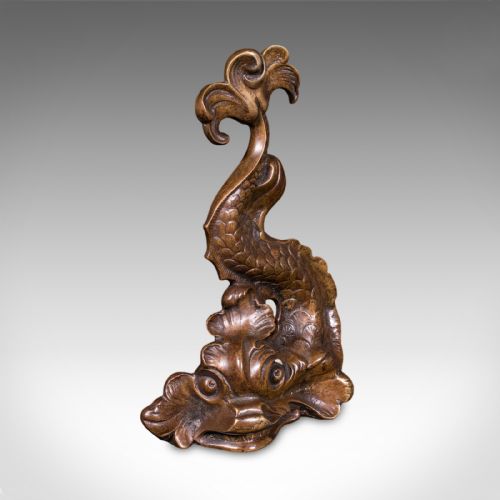
The most common forms on this page include cast iron lions, brass door porters depicting soldiers or Scottish figures, and mythological creatures such as dolphins and griffins. These pieces often originate from English country houses and townhouses, transitioning from utilitarian hardware to decorative focal points.
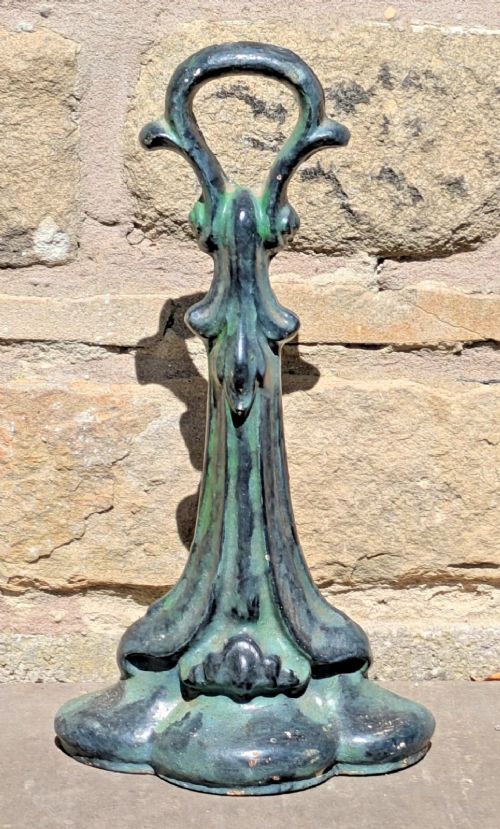
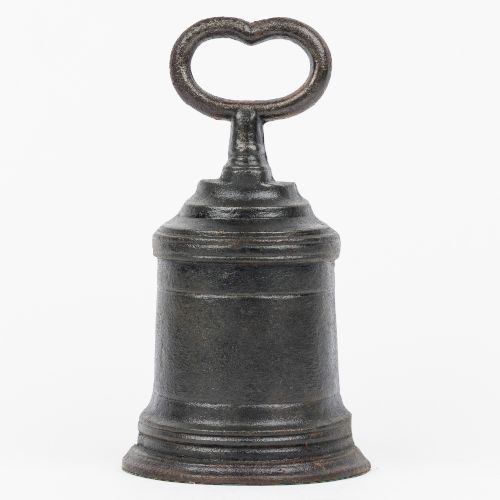
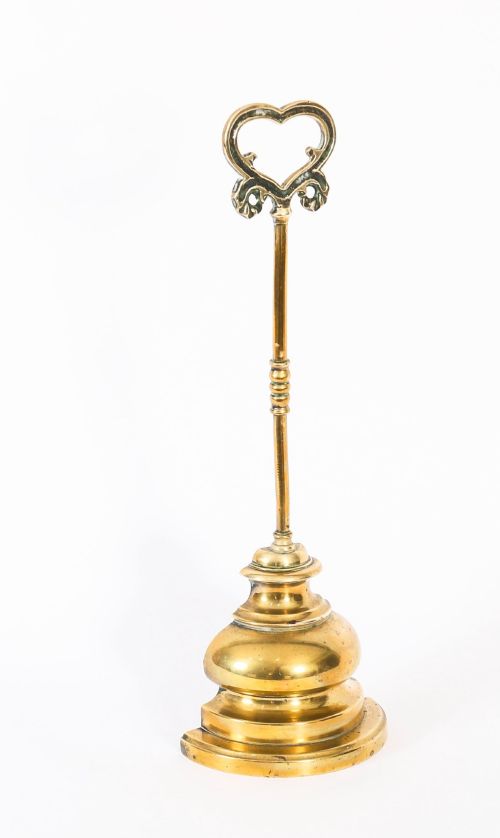
Beyond standard doorstops, the category encompasses door porters with integrated handles, fireplace ornaments repurposed for holding doors, and figural representations ranging from Mr Punch to historical commanders like the Duke of Wellington.
Materials and Techniques
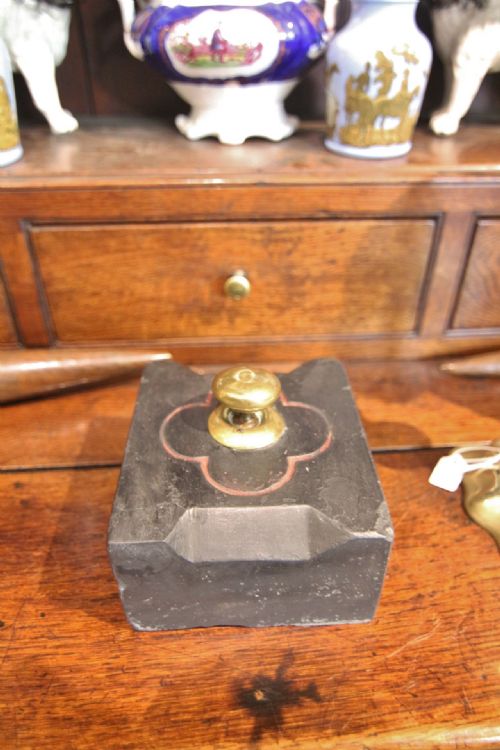
Makers utilised heavy metals to ensure the necessary weight, predominantly employing cast iron and cast brass poured into sand moulds. Many brass pieces incorporate applied handles and weighted lead bases concealed beneath felt or baize to protect flooring.
Surface finish is integral to the construction, with iron examples frequently retaining original painted or japanned surfaces while brass pieces rely on polished or patinated metal finishes. Bronze and ceramic variants appear less frequently, offering alternative textures through lost-wax casting or glazed earthenware.
Antique Doorstop Retail Price Guide 2026
Typical asking prices for doorstop among the pieces listed under this phrase on Sellingantiques today, from the lower quarter to the upper quarter. They describe what is for sale here now, not the wider market.
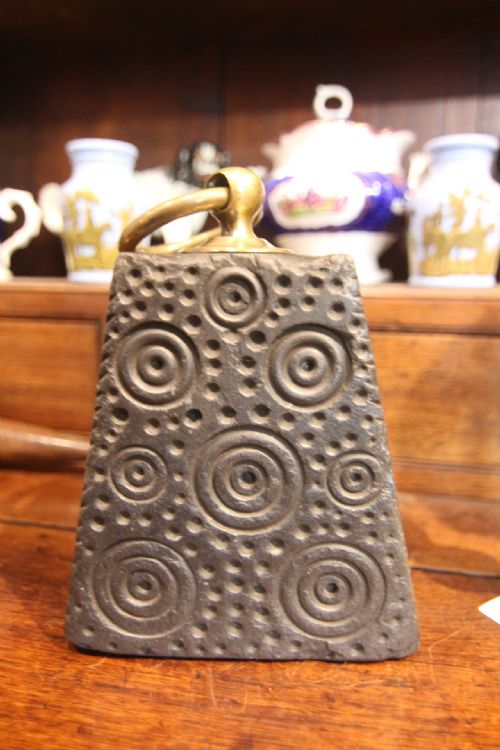
Nineteenth-century households frequently pressed curling stones and mythical dolphins into service to keep the pantry door from swinging shut.
Evaluating the Pieces
Original surface preservation distinguishes finer specimens, particularly where hand-painted polychrome decoration on cast iron remains intact without extensive flaking or modern repainting. Structural integrity also matters, as heavy daily use often leads to stress fractures at the junction between the handle and the weighted base.
Tonks·William Tonks·Kenrick
The Antique Doorstop Glossary
- Door porter
- A tall, weighted doorstop fitted with an upright handle at the top, allowing the piece to be lifted and moved without bending down.
- Japanning
- A type of durable dark varnish finish applied to iron objects to simulate Japanese lacquer and prevent corrosion.
- Spelter
- An alloy of zinc and lead used as a cheaper alternative to bronze for figural castings, requiring careful handling due to its brittle nature.
- Grand Tour
- A cultural journey undertaken by nineteenth-century travellers who often acquired small bronzes and classical replicas that later functioned as doorstops.
- Heraldic
- Pertaining to coats of arms and symbolic beasts, such as rampant lions and unicorns, commonly depicted in heavy metal door furniture.
Antique Doorstop: Frequently Asked Questions
How heavy is a typical doorstop?
These heavy metal objects generally weigh between three and six kilograms, providing sufficient mass to hold open large interior doors against strong draughts.
Smaller examples made from brass or iron may weigh less, relying on a compact centre of gravity rather than sheer mass.
Did these pieces originate in homes or public buildings?
The majority of these heavy metal objects were manufactured for domestic use in large nineteenth-century English townhouses and country estates.
They were placed in high-ceilinged reception rooms and hallways where heavy mahogany or oak doors required substantial hardware to remain fixed in place.
How do I care for a brass doorstop?
Maintain brass surfaces by dusting regularly with a soft cloth and avoiding harsh chemical cleaners that strip the historical patination.
If the base covering wears away, replace the worn baize or felt to prevent scratching polished wooden floors during daily movement.