



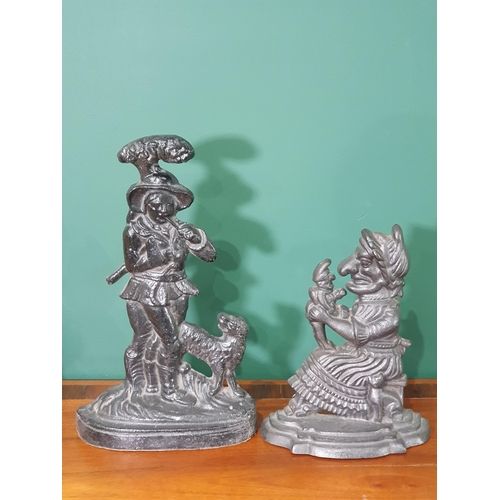

Antique Doorstop Figures
These antique doorstop figures hold heavy doors open while bringing sculptural character and period weight to a hearth or hallway.
Antique Doorstop Figures
Antique doorstop figures serve the practical purpose of keeping heavy interior doors open while standing as decorative sculptures when not in use. Buyers searching for antique doorstop figures will encounter substantial metal or plaster forms designed to anchor domestic draughts.
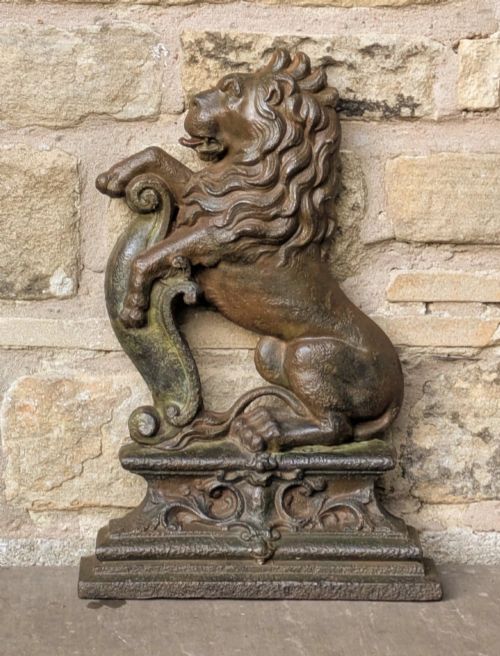
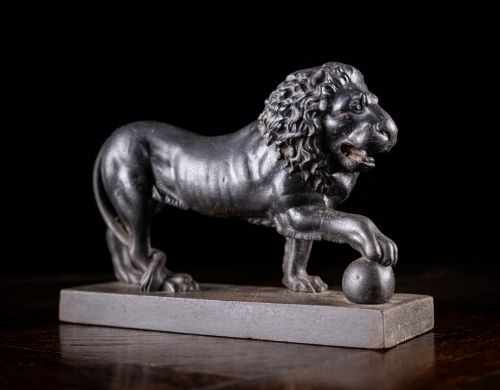
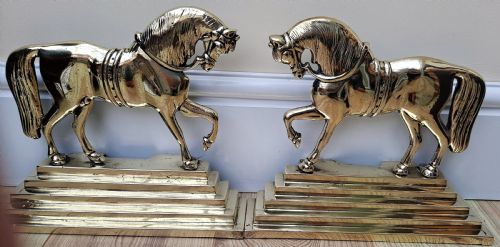
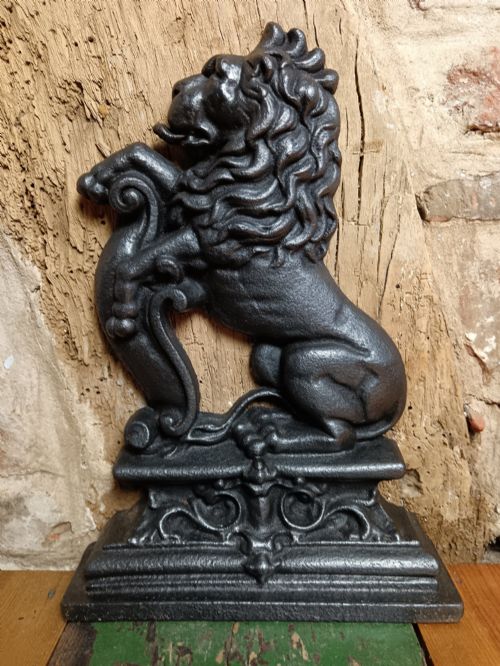
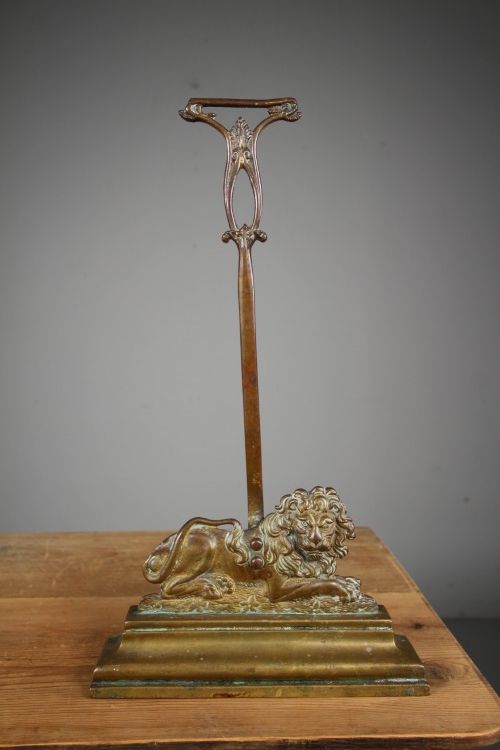
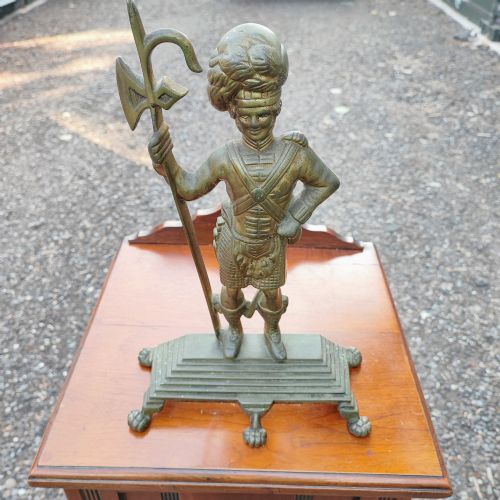
The pieces on this page span from the Georgian and Regency eras through the Victorian period and into the early twentieth century. Animal subjects like lions, horses, and spaniels appear alongside historical and theatrical figures such as Lord Nelson and Mr Punch.
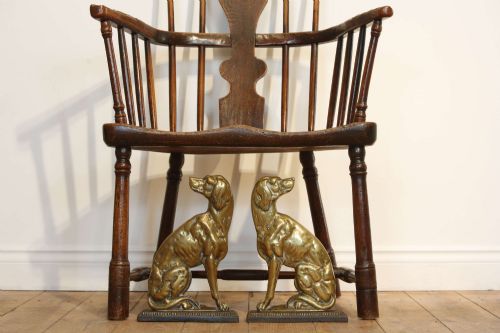
Cast iron and brass dominate the selection, often taking the form of dedicated door stops or door porters. Many examples survive as pairs, designed to balance the proportions of a large double doorway.
How they were made
Brass and bronze pieces relied on skilled finishing and polishing to highlight the warm metallic surface of the material. Plaster examples from the Edwardian period offered an alternative medium, shaped in moulds and finished with decorative surface treatments.
Antique Doorstop Figures Retail Price Guide 2026
Typical asking prices for doorstop figures among the pieces listed under this phrase on Sellingantiques today, from the lower quarter to the upper quarter. They describe what is for sale here now, not the wider market.
Materials represented across these listings include cast iron, brass, bronze, plaster, and paint, spanning the Georgian, Victorian, and Edwardian periods.
What varies in quality
Surface preservation plays a significant role in overall quality, particularly where original paint finishes or rich patination remain intact. Heavier weight and solid construction indicate the better tier of domestic ironmongery.
The Antique Doorstop Figures Glossary
- Door porter
- A heavy weight designed to keep a door open, often synonymous with a doorstop. These portable objects were moved about the house as rooms required ventilation.
- Cast iron
- An iron-carbon alloy poured into moulds to create rigid, heavy objects. It forms the sturdy body of many Victorian utilitarian items.
- Egyptian revival
- A nineteenth-century design style drawing inspiration from ancient Egyptian motifs such as sphinxes and pharaohs. This aesthetic appeared across decorative arts during the Regency period.
- Recumbent
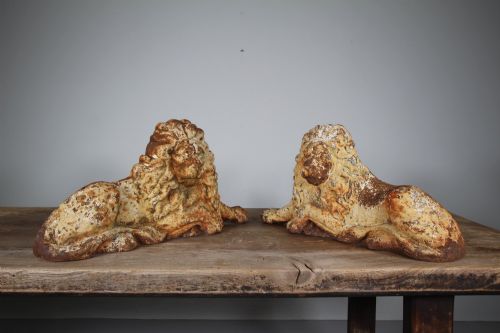
- Lying down or resting in a horizontal position. Animal doorstops frequently depict lions or dogs in this stable posture.
- Halberd
- A two-handed pole weapon combining a spear and axe, often held by military figures in cast metal doorstops. It adds height and linear detail to the silhouette of the piece.
Antique Doorstop Figures: Frequently Asked Questions
What is the difference between a door porter and a doorstop?
The terms are largely interchangeable, though door porter traditionally referred to a taller, weighted handle or wedge used in grander hallways. Both serve the primary function of holding heavy interior doors in place.
In practical terms, buyers will find both designations applied to freestanding metal sculptures designed to withstand daily domestic use.
How do I date a cast iron figure?
Dating relies on stylistic clues, foundry marks, and the nature of the casting itself. Earlier nineteenth-century examples often exhibit heavier metal mass and simpler painted details compared to later Victorian productions.
Subject matter also offers guidance, as figures like Lord Nelson or specific literary characters align with particular decades of production.
Were these figures meant for everyday use?
These items were manufactured as durable household utilities for large nineteenth-century homes with heavy wooden doors and draughty corridors. Their substantial weight ensured they could resist the movement of swinging doors.
Over time, their decorative sculptural qualities led them to be treated as fireside ornaments or mantelpiece displays.
Why do animal doorstops appear in pairs?
Pairs of lions, horses, or dogs were cast to flank grand double doors symmetrically in formal reception rooms. This arrangement created a balanced visual frame for the entrance while providing double the stopping power.
Finding a matching pair remains a notable feature for collectors seeking original domestic configurations.