



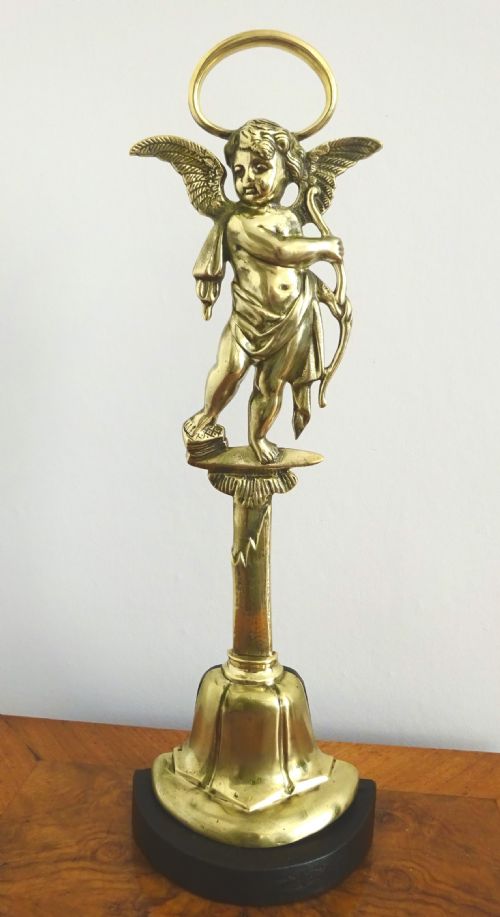


Antique Door Weight Handle
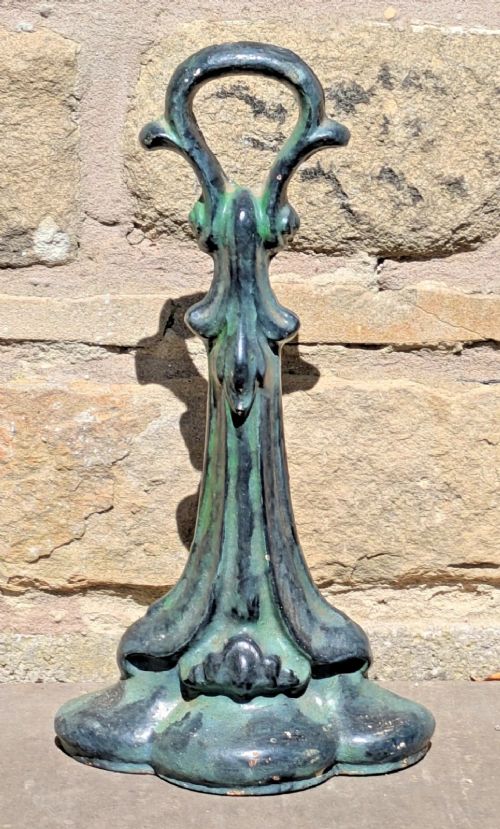
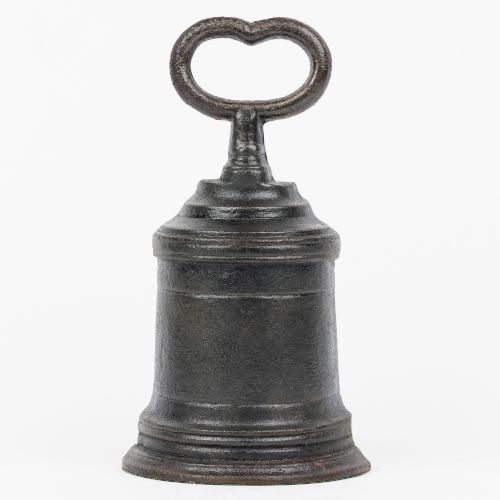
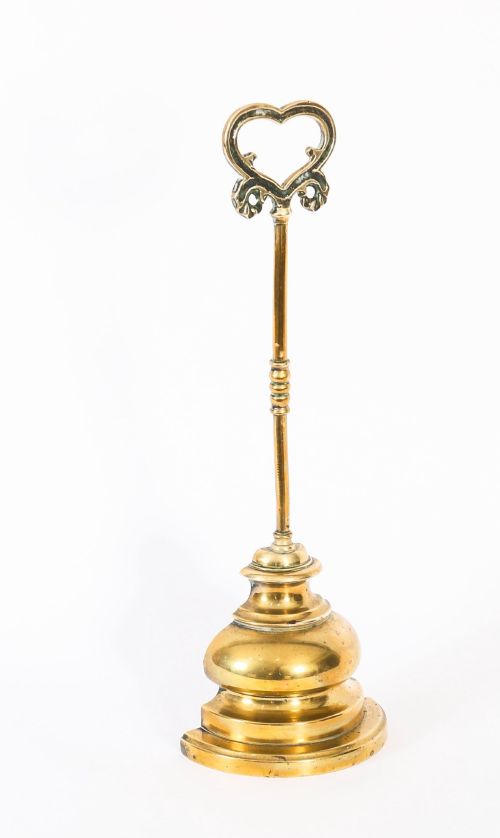
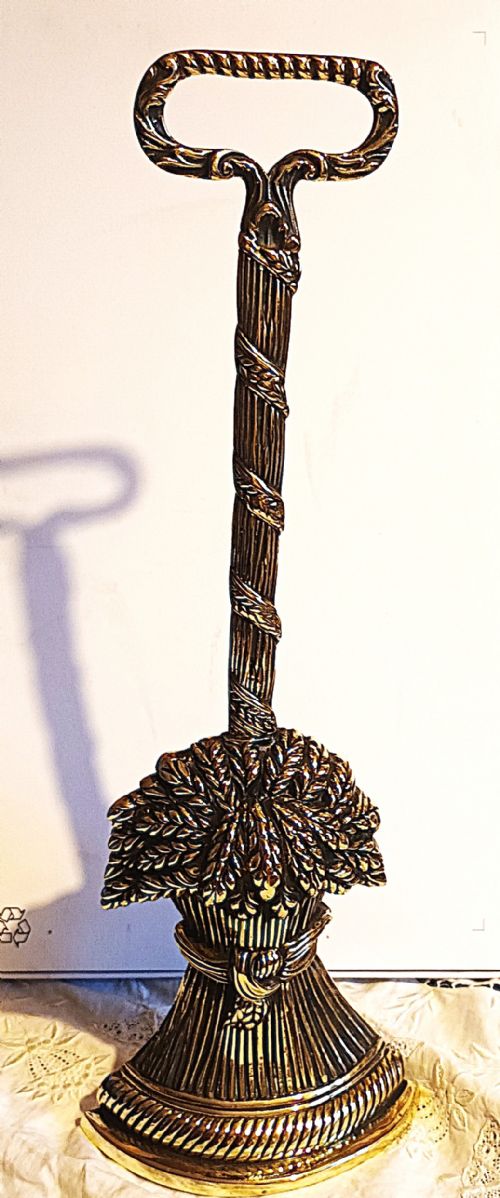
These antique door weight handle pieces, known equally as door porters and doorstops, hold open heavy period doors with undeniable substance.
Antique Door Weight Handle
An antique door weight handle serves to prop open heavy interior doors against draughts using substantial metal mass. When you search for an antique door weight handle, you encounter practical items designed for domestic utility in substantial homes.
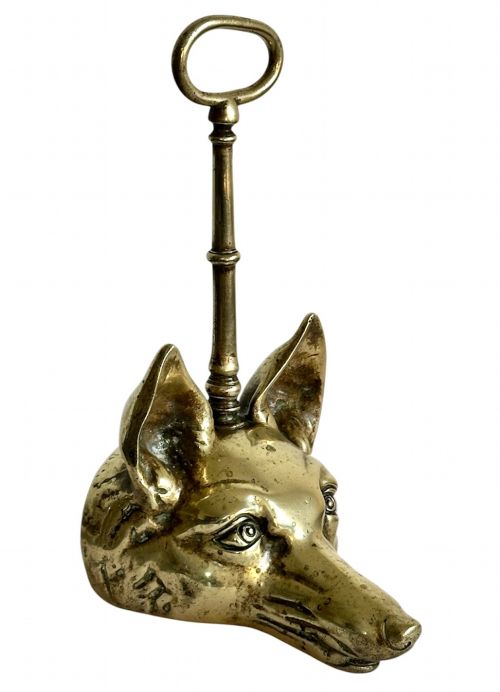
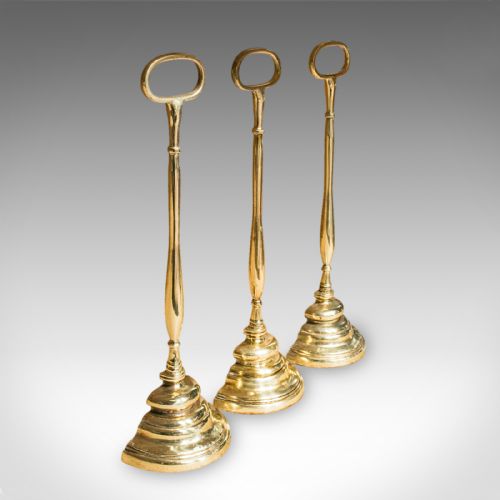
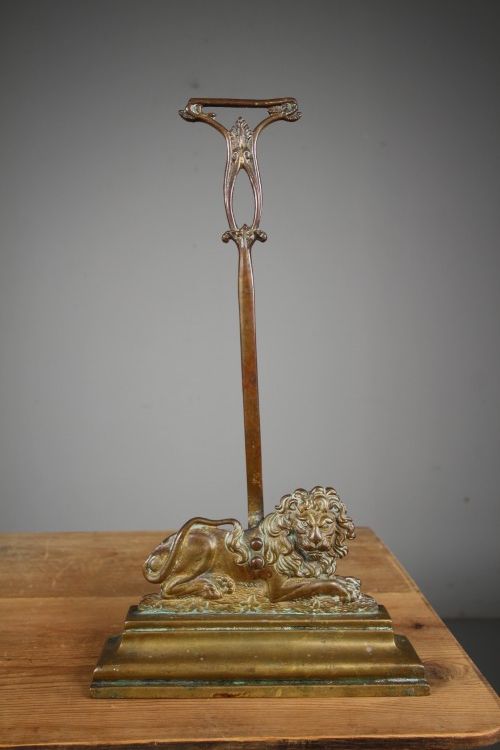
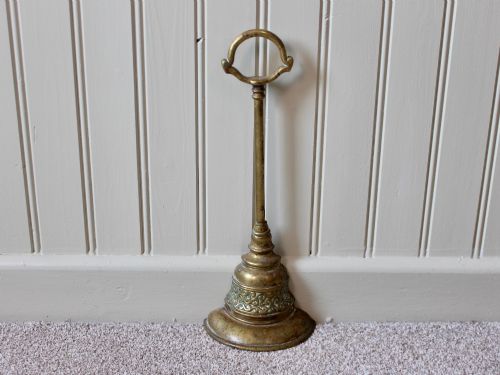
The pieces on this page span the Georgian, Victorian, and Edwardian periods, stretching from around eighteen hundred into the early twentieth century. Common forms include single standing figures, handles with animal heads such as lions or foxes, and tall upright porters.
Makers such as Archibald Kenrick and Sons and William Tonks produced notable examples during the nineteenth century. These items appear in formats including doorstops and door butlers originating from English and Dutch workshops.
How they were made
Foundry workers utilised robust metals such as cast iron, brass, cast brass, bronze, and lead to create these heavy items. Molten metal poured into moulds formed the solid bodies required to resist the movement of thick wooden doors.
Finishes range from plain cast iron to polished brass and detailed bronze, often incorporating sculptural elements cast directly into the body. Makers integrated handles at the top to allow easy lifting and repositioning across floors.
Antique Door Weight Handle Retail Price Guide 2026
Typical asking prices for door weight handle among the pieces listed under this phrase on Sellingantiques today, from the lower quarter to the upper quarter. They describe what is for sale here now, not the wider market.
Listings on this page span the Georgian, Victorian, and Edwardian periods, utilising brass, cast iron, bronze, and lead.
What varies in quality
The crispness of the casting defines the visual appeal of each piece, separating sharp decorative details from worn or soft outlines. Greater weight and thicker metal sections indicate superior substance and durability.
Archibald Kenrick And Sons·William Tonks
The Antique Door Weight Handle Glossary
- Door porter
- A heavy portable weight with an upright handle used specifically for keeping doors open. This term appears frequently alongside doorstop in historical descriptions.
- Cast brass
- An alloy melted and poured into a mould to produce rigid decorative items. This method allowed makers to achieve intricate relief work on handles and figures.
- Art Nouveau
- A design style emerging in the late nineteenth century characterised by flowing organic lines. Pieces in this style utilise natural motifs rather than strict classical geometry.
- Late Regency
- A transitional design period bridging the early nineteenth century and the Victorian era. Objects from this phase retain classical restraint while adopting heavier proportions.
Antique Door Weight Handle: Frequently Asked Questions
How heavy are antique door porters?
These items are exceptionally heavy, often weighing several kilograms to ensure they can hold open thick wooden doors against strong draughts.
Their substantial mass comes from solid brass, cast iron, or lead internal weighting designed purely for utility.
Where were doorstops placed in a room?
They sat directly on the floor immediately beside or in front of the interior door to prevent it from slamming shut.
Users grabbed the integrated handle at the top to move the heavy weight whenever doors needed to be opened or closed fully.
How do I identify a Victorian doorstop?
Victorian examples often feature robust cast brass or iron construction with decorative motifs ranging from animal heads to elaborate figural designs.
They reflect the industrial casting techniques and domestic design preferences typical of the nineteenth century.
Are door porters different from doorstops?
The terms are used interchangeably in historical listings to describe portable weighted objects designed to keep doors stationary.
While some buyers distinguish taller handled porters from wedge-shaped stops, both served the exact same practical purpose in period homes.