

Antique Dog Artwork
Antique dog artwork spans centuries of paintings, prints, and drawings capturing canine companions in oil, canvas, and paper.
Antique Dog Artwork
Antique dog artwork comprises paintings, etchings, drawings, and prints depicting canine subjects across various historical periods.
The selections on this page draw predominantly from nineteenth-century oil paintings and early twentieth-century etchings.
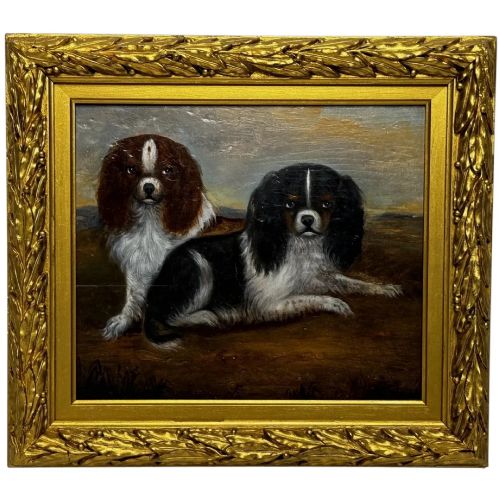
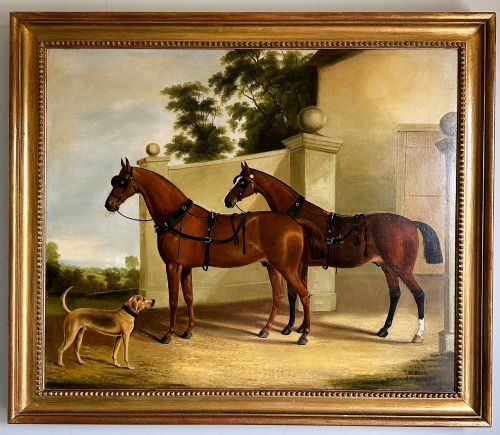
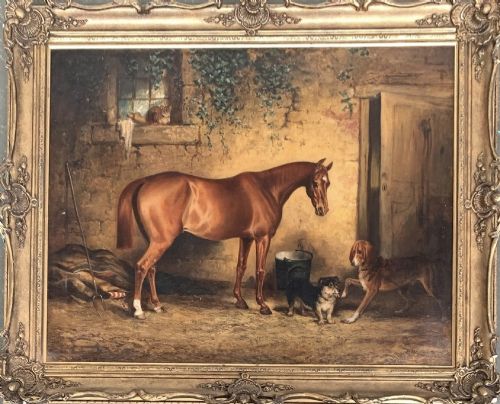
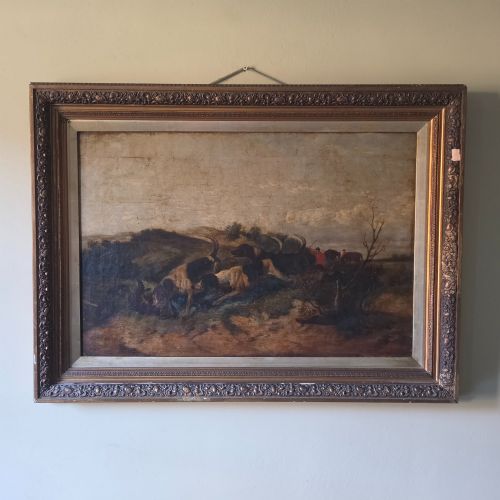
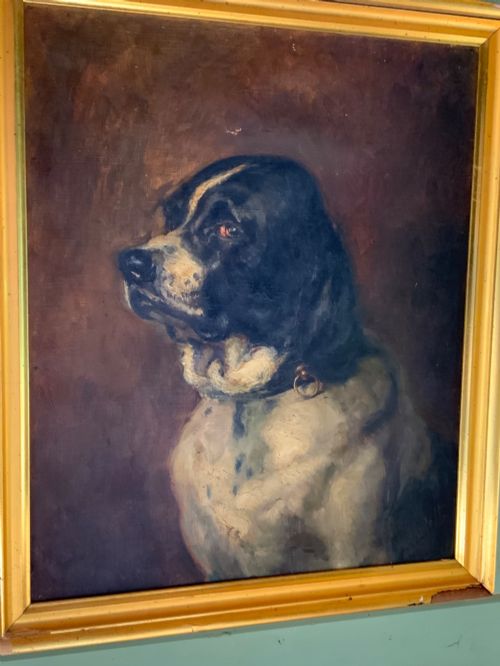
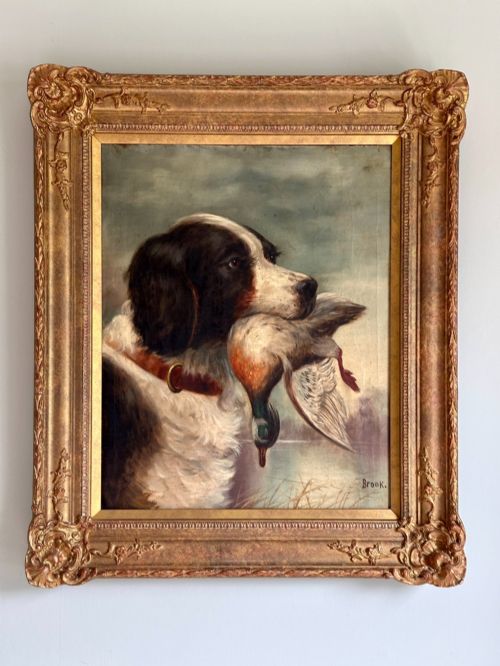
Examples range from formal sporting portraits of hounds and gun dogs to intimate depictions of spaniels, terriers, and pugs.
How they were made
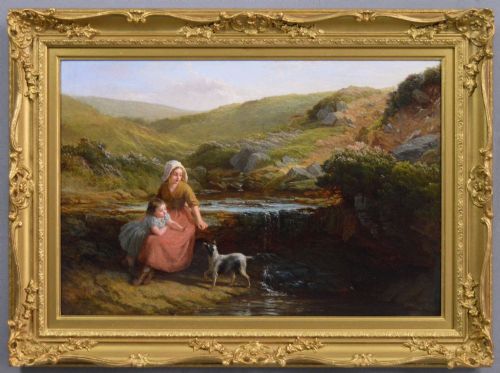
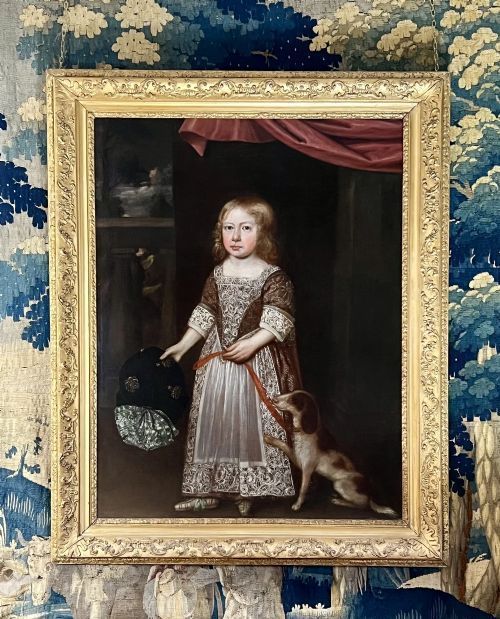
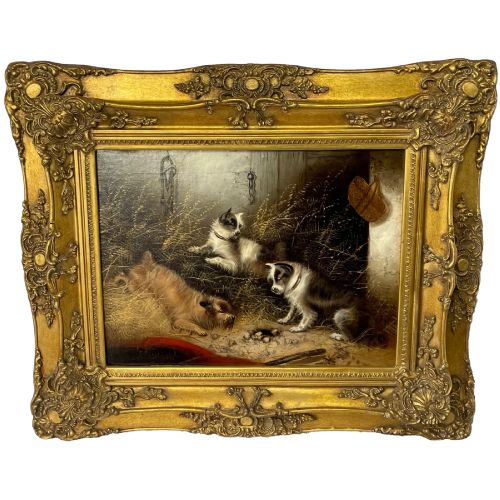
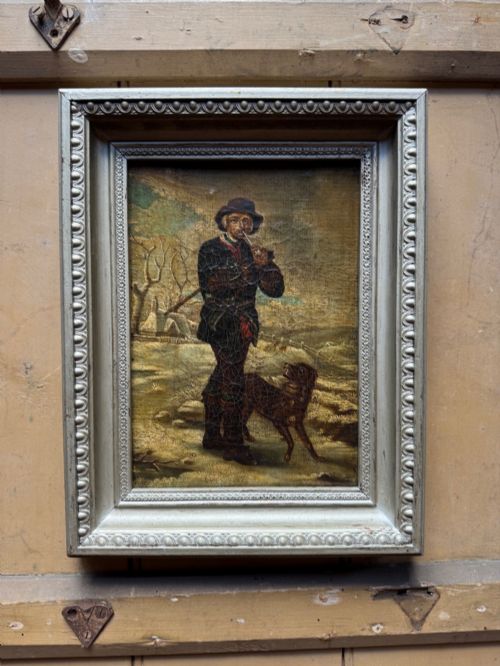
Artists applied oil paint to canvas or wood panels, utilising rich brushwork to capture the texture of dog fur and landscape settings.
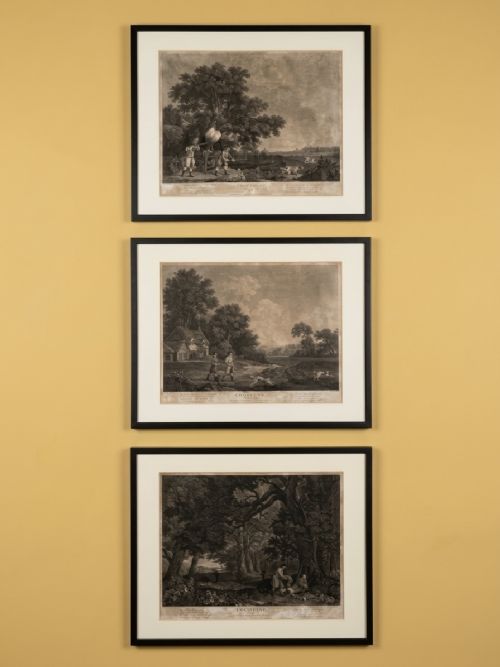
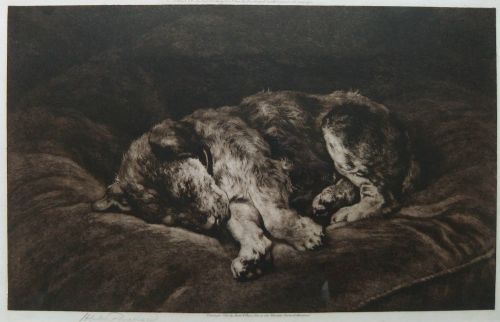
Printmakers employed etching techniques on paper, producing detailed monochromatic plates that rendered expressions and postures with precision.
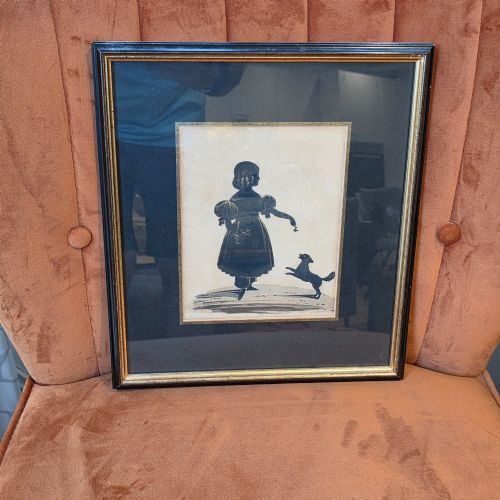
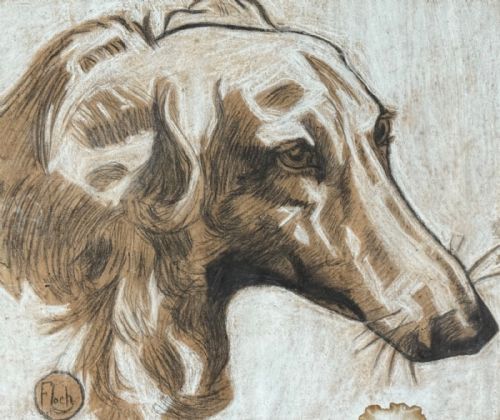
Makers also utilised gouache, pencil, and lithography on buff paper or board, framing finished works in wood or burr maple.
Listings feature works in oil paint, canvas, wood, paper, glass, ink, and giltwood across nineteenth and twentieth-century periods.
What varies in quality
Anatomy and proportion separate standard decorative portrayals from works by skilled animaliers who understood canine skeletal structure.
The subtlety of brushwork or the crispness of an original etching plate determines the visual depth of the animal's coat and expression.
Provenance and the preservation of original framing, such as burr maple surrounds, influence the integrity of the piece.
William James Hubard·Herbert Dicksee·Valentine T Garland·David Bates·John Sargent Noble·Sir Edwin Henry Landseer·Horatio Henry Couldrey·Thomas Hicks·Arthur Wardle·John Emms·William Barraud
The Antique Dog Artwork Glossary
- Etching
- A printmaking process where acid bites lines into a metal plate to hold ink. This technique allowed artists like Herbert Dicksee to produce richly textured animal portraits.
- Chromolithograph
- A multicoloured planar print created using stone blocks. Nineteenth-century publishers utilised this method to reproduce vibrant paintings for domestic interiors.
- Needlework
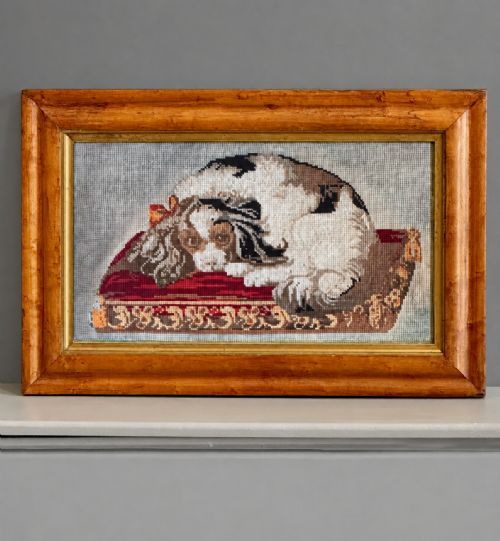
- Stitched textile art using yarn on canvas ground. Berlin work needlework often depicted popular breeds like King Charles spaniels within decorative domestic scenes.
- Sporting art
- Depictions of field sports, horses, and hounds. This genre documented working dogs in rural landscapes and hunting environments.
- Oil on canvas
- Pigment suspended in drying oil applied to a woven textile support. This traditional medium forms the majority of nineteenth-century animal portraiture on this page.
Antique Dog Artwork: Frequently Asked Questions
What periods do these dog artworks date from?
The pieces span several centuries, with a strong concentration of nineteenth-century oil paintings and early twentieth-century British etchings. Items range from Georgian and Victorian sporting scenes to Art Deco drawings.
Specific dates are determined by stylistic evidence, artist signatures, and framing materials typical of eras like the Victorian and Edwardian periods.
How were these canine portraits originally displayed?
Wealthy owners commissioned formal oils of their gun dogs, terriers, or pack hounds to hang in country houses and libraries. Smaller etchings and prints suited domestic drawing rooms.
Many retain their original wood or burr maple frames, reflecting how Victorians and Edwardians decorated their living spaces with animal subjects.
What is the difference between an etching and an oil painting here?
Oil paintings utilise pigment on canvas or board, offering rich colour and texture to render the glossy coat of a spaniel or retriever. They were typically unique, individual commissions.
Etchings are printed multiples created from incised metal plates, allowing artists to distribute detailed tonal studies of dogs resting or at work to a wider audience.
How do I identify different dog breeds in antique art?
Artists often recorded specific working types, such as lurchers, Welsh hounds, collies, and King Charles spaniels, based on contemporary breeding standards. Coat textures and body proportions reflect historical traits.
Titles and signatures left by painters and etchers frequently identify the exact subject or the owner's kennel.