
Antique Display Showcase
An antique display showcase turns precious objects into a focal point, protecting treasures while offering a clear view from every angle.
Antique Display Showcase
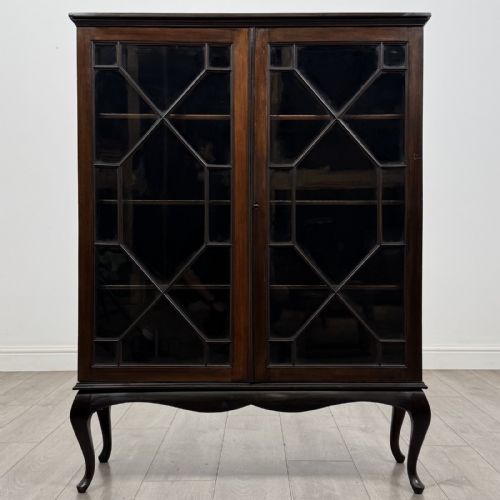
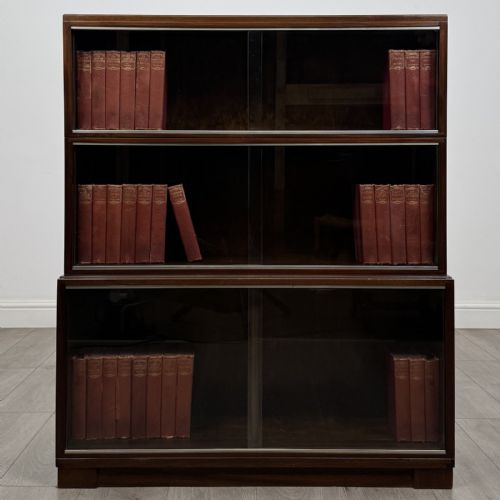
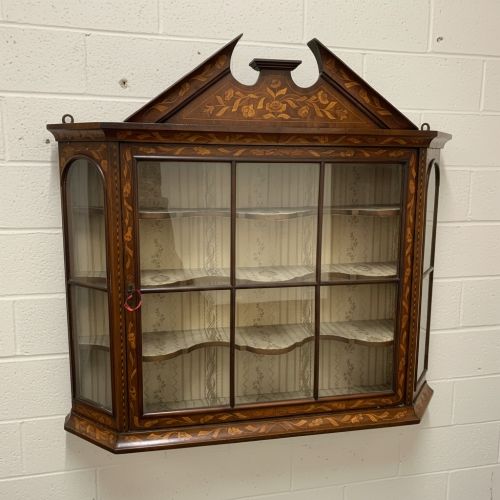
When searching for an antique display showcase, collectors encounter a diverse array of forms designed to hold everything from delicate porcelain to taxidermy specimens. The selections span grand freestanding retail cabinets made by commercial outfitters to intimate tabletop domes and miniature wall-hanging vitrines.
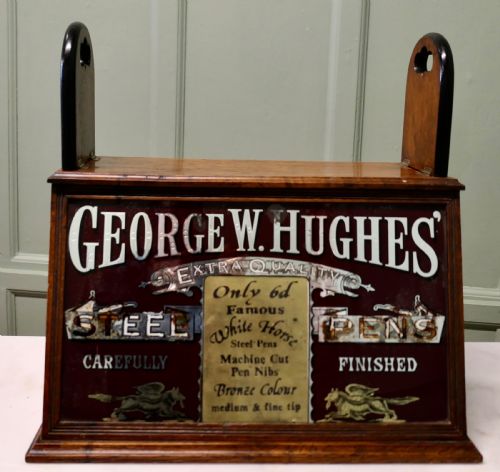
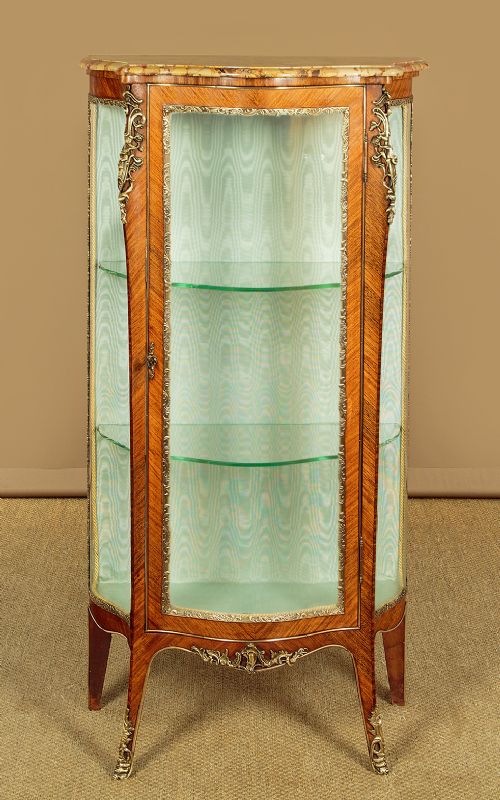
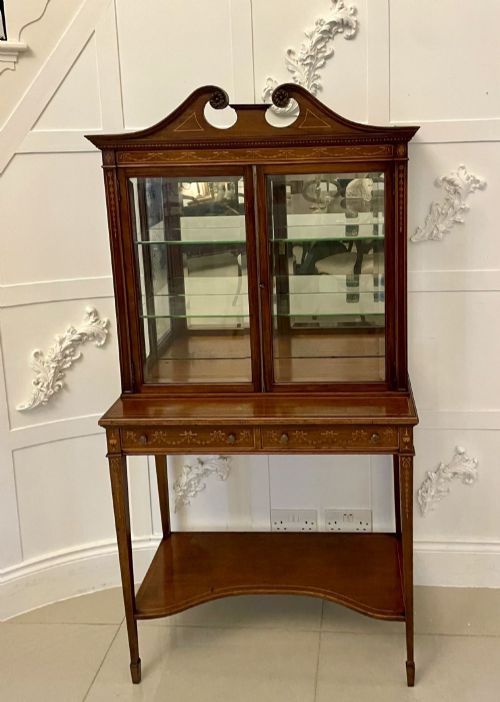
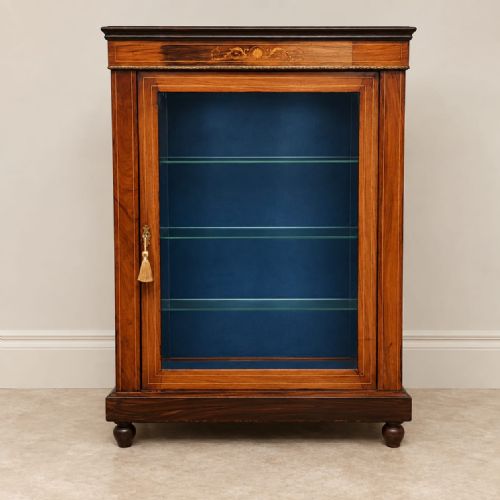
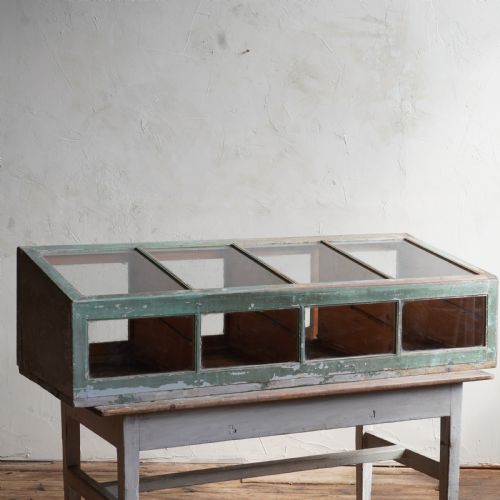
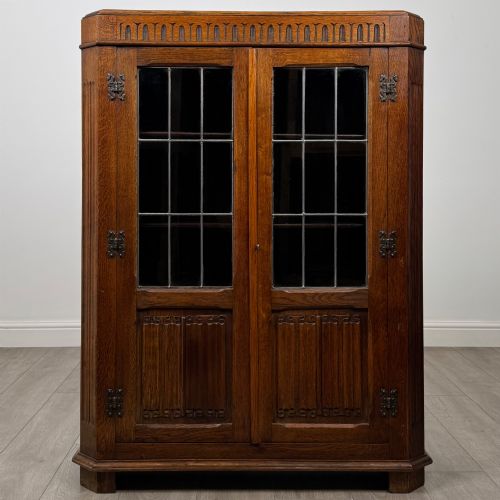
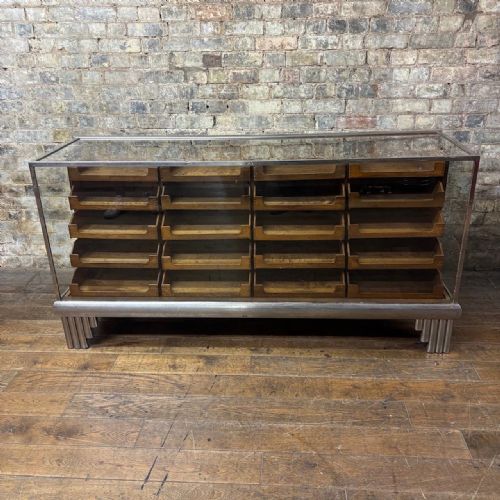
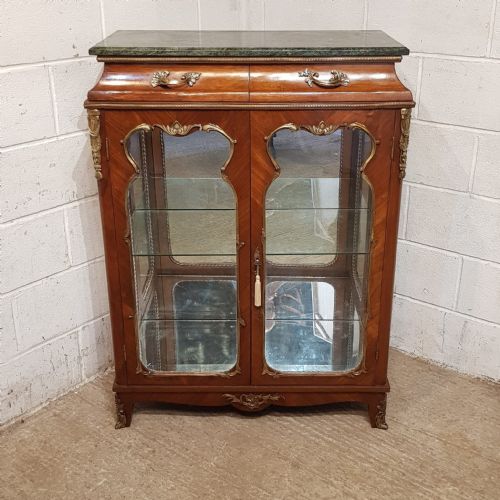
Domestic pieces often take the form of Edwardian satinwood or Victorian mahogany pier cabinets, featuring glazed doors and velvet-lined interiors intended for refined drawing rooms. Commercial variants include sturdy oak shop counters and bronze-framed museum cases built for robust daily handling.
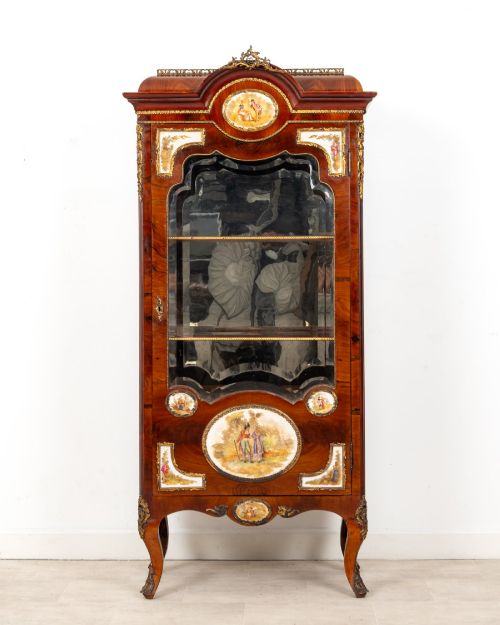
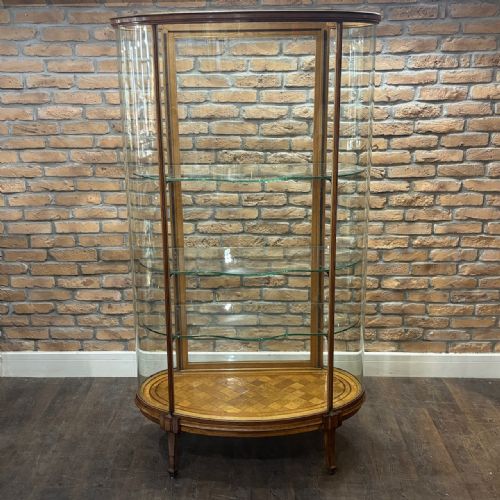
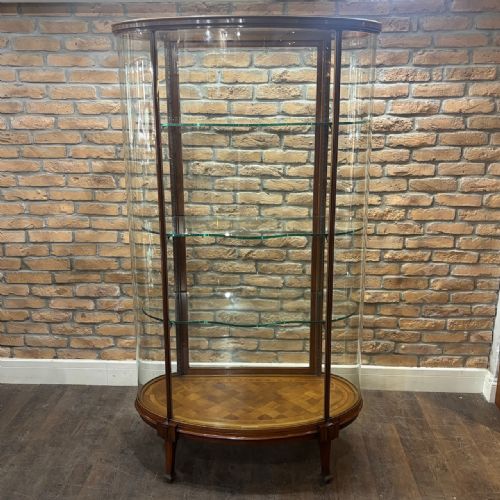
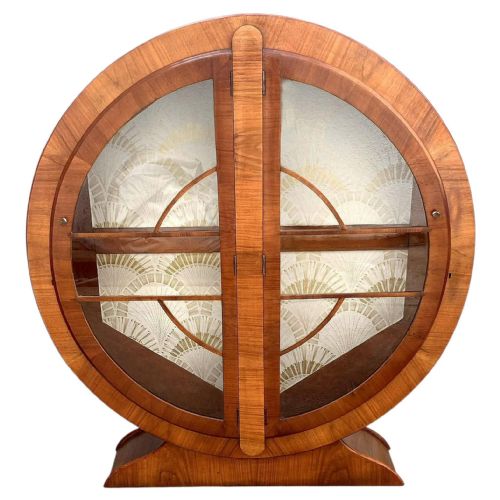
The aesthetic vocabulary stretches from Georgian restraint to ornate French Rococo and Louis XV revivals, incorporating marquetry inlays and gilt metal mounts. Art Deco examples introduce circular or clove shapes utilising walnut and chrome, reflecting the modernist shifts of the 1930s.
How They Were Made
Makers relied on durable timbers such as mahogany, oak, and walnut for structural integrity, frequently employing fine veneers like satinwood, kingwood, and amboyna on visible surfaces. Floral marquetry, hand-painted details, and contrasting stringing provide decorative enrichment across various stylistic periods.
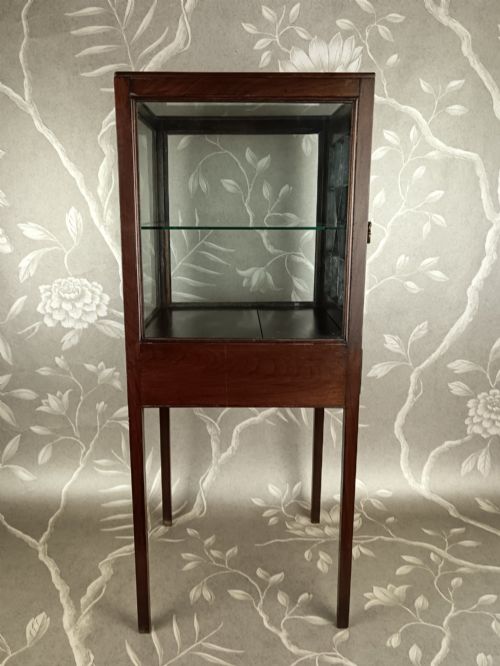
Glass panels are integral to these pieces, held securely within wooden frames or cast bronze and ormolu mounts to maximise light transmission. Interior elements often integrate fabric linings, adjustable glass shelving, and mirrored backs to enhance the presentation of displayed objects.
The inventory spans the eighteenth, nineteenth, and twentieth centuries, incorporating Edwardian shopfittings and Art Deco serving carts.
What Varies In Quality
The distinction between standard utility furniture and superior examples lies in the precision of the cabinetmaking and the selection of materials. Finer items exhibit seamless veneer matching, crisp hand-carved mounts, and sophisticated marquetry rather than simple printed or stamped ornamentation.
Structural refinement dictates enduring value, noticeable in the smooth operation of glazed doors, the integration of original bevelled glass, and the presence of maker signatures from notable workshops or retail outfitters. The cohesion of secondary woods and the preservation of original patination further separate exceptional pieces from ordinary workshop output.
F. Sage And Co·Dudley And Co·James Hicks·Rurka·F. Maund And E. Berg·Edmonds
The Antique Display Showcase Glossary
- Vitrine
- A glass-fronted cabinet specifically designed for displaying fine porcelain, curiosities, or objets d'art. These pieces frequently feature glazed sides to maximise interior illumination.
- Ormolu
- Gilt bronze ornamentation applied to furniture, particularly popular in French-influenced revival styles. This technique adds metallic lustre and sculptural depth to the corners and mounts.
- Marquetry
- The art of applying decorative veneer pieces in wood, shell, or ivory to form intricate pictorial designs. Craftsmen arrange contrasting grains to create floral or geometric patterns across cabinet doors.
- Pier Cabinet
- A narrow piece of furniture built to stand against the solid wall space between windows. Victorian examples commonly house glass doors for the exhibition of small collectibles.
- Display Dome
- A glass bell jar mounted on a wooden base, historically utilised to protect delicate specimens or taxidermy from dust and handling. These items range from small tabletop versions to tall floor-standing iterations.
Antique Display Showcase: Frequently Asked Questions
How do I choose the right size showcase?
Consider both the available floor space in your room and the scale of the objects you intend to exhibit. Tall freestanding cabinets suit spacious hallways or living areas, whereas tabletop domes and miniature wall cabinets accommodate compact collections.
Measure the depth of the interior shelves to ensure your specific items fit comfortably behind the glazed doors without crowding.
Were these cabinets meant for homes or shops?
Antique display showcases were constructed for both domestic and commercial environments, resulting in distinct stylistic traits. Retail and museum variants often utilise robust oak, bronze frames, and large glass panes designed for public exhibition.
Domestic models frequently feature refined mahogany, satinwood veneers, marquetry inlay, and fabric-lined interiors tailored for private drawing rooms and parlours.
How should I care for the wood and glass?
Maintain timber surfaces by dusting gently with a dry, soft cloth and applying appropriate wax polish sparingly to preserve the natural patination. Avoid placing antique wood near direct heat sources to prevent the veneers from lifting or splitting.
Clean the glass panels using a mild, non-ammonia solution applied to a cloth rather than sprayed directly onto the surface, protecting surrounding wooden mouldings and metal mounts from moisture damage.