






Antique Display Lids
Antique display lids cover vessels of porcelain, glass, and earthenware across the nineteenth century, offering decorative focus and protective utility for the serious collector.
Antique Display Lids
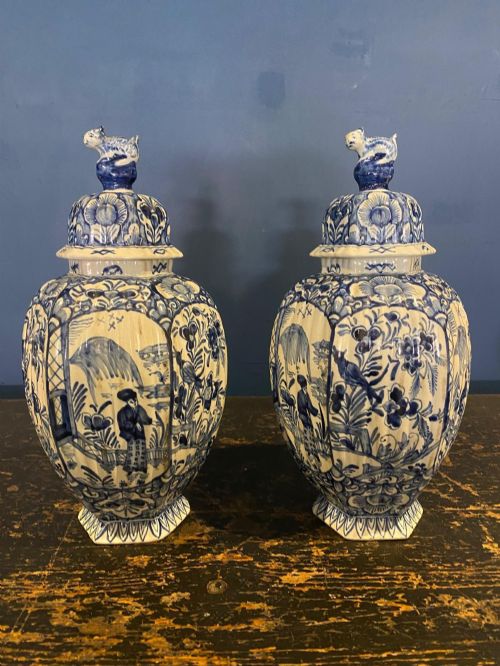
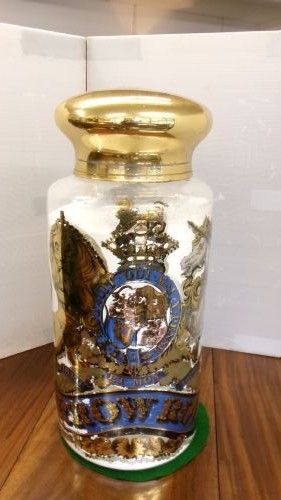
Antique display lids crown vessels such as apothecary jars, vases, and decorative urns originating from nineteenth century European and Asian workshops. Buyers searching for antique display lids encounter covers paired with porcelain and glass containers spanning Victorian, Edwardian, and Japanese Imari styles.
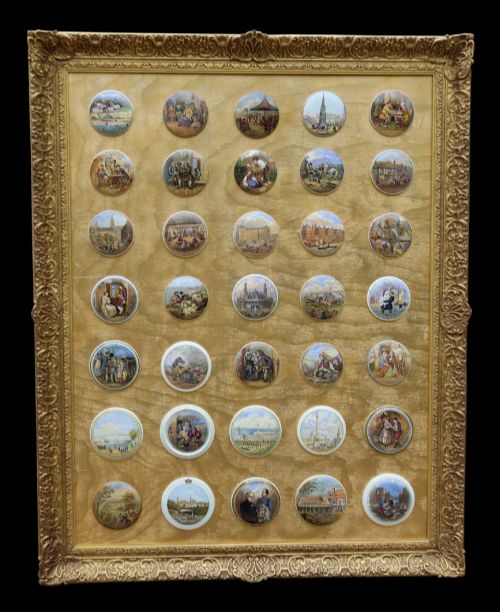
The selections on this page feature ceramic and glass covers from diverse periods including the eighteenth century and the Edwardian era. These lids belong to larger lidded vessels, jars, and decorative bowls intended for prominent placement in domestic interiors.
How they were made
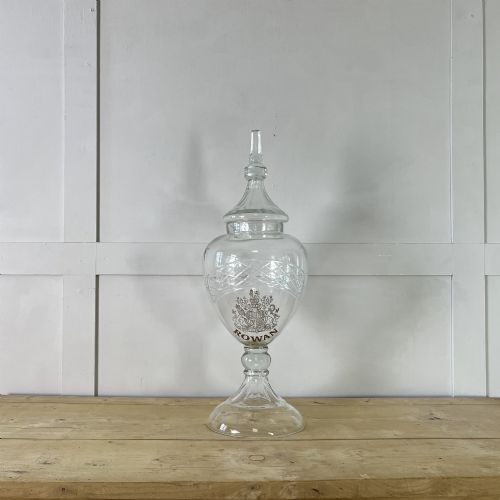
Potters and artisans formed these covers using porcelain, earthenware, and glass, frequently applying enamel, gold leaf, and gilding for surface enrichment. Glass covers often received deep cutting techniques to create faceted patterns on apothecary jars.
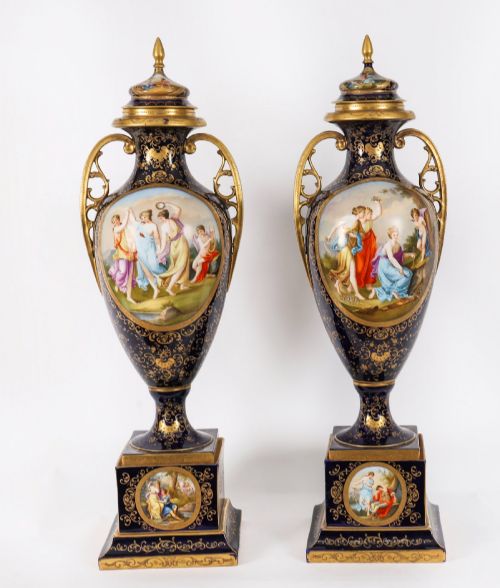
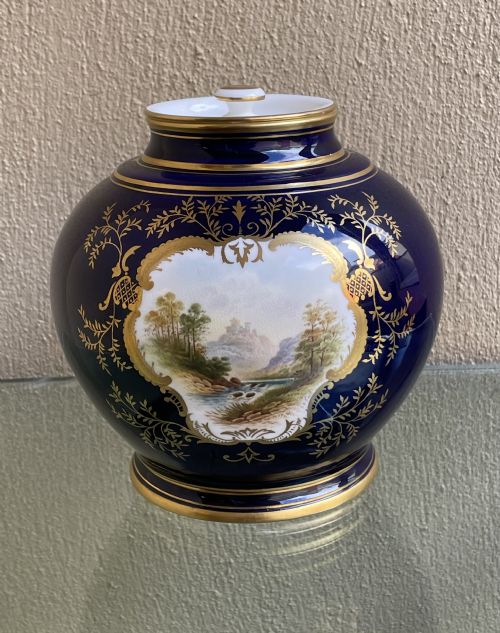
Ceramic lids underwent high-temperature kiln firing alongside hand-painted polychrome decoration, as seen in Japanese Imari and Vienna porcelain pieces. Cloisonne examples utilised metal wires soldered to form cellular compartments filled with vibrant enamels.
Antique Display Lids Retail Price Guide 2026
Typical asking prices for display lids among the pieces listed under this phrase on Sellingantiques today, from the lower quarter to the upper quarter. They describe what is for sale here now, not the wider market.
Listings feature items from the eighteenth, nineteenth, and early twentieth centuries, encompassing porcelain, glass, mahogany, and brass materials.
What varies in quality
Quality rests upon the precision of the fit between the cover and its vessel, alongside the crispness of moulded or cut glass details. Hand-painted ceramic pieces show distinction through brushwork dexterity and the preservation of original gilding and enamel pigments.
The complexity of the manufacturing technique, such as intricate cloisonne wirework or hand-cut crystal facets, separates standard utility wares from exceptional decorative showpieces.
Royal Vienna·Coalport
The Antique Display Lids Glossary
- Imari
- A style of Japanese export porcelain characterised by underglaze blue and overglaze iron red and gold decoration. Pieces often feature dense floral and panelled motifs.
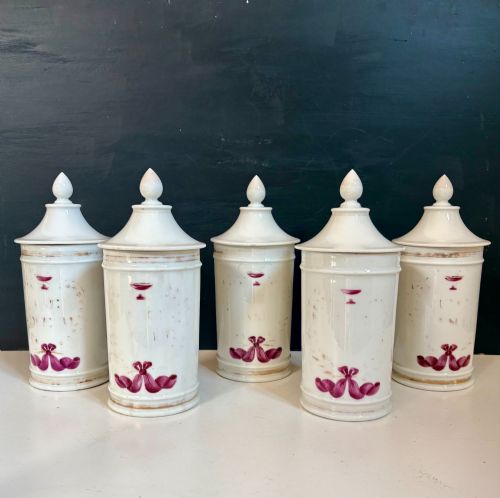
- Apothecary jar
- A vessel originally used by pharmacists to store dry drugs or liquids, typically fitted with a substantial matching lid. These jars often bear painted or gilt labels denoting their contents.
- Cloisonne
- A decorative metalwork technique where fine wires create raised barriers that are filled with coloured enamel paste. The surface is subsequently fired and polished smooth.
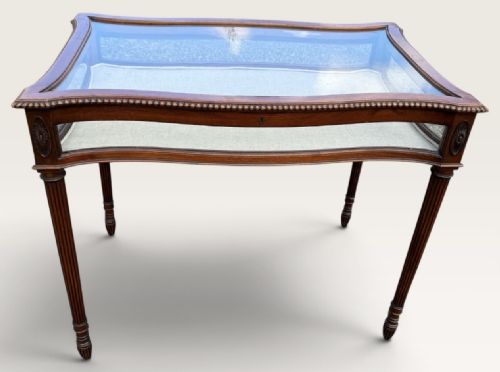
- Bijouterie table
- A glass-topped display furniture piece designed to showcase small valuable objects and curiosities. These tables frequently feature glazed lids or hinged display cases.
- Majolica
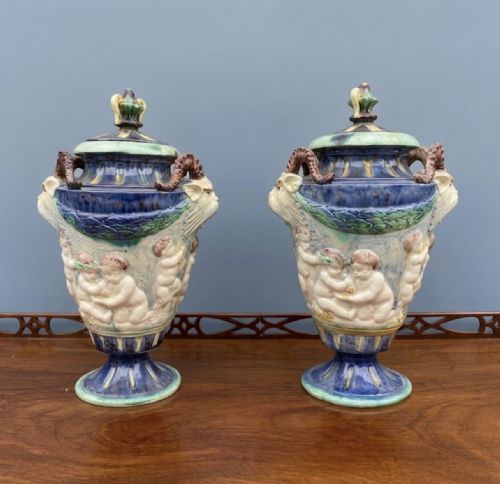
- A type of earthenware coated with an opaque tin-glaze and painted with brightly coloured metallic oxide glazes. This technique produces rich, glossy surfaces favoured for nineteenth century urns and decorative vessels.
Antique Display Lids: Frequently Asked Questions
What vessels use these lids?
These lids belong to apothecary jars, decorative urns, porcelain vases, and lidded bowls. They serve to protect the contents while adding height and decorative completion to the vessel.
Many examples originate from nineteenth century European manufactories and Japanese kilns, functioning as coordinated pairs or striking single display items.
How do I date an antique lid?
Dating relies upon material composition, glaze characteristics, and stylistic markers associated with periods like the Victorian era or the Edwardian years. Hand-painted motifs and manufacturing technology offer clues to the decade of production.
Matching lids to specific vessel bodies requires careful examination of wear patterns, clay bodies, and manufacturing tolerances typical of the period.
How should I display lidded vessels?
Position lidded jars and vases on stable surfaces such as display tables, cabinets, or mantelpieces where adequate lighting highlights the glaze and surface detail. Ensure the lid sits securely on the vessel rim.
Keep delicate glass and porcelain away from direct, harsh sunlight and high traffic areas to protect the enamel and gilding from accidental damage.
Are these lids interchangeable?
Lids were individually fitted to their specific vessels during the manufacturing process, meaning replacements rarely fit correctly. Each cover possesses unique dimensions and collar tolerances.
Collectors look for matched sets where the lid and base share identical decorative schemes, clay bodies, and wear patterns from the same period.