

Antique Display Frame
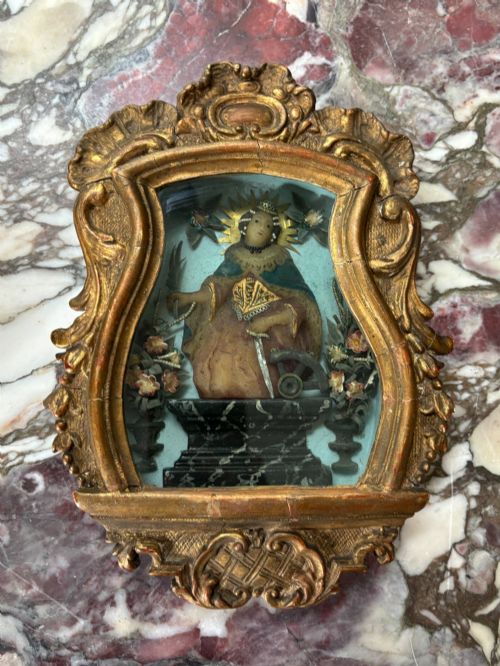
An antique display frame houses and protects three-dimensional objects, devotional icons, taxidermy, and photographs behind glass for wall mounting or tabletop presentation.
Antique Display Frame
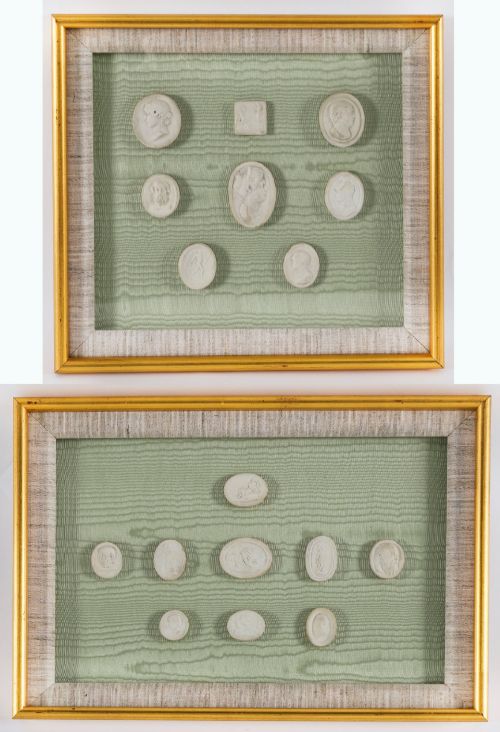
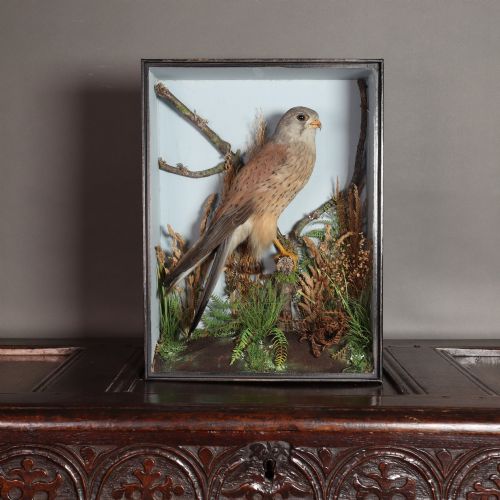
When you search for an antique display frame, you encounter a diverse group of protective enclosures and presentation fixtures spanning the eighteenth, nineteenth, and early twentieth centuries. These pieces serve to exhibit delicate items such as taxidermy birds, intaglios, and photographs while shielding them from dust and handling.
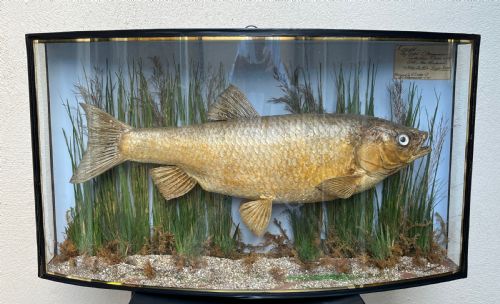
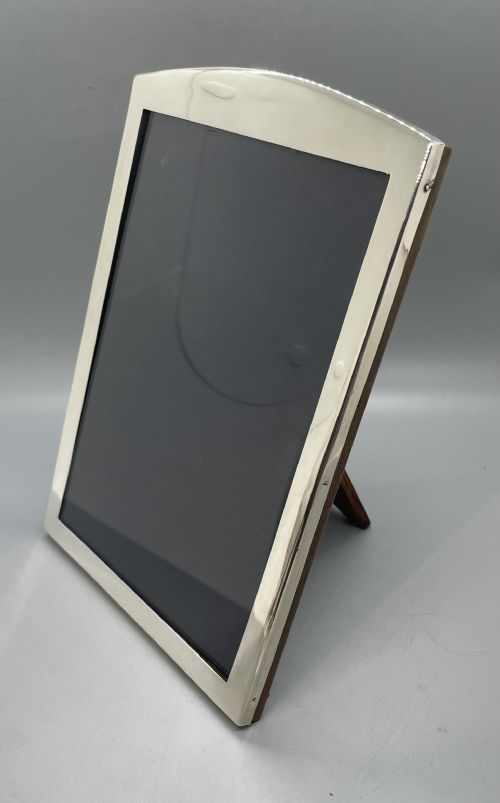
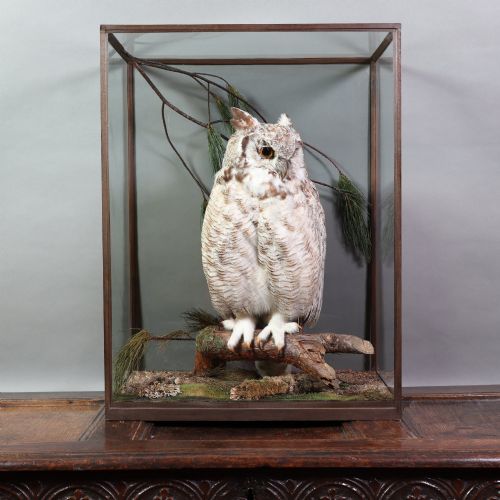
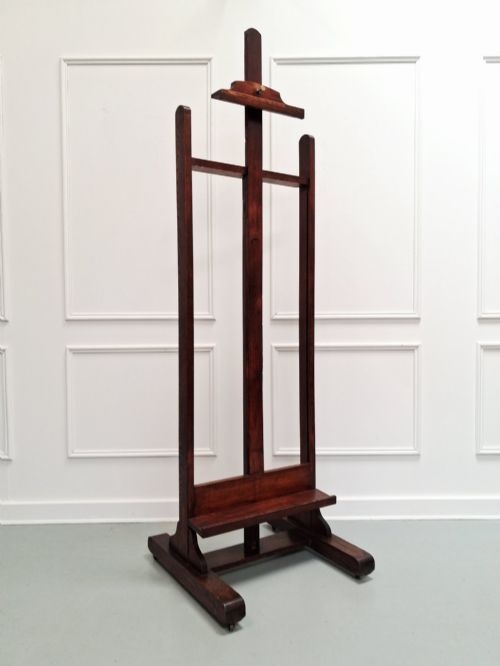
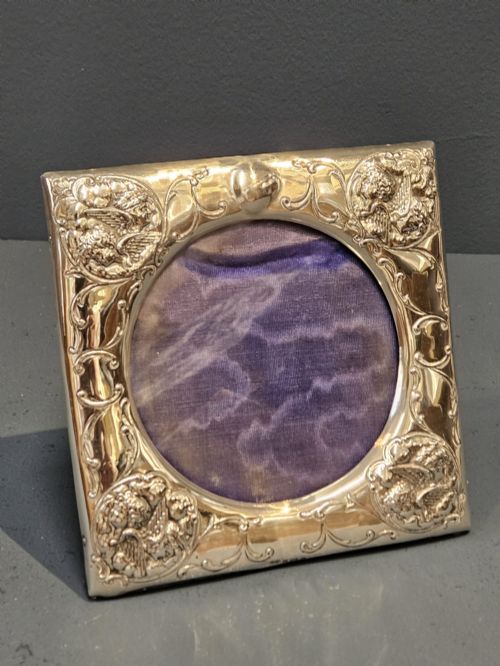
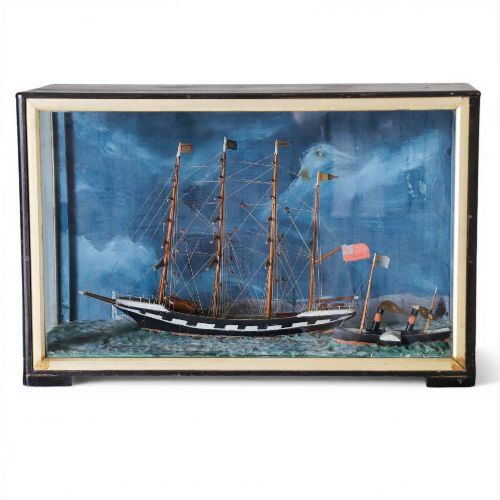
The objects on this page range from Victorian taxidermy cases and shadow box dioramas to Edwardian silver photograph frames and French oak easels. Picture frames and wall-mounted glass cases also appear frequently, reflecting domestic and institutional display habits of the Georgian and Victorian eras.
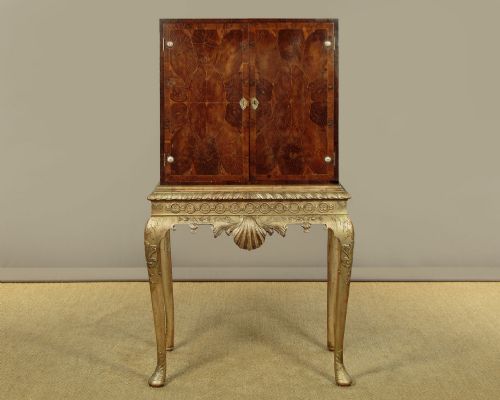
Originating across Britain and continental Europe, these pieces utilise materials like carved giltwood, sterling silver, and velvet backgrounds to enhance the visual weight of the contents inside. A buyer seeking an antique display frame finds items originally built for functional preservation that now function as standalone decorative focal points.
Materials and construction methods
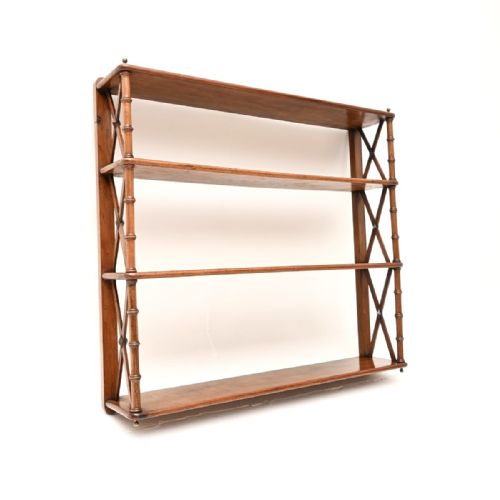
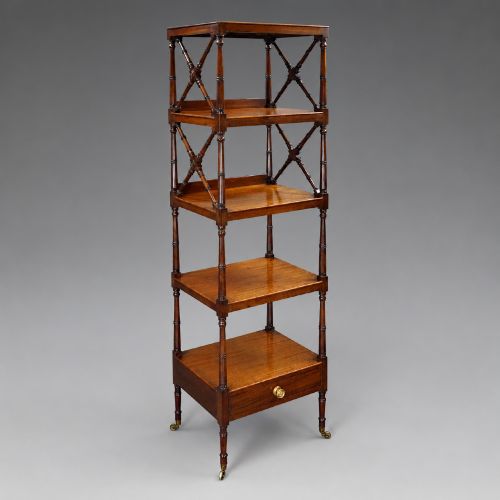
Makers constructed these enclosures using seasoned woods such as oak, walnut, and mahogany, frequently applying giltwood or paint finishes to the exterior mouldings. Glass panels provide the protective viewing window, while interior backing surfaces often incorporate velvet, paper, or painted backdrops to contrast with the displayed artefacts.
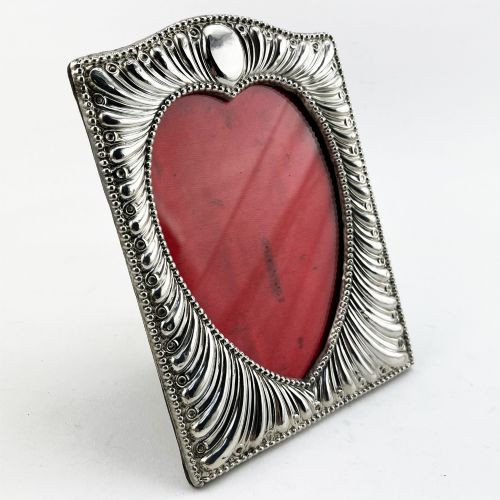
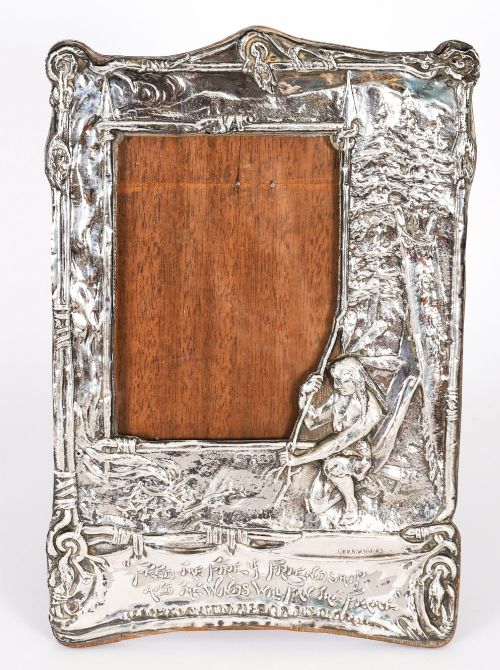
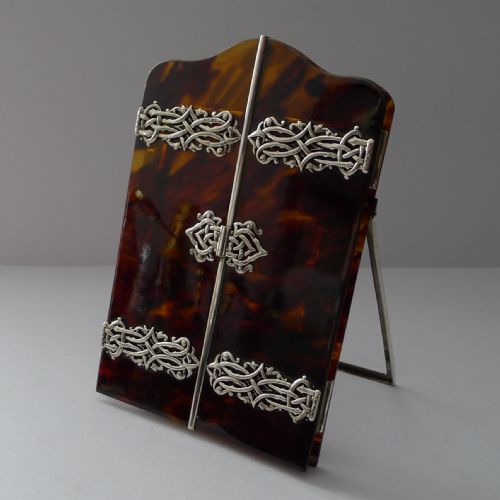
Silversmiths manufactured photograph frames and pocket watch holders from sterling silver, hallmarking pieces from Birmingham and Chester with dates spanning the Victorian and George V periods. Taxidermy cases and shadow boxes required precise joinery to seal glass fronts securely, preserving internal dioramas and specimens from environmental decay.
Antique Display Frame Retail Price Guide 2026
Typical asking prices for display frame among the pieces listed under this phrase on Sellingantiques today, from the lower quarter to the upper quarter. They describe what is for sale here now, not the wider market.
Listings for antique display frames feature pieces from the Georgian, Victorian, and Edwardian periods, utilising glass, wood, sterling silver, and giltwood.
Factors determining quality
The distinction between standard utility pieces and finer examples lies in the execution of the hand-carved details, the weight and purity of the sterling silver mounts, and the integrity of the original glass and backboards. Master taxidermists and established silver firms applied superior structural joinery and finishing work that remains intact after a century or more.
Provenance and documentation elevate certain pieces, particularly when associated with known practitioners or specific historic exhibitions. The complexity of the internal arrangement, such as multi-tiered dioramas or intricate mother-of-pearl fan mountings, demonstrates the maker's technical capability.
Little & Co·Rowland Ward Ltd·T. E. Gunn·William Bazeley & Sons·W.I.Broadway & Co·Gerwin & Co·Mappin Bros·Julian Mandel
The Antique Display Frame Glossary
- Shadow box
- A deep, glass-fronted frame designed to house and display three-dimensional objects or dioramas. This format protects fragile items like shells, insects, and maritime models while offering multi-angle viewing.
- Intaglio
- A gem, bead, or plaster medallion with a design carved into the flat surface so that a impression rises in relief. Grand Tour examples often appear mounted in velvet-lined display frames.
- Giltwood
- Wood that has been treated with a thin layer of gold leaf or gold paint. This technique accentuates carved decorative mouldings on eighteenth and nineteenth-century frames.
- Diorama
- A three-dimensional scene depicting historical, maritime, or natural history subjects within a miniature setting. These are typically enclosed in glazed wooden cases for wall hanging or tabletop display.
- Tortoiseshell
- Material sourced from sea turtle shells and utilised for decorative veneer on luxury nineteenth-century photograph frames. It is frequently mounted with sterling silver corners or borders.
Antique Display Frame: Frequently Asked Questions
What fits inside an antique display frame?
These frames accommodate a wide variety of objects including photographs, dried specimens, intaglios, and small devotional items. The depth of the frame dictates whether flat works on paper or three-dimensional dioramas fit inside.
Selecting a piece depends on the mounting depth required for your specific collection item. Shadow boxes and taxidermy cases offer substantial interior space for bulky artefacts.
How do I clean the glass safely?
Clean the exterior glass using a soft cloth and a mild glass cleaner applied to the cloth rather than sprayed directly onto the frame. This prevents liquid from seeping behind the glazing into the antique interior.
Exercise extreme caution around silver mounts, giltwood edges, and delicate paper backgrounds to avoid accidental moisture damage.
Are silver frames marked with dates?
Sterling silver photo frames from the Victorian and George V periods frequently feature British hallmark stamps indicating the assay office, such as Birmingham or Chester, alongside a date letter. These marks confirm the exact year of manufacture.
Examining the hallmarks allows collectors to verify the period of the silver mount independently from the backing material or glass.