




Antique Dinnerware
These antique dinnerware pieces range from individual plates to extensive services in porcelain, ironstone and earthenware across Georgian and Victorian periods.
Antique Dinnerware
When you search for antique dinnerware, you encounter everything from single cabinet plates to large multi-piece services spanning the Georgian, Regency and Victorian eras.
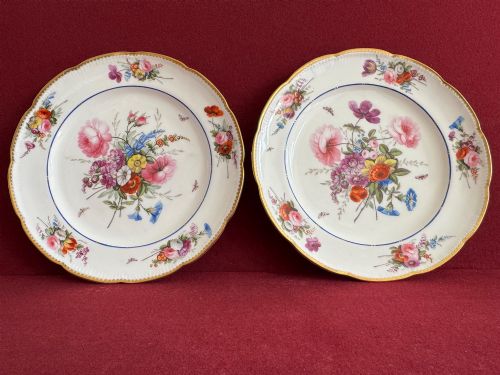
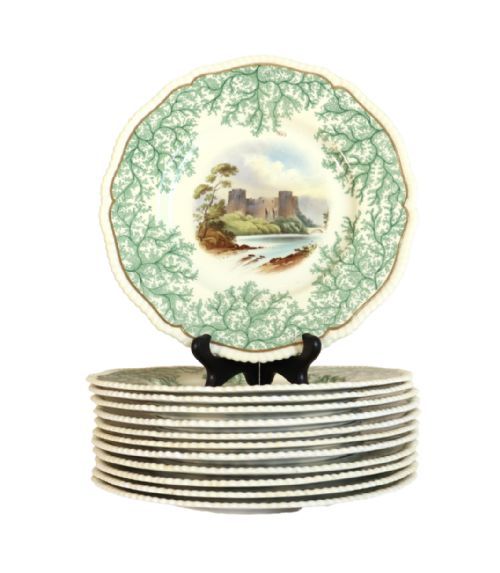
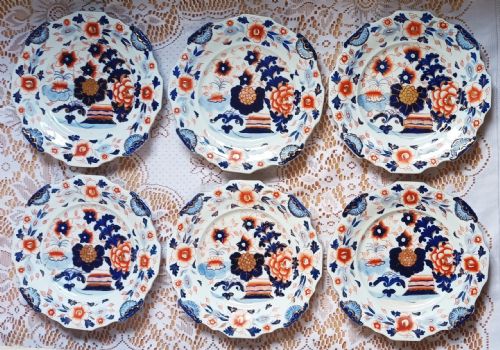
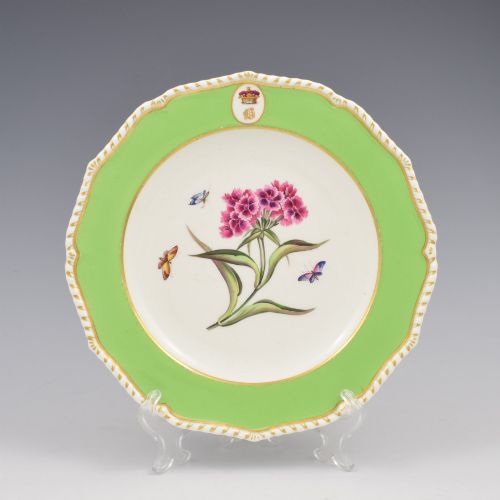
The selections include transfer-printed earthenware, hand-painted porcelain plates and sturdy ironstone china decorated with botanical or landscape patterns.
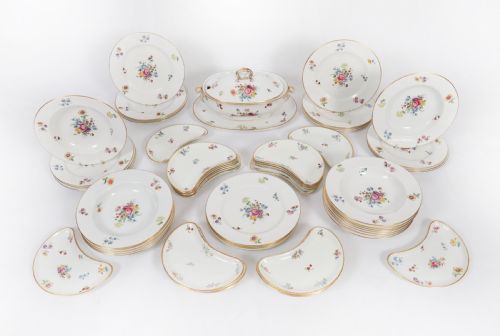
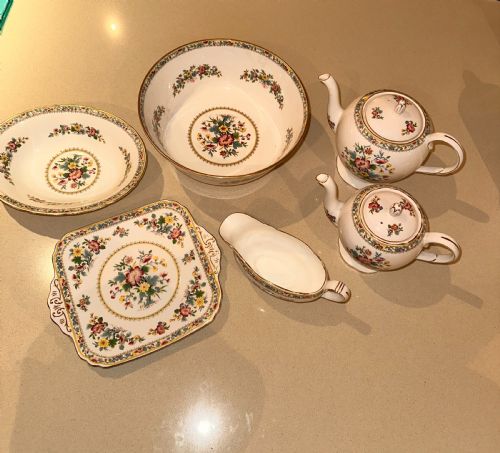
Many listings comprise sets of plates, soup bowls and serving dishes originating from English potteries and European makers.
How they were made
Potters utilised ceramic materials such as porcelain, creamware and ironstone, shaping them into plates, tureens and serving platters.
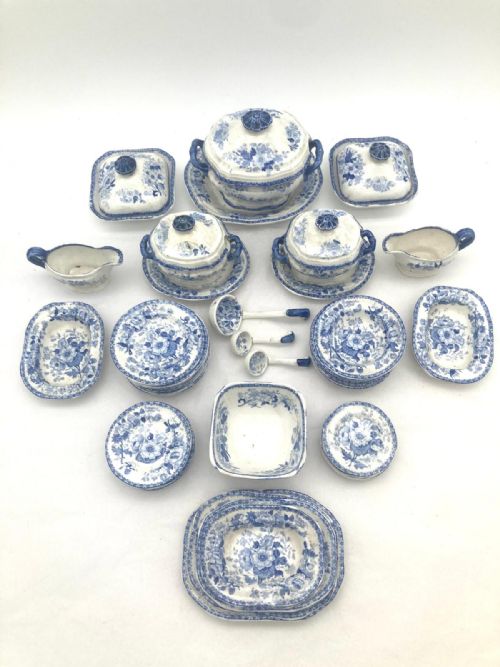
Decoration relied on blue and white transfer printing, hand-painted enamel colours, gold leaf accents and impressed glaze finishes.
Several sets include child-sized services, proving that Georgian and Victorian children dined with proper miniature plates and tureens.
What varies in quality
Quality rests on the precision of the hand-painting, the clarity of transfer-printed patterns and the crispness of moulded details on ironstone or porcelain.
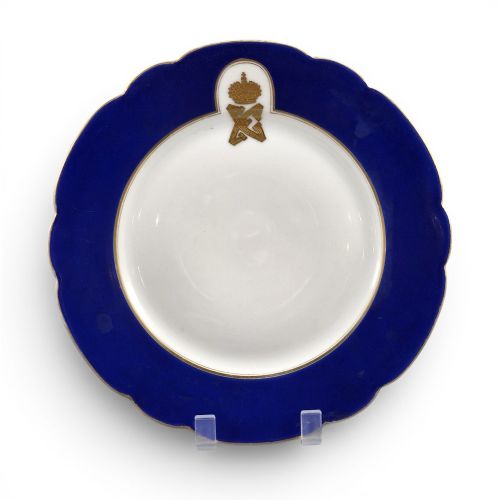
Provenance and factory reputation elevate certain services, particularly those bearing armorial crests or identified patterns from notable English and continental potteries.
Spode·Minton·Coalport·Mason·Royal Worcester·Wedgwood·Doulton
The Antique Dinnerware Glossary
- Ironstone
- A dense, durable type of earthenware patented in the nineteenth century to rival true porcelain. It resists chipping and took transfer printing exceptionally well.
- Transfer printing
- A technique where an engraved copper plate transfers a design onto tissue paper, which is then pressed onto the ceramic surface before glazing and firing. This allowed complex patterns to be produced consistently.
- Creamware
- A light-coloured refined earthenware developed in the eighteenth century with a warm translucent glaze. It became a staple of English dining tables.
- Armorial
- A ceramic decorated with a family crest, coat of arms or heraldic insignia. These were usually commissioned by wealthy patrons for grand dining services.
- Pate-sur-pate
- A method of porcelain decoration where wet white slip is built up in successive layers on a coloured background to create a low relief cameo effect.
Antique Dinnerware: Frequently Asked Questions
What counts as antique dinnerware?
Antique dinnerware encompasses ceramic and porcelain dining items produced during the Georgian, Victorian, Regency and Edwardian eras. These include matching services, individual plates, tureens and bowls.
Items from this category reflect the domestic dining habits, trade patterns and ceramic manufacturing techniques of the eighteenth and nineteenth centuries.
How do I care for antique dinnerware?
Wash these pieces strictly by hand using a mild detergent and warm water. Avoid mechanical dishwashers, harsh scrubbers and sudden temperature changes that can crack old glazes.
Store plates with felt dividers between them to protect hand-painted surfaces and gilt rims from scratching.
Can I use antique plates for dining?
Many people enjoy using antique dinnerware for special occasions, though older glazes can sometimes contain lead or show wear from cutlery. Examine the surface glaze for heavy utensil scratching before serving food.
Fragile porcelain and ironstone with gold leaf decoration are generally better suited for display or light use.
How do I date an old dinner service?
Examine the base of the pieces for maker marks, impressed ciphers, registration diamonds or pattern names. Style, weight and the manufacturing method also provide clues to the period.
Transfer-printed designs and ironstone bodies typically point toward the nineteenth century, while creamware often indicates earlier production.