

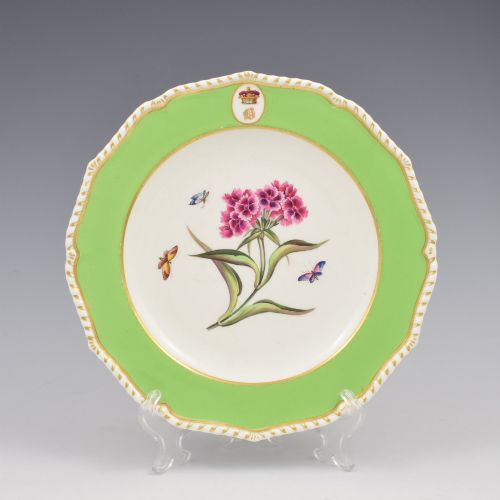


Antique Dinnerware Cabinet
These antique dinnerware cabinet pieces bring hand-painted porcelain and ironstone into display spaces, offering armorial designs and botanical studies from the Regency and Victorian eras.
Antique Dinnerware Cabinet
When buyers search for an antique dinnerware cabinet selection, they encounter decorative plates, cabinet plates, and dinner plates intended primarily for display rather than everyday dining. The pieces seen on this page span the 18th century, the Regency period, the Victorian era, and later decades up to the mid-20th century.
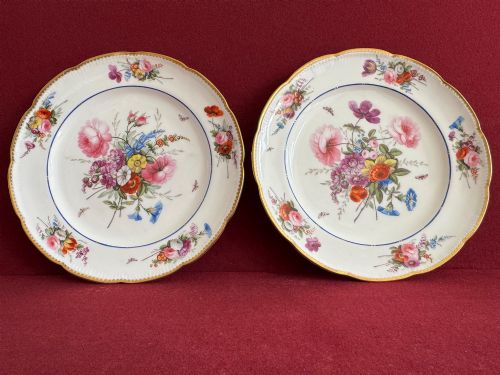
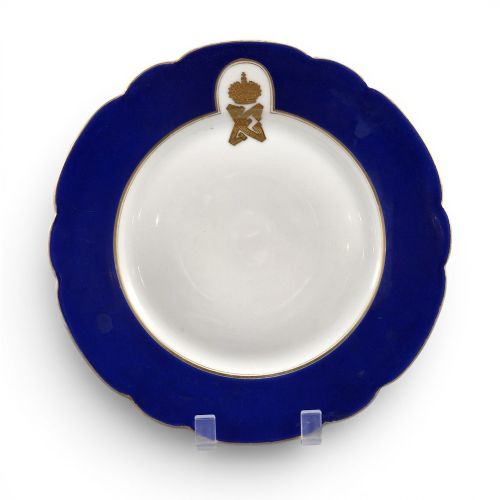
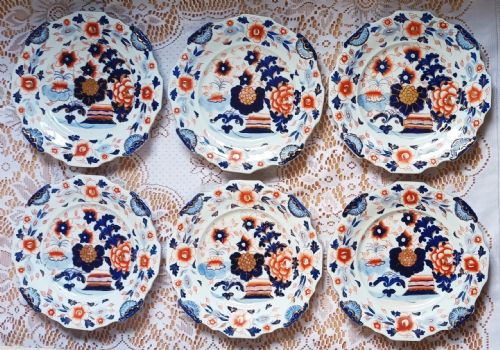
The most common forms on this page are individual cabinet plates and matched sets featuring armorial crests, botanical paintings, and landscape scenes. Makers such as Spode, Bloor Derby, Flight, Barr & Barr Worcester, Minton, and Mason's Ironstone represent the predominant English and Imperial Russian origins in these listings.
Styles range from Regency and Georgian traditions through Victorian Neoclassical and Victorian Imari to English Traditional aesthetics. Collectors select these items to enrich cabinet displays or sideboard arrangements with documented historical provenance.
Materials and methods
Potters and decorators utilised hard-wearing ironstone alongside fine porcelain and earthenware bodies, shaping them into plates designed for formal presentation. Artisans applied lead or tin glazes to create smooth surfaces capable of holding intricate enamel pigments.
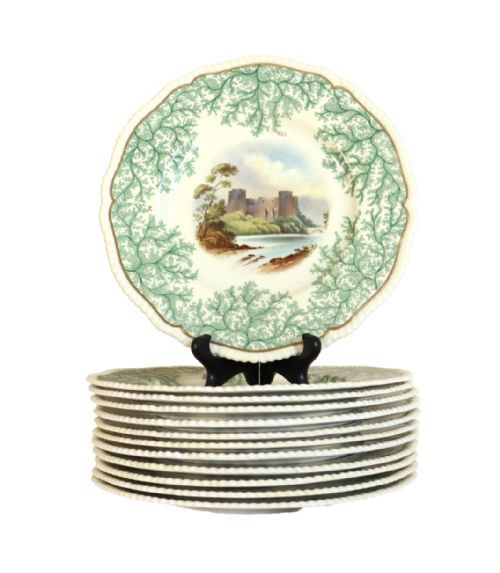
Decoration relied heavily on hand-painted artistry combined with gold leaf and gilding to highlight armorial bearings, floral studies, and borders such as the seaweed pattern. Specialised techniques like pâtesur-pâte added raised white slip decoration over coloured clay grounds.
Antique Dinnerware Cabinet Retail Price Guide 2026
Typical asking prices for dinnerware cabinet among the pieces listed under this phrase on Sellingantiques today, from the lower quarter to the upper quarter. They describe what is for sale here now, not the wider market.
Seaweed border patterns brought marine life straight to the Regency dining table long before anyone thought of coastal interior design.
Markers of quality
Quality rests upon the precision of the hand painting and the complexity of the decorative scheme, distinguishing standard factory output from bespoke armorial commissions for notable families. The crispness of the gilt work and the delicacy of botanical brushwork separate superior plates from simpler examples.
Historical provenance and documented factory marks elevate specific pieces, particularly those associated with royal services or known decorators. The preservation of the enamel colours and the integrity of the porcelain body also determine the standing of each plate within its period.
Spode·Bloor Derby·Flight Barr And Barr·Minton·Masons Ironstone·Royal Worcester·Chamberlains
The Antique Dinnerware Cabinet Glossary
- Cabinet plate
- A decorative ceramic plate intended for display in a cabinet or on a sideboard rather than for table service. These pieces frequently feature elaborate hand-painted scenes or armorial crests.
- Armorial
- A ceramic design displaying a family coat of arms or heraldic crest. These bespoke items were typically commissioned by nobility or prominent households.
- Ironstone
- A heavy, durable type of earthenware patented in the 19th century to imitate porcelain. It provided a robust surface for transfer-printed and hand-painted patterns.
- Pâte-sur-pâte
- A ceramic technique where wet white porcelain slip is built up layer by layer on a coloured clay body to create a low relief cameo effect. This method demands immense skill from the artisan.
- Gilding
- The application of gold leaf or powdered gold onto the ceramic surface, usually fired to fix the metallic finish. It defines borders, rims, and heraldic details on formal dining wares.
Antique Dinnerware Cabinet: Frequently Asked Questions
Can I use these plates for dinner parties?
These decorative plates are intended for display cabinets and collection rooms rather than active dining use. Their historical glazes and delicate enamel work require careful preservation away from modern kitchen appliances.
Displaying them on stands or mounting them securely protects the hand-painted surfaces and historic gilding from wear and accidental damage.
How do I identify Regency period plates?
Regency pieces often display characteristic botanical painting, armorial crests, and refined porcelain bodies dating from the early decades of the 19th century. Factory marks from manufacturers operating during this era offer definitive clues to exact dates.
Stylistic elements like specific border designs and gilding patterns help separate Regency work from later Victorian interpretations.
What is ironstone china?
Ironstone is a dense, durable ceramic material developed to withstand heavy use while mimicking the appearance of fine porcelain. It accepts enamels and gilding readily, making it popular for patterned dinner services.
Plates made from this material often feature rich colours and traditional patterns that remain stable over generations.
How should I clean antique plates?
Dusting gently with a dry, soft cloth is usually sufficient for pieces kept inside a display cabinet. Harsh cleaning agents or immersion in water can harm fragile gilding and historic enamel decorations.
Professional conservation advice is recommended if deeper cleaning becomes necessary due to accumulated grime.