




Antique Dinner Plates
These antique dinner plates bring the weight of past centuries directly to the table, offering tangible history through creamware, porcelain, and ironstone.
Antique Dinner Plates
When you search for antique dinner plates, you encounter pieces spanning from the eighteenth century through the Victorian era and into the early twentieth century. The selection ranges from single display plates to large sets and parts of extensive dinner services.
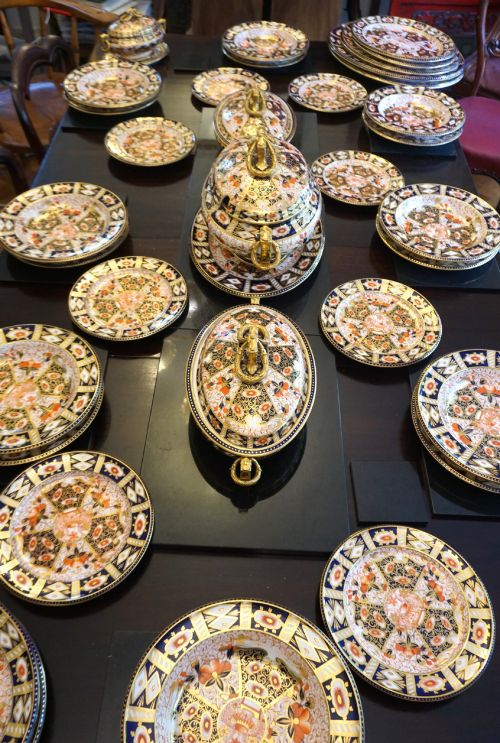
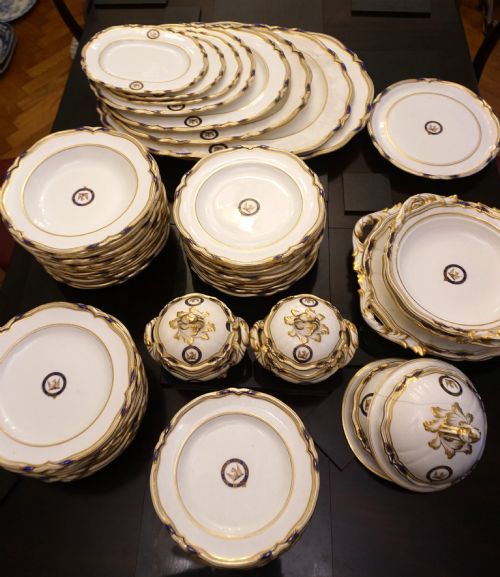
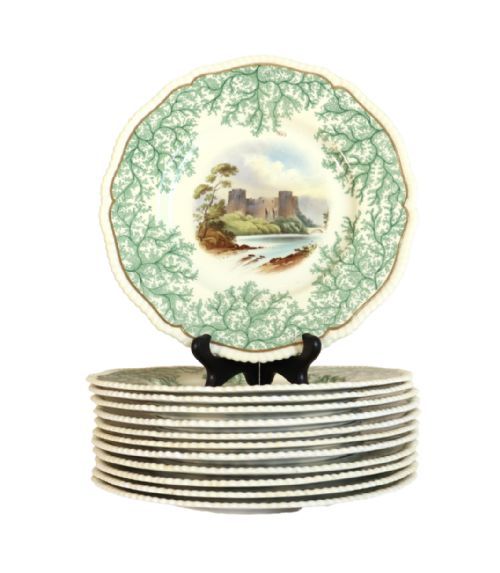
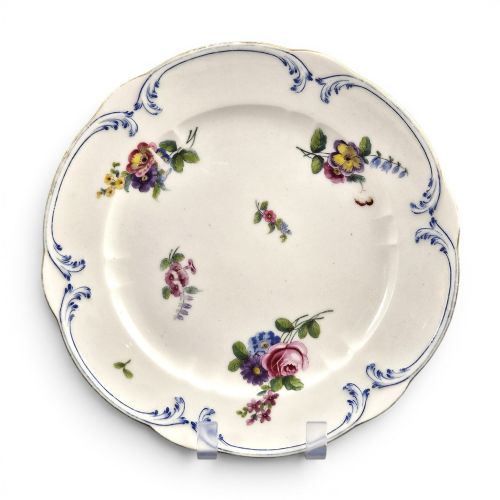
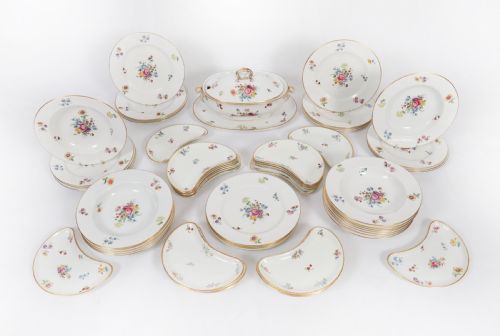
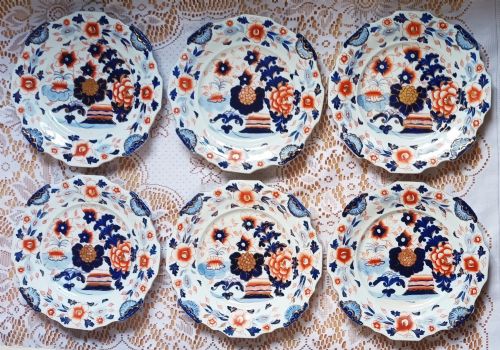
The most common forms on this page include creamware, soft-paste porcelain, and ironstone china plates, decorated with patterns such as transferware landscapes, armorial crests, and floral motifs. Makers from English potteries and continental European factories dominate the available styles.
Materials and Techniques
Potters shaped these plates using earthenware, creamware, and soft-paste or hard-paste porcelain, often applying glazes and hand-painted or transfer-printed designs. Ironstone china provided a heavier, more durable alternative for everyday dining.
Makers utilised traditional firing techniques in kilns, sometimes incorporating polychrome enamels, gilding with gold leaf, and impressed or painted registry marks to indicate patterns and dates.
Antique Dinner Plates Retail Price Guide 2026
Typical asking prices for dinner plates among the pieces listed under this phrase on Sellingantiques today, from the lower quarter to the upper quarter. They describe what is for sale here now, not the wider market.
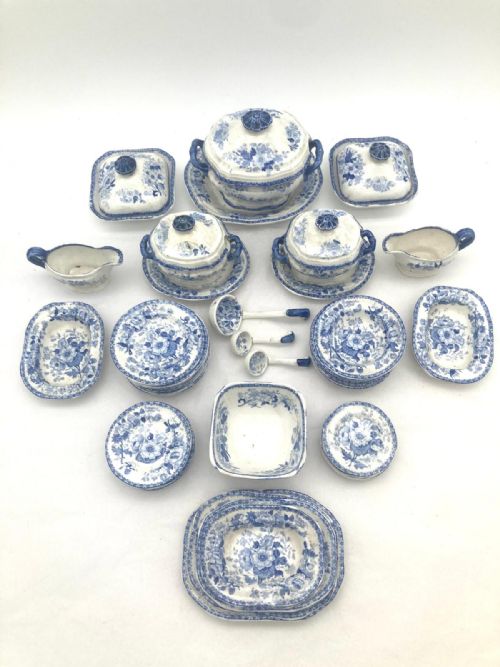
Several dining sets include child-sized toy dinner services, proving that miniature dinner parties were serious business in the Victorian parlour.
Evaluating Quality
Quality rests primarily on the crispness of the transfer print or the skill of the hand-painted brushwork, alongside the clarity of the underlying ceramic body. Armorial crests and bespoke botanical commissions typically display higher artistry than standard mass-produced patterns.
The integrity of the glaze and the preservation of any gilt or enamel detailing heavily influence the standing of a piece. Uniformity across a matched set of plates elevates the overall character.
Spode·Wedgwood·Minton·Coalport·Doulton·Mason·Leeds
The Antique Dinner Plates Glossary
- Creamware
- A light-coloured refined earthenware developed in the eighteenth century. It superseded heavier salt-glazed stonewares and became popular for table services.
- Ironstone
- A patented ceramic material invented in the nineteenth century. It combined durability with the aesthetic qualities of porcelain.
- Transferware
- A technique where a design is engraved on a copper plate, inked, and transferred onto paper before being pressed onto the ceramic body. This allowed for consistent patterns across dinner services.
- Soft-Paste Porcelain
- A ceramic composition made from clay and glass frit rather than hard-paste materials. It was widely produced in eighteenth-century European factories.
- Armorial
- Decoration featuring family coats of arms or crests. These bespoke designs were painted on porcelain and creamware for wealthy households.
Antique Dinner Plates: Frequently Asked Questions
Can I still use antique dinner plates for meals?
Most antique dinner plates function safely for dining, provided the glaze remains intact and free from heavy crazing. Earthenware and ironstone from the nineteenth century handle regular use well, though hand-washed care preserves them.
Softer porcelains from the eighteenth century warrant more cautious handling. Many collectors reserve these delicate pieces for display or special occasions rather than daily meals.
How do I care for antique plates?
Hand wash these plates using mild soap and warm water rather than placing them in a modern dishwasher. Sudden temperature changes can crack old glazes and damage ceramic bodies.
Store stacked plates with felt or cloth dividers between them to prevent surface scratching. Avoid abrasive scrubbers on gilt or enamelled borders.
How do I date an antique plate?
Makers' marks stamped, impressed, or painted on the reverse offer the most direct path to dating a plate. Registry marks and factory symbols correspond to specific years of production.
Stylistic cues such as body weight, glaze colour, and border motifs also help determine age. Creamware pieces from the seventeen-eighties look distinct from Victorian ironstone services.
Why do some plates have family crests?
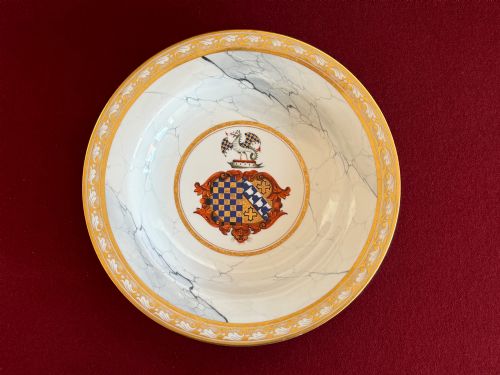
Armorial plates were custom-ordered by wealthy patrons who wanted their family crests painted onto their dining services. Wealthy households used these crested sets to signal status during formal meals.
Potters in Europe and China fulfilled these bespoke orders for the British market. Surviving armorial plates provide clear links to specific historical families.