
Antique Dining Table with Leaf
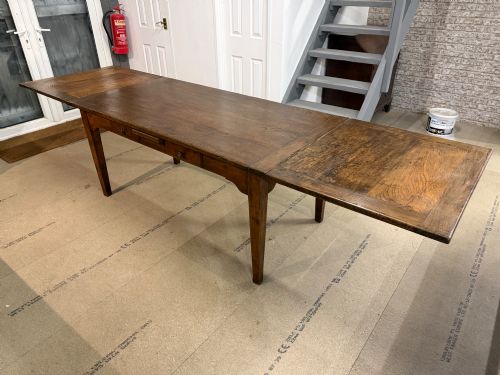
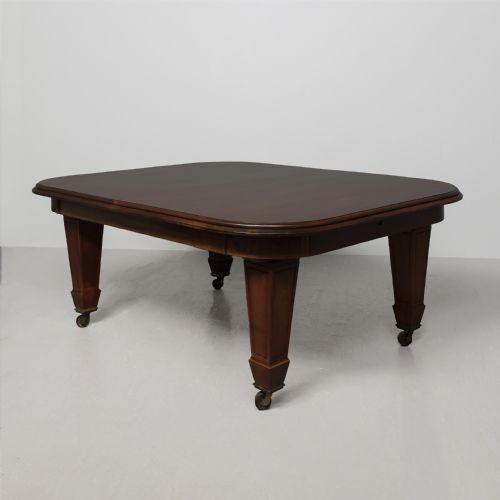
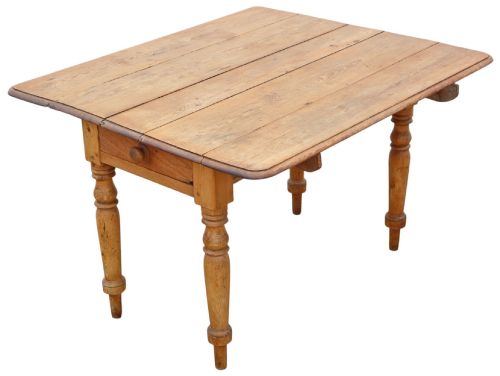
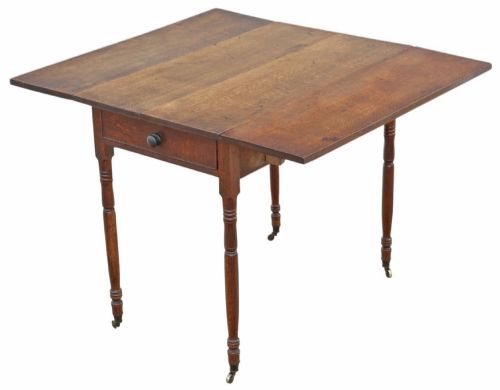
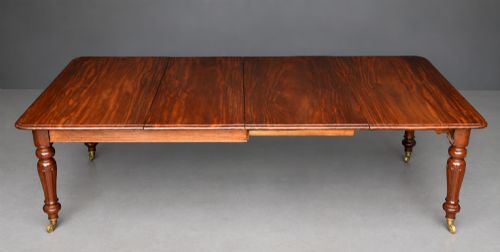
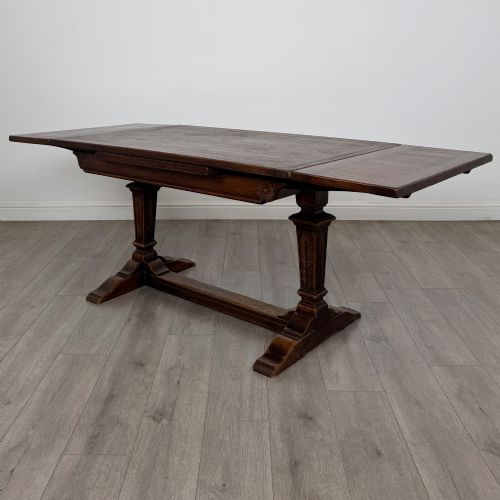
An antique dining table with leaf is a flexible piece of furniture designed to expand for larger gatherings, and the pieces found here span centuries of craftsmanship.
Antique Dining Table with Leaf
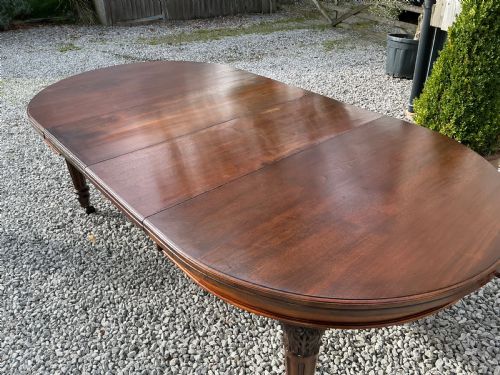
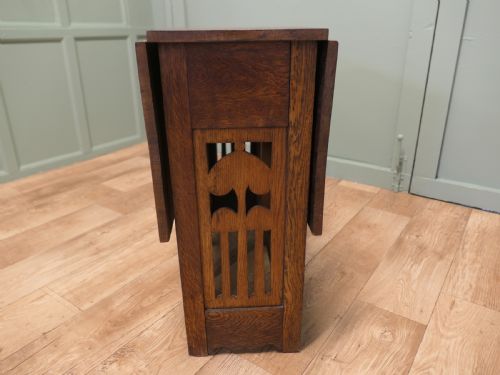
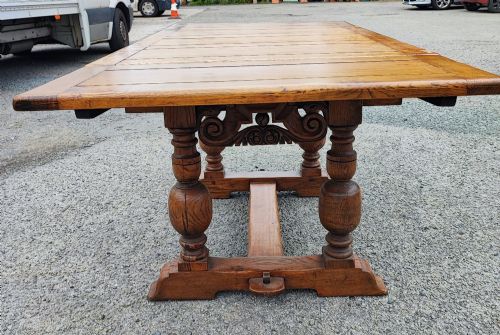
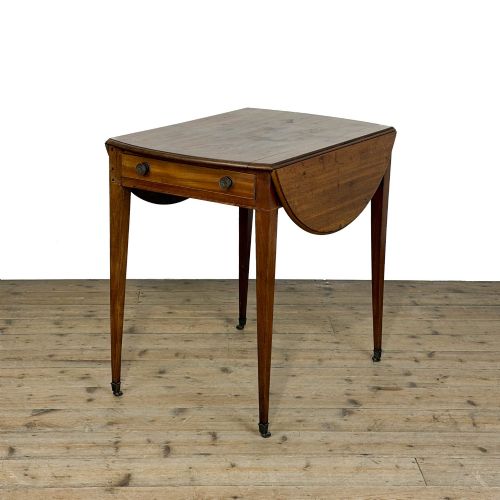
When searching for an antique dining table with leaf, buyers encounter various formats designed to expand surface area. These range from substantial pillar and pedestal designs to versatile gateleg and drop-leaf tables.
The selections on this page predominantly date from the Georgian, Victorian, and Regency periods, alongside later Edwardian and revival pieces. Mahogany and oak dominate the forms, supplemented by walnut, pine, and fruitwood.
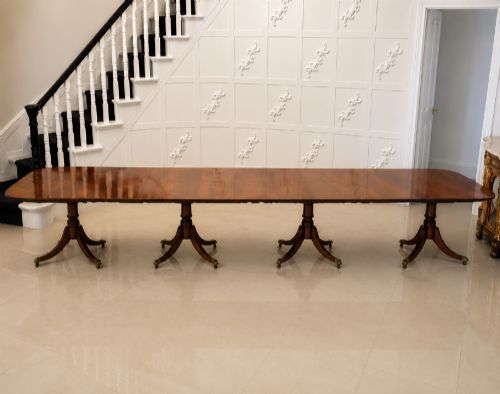
Buyers will find everything from intimate four-seater breakfast tables to monumental multileaf dining tables capable of seating upwards of twenty guests.
How They Were Made
Cabinet makers utilised dense timbers such as figured mahogany, Spanish mahogany, and English oak, often supported by brass castors and incorporating wooden extension leaves. Secondary woods like pine appear in kitchen variants.
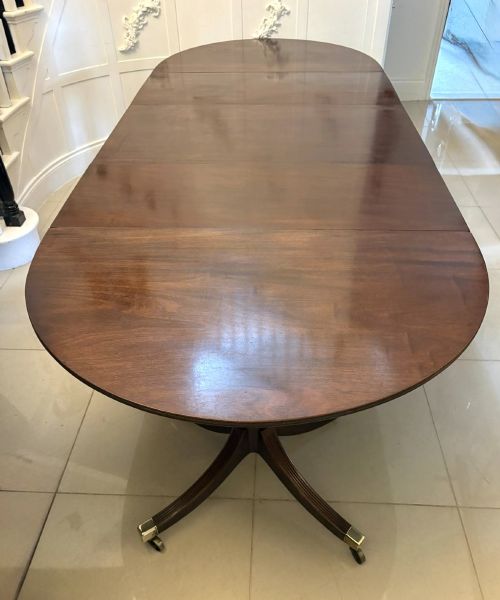
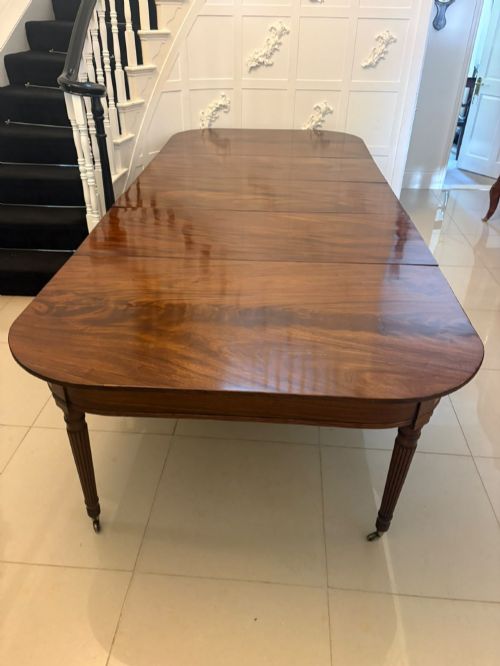
Construction techniques include twin, triple, or quadruple pedestals, windout mechanisms, drop-leaf hinges, and pull-out extension frames. Legs range from reeded and turned baluster supports to carved cabriole legs with pad feet or claw and ball designs.
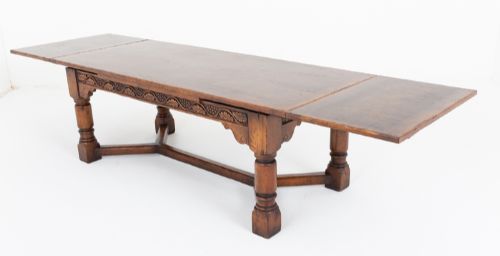
The listings span four centuries, featuring seventeenth-century oak gateleg tables alongside grand nineteenth-century mahogany pedestal designs.
What Varies in Quality
The upper tier of pieces displays exceptional timber selection, such as highly figured mahogany or burr walnut, matched with substantial original leaves that integrate seamlessly when extended. Lesser examples show simpler construction or non-matching secondary timbers.
Proportion and stability define the finer pieces, where pedestals, gateleg actions, and pull-out runners operate with precision. Detail work, including brass inlay, satinwood stringing, and hand-carved legs, elevates certain formats above utilitarian kitchen tables.
William and Gibton Dublin·James Garvie and Sons·Gillows
The Antique Dining Table with Leaf Glossary
- Gateleg table
- A drop-leaf table with hinged legs that swing out to support the lowered flaps. This design dates back to the seventeenth century and allows significant space saving.
- Extra leaf
- A removable section of timber inserted into an extending table to increase its length. These can be original to the table or later additions.
- Twin pillar
- A dining table style supported by two distinct pedestals resting on splayed legs. This arrangement provides stability and ample legroom for seated guests.
- Windout mechanism
- A mechanical screw system operated by a handle to open and close an extending table. It allows the frame to part evenly for the insertion of additional leaves.
- D-end table
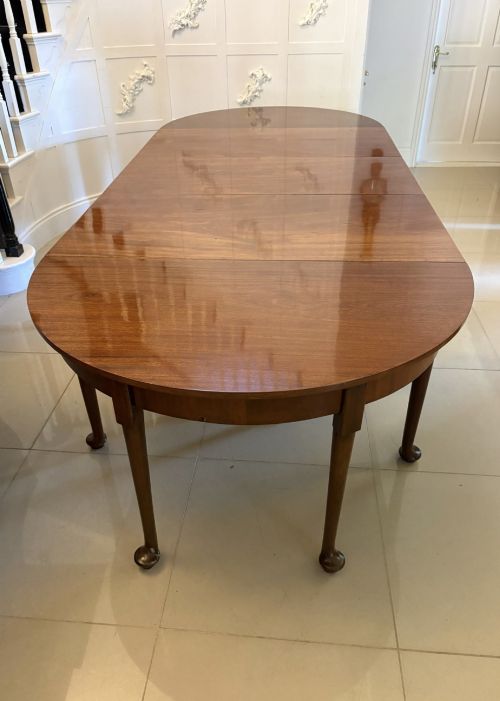
- A dining table formed of sections where the outer ends are semicircular. When separated, these standalone console tables offer alternative placement against walls.
Antique Dining Table with Leaf: Frequently Asked Questions
How do I know if the leaves are original?
Original leaves generally match the grain pattern, timber ageing, and secondary construction methods of the main table top. Makers often numbered the leaves and corresponding table slots to ensure correct placement during assembly.
Subsequent additions may display subtle discrepancies in colour or timber species. Examining the underside reveals whether batten placement and joint construction remain consistent across all sections.
How many people can these tables seat?
Seating capacity varies enormously depending on the number of additional leaves present. Compact drop-leaf or gateleg versions accommodate four to six diners comfortably.
Extended pedestal tables listed here can seat anywhere from ten to twenty-six guests. The physical length and the presence of multiple pillars determine the maximum extended capacity.
What is the difference between a pedestal and a gateleg table?
Pedestal tables utilise central columns resting on branched feet to support the main top and any inserted leaves. They permit easy movement around the perimeter without legs obstructing chairs.
Gateleg tables rely on hinged drop leaves supported by swinging legs built into the frame. This folding structure enables the entire unit to collapse against a wall when not in use.