
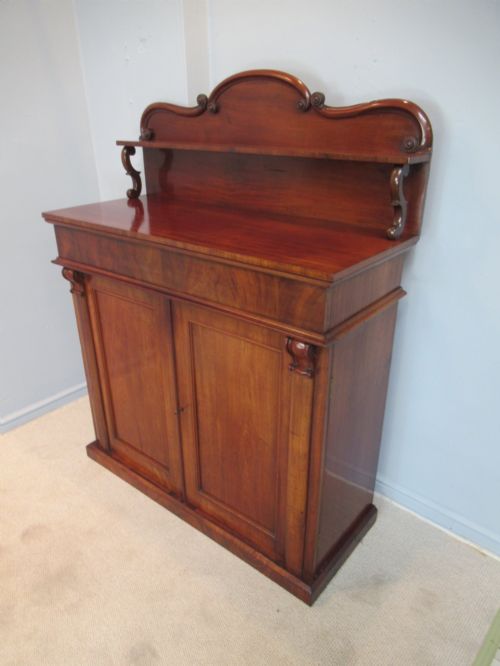
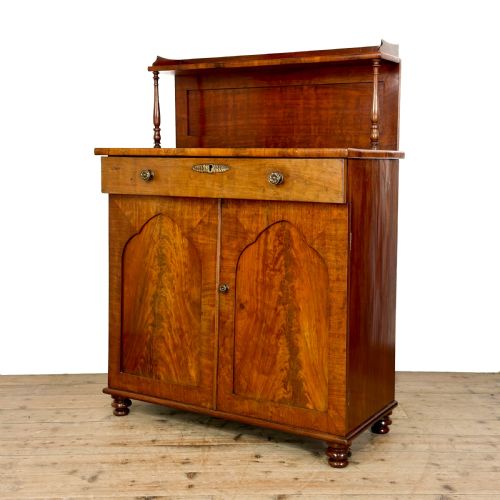


Antique Dining Room Chiffonier
An antique dining room chiffonier offers practical storage and a handsome display surface, anchoring a traditional dining space with period character.
Antique Dining Room Chiffonier
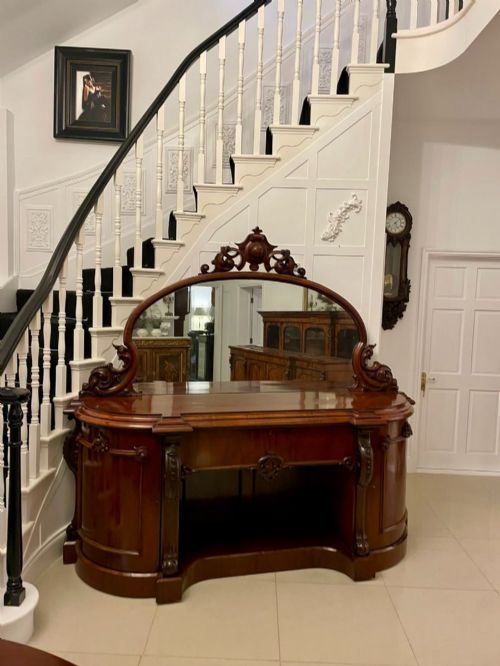
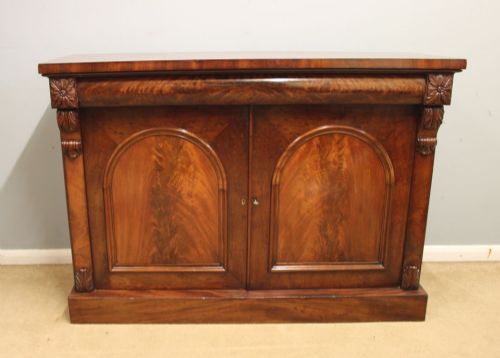
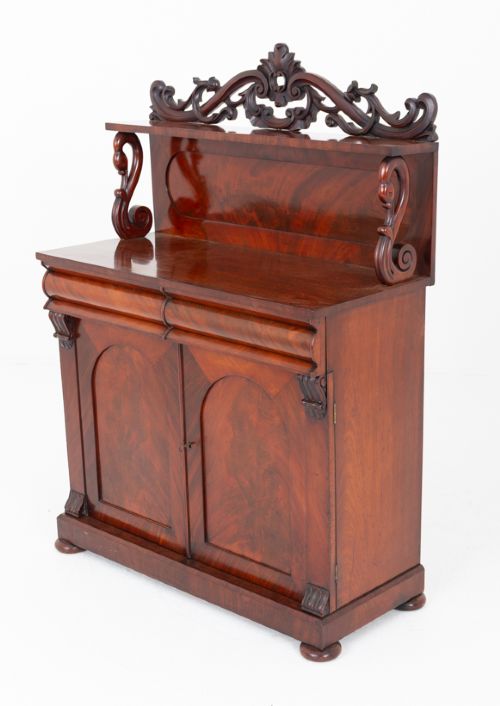
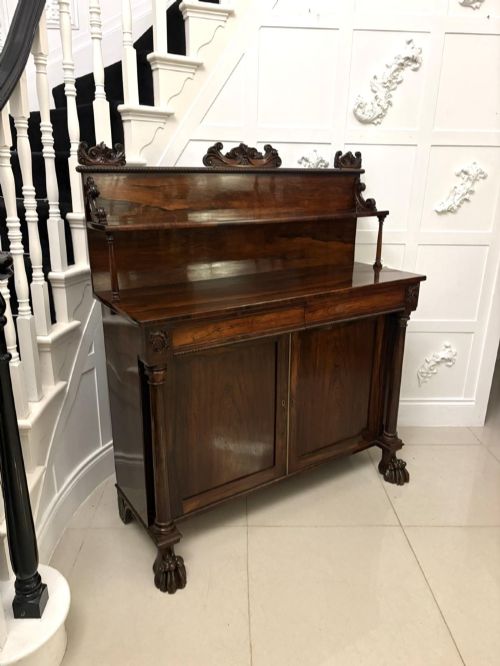
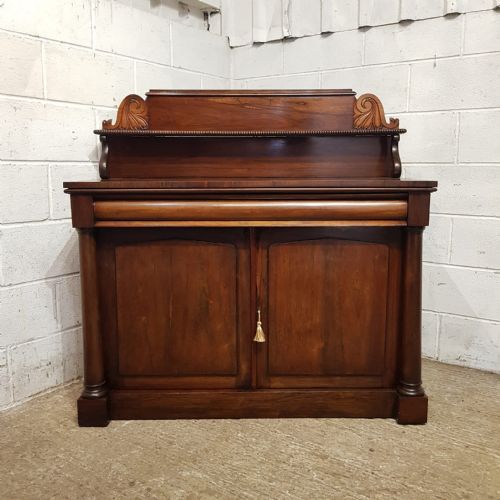
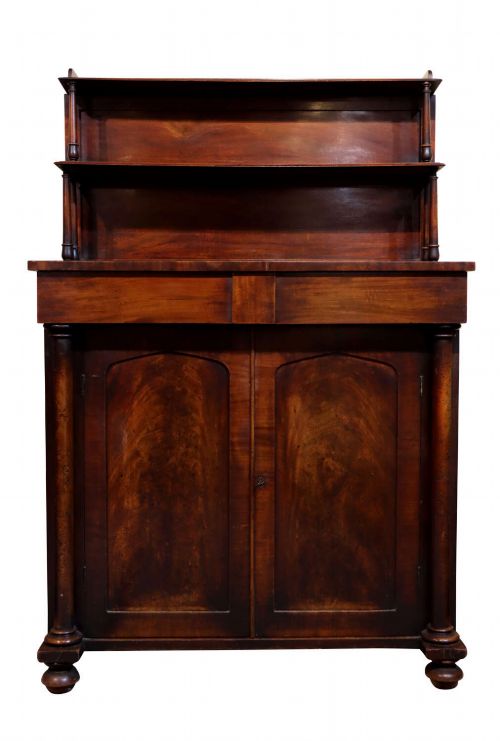
An antique dining room chiffonier is a low cabinet designed for dining spaces, often combining enclosed shelving below with a useful surface or superstructure above. These pieces emerge primarily from the Victorian and Regency periods, alongside Edwardian and William IV examples.
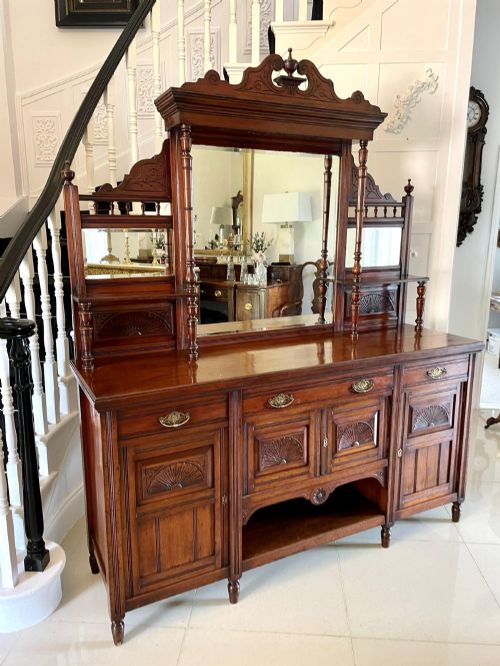
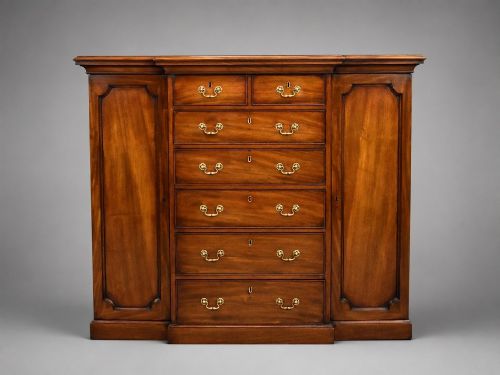
The versions most frequently met on this page are mahogany and rosewood constructions, spanning forms from compact pedestals to mirror-backed sideboards. Makers and makers' workshops also produced walnut and pollard oak variations, reflecting changing domestic fashions across the nineteenth century.
How they were made
Cabinet makers utilised dense timber stocks such as solid mahogany, rosewood, and walnut, frequently applying flame mahogany veneer or figured timber to primary surfaces to create dramatic grain patterns. Structural integrity relied on traditional joinery, supported by brass hardware and occasionally glass panels for display sections.
Surfaces received hand-applied polish or wax to enhance the natural depth of the wood, while decorative detailing incorporated carved mouldings, mirror backs, and fabric-backed door grilles.
Some nineteenth-century makers secreted clever locking mechanisms into sideboards to keep the port safely away from the butler.
What varies in quality
The standard of timber selection largely distinguishes finer examples from simpler workshops, with highly figured flame mahogany or choice rosewood marking out superior production. The crispness of carved wooden details and the integration of mirror frames or superstructure tiers also reveal the original maker's investment of skill.
Proportion and architectural balance dictate the visual weight of the piece, separating standard utility furniture from more ambitious architectural designs intended for formal dining rooms.
Gillows
The Antique Dining Room Chiffonier Glossary
- Chiffonier
- A low sideboard or cabinet featuring enclosed cupboards below, sometimes topped by a shelf or mirror back. This form developed during the Regency period and remained popular throughout the Victorian era.
- Flame mahogany
- A veneer cut from the fork of the mahogany tree to produce a flickering, highly decorative flame-like grain pattern. Cabinet makers reserved this timber for prominent drawer fronts and doors.
- Pollard oak
- Oak timber derived from trees that were cut back close to the trunk to encourage dense, knotty, and highly figured growth rings. This unusual wood provides a distinctive mottled texture.
- Credenza
- A refined dining room sideboard or display cabinet originating in continental Europe and adopted into British interiors during the nineteenth century. It often stands lower to the ground than a traditional sideboard.
- Superstructure
- The upper tier of a chiffonier or sideboard, typically comprising a mirror, carved scrolling, or display shelves mounted above the main cabinet top.
Antique Dining Room Chiffonier: Frequently Asked Questions
What is an antique dining room chiffonier?
An antique dining room chiffonier is a low sideboard designed to store dining accessories while providing a surface for serving or display. They typically feature lower cupboards and occasionally an upper mirror or shelf.
These cabinets served dining rooms across the Regency and Victorian periods, evolving from simple low servers into architectural pieces with elaborate carved timber work.
How were antique chiffoniers used?
Households utilised these cabinets in dining spaces to store silver, linen, and glassware close to the dining table. The top surface acted as a convenient station for serving food and beverages.
In subsequent decades, the upper tiers and mirror backs allowed families to display decorative ceramics and glass, shifting the piece toward a dual role of storage and exhibition.
How do I date an antique chiffonier?
Dating relies on examining the timber species, construction methods, and prevailing decorative styles. Regency examples often employ rosewood and brass inlay, while Victorian versions favour heavy mahogany, walnut, and elaborate mirror backs.
Secondary woods inside drawers and the style of the hardware provide further clues to the decade of manufacture, aligning with periods like William IV or the mid-nineteenth century.
How do I fit a chiffonier into a modern dining room?
A chiffonier provides practical surface area and enclosed storage without dominating the room's floor plan due to its relatively low profile. Placing it against a main dining room wall creates a natural focal point.
Pairing the rich tones of mahogany or rosewood with contemporary dining furniture adds warmth and historical texture to the interior space.