


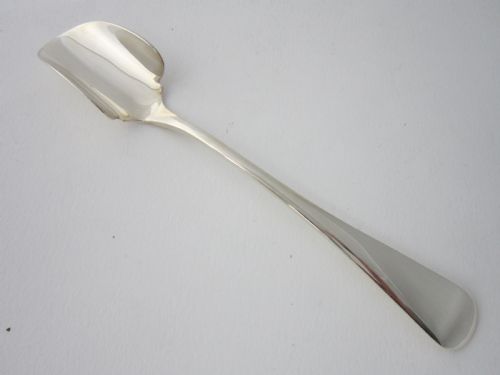

Antique Dining Flatware
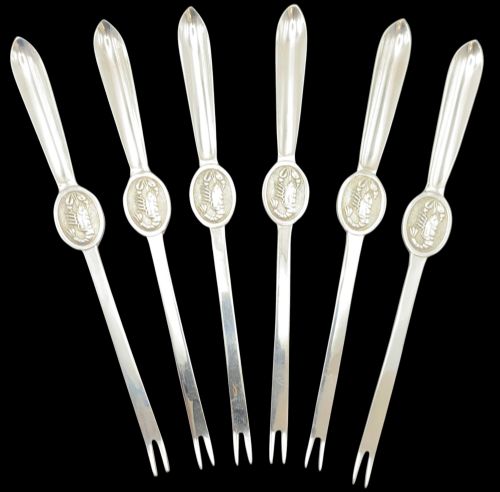
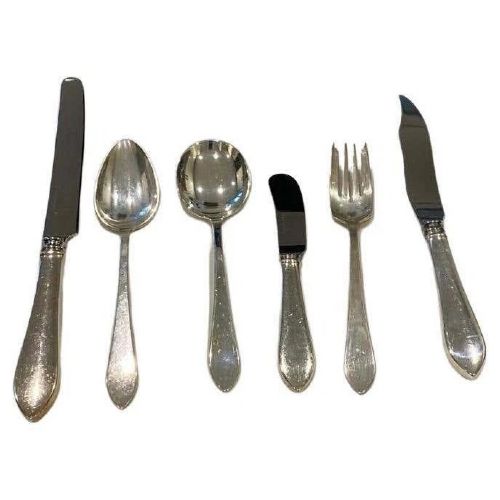
Antique dining flatware brings centuries of craftsmanship to the table, offering everything from solid sterling silver canteens to specialised serving pieces.
Antique Dining Flatware
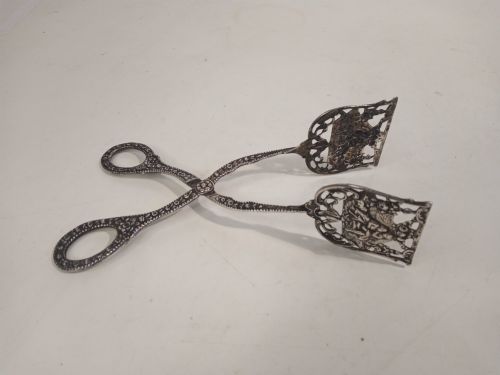
When you search for antique dining flatware, you encounter a wide array of eating and serving utensils spanning the eighteenth through the twentieth centuries.
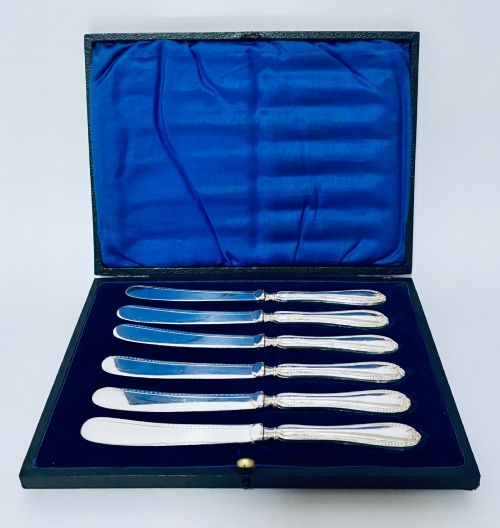
The selections range from single marrow scoops and fish servers to large canteens in fitted cases, representing periods like the Georgian, Victorian, and Edwardian eras.
You are most likely to meet silver-plated and sterling silver sets alongside specialised implements featuring bone, horn, steel, or mother of pearl handles.
How They Were Made
Makers utilised sterling silver and silver plate alongside durable steel for blades, shaping handles from organic materials such as bone, horn, velvet, and oak.
Utensils were produced using traditional techniques including forging, casting, piercing, and mounting, often finished with engraved crests or intricate patterns like Fiddle and Old English.
What Varies in Quality
The calibre of these pieces depends upon the weight of the silver, the crispness of the chased or pierced decoration, and the integrity of any fitted wooden or velvet-lined case.
Workmanship by documented silversmiths and firms elevates a set, as does the completeness of a matched canteen across all service places.
Jonathan Hayne·Charles Reily and George Storer·Benjamin Watts·Thomas Johnson·Walter and John Barnard·Garrard and Co·Tiffany·Christofle
The Antique Dining Flatware Glossary
- Canteen
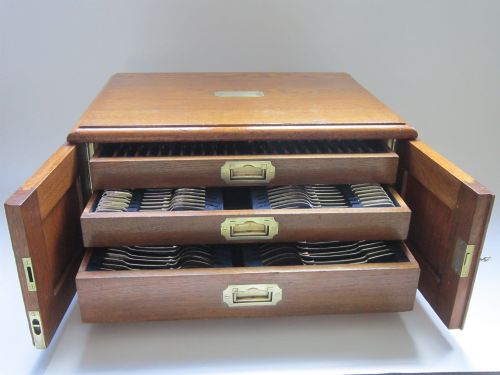
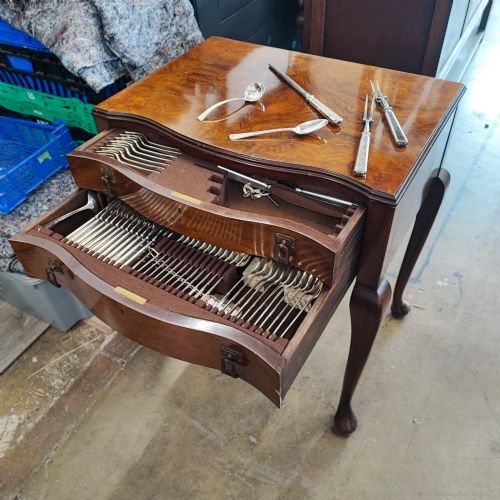
- A fitted box or case designed to hold a complete set of cutlery. These containers often feature multiple tiers or velvet linings to protect the silver.
- Marrow scoop
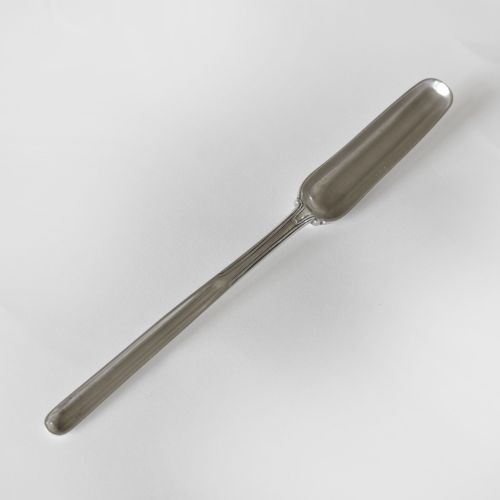
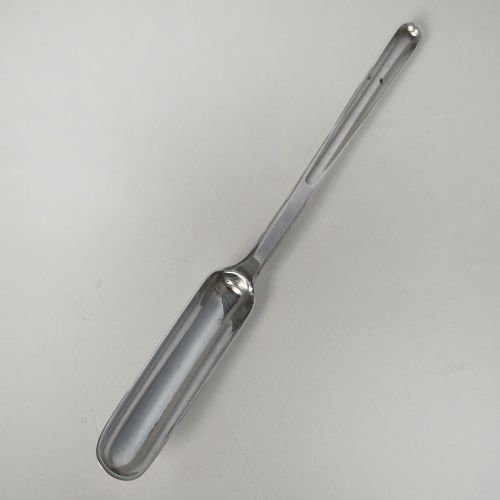
- A narrow, elongated utensil with a small trough at each end, historically used for extracting marrow from bones. Eighteenth and nineteenth-century examples often bear clear hallmarks.
- Fish server
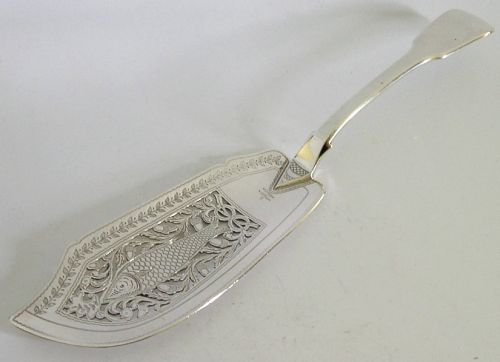
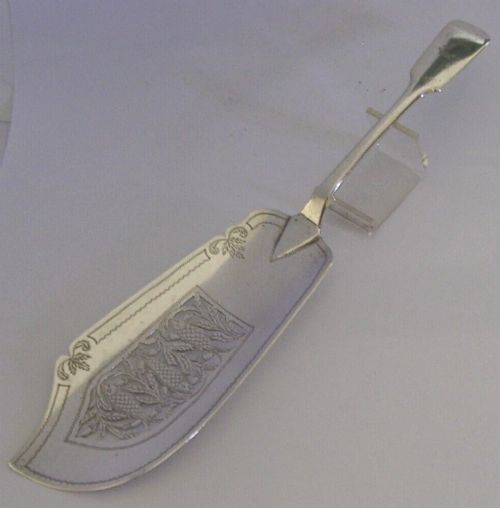
- A specialised flatware pairing consisting of a large slice and a fork, utilised for serving fish courses. They frequently display pierced scrollwork and decorative handles.
- Silver plate
- A base metal, such as copper or nickel brass, coated with a thin layer of silver. This technique allowed makers to produce elaborate canteens at a more accessible cost.
Antique Dining Flatware: Frequently Asked Questions
How do I clean antique silver flatware?
Wash pieces gently in warm soapy water using a soft cloth, then dry them thoroughly with a lint-free towel. Avoid harsh abrasive dips that can strip away fine detail and original patination.
Store your flatware in tarnish-resistant flannel rolls or lined canteens to protect the surfaces from moisture and atmospheric sulfur.
Can I use antique cutlery every day?
Solid silver and sturdy silver-plated pieces handle daily use well, provided you wash them by hand rather than placing them in a dishwasher. Dishwasher heat and harsh detergents damage organic handles like bone, horn, and mother of pearl.
Steel blades require careful drying after each wash to prevent corrosion, especially on nineteenth-century knives.
How do I date antique flatware?
British sterling silver typically bears hallmark stamps indicating the assay office, the maker's mark, and a date letter corresponding to the exact year of manufacture. Examining the style, handle materials, and construction techniques provides additional clues when hallmarks are worn or absent.
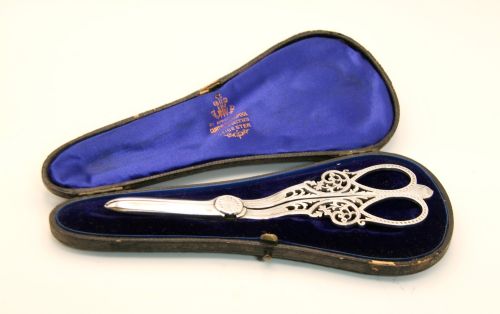
Cased sets often retain interior retailer labels that help narrow down the production period.
What is a canteen of cutlery?
A canteen is a dedicated wooden box, chest, or case fitted with slots and straps to keep a large service of flatware organised and secure. These sets often accommodate twelve or more place settings alongside matching serving utensils.
Complete canteens from the Victorian and Edwardian periods make impressive additions to a dining room.