


Antique Dining Dresser
An antique dining dresser serves as the central anchor of a room, providing sturdy storage and display space for heavy porcelain and silver.
Antique Dining Dresser
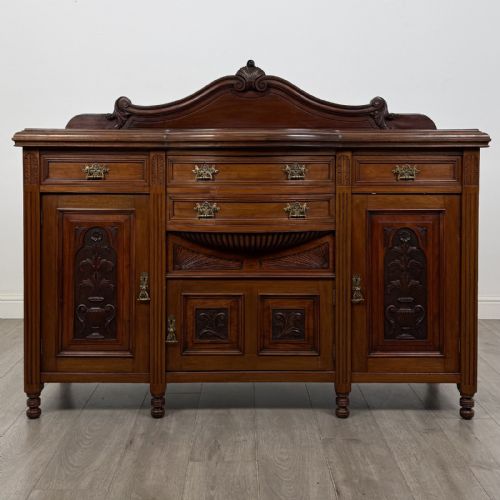
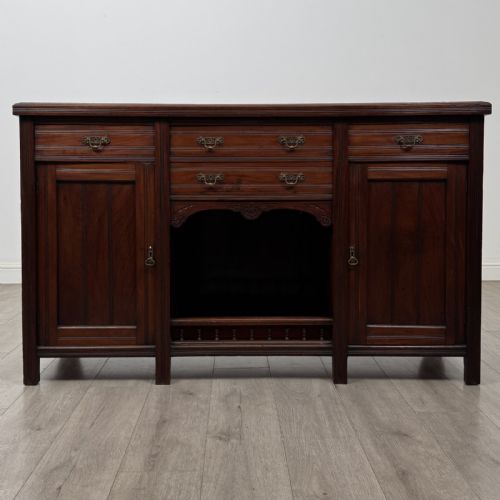
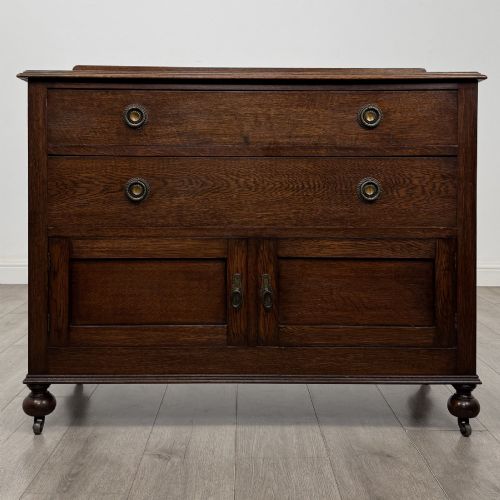
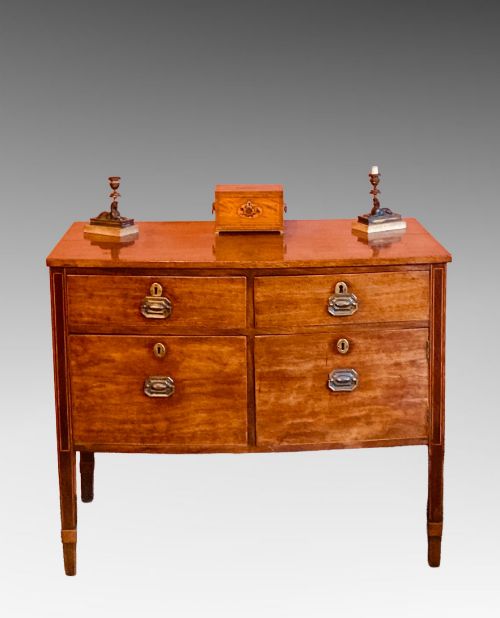
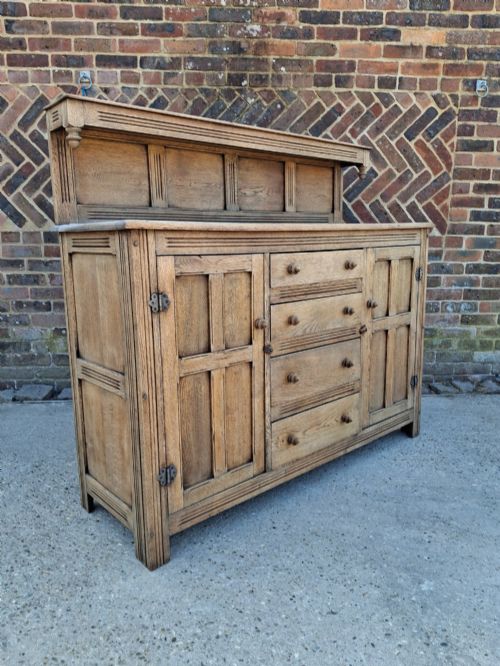
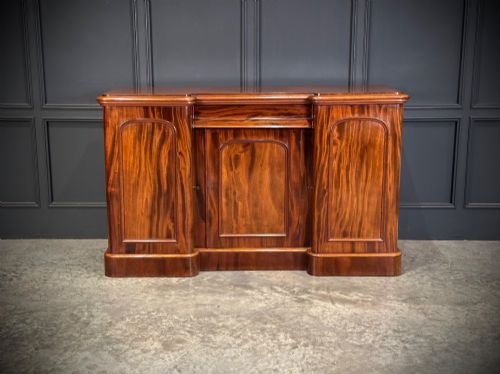
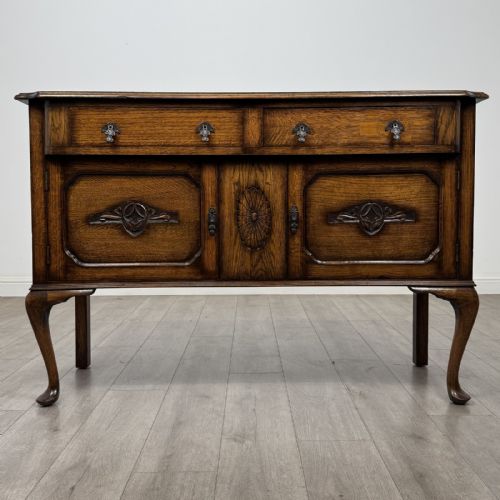
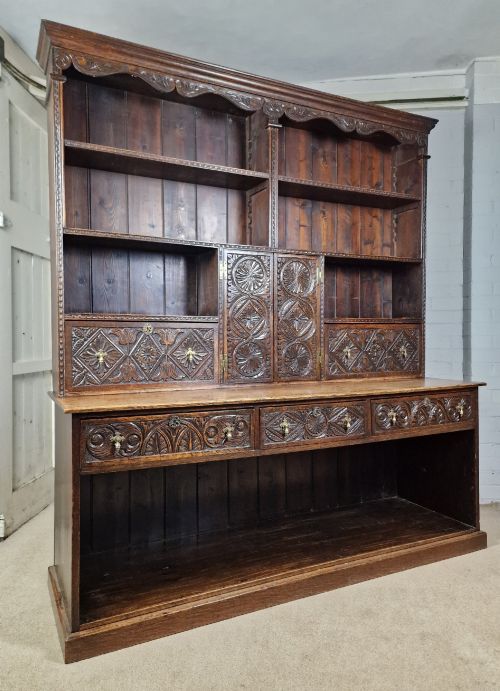
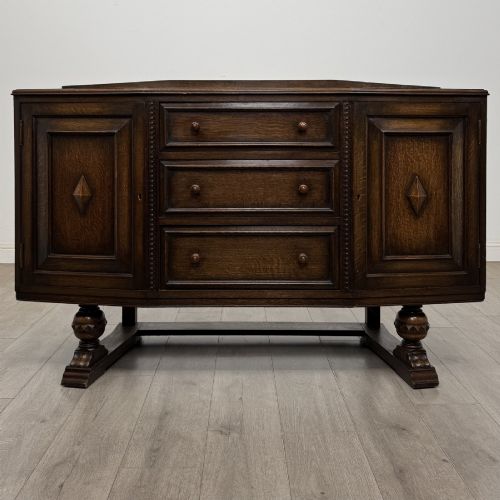
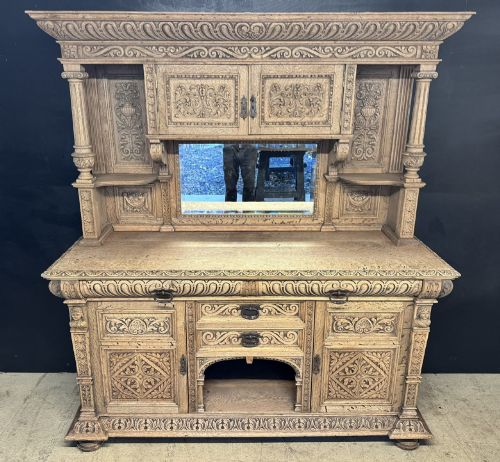
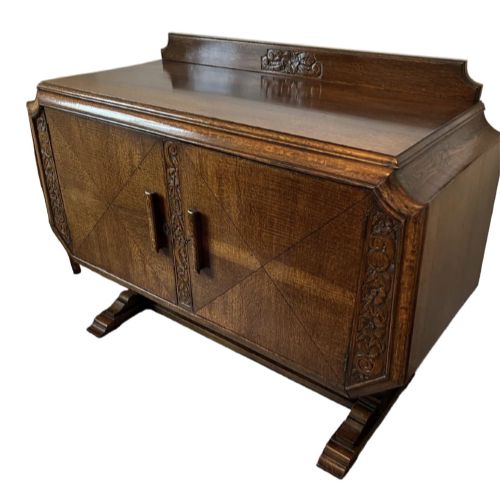
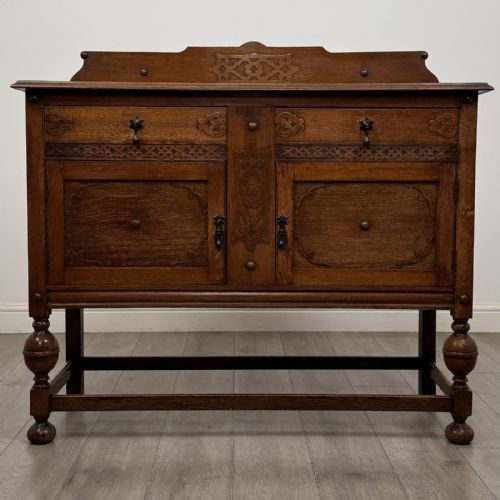
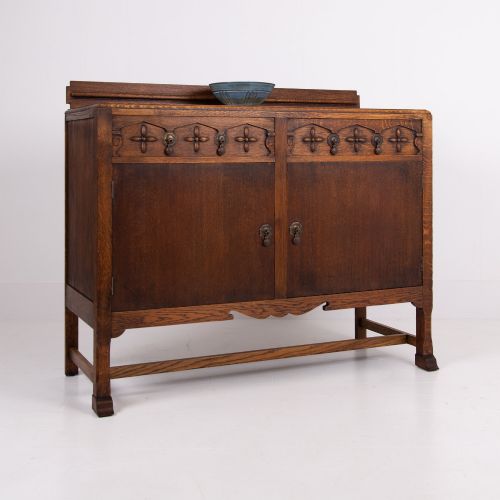
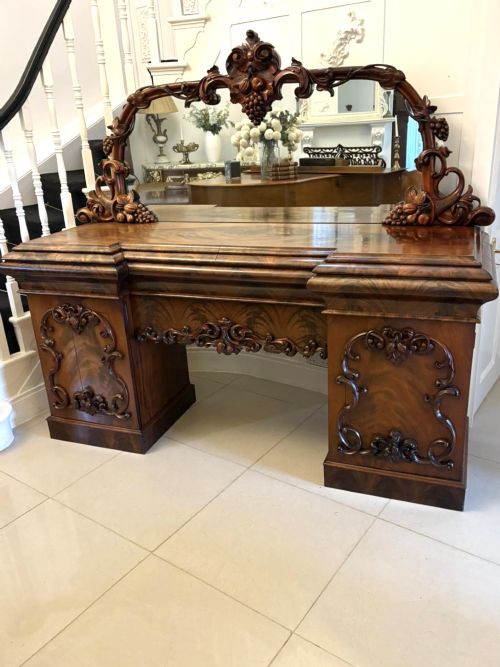
An antique dining dresser brings substantial presence to a dining space, combining utilitarian storage with display surfaces. The pieces meeting this search phrase span centuries of cabinetmaking, ranging from seventeenth-century oak formats to Edwardian and Victorian iterations. Buyers frequently encounter regional variations, such as long Cheshire bases and Welsh configurations featuring breakfront drawers.
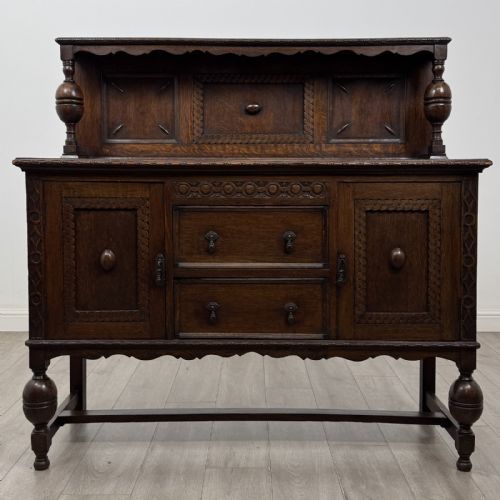
The selection encompasses both open-topped dressers and enclosed dresser bases paired with sideboards and buffets. Oak forms often display heavy carved decoration, stretcher bases, or geometric panels rooted in revival styles. Mahogany and walnut examples lean towards serpentine fronts and inlaid details reflecting Georgian and Regency preferences.
Materials and technique
Cabinetmakers relied heavily upon solid oak and mahogany for structural integrity, supplementing them with burr walnut and pollard oak veneers on feature panels. Brass handles, iron hardware, and mirrored glass elements appeared on later Victorian and Edwardian iterations. Timber selection dictated whether a piece received deep relief carving or clean, curved lines.
Joinery methods involved traditional drawer construction with dovetailed joints and pegged framing on earlier examples. Carved green man motifs, geometric mouldings, and barley twist legs required specialised hand tools and precise spatial planning. Inlaid details utilised contrasting woods embedded flush into mahogany or satinwood surfaces.
Antique Dining Dresser Retail Price Guide 2026
Typical asking prices for dining dresser among the pieces listed under this phrase on Sellingantiques today, from the lower quarter to the upper quarter. They describe what is for sale here now, not the wider market.
Keep an eye out for hidden green man carvings peeking through heavy oak foliage, watching over your dining room.
Craftsmanship and proportion
The distinction between standard utility furniture and superior examples lies in the crispness of the hand carving and the selection of timber grains. Finely figured burr walnut or heavily grained pollard oak elevate a piece above straightforward plank construction. Proportions remain crucial, as well-balanced serpentine fronts and harmonious gallery backs demonstrate superior design intelligence.
Original hardware, including brass face handles and functional locking mechanisms with matching keys, preserves integrity. The treatment of secondary woods inside drawers and the tightness of the joinery reveal the maker's discipline. Surface finishes that retain depth without heavy modern interference separate preserved examples from heavily altered stock.
Heals of London
The Antique Dining Dresser Glossary
- Dresser base
- A low cabinet featuring drawers and cupboards, originally designed for food preparation and serving without the upper plate rack.
- Serpentine
- A furniture front characterised by a gentle curving line, convex in the centre and concave at the sides, common in quality sideboard design.
- Stretcher base
- A system of horizontal wooden bars connecting the lower legs of a table or sideboard to provide lateral stability.
- Pollard oak
- Timber taken from trees that have been pollarded, producing a dense, knotty burr grain prized for decorative veneer panels.
- Breakfront
- A cabinet front where the central section projects forward from the flanking sections to create visual rhythm.
Antique Dining Dresser: Frequently Asked Questions
How do I care for an antique oak dresser?
Maintain stable humidity levels in the room to prevent timber splitting or warping over time. Apply a neutral beeswax polish periodically to nourish the dry wood grain without building up heavy residue.
Avoid placing the piece near direct heat sources or in harsh sunlight which can bleach polished mahogany or walnut surfaces. Clean glass components and mirrors with gentle, non-ammonia solutions to protect surrounding wooden frames.
Where should I place a dining dresser?
Position the piece against a main dining room wall where it can support serving dishes during meals. Ensure adequate clearance around doors and drawers to allow full access in everyday use.
Keep the top surface clear of excessive moisture by using coasters beneath serving items and decorative plants. Allow enough breathing room between the back panels and the wall for air circulation.
How do I distinguish Georgian from Victorian dressers?
Georgian examples prioritize restrained elegance, clean mahogany or oak lines, and subtle inlay work reflecting classical proportions. Carving is typically sparser and structural timbers show tight, straight grain patterns.
Victorian pieces frequently display heavier ornamentation, including deep relief carvings, mirror backs, and darker finishes. Oak and walnut dominate this era, often incorporating revival styles like Jacobean or Arts and Crafts motifs.
Can I use a dresser base as a sideboard?
Dresser bases function effectively as sideboards in modern dining rooms, offering similar storage capacity for cutlery and linens. Their lower profile makes them suitable for displaying decorative objects and serving food.
Verify the height and depth of the piece to ensure it matches your dining seating and room proportions. The internal drawer space accommodates modern flatware and table accessories without difficulty.