

Antique Dining Decor
Antique dining decor brings together items like silver napkin rings, candlesticks and menu holders that give a table its period character.
Antique Dining Decor
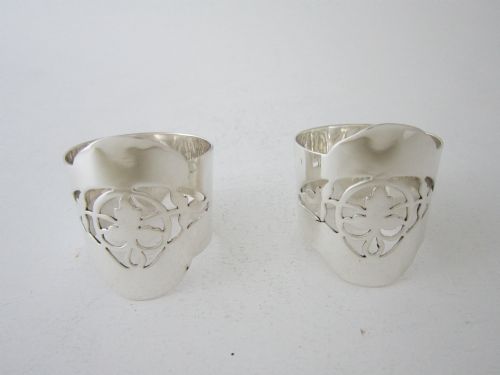
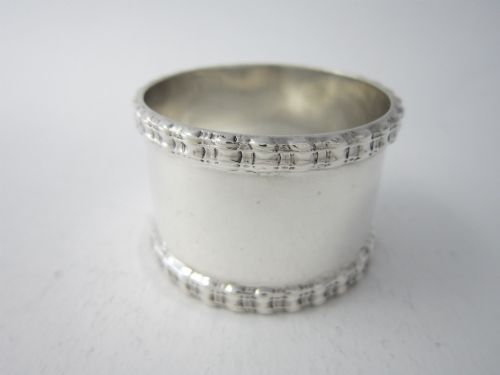
When you search for antique dining decor, you encounter tabletop accessories created for formal meals primarily across the nineteenth and twentieth centuries. The selection centres on items associated with places and lighting, including sterling silver napkin rings, menu holders, place card holders, knife rests and candlesticks.
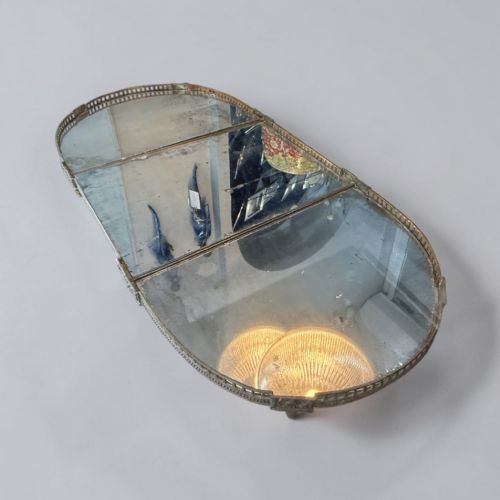
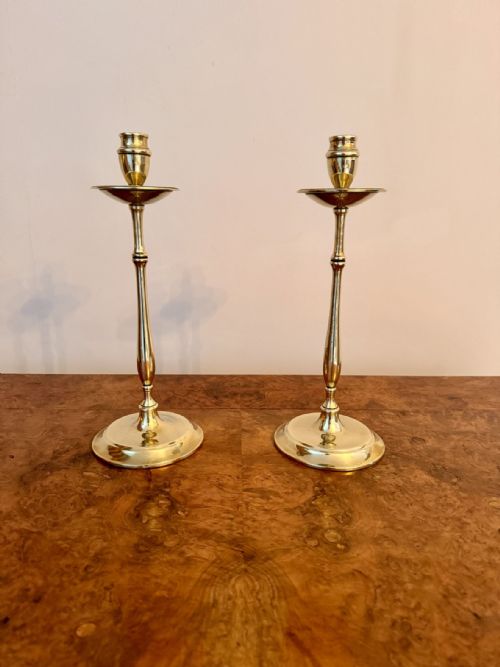
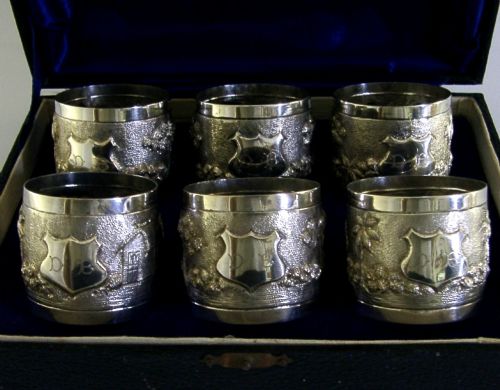
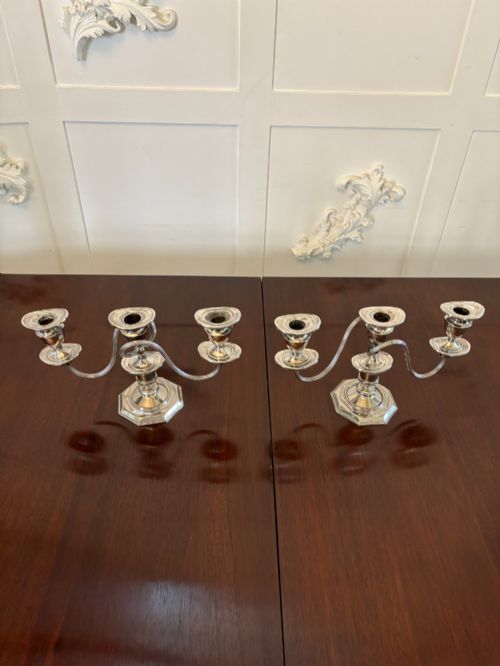
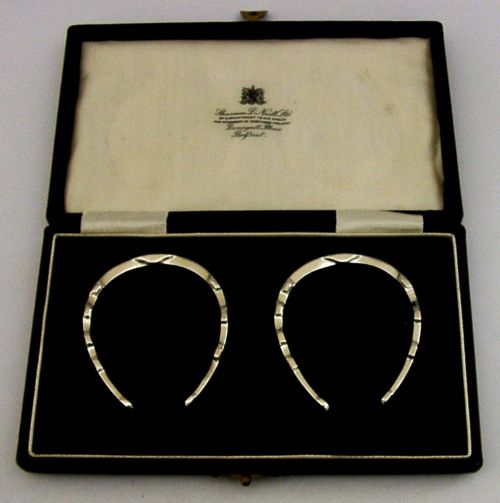
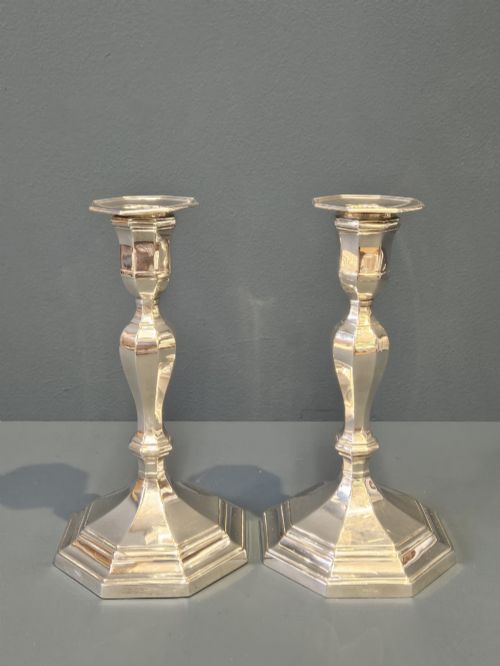
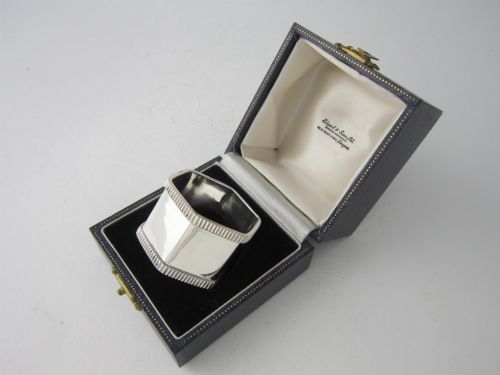
Napkin rings appear frequently, often in cased sets from the Edwardian period or the reigns of George V and George VI. Alongside these sit silver plated and brass candlesticks, candelbras and table centrepieces spanning Victorian, Edwardian and Art Deco tastes.
Materials and construction
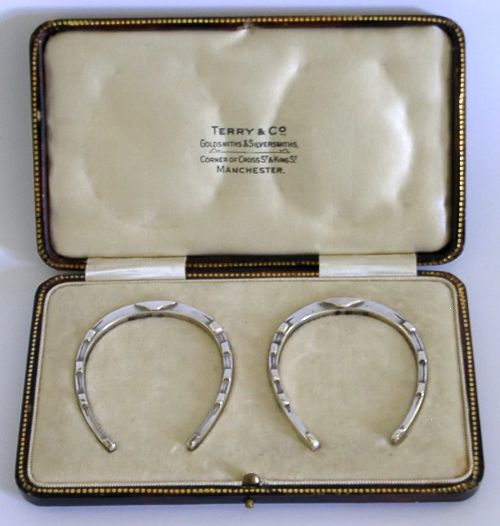
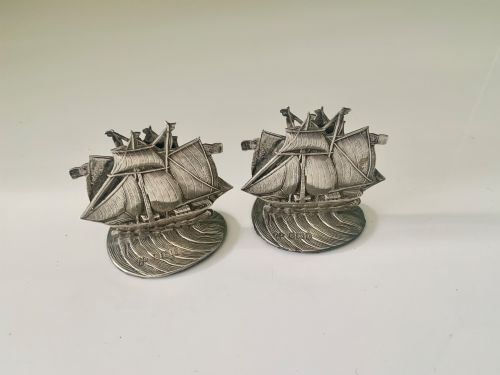
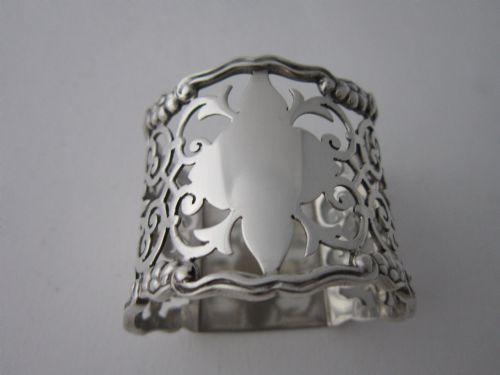
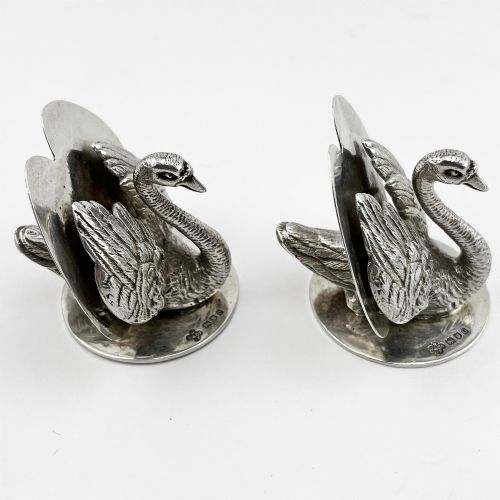
The objects rely heavily on sterling silver, silver plate and brass, often worked into cast or stamped figural forms. Silversmiths utilised traditional techniques such as piercing, embossing and hallmarking to produce napkin rings and menu holders shaped like animals, galleons and horseshoes.
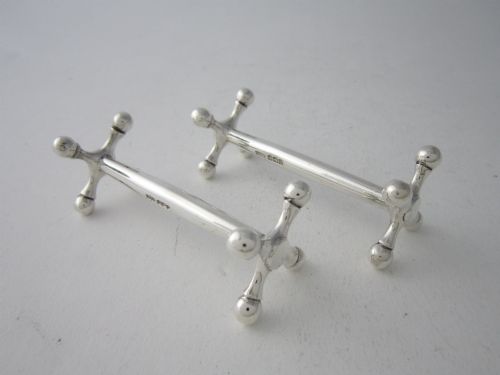
Other pieces incorporate pewter, wood, silk, velvet and leatherette, while older items utilise Old Sheffield Plate or mother-of-pearl mounts. Candlesticks and knife rests combine weighted bases with shaped metal shafts to ensure stability on the dining table.
Antique Dining Decor Retail Price Guide 2026
Typical asking prices for dining decor among the pieces listed under this phrase on Sellingantiques today, from the lower quarter to the upper quarter. They describe what is for sale here now, not the wider market.
The listings span periods from the Georgian era through Victorian, Edwardian, and the 1930s, using materials like sterling silver, brass, and velvet.
Judging quality in table accessories
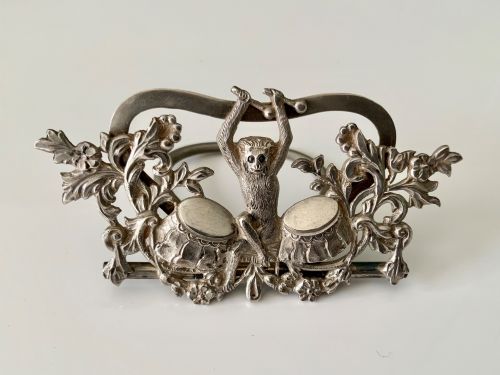
Quality rests on the crispness of the casting and the weight of the metal utilised in each piece. Heavier gauge sterling silver napkin rings and substantial candlesticks maintain their structural integrity and display sharper detail in figural elements like foxes, swans or monkey drummers.
Maker marks, clear hallmarks and original fitted presentation cases elevate the standing of a set. Finer examples show careful attention to finishing in the joints, hinges and engraved monograms rather than purely mass-produced stamping.
Mappin & Webb·Thomas Bradbury & Sons Ltd·William Grundy
The Antique Dining Decor Glossary
- Napkin ring
- A small band used to identify individual table napkins between meals. These often feature chased decoration or matched sets within fitted cases.
- Menu holder
- A small desk-like stand or figural mount designed to display the menu card upright on the table. They frequently take decorative animal or transport shapes.
- Knife rest
- A low support placed beside the plate to keep carving or dining knives elevated above the tablecloth. Materials range from silver plated bull heads to mother-of-pearl mounts.
- Old Sheffield Plate
- A composite material formed by fusing a sheet of silver to a thicker copper base. This technique predates modern electroplating and appears on Georgian pieces.
- Sterling silver
- An alloy consisting of silver and other metals, traditionally copper, meeting a specific purity standard of fineness. British pieces carry standard assay office hallmarks.
Antique Dining Decor: Frequently Asked Questions
How are antique napkin rings usually sold?
They often appear in matched sets of four or six, complete with their original velvet or silk-lined presentation cases.
Individual rings also turn up, though cased sets remain particularly sought after by collectors.
How do I care for silver dining items?
Gentle cleaning with a specialist silver cloth removes tarnish without wearing down the underlying metal or delicate hallmarks.
Storing pieces away from direct light and moisture helps preserve the finish.
Are knife rests still practical today?
They serve the same purpose now as in the past by keeping used cutlery off the tablecloth between courses.
Their compact size makes them easy to incorporate into modern table settings.