
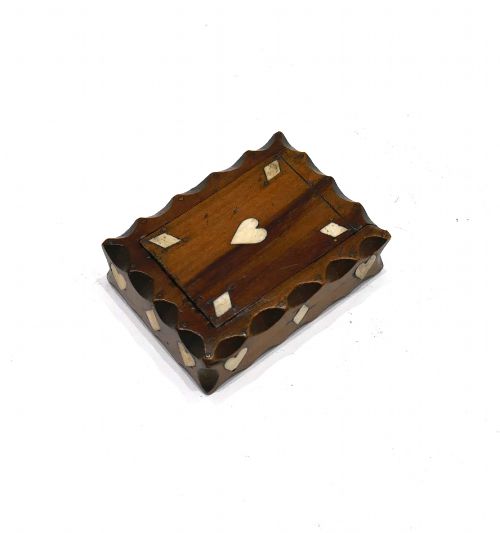


Antique Diamond Heart
When you handle an antique diamond heart, you hold a tangible piece of sentiment crafted across the Victorian, Edwardian, and Art Deco eras.
Antique Diamond Heart
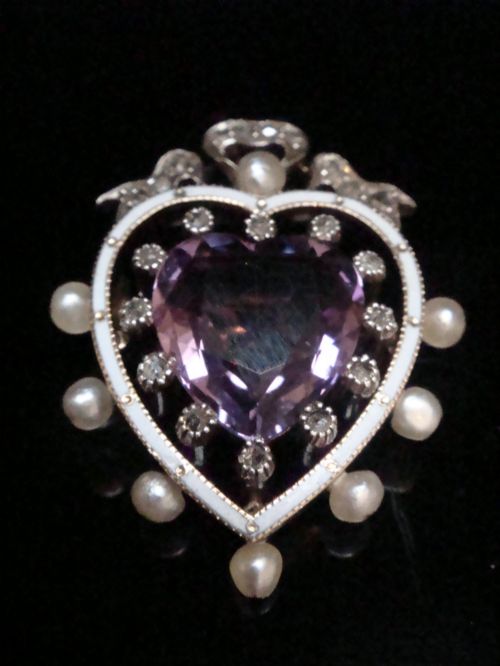
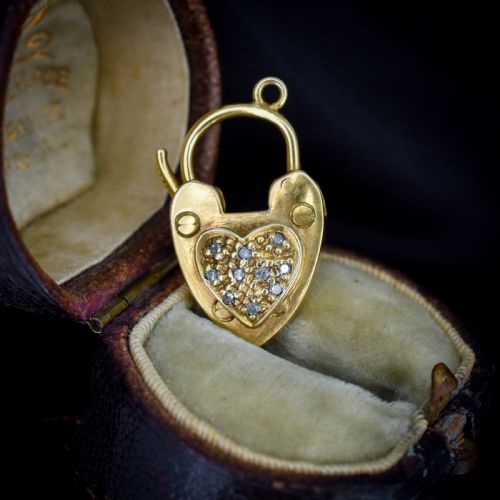
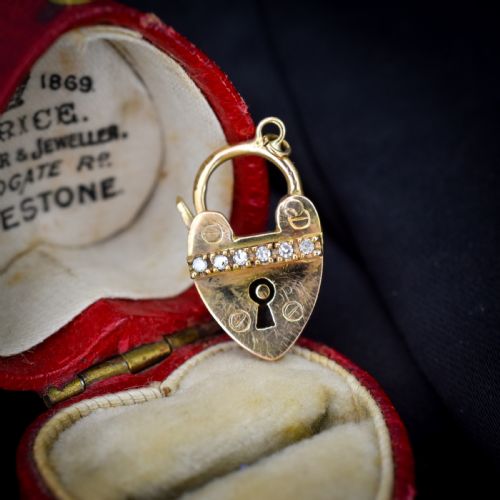
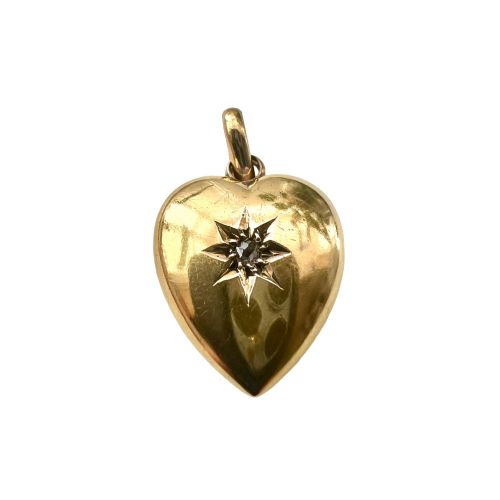
An antique diamond heart encompasses a variety of sentimental jewellery and decorative items, most frequently appearing as pendants, lockets, and brooches from the Victorian and Edwardian periods.
Buyers looking for this phrase encounter intricate gold and silver pieces set with small rose-cut or old-cut diamonds, often combined with pearls, rubies, or enamel.
Beyond jewellery, the category includes treen snuff boxes and knitting sheaths carved from fruitwood or mahogany, decorated with inlaid bone or pewter hearts and diamond shapes.
How They Were Made
Maker's workshops utilised metals ranging from 9ct, 15ct, and 18ct yellow and rose gold to platinum and silver-topped gold, accommodating the shifting preferences of the nineteenth and twentieth centuries.
Gems were set by hand, employing old-cut and rose-cut diamonds alongside natural pearls, turquoise, rubies, and opals, often accented with guilloche or plique-a-jour enamel.
For wooden items such as snuff boxes and knitting sheaths, artisans inlaid bone and metal details into fruitwood, mahogany, and treen bases.
Listings feature precious metals from 9ct to 18ct gold, platinum, and silver, alongside organic materials like fruitwood, bone, and pearl.
What Varies in Quality
The distinction between tiers rests upon the harmony of the design and the precision of the gemstone setting, whether in a high-carat gold pendant or an inlaid treen box.
Finer examples display superior stone selection, such as matched old-cut diamonds and genuine natural pearls, alongside meticulous enamel work like guilloche or translucent plique-a-jour.
Structural integrity and the retention of original components, from secure hinges on lockets to intact bone inlay on wooden love tokens, separate standard pieces from exceptional survivals.
The Antique Diamond Heart Glossary
- Guilloche enamel
- A decorative technique where a geometric pattern is engraved beneath a translucent layer of coloured enamel, frequently seen on Edwardian pendants.
- Old-cut diamond
- A hand-faceted diamond style preceding modern brilliant cuts, characterised by a smaller table, higher crown, and open culet.
- Treen
- Small handmade wooden household objects and utilitarian items, represented here by inlaid snuff boxes and knitting sheaths.
- Rose-cut diamond
- A vintage stone cut featuring a flat base and a domed crown of triangular facets resembling an unopened rosebud.
Antique Diamond Heart: Frequently Asked Questions
What periods do these pieces come from?
The selection spans several distinct eras, with a strong representation of Victorian and Edwardian craftsmanship. You will also find items originating from the Art Deco period, alongside occasional mid-century pieces and nineteenth-century treen.
Dates often stretch from the late 1800s through the early decades of the twentieth century. Each period brings its own characteristic metal alloys and gemstone arrangements to the heart motif.
How were antique heart lockets used?
Heart lockets served primarily as intimate sentimental tokens designed to hold small photographs, locks of hair, or miniature painted portraits. People wore them suspended from chains as pendants or attached to charm bracelets.
These pieces functioned as personal testaments of affection and remembrance. Their dual nature as decorative jewellery and secret memory containers made them cherished personal possessions.
What materials are commonly found?
Gold appears frequently in various purities, including 9ct, 15ct, and 18ct yellow and rose variations, alongside platinum and silver. Gems such as diamonds, rubies, pearls, turquoises, and opals frequently accent the precious metal structures.
Non-jewellery items utilise organic materials like fruitwood, mahogany, bone, and pewter. Enamel work also appears on metal pieces to add colour and texture to the design.
How can I tell a Victorian heart from an Edwardian one?
Victorian pieces often utilise 15ct gold, heavy sentimentality, and rose-cut diamonds, sometimes incorporating rich coloured stones like tourmalines, garnets, or amethysts. They tend to have a warmer, heavier presence.
Edwardian items frequently shift towards lighter 18ct gold, platinum settings, and delicate lace-like arrangements of old-cut diamonds with natural pearls or enamel. The aesthetic leans toward ethereal lightness and intricate filigree work.