
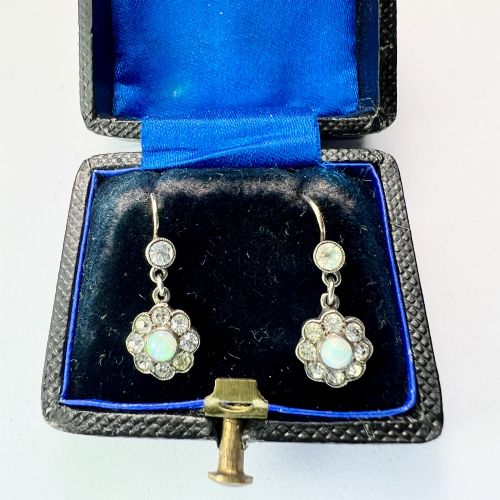


Antique Diamond Cluster Drops
Antique diamond cluster drops are brilliant cluster pendants and earrings featuring central stones surrounded by smaller gems, prized for their exceptional scintillation and period craftsmanship.
Antique Diamond Cluster Drops
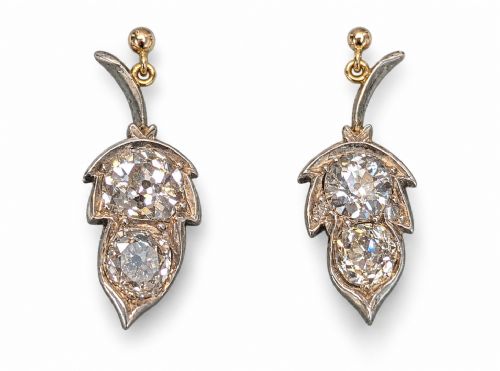
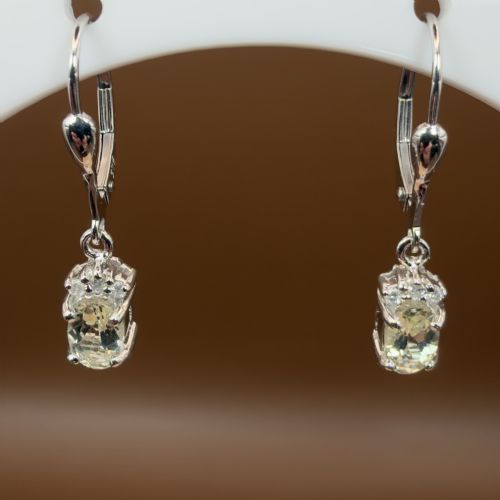
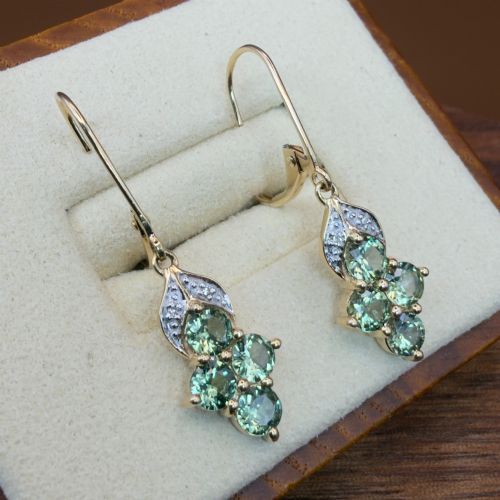
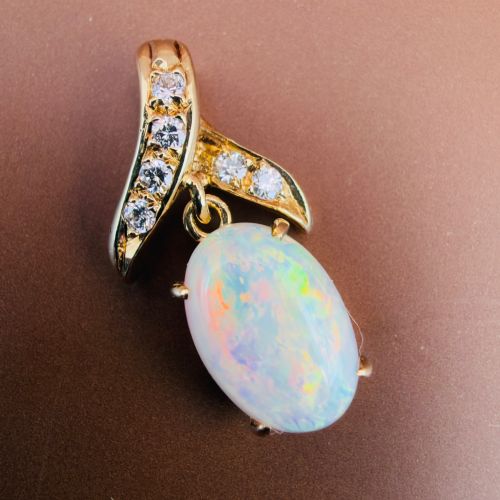
When you search for antique diamond cluster drops, you encounter a selection spanning the Victorian, Edwardian, Art Deco and mid-century periods. These jewels take the form of dangling earrings, delicate pendants and necklaces featuring central gemstone clusters.
Earrings dominate the selection, often arranged as cascading configurations or articulated drops designed to catch the light with movement. Pendants present similar floral or geometric cluster motifs suspended from fine metal chains.
Originating across diverse decades from the late nineteenth century through to the mid-twentieth century, these pieces combine multiple stones into cohesive arrangements. The clusters utilise central diamonds, pearls, opals, aquamarines, emeralds and sapphires framed by glittering borders.
Materials and construction methods
Craftsmen built these pieces using combinations of platinum, silver and varied carats of gold, including white, yellow, rose and 18ct varieties. Platinum and silver frequently appear in top settings to accentuate the brilliance of white diamonds.
Cut styles reflect the technological transitions of each era, displaying old cut, old European cut and rose cut diamonds alongside brilliant facets. Goldsmiths incorporated pearls, enamel, tourmalines and paste stones within hinged drop mounts and secure claw settings.
Some delicate drop earrings were built as dormeuses, engineered so the wearer could sleep comfortably without removing the sparkle.
Understanding quality differences
The standard of an antique diamond cluster drop rests upon the harmony of the central cluster and the precision of the metalwork. Master jewellers balanced stone proportions carefully, ensuring uniform colour and matching clarity across the surrounding gems.
Artisanal skill shows in the articulation of drop mounts and the delicacy of piercing in platinum or gold settings. Pieces exhibiting original clasps, hooks and well-preserved structural integrity command higher regard among collectors.
Knoll And Pregizer
The Antique Diamond Cluster Drops Glossary
- Cluster drop
- An earring or pendant featuring a primary gemstone cluster suspended beneath a hook, post or secondary stone to create movement. This configuration ensures the lower cluster catches the light from multiple angles.
- Old cut diamond
- A hand-faceted diamond typical of Victorian and Edwardian jewellery, featuring a smaller table and higher crown. These stones produce a distinctive softer scintillation under candlelight.
- Rose cut diamond
- A stone style featuring a flat base and a domed crown with triangular facets arranged in symmetry. This historic cut imparts a subtle, glassy transparency rather than modern brilliant fire.
- Dormeuses
- Traditional sleeping earrings designed with secure fastenings so the wearer could keep them on overnight. They frequently incorporate diamond clusters and hinged drop sections.
- Art Deco
- A design period spanning the 1920s and 1930s characterised by geometric symmetry and platinum settings. Pieces from this era often pair diamonds with emeralds, sapphires or aquamarines.
Antique Diamond Cluster Drops: Frequently Asked Questions
What periods do these pieces come from?
The listings span several eras, predominantly featuring Victorian, Edwardian and Art Deco designs from the late nineteenth century into the 1930s. Mid-century and later vintage examples from the 1950s and 1960s also appear.
Each period brings distinct mounting styles and cutting techniques, allowing collectors to trace the evolution of cluster drop jewellery over more than a century.
How do I wear drop earrings safely?
Most antique drop earrings utilise standard posts, hook wires or specialised lever-back mechanisms suited for pierced ears. Inspect the fastenings carefully before wearing to ensure they secure the drop weight properly.
Storing them in dedicated boxes prevents the articulated cluster drops from tangling with other items in your collection.
Are pearls natural in these items?
Certain Victorian and Edwardian pieces incorporate natural pearls alongside diamond clusters, adding a soft lustre that contrasts with faceted stones. South Sea pearls also appear in later mid-century iterations.
Gemmological examination helps distinguish natural pearls from cultured varieties found in subsequent decades.
What metals were used for settings?
Platinum and silver dominate the manufacturing of white metal settings, particularly during the Edwardian and Art Deco phases. Yellow, white and rose gold in 9ct, 14ct and 18ct standards are equally common.
Jewellers frequently combined platinum-topped gold to provide durable strength while maintaining a bright white appearance around the diamonds.