


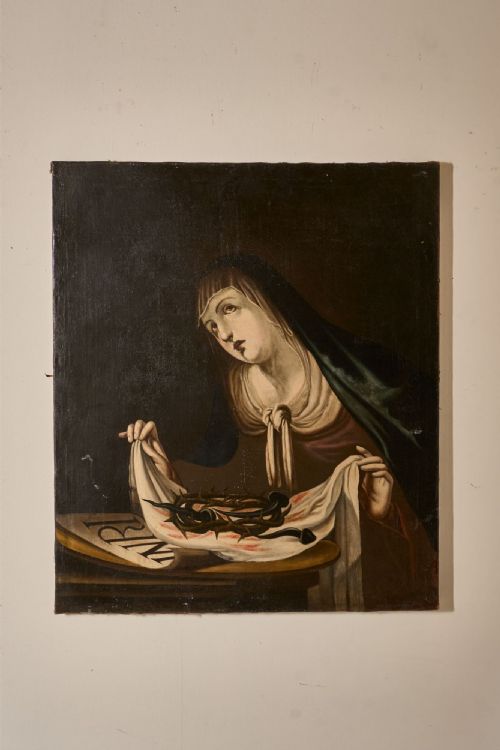


Antique Devotional Oil Painting
These antique devotional oil painting works bring centuries of sacred focus into your space with historic piety.
What they are
An antique devotional oil painting serves as a visual focus for prayer, meditation, and domestic worship. When you search for this phrase, you find works that span from the sixteenth to the eighteenth century, capturing centuries of religious tradition.
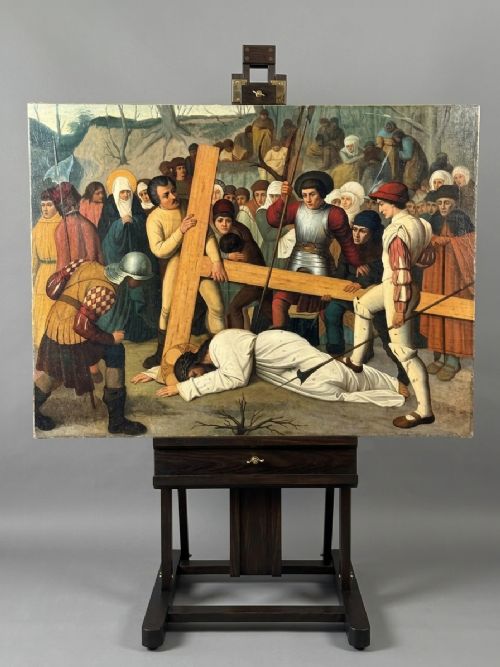
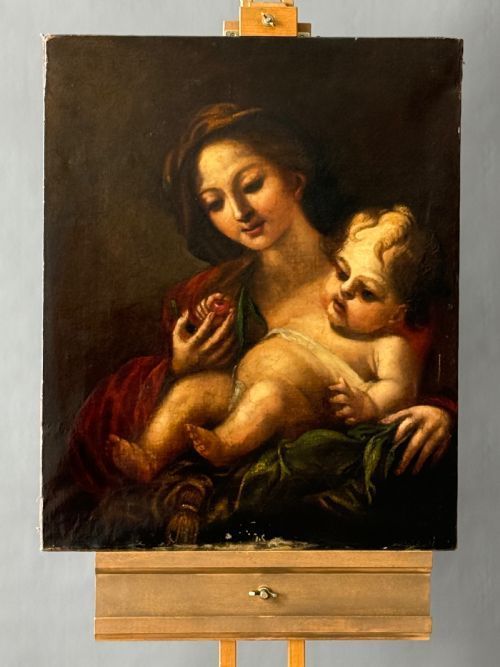
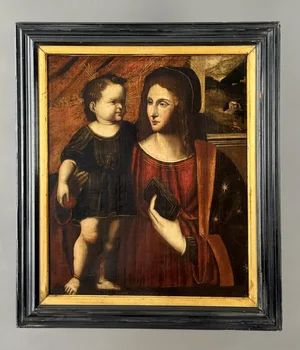
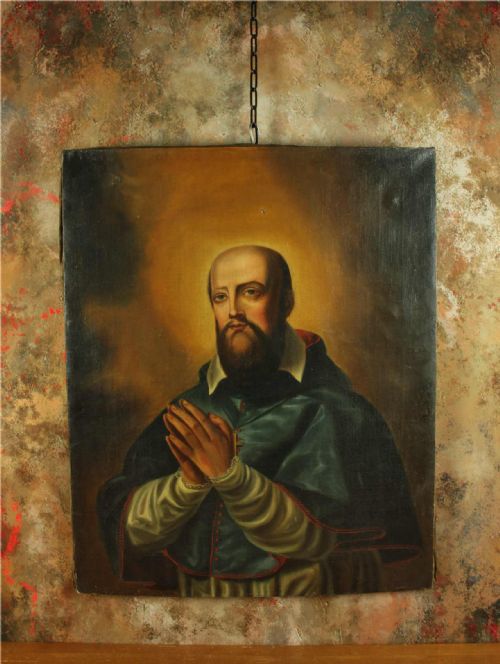
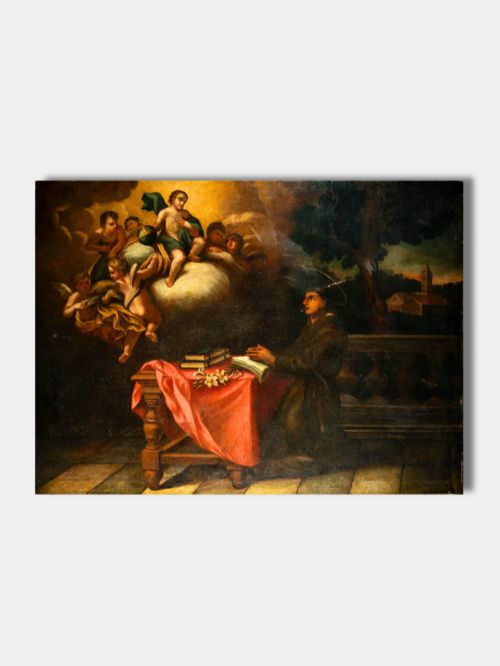
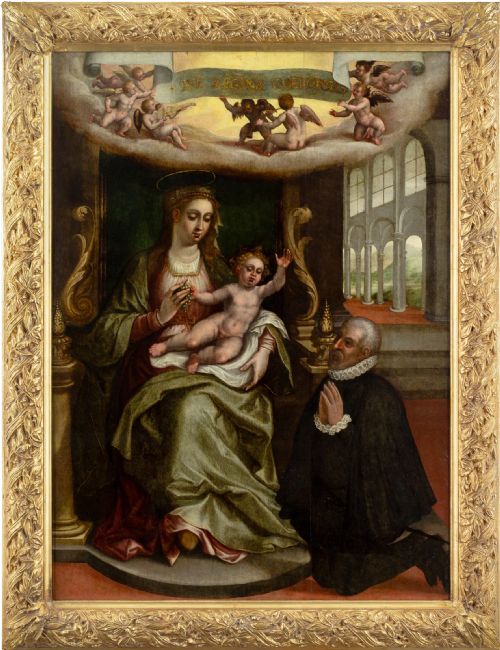
The selections on this page feature Spanish Baroque and continental religious art, ranging from portraits of saints to depictions of the Madonna and child. These paintings emerge from distinct historical periods, including sixteenth-century works and mid-eighteenth-century canvases.
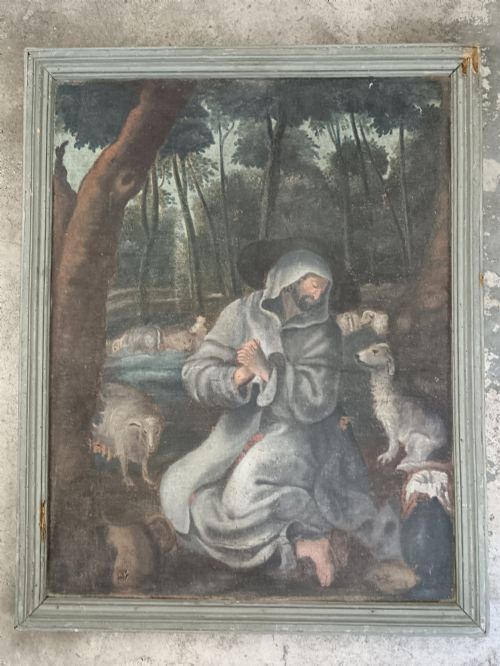
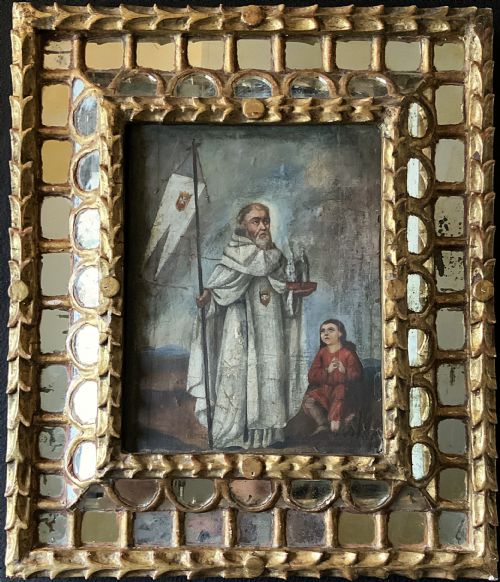
Subjects include the Divine Shepherdess, St. John the Baptist with lambs, and other sacred portraits. Each piece reflects the spiritual devotion and artistic conventions of its particular era.
How they were made
These works utilise oil paint applied to canvas and wood supports. The physical construction relies on traditional methods of stretching canvas or preparing wooden panels to receive pigment.
Many examples are housed within gilded wood and giltwood frames that complement the religious subject matter. The application of gilt highlights the sacred nature of the imagery through luminous framing.
Retail Price Guide 2026
Typical UK retail prices for devotional oil painting, calculated from the Sellingantiques database of over a million retail prices indexed since 2003. This retail price guide relies exclusively on Sellingantiques data; no external sources or auction records are used, so the figures do not describe the wider market.
Several paintings include faithful lambs and divine shepherdesses, reminding viewers that pastoral symbolism was serious business in the eighteenth century.
What varies in quality
The refinement of brushwork and the sophistication of composition separate studio pieces from broader continental output. Handling of light, shadow, and anatomical detail distinguishes masterworks from standard religious portraits.
The preservation of the original oil paint layer and the integrity of the wooden or canvas support dictate the physical condition. Original gilded frames also contribute to the overall historical coherence of the piece.
The Antique Devotional Oil Painting Glossary
- Baroque
- A style of European art spanning the seventeenth and mid-eighteenth centuries, characterised by dynamic movement and deep chiaroscuro. This aesthetic heightens the emotional intensity of religious subjects.
- Giltwood
- Wood carved and covered with a thin layer of gold leaf or gilt. This material frames sacred paintings to enhance their visual splendour.
- Oil on Canvas
- A painting medium where pigments are bound with drying oils and applied to stretched woven fabric. This technique allows for rich colour blending and durability.
- Old Master
- A term for a European painter of skill who worked before about eighteen hundred. These artists established the foundational traditions visible in religious art.
Frequently Asked Questions
What is an antique devotional oil painting?
These works are sacred artworks created to inspire prayer and religious contemplation in homes or chapels. They depict saints, the Madonna, and biblical scenes using traditional oil techniques.
Created during periods such as the sixteenth and eighteenth centuries, they reflect the deep piety and artistic styles of European religious history.
Where were these paintings displayed?
Historical devotional paintings hung in private domestic shrines, chapels, and monastic spaces where individuals offered daily prayers. Their intimate scale often suited personal contemplation rather than vast church walls.
Today, they function as both historical artefacts and focal points within modern domestic interiors.
How do I live with one?
Place your painting away from direct sunlight and excessive humidity to protect the delicate oil pigments and wooden supports. Allowing adequate wall space lets the sacred imagery command the room properly.
Pair the work with neutral backgrounds that highlight the warm tones of the canvas and the accompanying giltwood frame.
How do I tell periods apart?
Sixteenth-century works often display the flatter perspectives and distinct iconographic conventions of earlier religious painting. Eighteenth-century pieces, particularly those influenced by Baroque styles, utilise dramatic light and movement.
Examining the canvas preparation, framing style, and brushwork technique helps establish the approximate era of creation.