



Antique Dessert Set
An antique dessert set brings together period porcelain plates, silver cutlery and glass bowls for the final course of a formal meal.
Antique Dessert Set
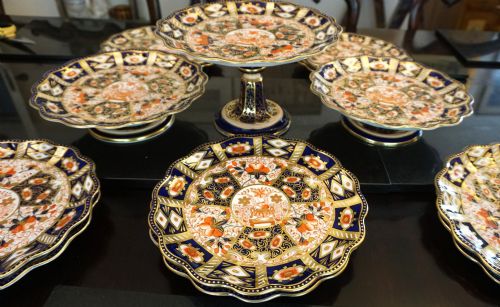
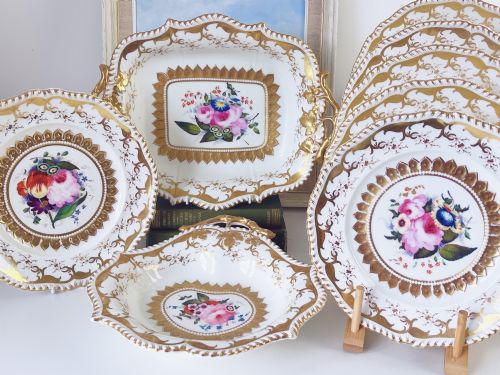
An antique dessert set comprises matched or paired components designed specifically for serving fruit, sweets and post-dinner courses. You will frequently encounter nineteenth-century porcelain services alongside cased silver cutlery combinations from the Victorian and Edwardian periods.
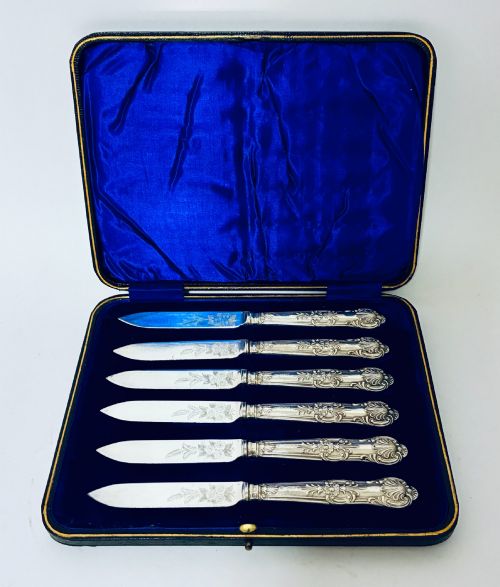
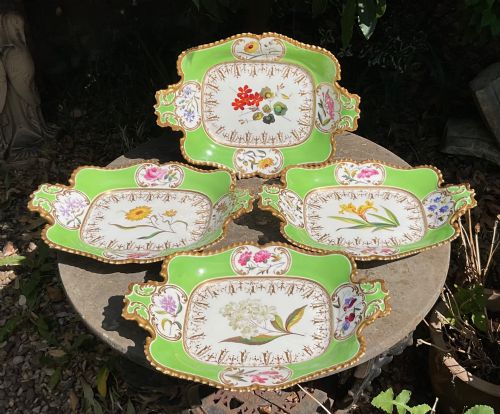
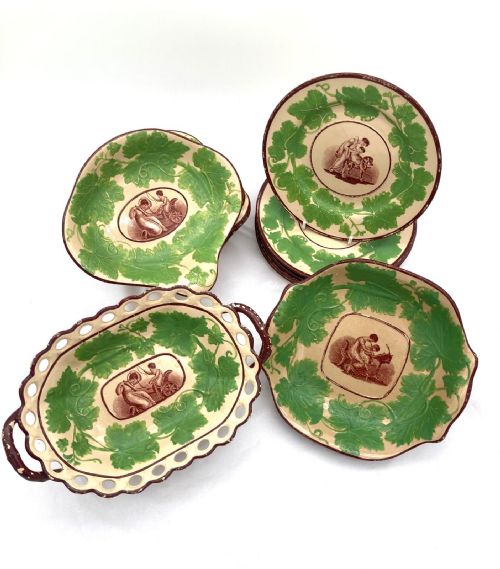
The configurations range from multi-piece porcelain dessert services featuring comports and plates to smaller silver-handled fruit knives, forks and specialised serving spoons. Makers such as Grainger Lee and Co, Wedgwood, and Royal Crown Derby produced comprehensive services intended for display on the dining table.
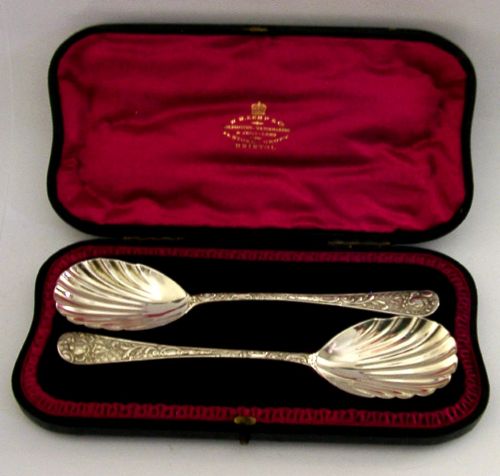
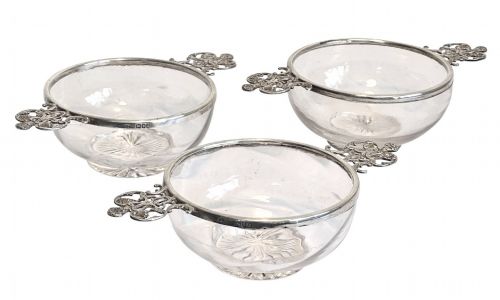
Many survivors combine materials, pairing porcelain plates with silver-plated strawberry sets or incorporating glass bowls mounted in silver. These groupings reflect the formal dining habits of the eighteenth, nineteenth and early twentieth centuries.
Materials and construction
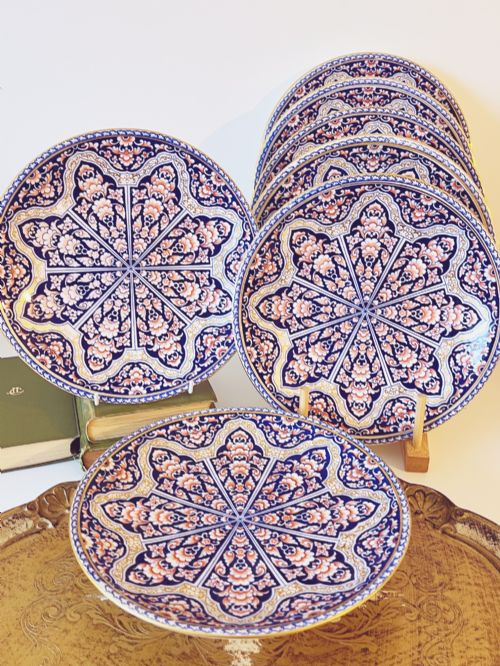
Porcelain sets rely on soft-paste or hard-paste ceramic bodies finished with hand-painted floral motifs, botanical studies or transfer printing. Factories utilised detailed enamel work and gilding to embellish plates and comports before final firing.
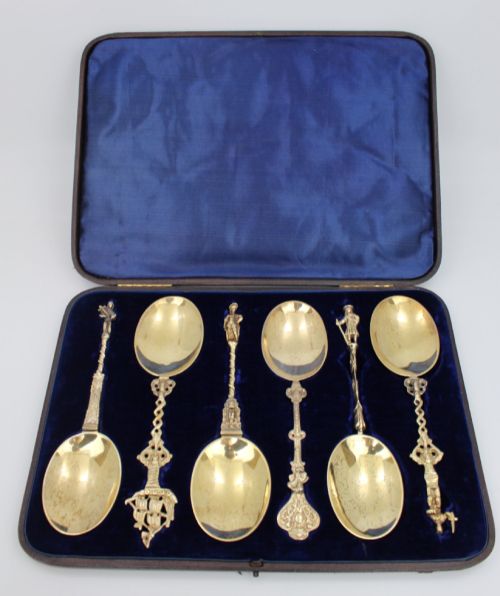
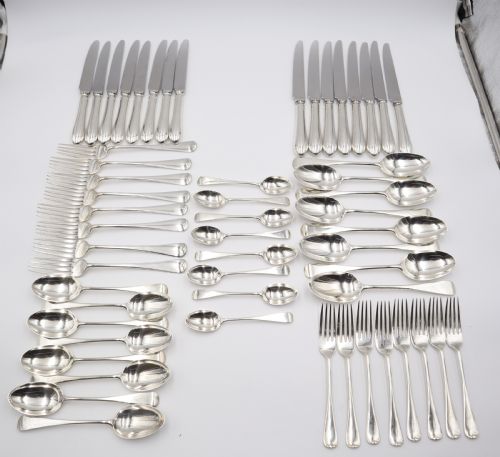
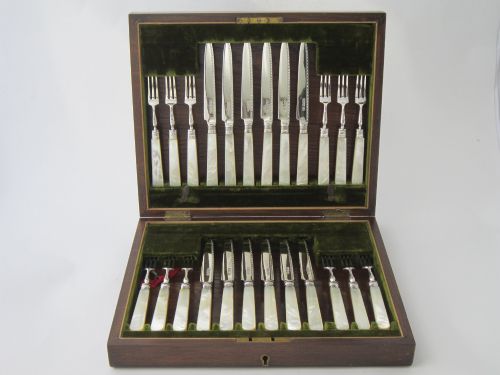
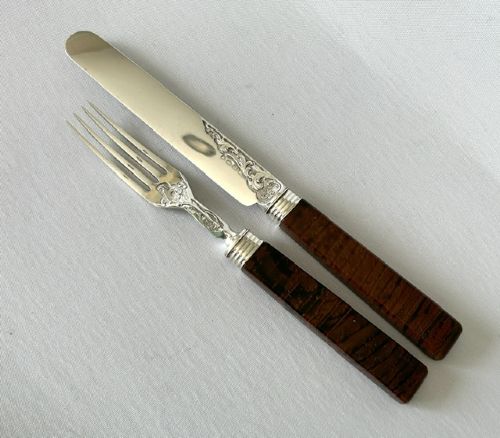
Cutlery components combine sterling silver, silver gilt or silver plate with handles formed from mother-of-pearl, agate or carved bone. Goldsmiths and silversmiths employed engraving and casting techniques to decorate the collars, blades and tines of specialised fruit knives and serving spoons.
Antique Dessert Set Retail Price Guide 2026
Typical asking prices for dessert set among the pieces listed under this phrase on Sellingantiques today, from the lower quarter to the upper quarter. They describe what is for sale here now, not the wider market.
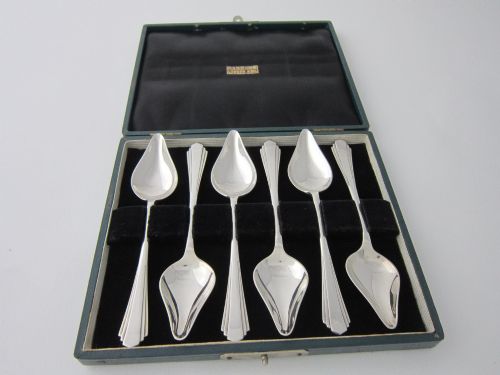
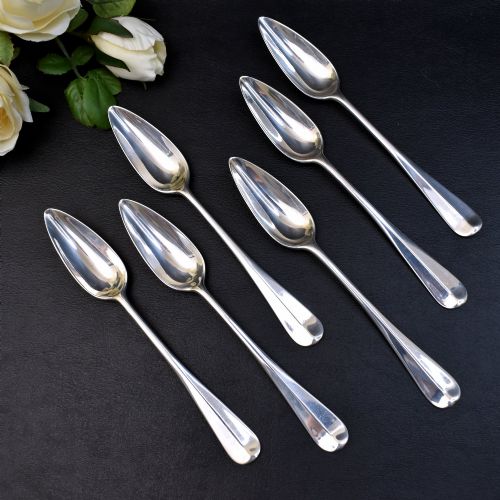
Object types include fruit knives, cake forks, grapefruit spoons, custard cups and comprehensive dessert services with matched comports.
Distinctions in manufacture
Quality rests in the crispness of porcelain painting and the precision of silver chasing. Hand-painted botanical studies and finely engraved handles separate master factory output from simpler production pieces.
The integrity of the original presentation matters considerably when assessing these items. Complete sets retained in fitted velvet-lined boxes demonstrate superior preservation compared to assembled groupings.
Deakin and Francis·Grainger Lee and Co·Wedgwood·Royal Crown Derby·Chamberlains Worcester·William Comyns·Daniel Arter·Walker and Hall·Doulton Burslem·John Ridgway·Spode·E Coker·Georg Jensen·Carrington
The Antique Dessert Set Glossary
- Comport
- A raised dish or bowl used for serving fruit as the centrepiece of a dessert service.
- Berry Spoon
- A large serving spoon with an embossed and engraved bowl, often adapted or created during the Victorian period for serving soft fruit.
- Soft Paste Porcelain
- An early ceramic composition fired at lower temperatures, producing a warm body visible in eighteenth-century plates.
- Silver Gilt
- Sterling silver that has been coated with a thin layer of gold, frequently found on the interior of sugar bowls and dessert spoons.
- Ozier Border
- A moulded wicker-pattern relief commonly found on the edges of eighteenth-century porcelain plates.
Antique Dessert Set: Frequently Asked Questions
What was a dessert set used for?
These sets were brought out at the conclusion of a formal dinner for the final course consisting of fruit, nuts, cheeses and small sweets.
They provided specialised utensils and decorative porcelain plates that were distinct from the main dinner service.
How do I care for antique porcelain?
Wash porcelain pieces gently by hand using warm water and a mild detergent, avoiding modern dishwashers entirely.
Store plates with felt dividers between them to protect hand-painted enamel and gilt borders from scratching.
Can I use silver cutlery daily?
Sterling silver and silver-plated fruit knives can be used for dining provided they are washed by hand immediately after use.
Avoid leaving silver in contact with acidic foods like citrus for extended periods to protect the metal finish.
How do I date a silver dessert set?
British silver items carry hallmarks that include assay office marks, date letters and maker's marks stamped directly into the metal.
Comparing these assay marks against standard reference tables provides the exact year of manufacture.