




Antique Desktop Writing Accessories
These antique desktop writing accessories are the functional inkwells, stands, and boxes that keep a desk in order.
Antique Desktop Writing Accessories
These antique desktop writing accessories encompass the practical containers and implements used for correspondence and document management in past centuries. Buyers look for items that bring both utility and period character to a modern desk or study.
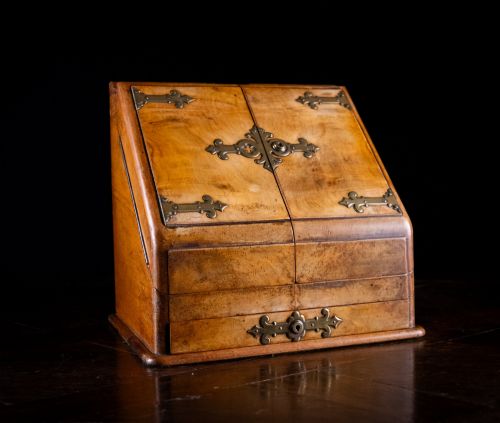
Stationery boxes and desk sets form the backbone of the selection, alongside numerous variations of inkwells and inkstands. The pieces bridge the gap between necessary office tools and decorative desk furniture.
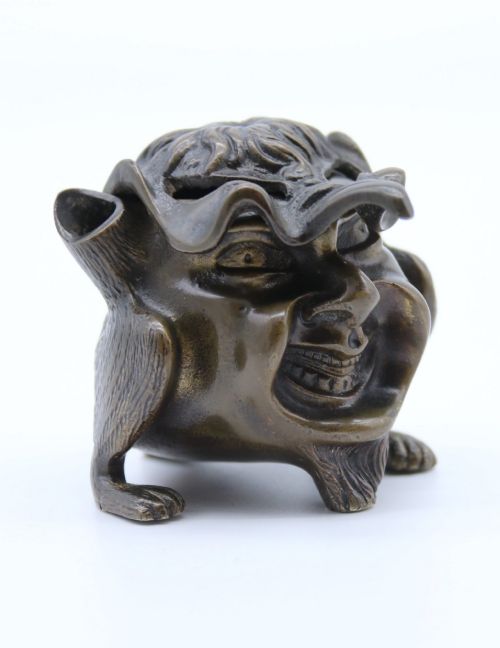
Victorian examples dominate the selection, appearing alongside Edwardian and nineteenth-century pieces in wood, metal, and glass. Walnut, oak, and brass pieces sit beside novelty items like the Black Forest bear inkwell.
How they were made
Wood is shaped into stationery boxes and desk tidies using walnut, oak, Pollard oak, and ebonised timber, sometimes enhanced with brass mounts, Tunbridge ware, or leather tooling. Metalwork relies on bronze, brass, sterling silver, silver plate, and ormolu.
What varies in quality
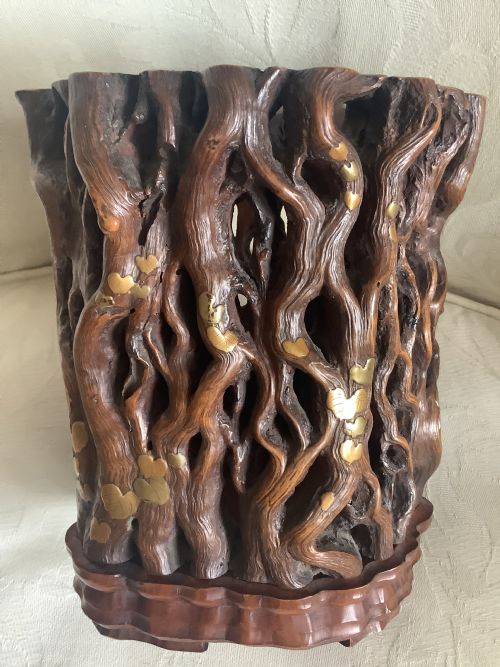
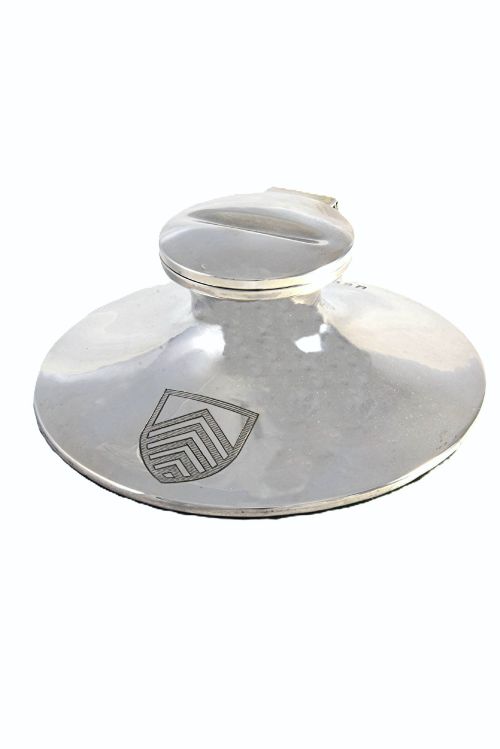
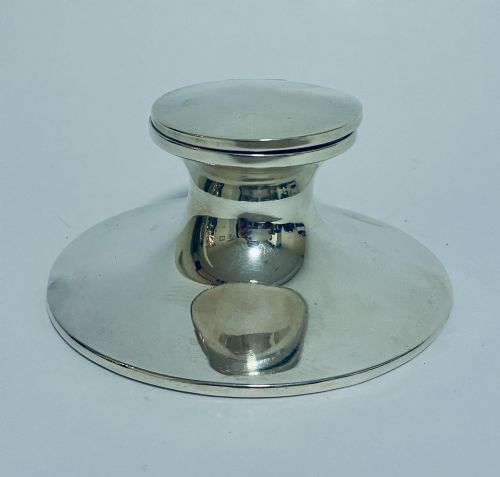
Quality rests on the depth of craftsmanship and the integrity of the materials, from heavy cast silver capstan inkwells to finely detailed carved hardwood brush pots. Superior items display careful attention to internal fittings, such as intact silk linings or properly matched glass ink inserts.
Design ambition separates standard pieces from exceptional ones, particularly in novelty items and decorated desk sets. Pieces that utilise specialised techniques like Tunbridge ware or intricate pokerwork command attention through their decorative detail.
Lefebvre of Belgium
The Antique Desktop Writing Accessories Glossary
- Inkstand
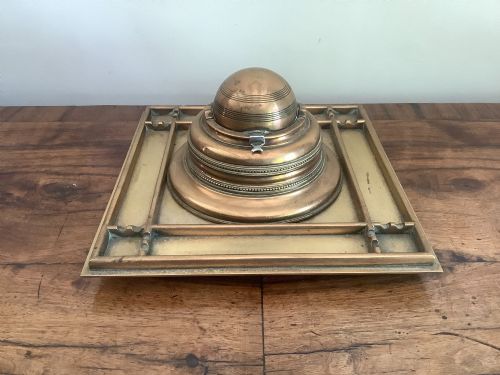
- A tray or stand holding one or more inkwells along with space for pens and accessories. These range from simple wooden bases to elaborate ormolu and marble assemblies.
- Pounce pot
- A small shaker used to sprinkle resin powder onto paper to prepare the surface for writing or to dry wet ink. They resemble miniature salt shakers with perforated lids.
- Capstan inkwell
- An inkwell shaped like the nautical capstan, featuring a wide base that tapers inward toward the top. This design prevents the inkpot from tipping over easily on a busy desk.
- Stationery box
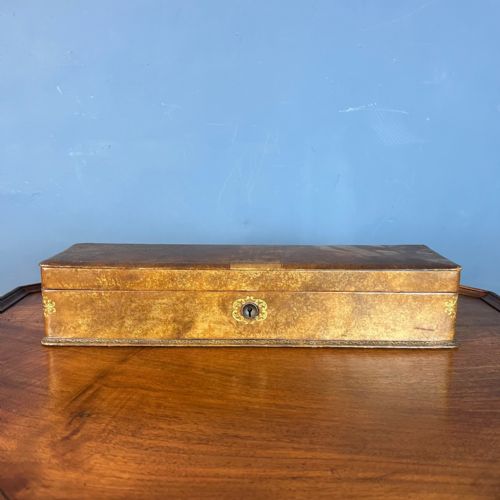
- A desk box designed to hold writing paper and envelopes upright in internal compartments. Many feature sloping lids or dome tops.
- Faience
- Tin-glazed earthenware, seen in Dutch Delft desktop inkwell stands rendered in blue and white. It provides a ceramic alternative to metal and glass.
Antique Desktop Writing Accessories: Frequently Asked Questions
What is an inkstand used for?
An inkstand provides a secure, centralised station for holding inkwells, pens, and related writing tools on a desk. It keeps the workspace organised and protects surfaces from ink spills.
Historically, these stands sat prominently in studies and offices for daily correspondence. Today they function as decorative desktop organisers that house modern pens or small items.
How do I identify a Victorian stationery box?
Victorian stationery boxes frequently utilise timbers like walnut, oak, and pollard oak, often fitted with brass hardware, sloping lids, or dome tops. Many incorporate internal dividers designed to hold envelopes and writing paper upright.
Stylistic cues range from Gothic Revival influences to Tunbridge ware and ebonised finishes. Their robust construction reflects the heavy use of paper goods during the nineteenth century.
What materials were used for antique inkwells?
Antique inkwells utilise a wide array of materials including cut glass, sterling silver, brass, bronze, and various hardwoods. Glass ink inserts are frequently paired with metal or stone outer bodies.
Novelty versions incorporate carved wood, such as Black Forest bear figures, or ceramics like Dutch Delft faience. The choice of material often signals the intended formality of the desk space.
Are these desk accessories still functional?
Most of these pieces remain entirely functional for holding modern stationery, business cards, or desk implements. Glass ink pots and ceramic wells can still hold ink if the seals and liners remain intact.
Many collectors prefer to use them as decorative display items rather than for active writing. They bring period texture to contemporary home offices and studies.