




Antique Desktop Sculpture
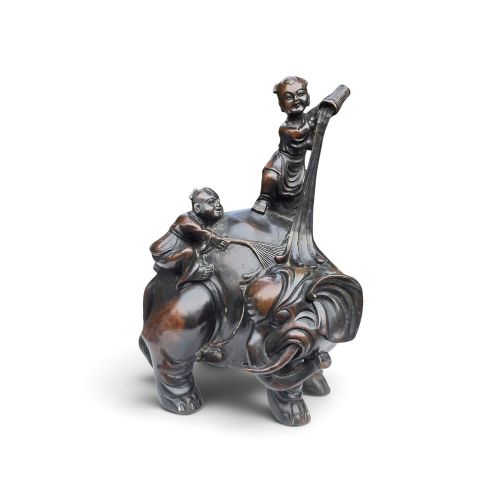
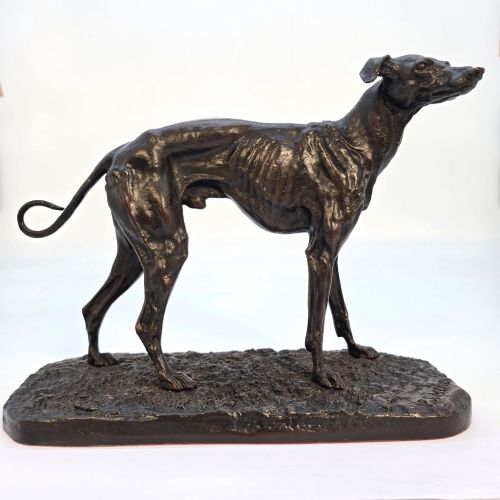
These pieces of antique desktop sculpture bring small-scale bronze, marble and carved wood into daily workspace use.
Antique Desktop Sculpture
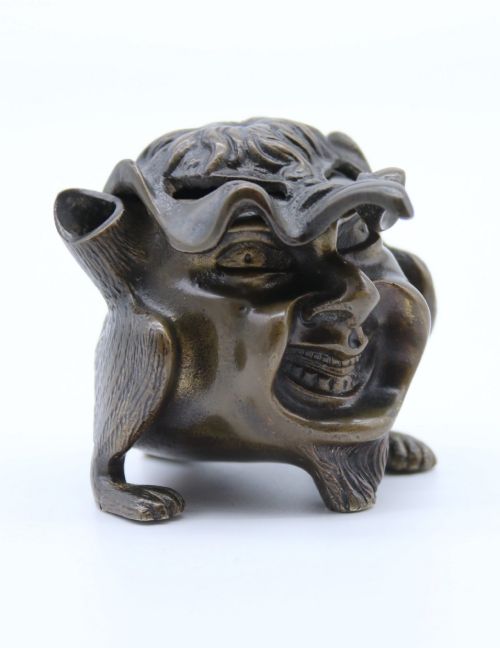
When searching for antique desktop sculpture, a buyer encounters functional objects and miniature figures designed for writing tables and libraries. These pieces range from inkwells and bookends to paperweights and portrait busts.
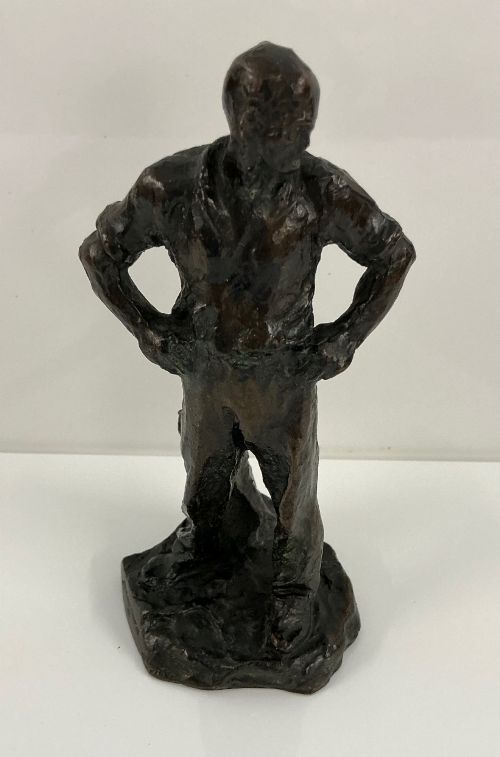
The most common versions met on this page are nineteenth-century and early twentieth-century bronzes, often originating from French and Austrian workshops. They combine utility with decorative bronze casting and hand-finished patination.
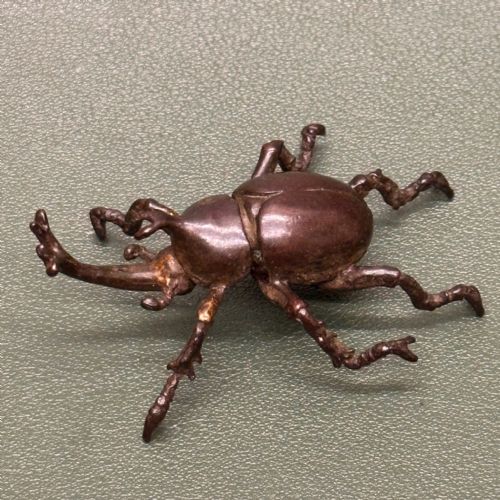
Subjects vary widely, spanning animalier studies, classical figures and novelty items. Each piece reflects the nineteenth and early twentieth-century taste for ornamental desk accessories.
Materials and Construction
Makers utilised cast bronze, patinated bronze and gilt bronze, frequently mounted on marble or onyx bases. These metals provided the weight required for functional items like paperweights and bookends.
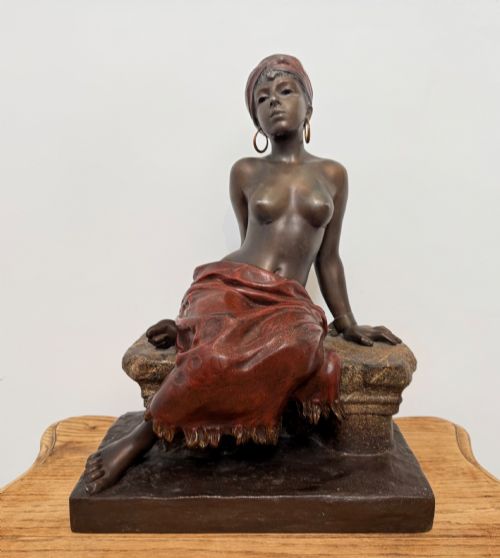
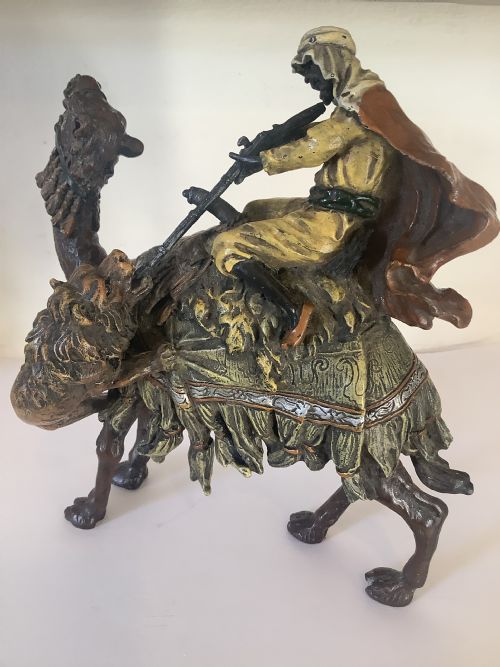
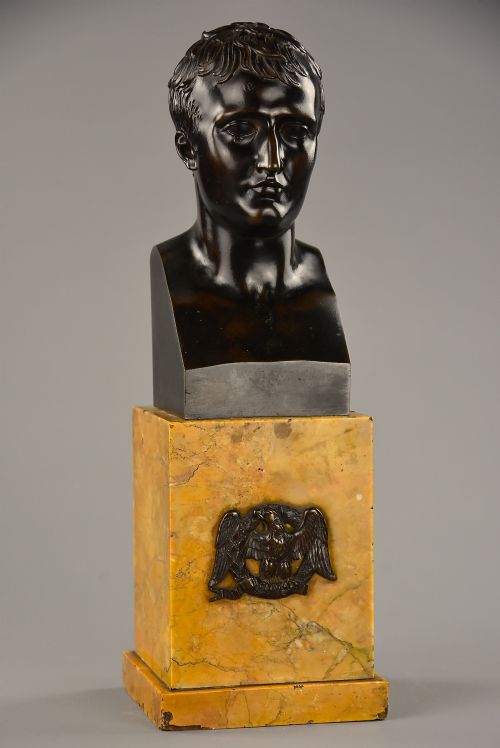
Details were often hand-finished through cold-painting or intricate chasing, particularly on Austrian animal figures and French portrait busts. Wood and cast iron also appear, notably in Black Forest carvings and Victorian desk weights.
Antique Desktop Sculpture Retail Price Guide 2026
Typical asking prices for desktop sculpture among the pieces listed under this phrase on Sellingantiques today, from the lower quarter to the upper quarter. They describe what is for sale here now, not the wider market.
Listings feature works cast in bronze, patinated bronze, gilt bronze, cast iron, silver and carved wood.
Assessing Quality and Execution
The integration of the sculpture with its base, whether veined marble, onyx or carved timber, distinguishes finer studio work. Evidence of careful patination and hand-applied polychrome paint elevates the status of Austrian cold-painted pieces and French bronzes alike.
E Villanis·Antoine L Barye·Jules Dalou·Franz Gruber·John Willis Good·Fabergé·H Risch·Leonhard Posch·Josef Lorenzl·Jules Moigniez
The Antique Desktop Sculpture Glossary
- Animalier
- A nineteenth-century artistic movement focused on the realistic depiction of animals, frequently cast in bronze.
- Cold-painted bronze
- A technique where bronze figures were painted with oil-based paints and left unheated, common in Austrian workshops.
- Patination
- The chemical or natural surface colouring applied to bronze and other metals over time.
- Ormolu
- Gilt bronze, created by applying finely ground gold mercury amalgam to a bronze base.
- Spelter
- A zinc alloy frequently utilised as a cost-effective alternative to bronze in decorative figures and clocks.
Antique Desktop Sculpture: Frequently Asked Questions
How were these sculptures used?
Many of these pieces served a dual purpose as both fine art and functional desk equipment. Inkwells held writing ink, bookends supported volumes on the shelf, and paperweights secured loose correspondence.
Others remained purely decorative, functioning as conversation pieces or tokens of personal interest placed near blotters and writing slope surfaces.
How do I care for bronze desk sculptures?
Bronze requires minimal maintenance beyond gentle dusting with a soft, dry brush to prevent dirt accumulation in crevices. Avoid using chemical cleaners or polishes that can strip the historic patina.
Keep pieces away from direct moisture and extreme temperature fluctuations to protect underlying marble bases or cold-painted surfaces.
How can I tell the period of a sculpture?
Dating relies on stylistic clues, materials and casting signatures associated with specific nineteenth and twentieth-century movements like Art Deco, Art Nouveau or Neoclassical revival. Examining the type of metal, base construction and signature stamps offers further context.
Comparing the finishing techniques to documented studio practices helps narrow down the decade of production.