
Antique Desk with Leather Top
An antique desk with leather top brings a smooth writing surface and rich timber character into a study or library.
Antique Desk with Leather Top
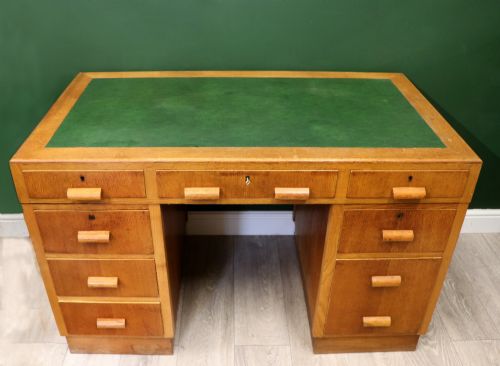
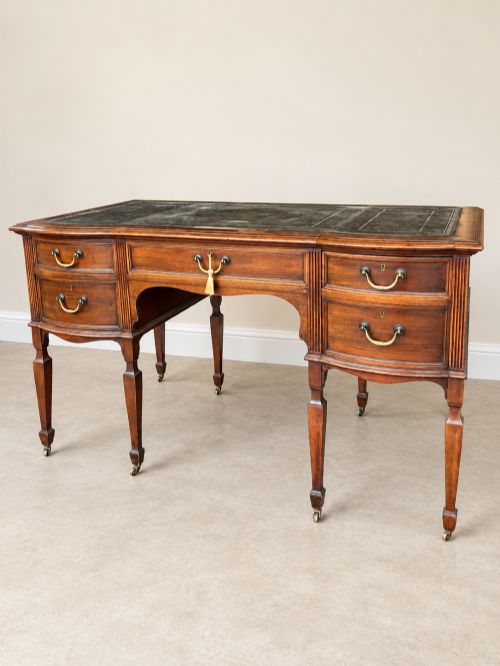
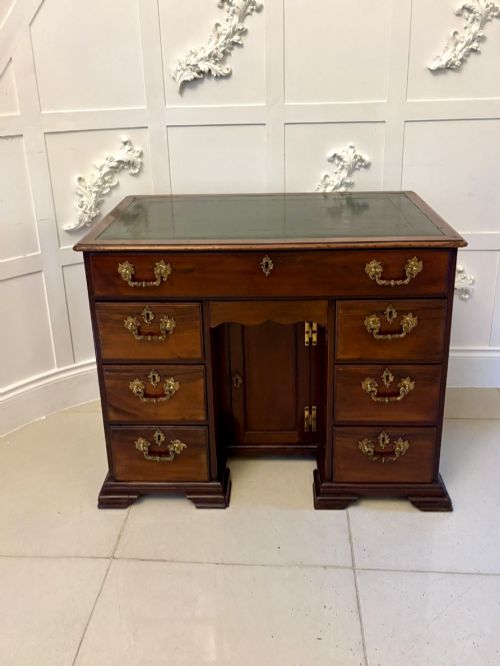
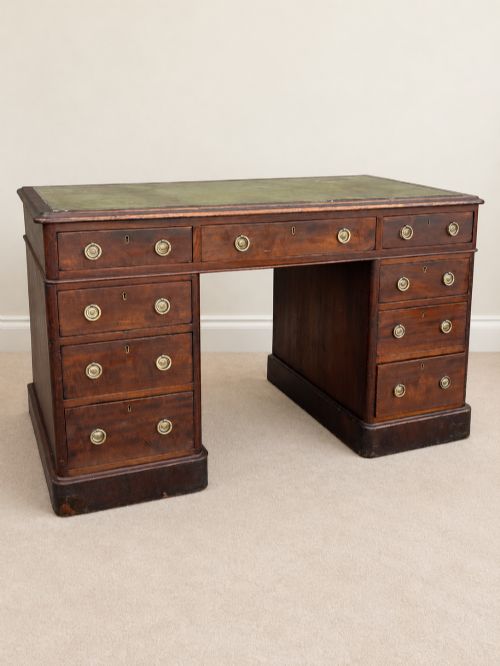
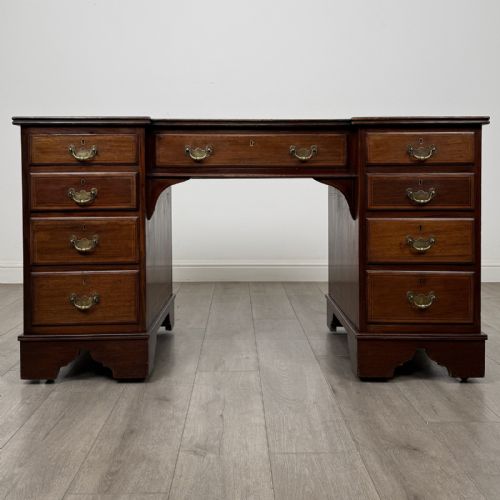
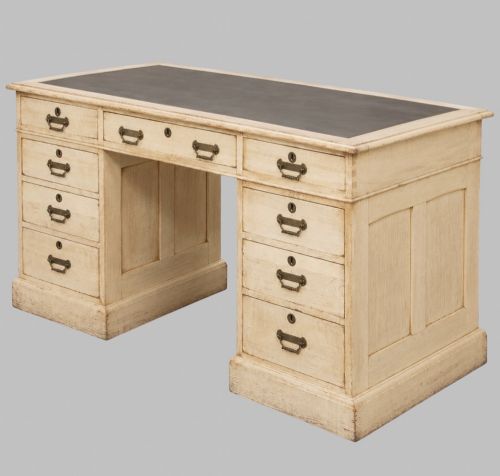
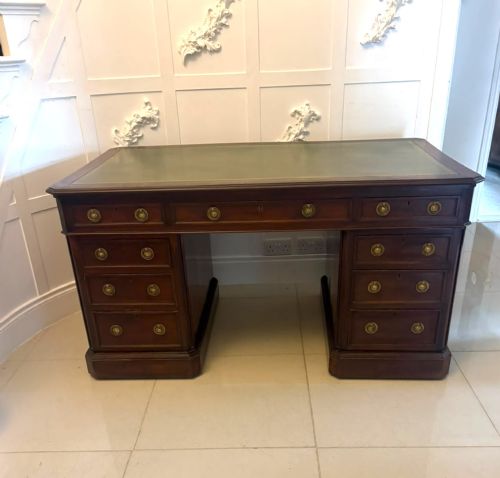
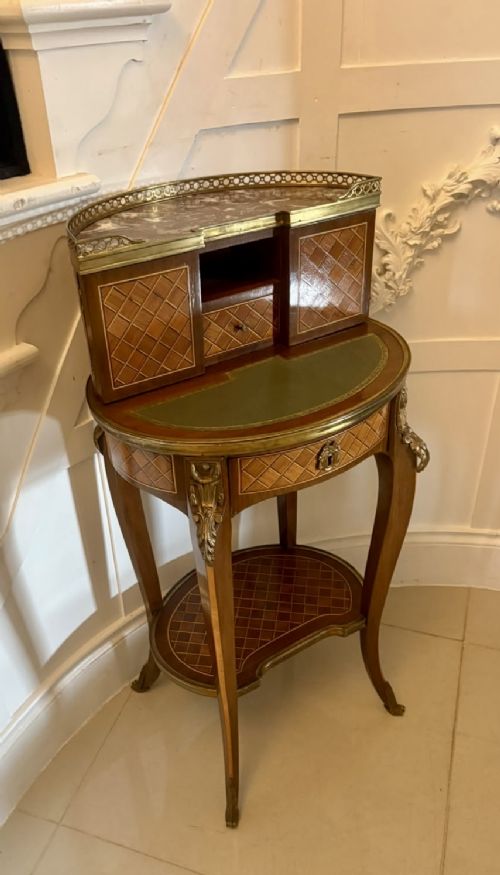
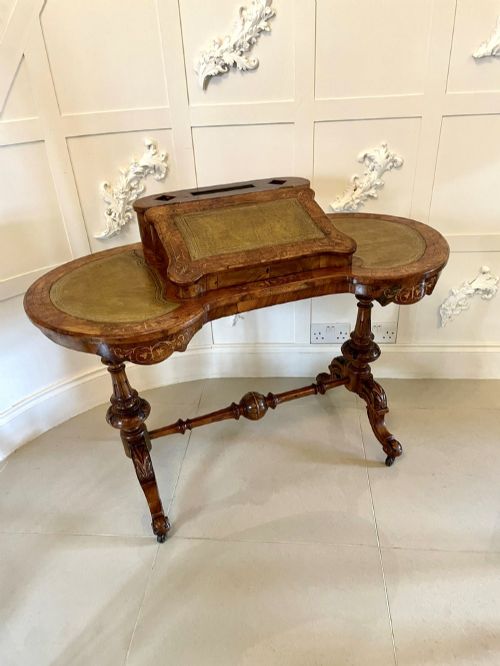
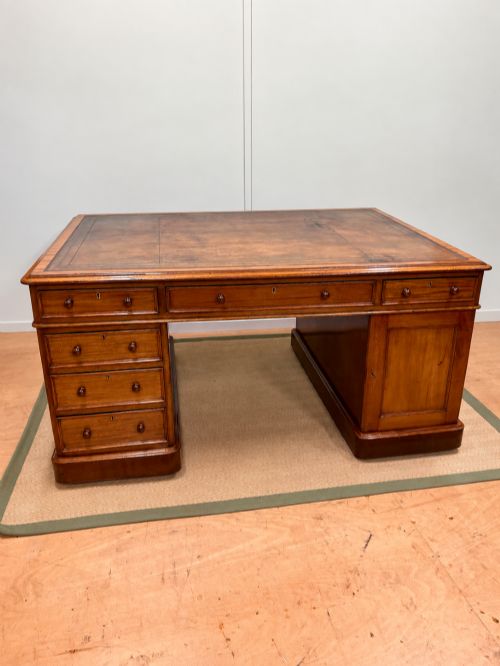
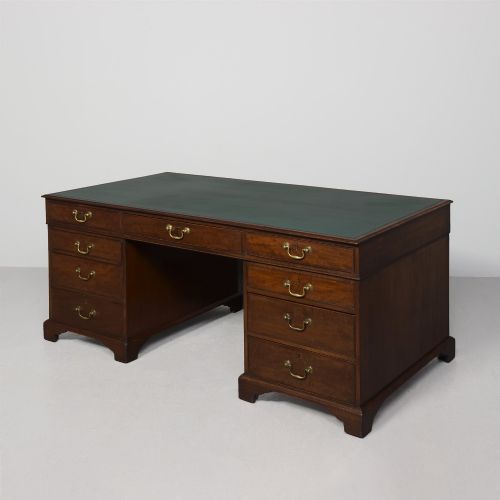
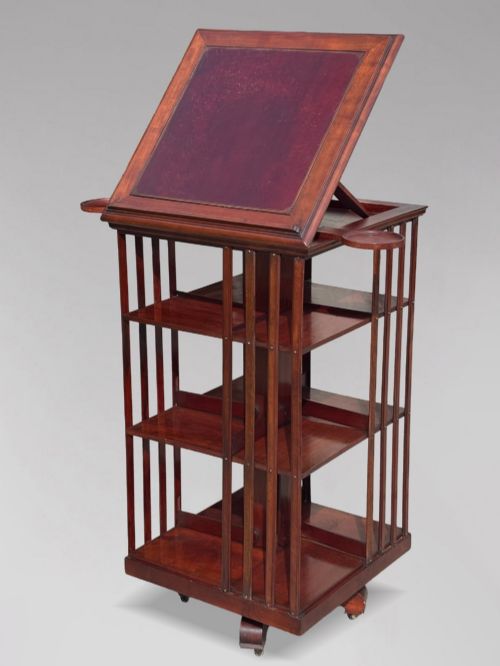
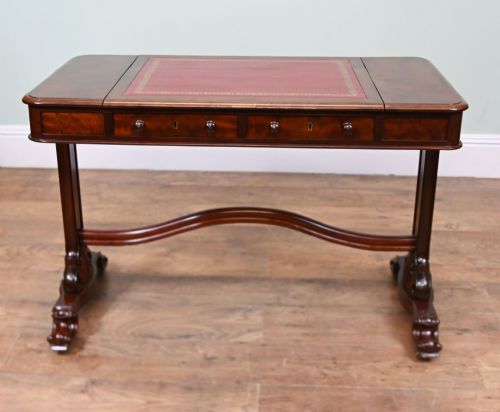
An antique desk with leather top spans substantial pedestal forms, twin-pedestal partners desks, and lighter writing tables originating from the nineteenth and early twentieth centuries. The selection here leans heavily towards Victorian and Edwardian mahogany or walnut examples built for functional household or library use.
Buyers encounter pedestal desks featuring banks of drawers alongside simpler writing tables and kneehole forms equipped with inset writing surfaces. These pieces draw on Georgian, Regency, and later revival styles, reflecting the domestic and professional needs of their original periods.
Materials and construction
Cabinet makers utilised dense hardwoods such as mahogany, burr walnut, and oak as the structural foundation for these pieces, often pairing them with secondary timbers for internal drawer framing. Surfaces intended for writing were inset with panels of cattle hide, frequently embellished with blind or gold tooling along the borders.
Joinery techniques relied on traditional dovetailed drawer construction and solid timber framing rather than modern adhesives or synthetic boards. Brass hardware, including drop handles and key escutcheons, completed the assembly alongside occasional decorative inlays in satinwood or maple.
Listings feature pedestal desks, writing tables, and partners desks constructed primarily from mahogany, walnut, and oak across the Victorian and Edwardian periods.
Differences in quality
Quality rests upon the selection of timber figures, such as the richness of the mahogany grain or the complexity of burr walnut veneers, paired with the crispness of carved details or inlaid stringing. Desks retaining their original fitted interiors, stationery drawers, and undamaged leather writing surfaces demonstrate superior preservation.
Construction depth marks the distinction between standard utility items and finer workshop productions, visible in the thickness of drawer linings and the precision of the dovetail joints. Pieces showing balanced proportions and harmonious secondary woods sit at the upper end of the range.
Blyth & Son·Gill & Reigate
The Antique Desk with Leather Top Glossary
- Partners desk
- A large double-sided pedestal desk designed for two people to work opposite one another, featuring drawers and cupboards on both faces.
- Pedestal desk
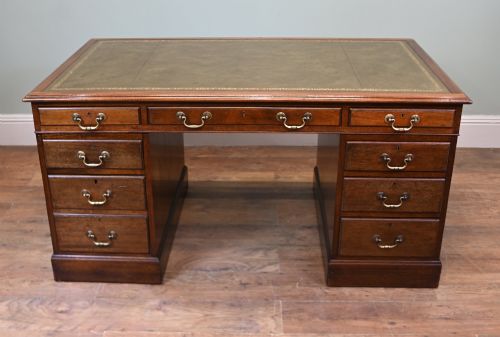
- A freestanding desk comprising a top surface resting on two separate banks of drawers or cabinets.
- Tooled leather
- Leather decorated with patterns, lines, or crests pressed into the surface using heated brass tools, sometimes highlighted in gold leaf.
- Kneehole desk
- A compact desk with a central recess for the user's legs, flanked by narrow columns of drawers.
- Escritoire
- A writing cabinet or desk, often fitted with a sloping or fold-down fall front enclosing small compartments and drawers.
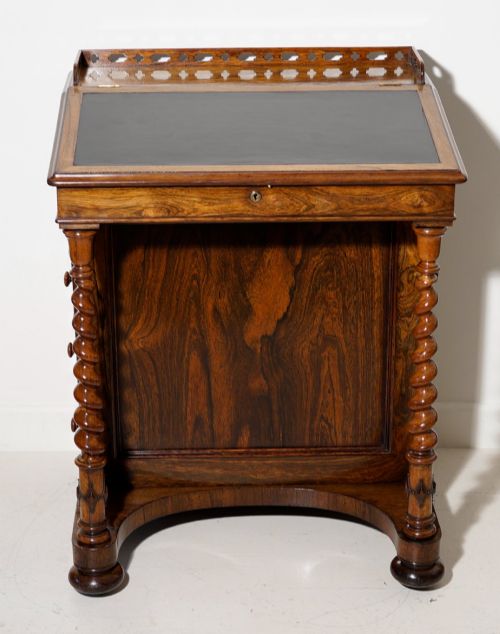
- Davenport desk
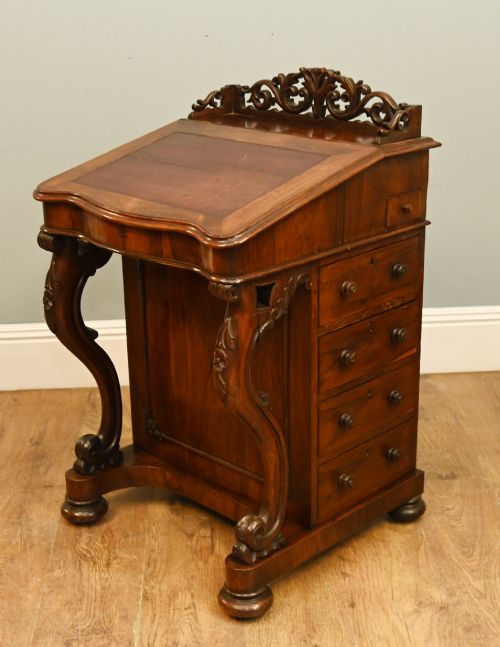
- A small compact writing desk with a sloping top and side-opening drawers, popular during the Victorian period.
Antique Desk with Leather Top: Frequently Asked Questions
What is a partners desk?
A partners desk is a large pedestal form built with drawers and cupboards on both sides so two people can sit opposite each other.
These pieces were typically used in grand libraries, administrative offices, or large studies where workspace was shared.
How do I care for the leather top?
The leather writing surface benefits from occasional cleaning with a damp cloth followed by a suitable leather balsam or wax to keep the hide supple.
Avoid using harsh chemical cleaners or excess water, which can damage the tooling and the timber surrounding the inset panel.
Are these desks suitable for daily computer work?
Many nineteenth and early twentieth century desks accommodate modern laptops and desktop equipment while offering generous drawer storage for stationery.
Checking the internal kneehole height and width ensures comfortable leg room and seating clearance before placing a chair beneath.
How do I distinguish Victorian from Edwardian desks?
Victorian desks tend to feature heavier proportions, darker mahogany or walnut timbers, and deeper mouldings, reflecting mid to late nineteenth century tastes.
Edwardian examples often present lighter construction, brighter mahogany figures, and sometimes satinwood stringing influenced by eighteenth century revival styles.