



Antique Desk Top Box
An antique desk top box provides a practical and decorative storage solution for correspondence, writing instruments and valuables.
Antique Desk Top Box
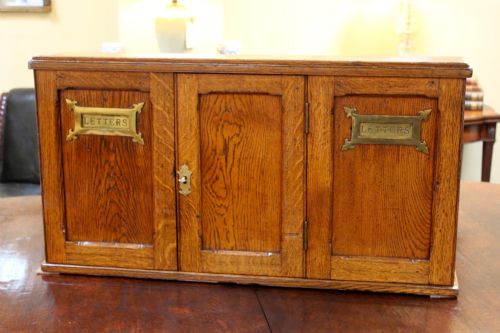
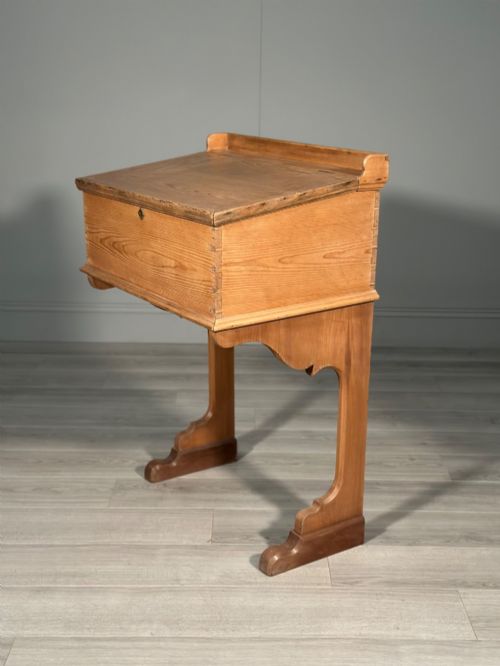
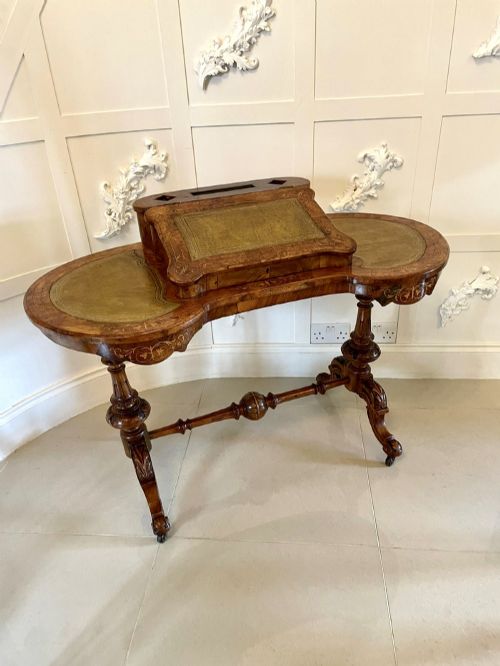
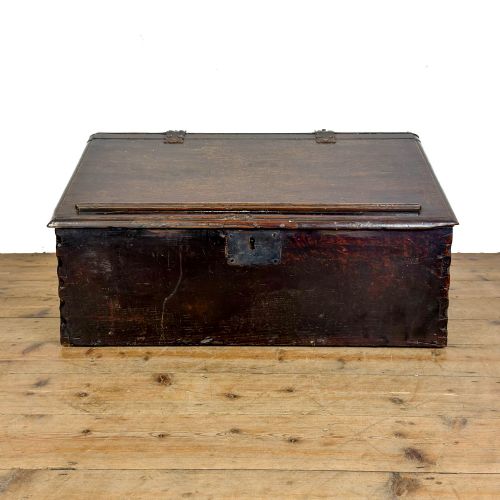
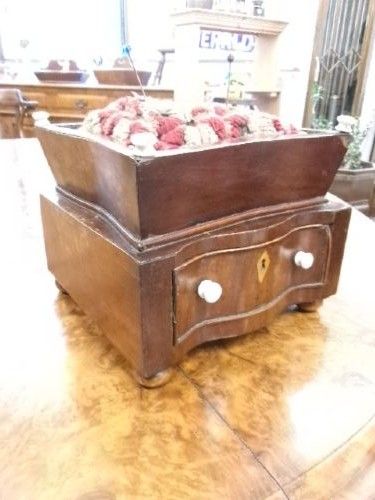
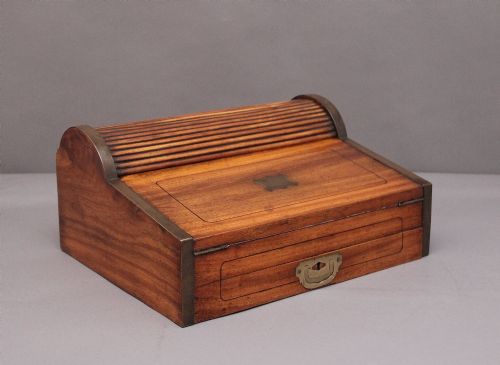
An antique desk top box encompasses writing slopes, stationery boxes, bible boxes and small cabinets designed for use upon a table or desk. These pieces originate from various historical periods, ranging from the seventeenth century through to the Edwardian era.
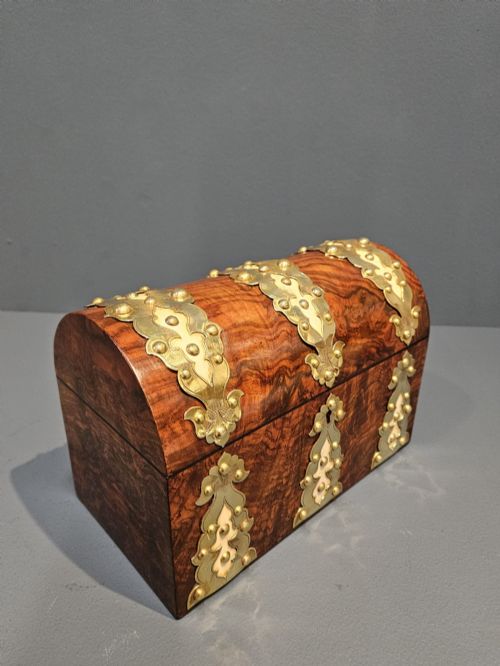
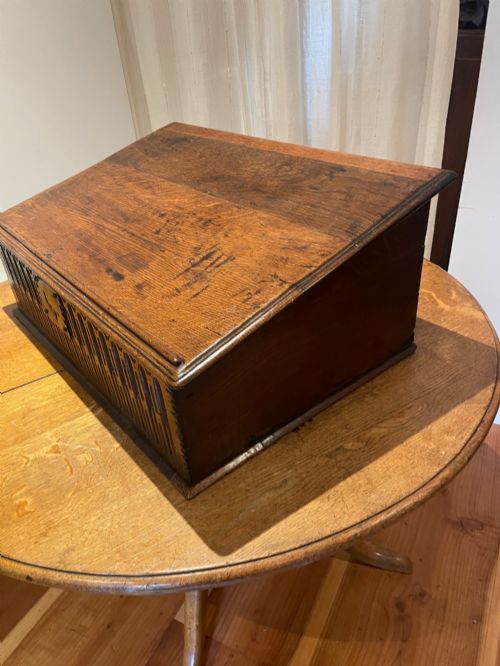
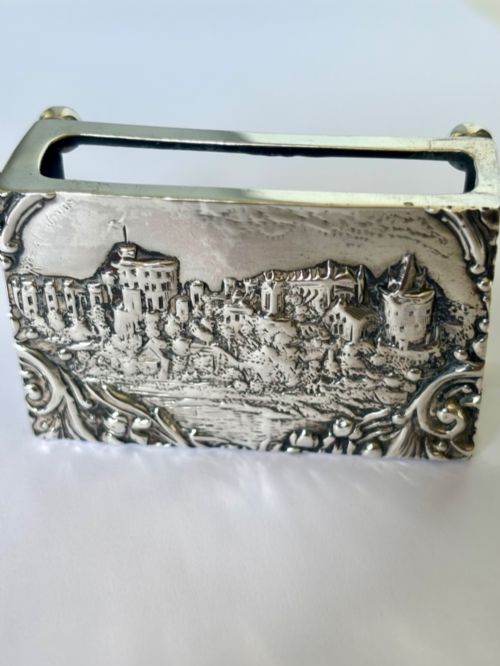
Earlier examples include oak bible boxes from the seventeenth and eighteenth centuries, while later items comprise brass-mounted walnut stationery caskets and silver-mounted stamp boxes. Each form reflects the writing and organisational habits of its respective period.
Materials and Technique
Cabinet makers utilised a variety of dense hardwoods including oak, mahogany, walnut, burr walnut and camphor wood to construct the carcase of each box. Decorative veneers such as coromandel and amboyna frequently appear on nineteenth-century pieces alongside marquetry and parquetry inlay.
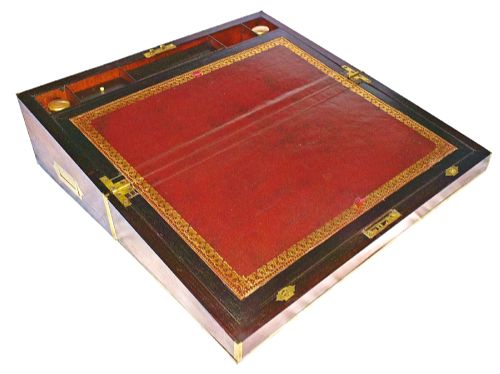
Metal fittings played a crucial structural and decorative role, with brass hinges, corner mounts, strapwork and escutcheons securing the wood and protecting edges. Interiors often incorporated leather writing surfaces, velvet linings and secret drawers accessed through hidden mechanisms.
Antique Desk Top Box Retail Price Guide 2026
Typical asking prices for desk top box among the pieces listed under this phrase on Sellingantiques today, from the lower quarter to the upper quarter. They describe what is for sale here now, not the wider market.
Listings feature items spanning the seventeenth century through to the Edwardian period, constructed from oak, mahogany, walnut, camphor wood and brass.
Craftsmanship and Materials
The standard of an antique desk top box is determined by the selection of figured timber veneers, the precision of the dovetail joinery and the integration of brass mounts. Superior pieces exhibit carefully matched grain patterns across the exterior and robust internal construction that withstands regular handling.
W.M.F.·Levi & Salaman
The Antique Desk Top Box Glossary
- Writing slope
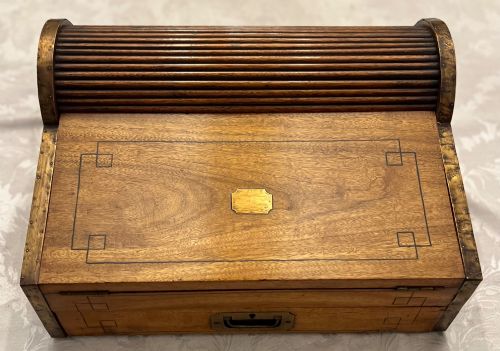
- A portable box with a hinged sloping lid designed to provide an angled writing surface. Inside, compartments hold inkwells, pens and stationery.
- Stationery box
- An upright desk accessory featuring a tiered or compartmented interior for organising letters, envelopes and notepaper. These often possess dome tops or fall-front panels.
- Bible box
- A sturdy wooden box used originally for storing sacred texts and documents. These pieces date predominantly from the seventeenth and eighteenth centuries and frequently feature carved decoration.
- Campaign box
- A piece constructed for military use whilst travelling, typically reinforced with brass corners and strapwork to endure rough transport. Camphor wood and mahogany served as common materials for these items.
- Escutcheon
- A protective plate surrounding a keyhole, usually cast from brass. On antique boxes, these plates prevent the wood around the lock from splitting.
Antique Desk Top Box: Frequently Asked Questions
What is an antique desk top box?
An antique desk top box is a portable wooden or metal container designed to hold writing materials, correspondence or small personal valuables upon a table. These items include writing slopes, stationery caskets and bible boxes.
Craftsmen built these pieces to organise correspondence before the widespread availability of modern office furniture. They combine functional storage compartments with decorative cabinet-making techniques from past centuries.
How were writing slopes used?
A writing slope provided a portable writing desk for individuals travelling or working away from a fixed cabinet. The hinged lid opened to reveal an inclined writing surface lined with leather.
Beneath the writing surface, secret drawers and partitioned spaces stored nibs, inkwells and folded letters. Users locked the box with a key to secure confidential documents.
What is a stationery box?
A stationery box is an upright desk accessory designed to hold envelopes, writing paper and stamps in an orderly vertical fashion. They gained popularity during the Victorian period.
Many feature domed or slanted lids with interior slots tiered to display different sizes of paper. Some incorporate calendars or date markers on the exterior.
How do I date an antique box?
Dating a box involves examining the wood species, construction methods, hardware and overall architectural style. Seventeenth and eighteenth-century examples are typically constructed from solid oak with hand-cut joinery.
Nineteenth-century boxes frequently utilise exotic veneers like burr walnut or coromandel over mahogany, accompanied by machine-made screws and brass mounts. Hallmarks on silver mounts or locks provide specific manufacturing years.
How do I care for a wooden box?
Maintaining an antique wooden box requires protecting the finish from direct sunlight and extreme fluctuations in humidity. Placing the item away from heat sources prevents timber shrinkage and veneer lifting.
Applying a traditional beeswax polish periodically helps nourish the wood and maintain its natural lustre. Metal mounts and brass hardware benefit from gentle cleaning without abrasive polishes.