

Antique Desk Object
An antique desk object gathers the small implements of study and correspondence, uniting practical utility with material artistry.
Antique Desk Object
When you search for an antique desk object, you encounter items designed for writing, reading, and scholarly pursuits across centuries. The selection spans utilitarian instruments and decorative desk accessories from various global traditions.
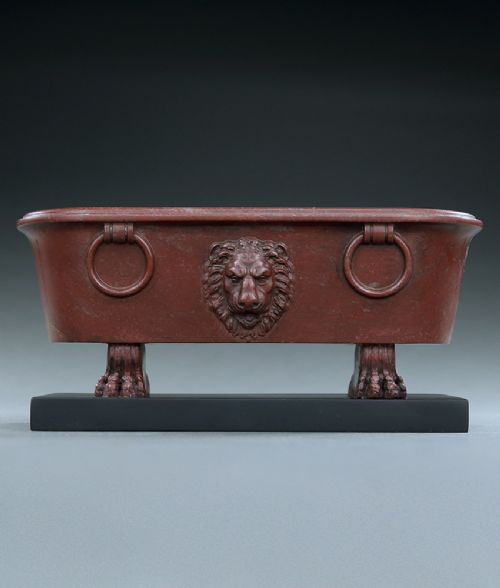
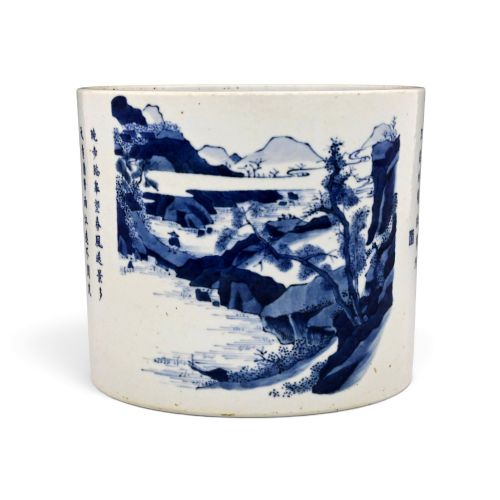
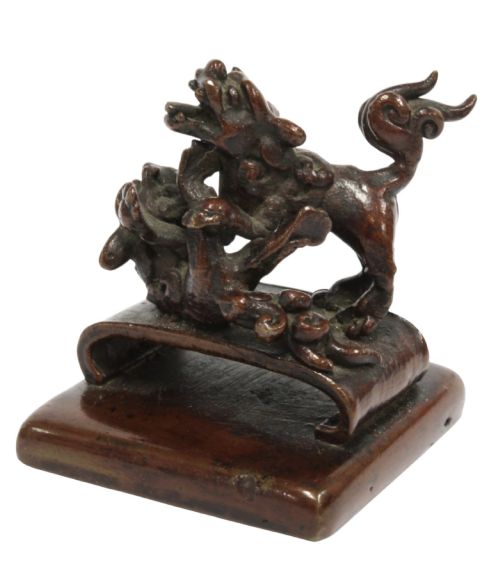
Scholar's studio pieces from Chinese dynasties feature prominently, including brush pots, water washers, and bronze seals. European and American pieces also appear, ranging from Grand Tour models to silver gavels and brass tape dispensers.
Materials and Technique
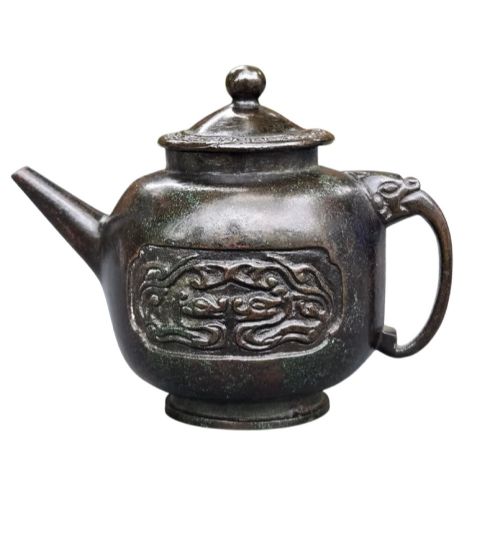
Metals such as bronze, brass, and pewter are shaped through casting, sometimes receiving fire-gilding or gold-splashed finishes. Bronze pieces frequently demonstrate intricate solid-casting techniques originating in the Ming and Qing periods.
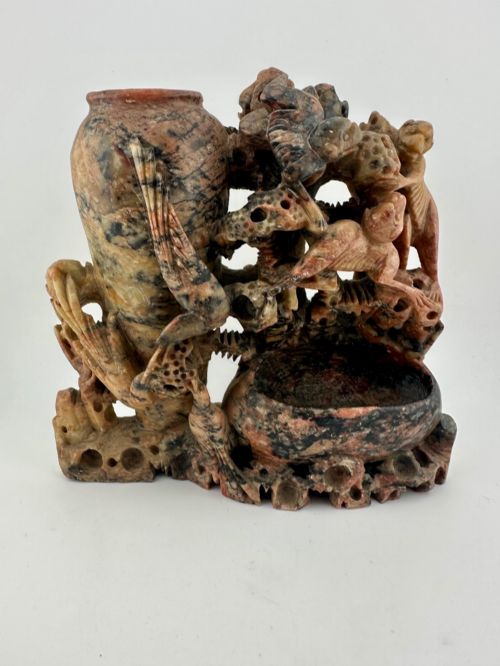
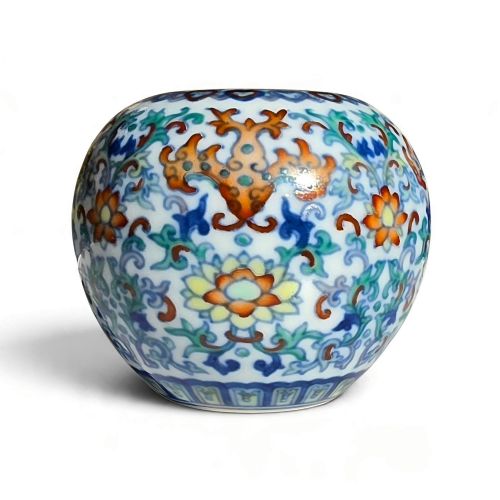
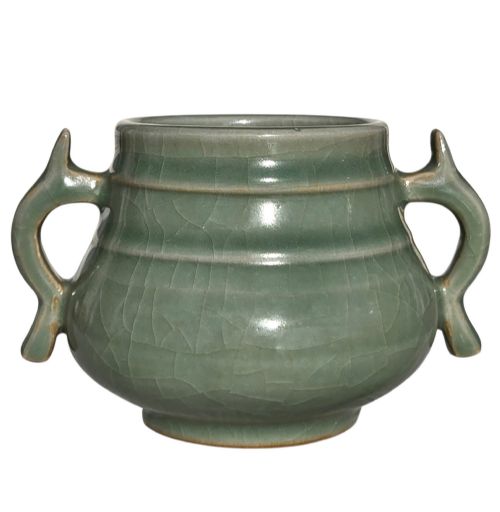
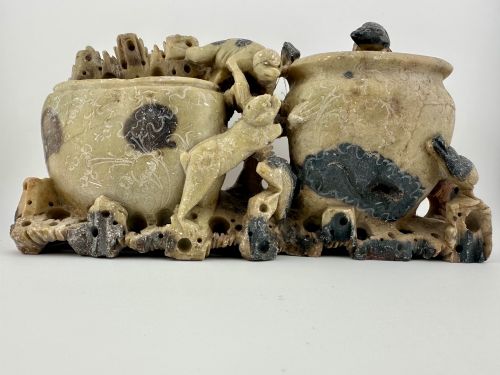
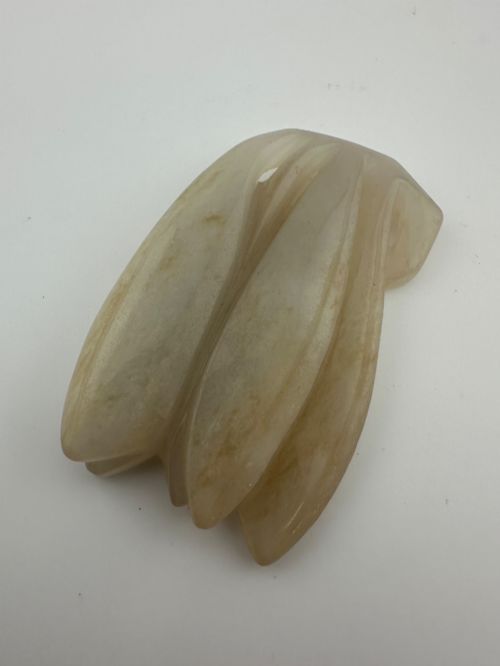
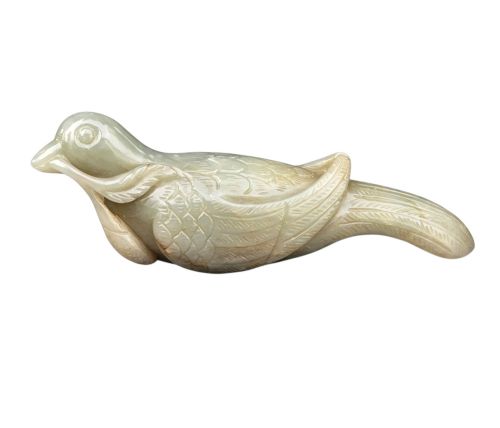
Natural materials like hardwood, bamboo, soapstone, and jade undergo detailed hand-carving to produce functional vessels and decorative figures. Ceramics and glass utilise specialised glazing and melting techniques, seen in blue and white porcelain brush pots and Millefiori paperweights.
Antique Desk Object Retail Price Guide 2026
Typical asking prices for desk object among the pieces listed under this phrase on Sellingantiques today, from the lower quarter to the upper quarter. They describe what is for sale here now, not the wider market.
A humorous four-face pewter and wood page turner from the Victorian era ensures your reading materials are supervised by multiple distinct expressions.
Assessing Craftsmanship
Quality rests upon the precision of the carving or casting and the integrity of the material used. In jade and stone carvings, depth of relief and subtlety of natural russet tones distinguish superior examples from simpler work.
For ceramics and bronzes, the refinement of the glaze or patina and the clarity of any studio marks indicate the level of workshop execution. Weight, balance, and compositional harmony also separate utilitarian items from imperial-quality pieces.
Hermes Paris
The Antique Desk Object Glossary
- Bitong
- A cylindrical brush pot used in traditional scholar's studios for holding writing brushes. These vessels are commonly rendered in porcelain, bamboo, or hardwood.
- Shuizhi
- A water dropper utilised in East Asian calligraphy to add precise amounts of ink-stone moisture. They frequently take figurative forms such as ewers or water birds.
- Grand Tour
- A nineteenth-century tradition where wealthy travellers collected souvenirs like bronze architectural models and marble ruins. These objects served as classical desk ornaments.
- Millefiori
- A glasswork technique producing mosaic patterns using multicoloured canes. These designs are often set into heavy paperweights.
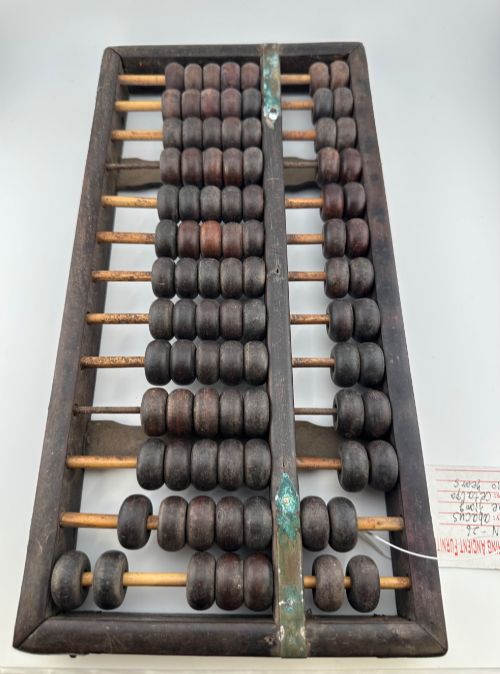
- Suanpan
- A traditional wooden abacus utilised for mathematical calculation. They feature beads sliding on rods within a rectangular frame.
Antique Desk Object: Frequently Asked Questions
What is an antique desk object?
An antique desk object is a historical accessory designed to assist with writing, reading, or organisation in a study or office. These items range from practical tools like abacuses and tape dispensers to contemplative scholar's objects like brush pots and bronze seals.
Such pieces reflect the material culture and craftsmanship of their period of origin. They were created to occupy the desktop of a writer, scholar, or executive.
How were scholar's objects used?
Scholar's objects served functional roles in traditional East Asian studies for writing, painting, and meditation. Brush washers moistened ink stones, while brush pots kept calligraphy tools organised.
Other items like water droppers and seal sets aided in the creation and authentication of documents and artwork. They formed part of an essential toolkit for the literate elite.
How do I display an antique desk object?
These pieces integrate easily into modern interiors as standalone decorative accents or functional desktop items. Their varied materials, including jade, bronze, and hardwood, provide tactile interest on shelves and tables.
Placement should consider lighting to highlight carved details or translucent stone properties. Many objects benefit from being grouped by material or origin to create a cohesive display.
How do I identify the period?
Period identification relies on stylistic conventions, material characteristics, and manufacturing techniques unique to specific eras. Dynastic markers, European aesthetic movements like Art Deco, and regional hallmarks offer primary clues to an object's age.
Examining tool marks, wear patterns, and patination helps corroborate the era of production. Consulting historical references for similar recorded pieces aids verification.