
Antique Desk Lighting Pair
An antique desk lighting pair brings balanced illumination and period character to a workspace, drawing on centuries of converted lamps and classical designs.
Antique Desk Lighting Pair
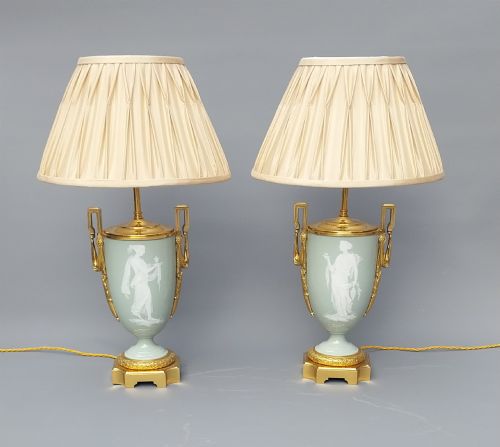
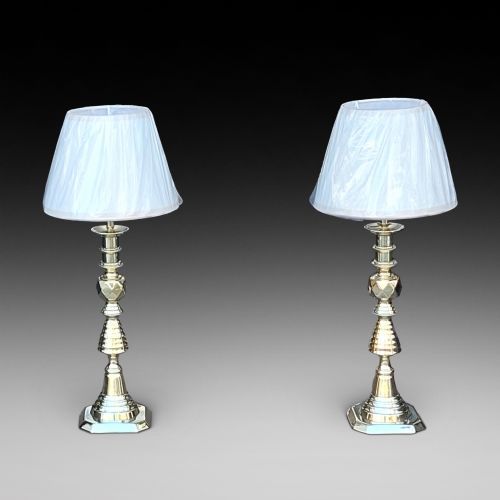
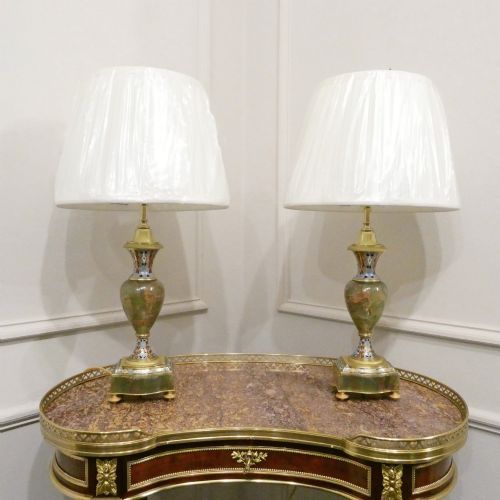
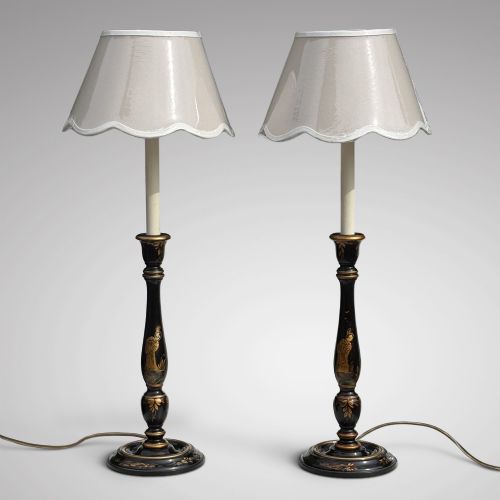
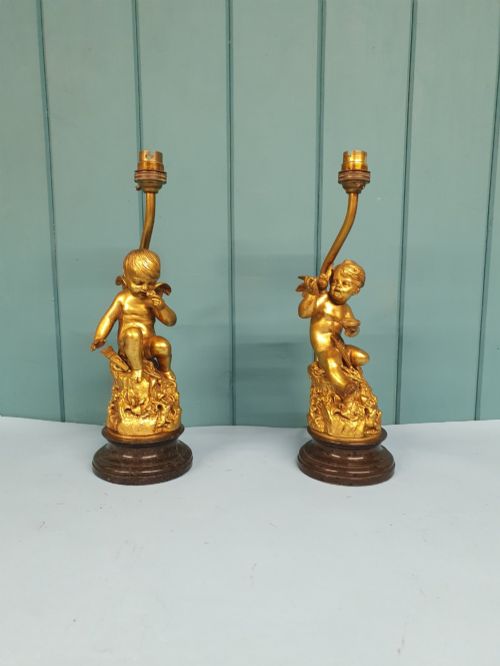
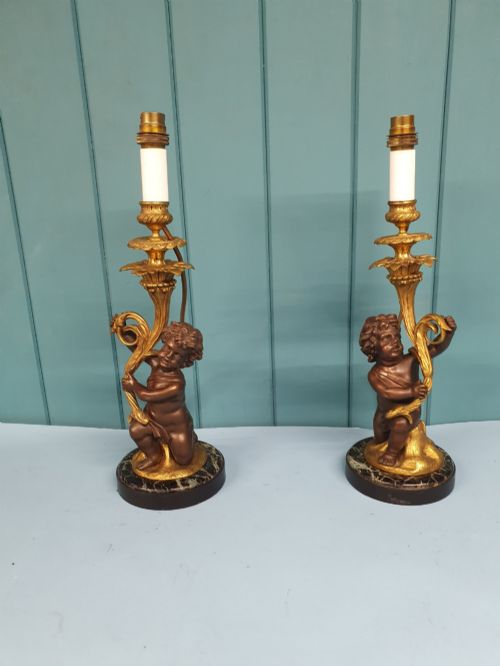
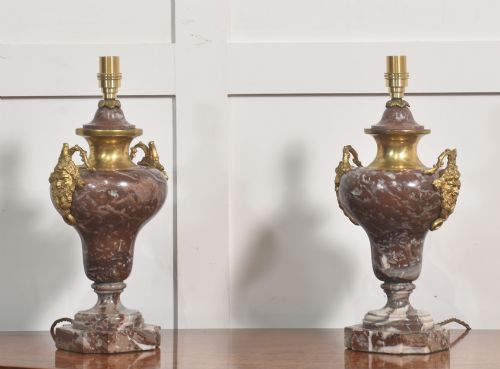
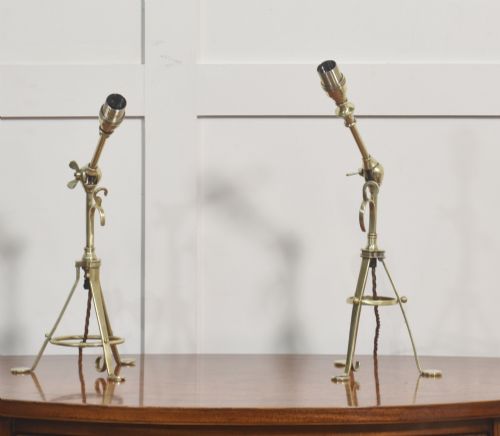
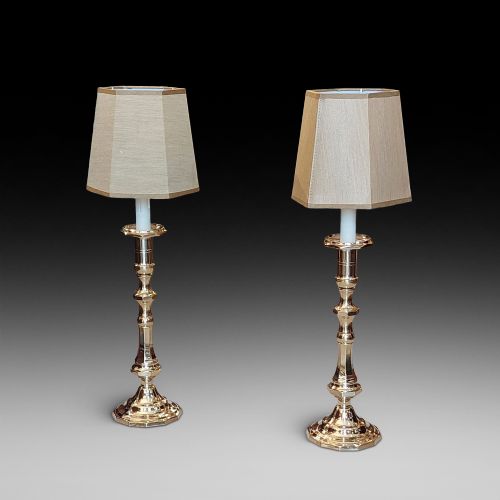
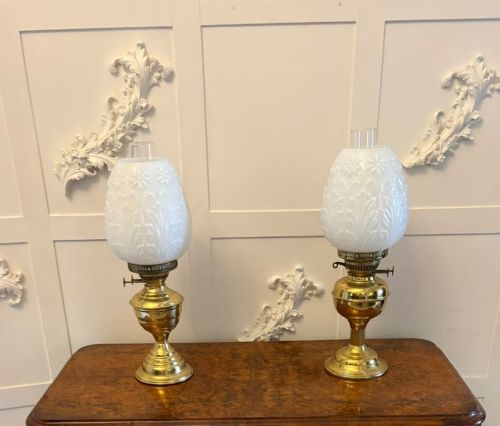
An antique desk lighting pair consists of matched twin luminaires designed for workspaces, though many examples on this page originate as converted candlesticks, oil lamps, or decorative urns. The selection ranges from adjustable brass student lights of the late nineteenth century to French marble and ormolu designs.
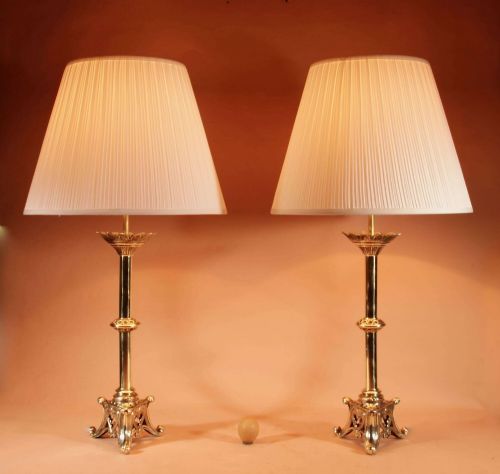
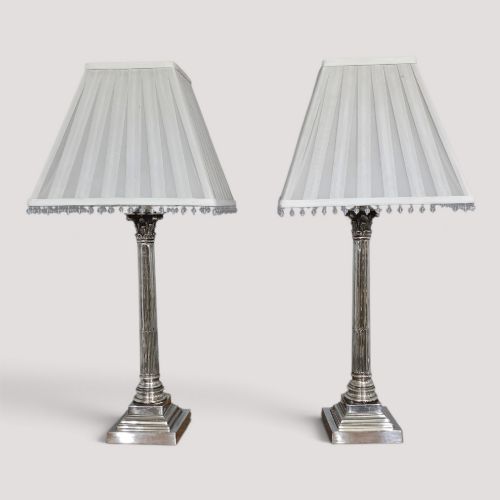
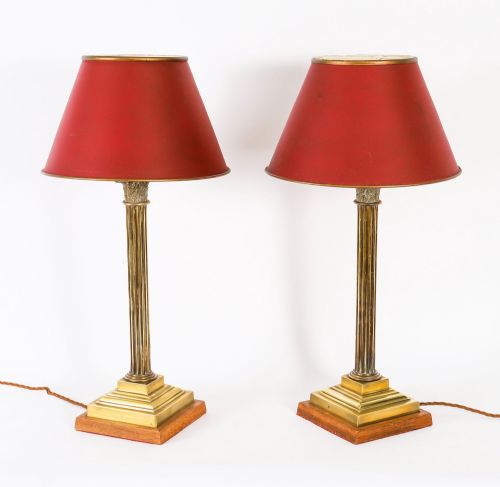
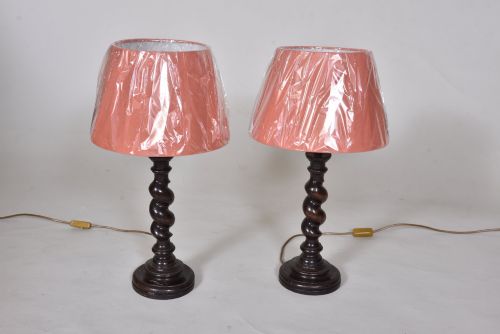
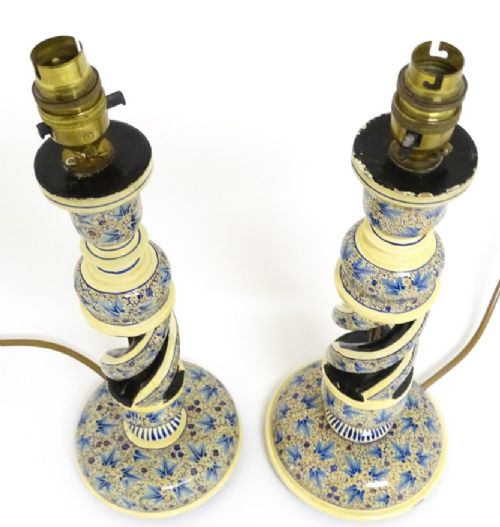
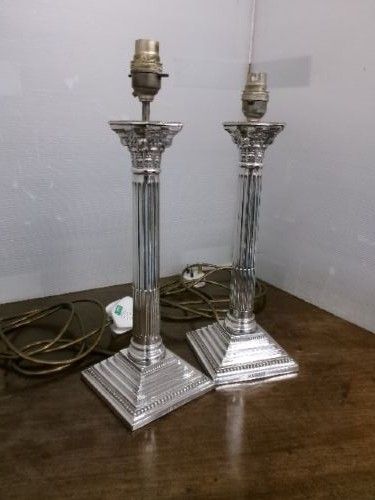
Buyers seeking an antique desk lighting pair will encounter various forms, most commonly brass Corinthian columns, ceramic vases, and carved timber bases adapted for electricity. These pieces span Victorian, Edwardian, and early twentieth-century periods, often reflecting revival styles such as Gothic, Neoclassical, or Louis XVI.
Materials and construction
The construction of these dual lamps relies heavily on cast and spun metals such as brass, bronze, and ormolu, frequently paired with natural stones including marble, onyx, and granite. Many period examples combine metalwork mounts with ceramic bodies like Satsuma earthenware, Delft pottery, or ironstone.
Makers utilised traditional techniques such as lost-wax casting for figural elements and hand-turning for timber and stone columns. Later adaptations often involve wiring threaded discreetly through former candlesticks, oil font assemblies, or hollow architectural shafts.
Listings feature brass, marble, and ormolu alongside earthenware and fabric across periods spanning the early nineteenth century to the 1930s.
Factors determining quality
Quality in these paired luminaires rests upon the crispness of the casting and the density of materials like solid brass, heavy marble, or fine porcelain. Superior examples display precise chasing on ormolu mounts, balanced proportions, and well-matched stone figuring between the two items.
The integrity of the conversion work and the preservation of original patination also distinguish finer specimens. Pairs that retain unified mounts, matching shades, and harmonious ageing hold greater decorative coherence on a shared surface.
W.A.S. Benson·Hicks and Meigh
The Antique Desk Lighting Pair Glossary
- Ormolu
- Gilt bronze decoration applied to furniture, clocks, and lighting bases, popular in French neoclassical design. It involves a mercury gilding process that imparts a soft, golden metallic finish.
- Champlevé
- An enamelling technique where troughs are dug into a metal surface and filled with vitreous enamel before firing. It appears frequently on French decorative lamp bases from around nineteen hundred.
- Corinthian column
- An architectural column style featuring ornate capitals decorated with acanthus leaves. This motif is common on nineteenth-century brass and silver-plated table lamps.
- Cassolette
- A decorative vessel shaped like an urn, often featuring a reversible lid that functions as a burner or candleholder. In lighting, these are frequently mounted in ormolu and marble.
- Conversion
- The modern or historical adaptation of an oil lamp, candlestick, or vase into an electric light fitting. This process preserves the decorative body while updating the functional mechanism.
Antique Desk Lighting Pair: Frequently Asked Questions
What is an antique desk lighting pair?
An antique desk lighting pair comprises two matched lamps designed to illuminate a workspace or library table. These items are frequently period conversions made from older candlesticks, oil fonts, or decorative urns.
Such dual fixtures provide symmetrical illumination while introducing historical materials like brass, marble, and porcelain to an interior. They reflect design trends ranging from Victorian revivalism to early twentieth-century Arts and Crafts utilitarianism.
Were these always electric lamps?
Most older examples were originally designed for oil, candles, or gas before being converted for modern electrical wiring. This adaptation allows period craftsmanship to serve contemporary functional needs without losing its aesthetic value.
Conversions often preserve the original metal threads, burners, or font assemblies while routing cable discreetly through the base. Traces of past fuel use or manual manufacturing methods confirm their earlier heritage.
How do I match them to my desk?
Selecting the right pair involves balancing the scale and metal tone of the lamps with the dimensions and wood finish of your furniture. Brass and bronze fittings complement dark timbers like mahogany or oak, while marble and porcelain introduce contrasting texture and colour.
Consider the height of the light source relative to your workspace and whether adjustable arms are needed for focused tasks. Symmetrical placement creates a formal appearance, while matched pairs also work well on sideboards or mantelpieces.
How do I tell Victorian from Edwardian pieces?
Victorian lighting pieces tend to feature heavier ornamentation, elaborate casting, and rich historicist revivals such as Gothic or Rococo details. Materials often include cast brass, heavy timber, and dark patinated bronze.
Edwardian designs frequently display lighter proportions, cleaner neoclassical lines, or simpler column forms influenced by the Arts and Crafts movement. Lighter woods, opaline glass shades, and refined silver plating also characterise this later period.