
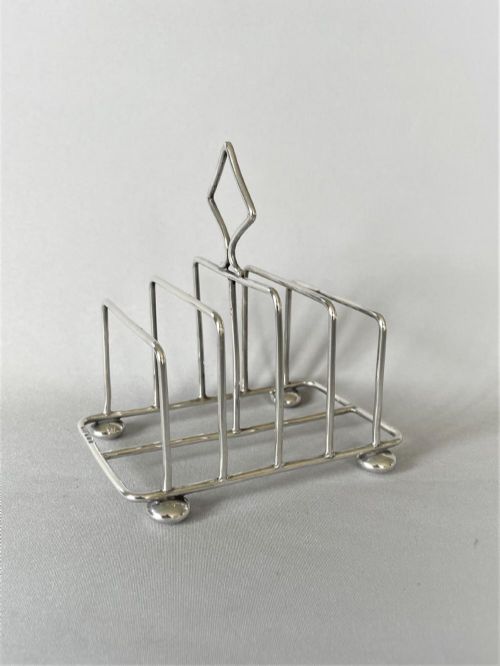
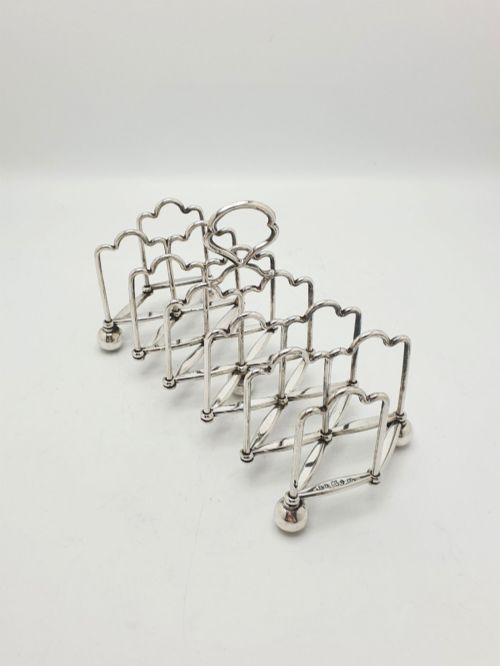


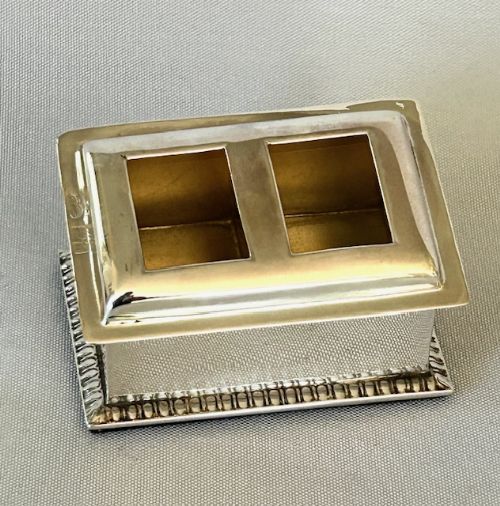
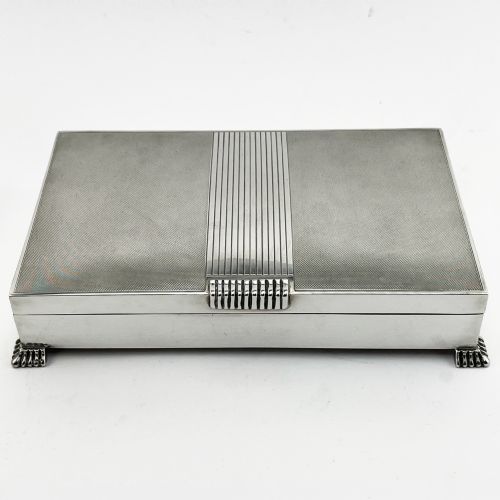

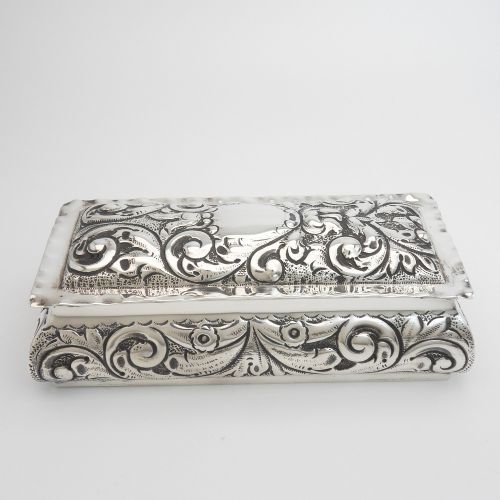


Antique Desk Caddy
An antique desk caddy keeps your writing table orderly, bringing Georgian and Victorian craftsmanship directly to your daily correspondence.
Antique Desk Caddy
An antique desk caddy encompasses stationery boxes, correspondence cases, document holders and small storage containers designed to organise writing materials on a desk or table. These items appear across the Georgian, Victorian and Edwardian periods in forms that range from simple wood trays to elaborately mounted boxes.
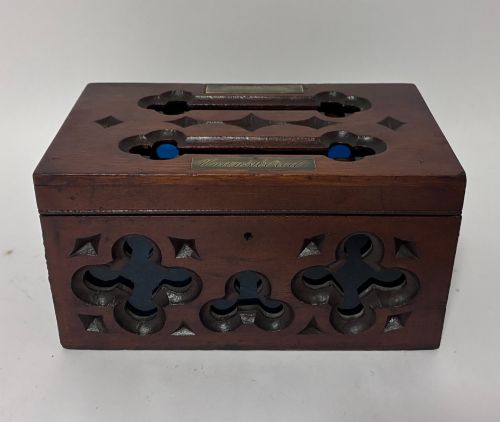
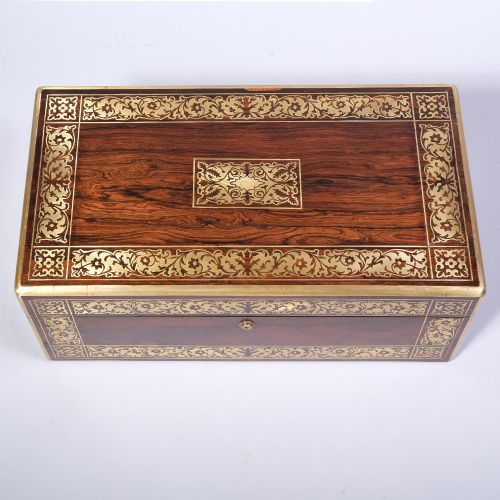
The version most commonly encountered on this page is the wooden stationery box or correspondence case, frequently fashioned from mahogany, walnut or rosewood. Many incorporate brass inlay, sterling silver mounts or specialised internal compartments tailored for paper, envelopes and writing implements.
How they were made
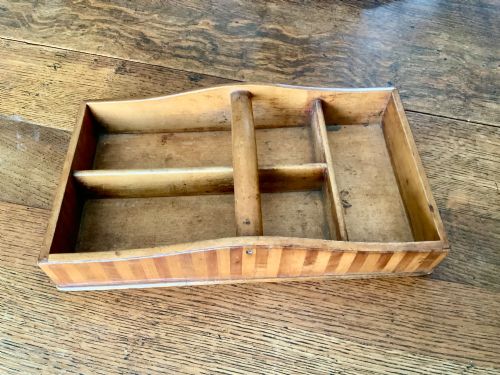
Joiners and cabinet makers constructed the wooden bodies of these pieces using dense hardwoods like mahogany, satinwood and walnut, often applying veneers and intricate stringing or star inlays. Metal hardware, including brass mounts, hinges and locks, provided structural reinforcement and decorative contrast.
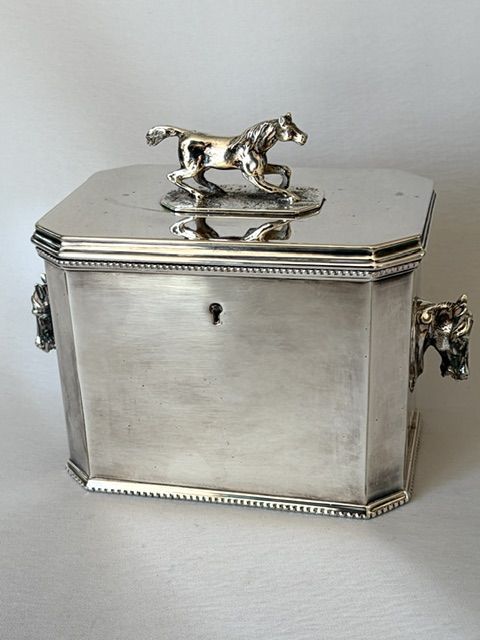
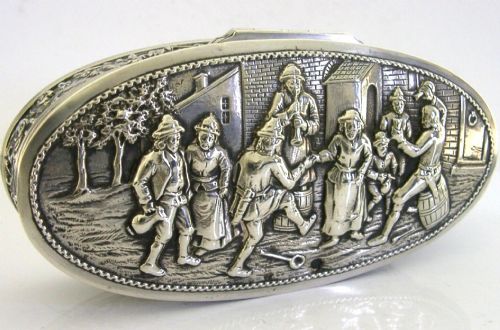
Silver items and mounts utilised sterling silver or silver plate, sometimes featuring chased floral scrolls, gilt linings or hallmarks identifying the silversmith and assay office. Specialised techniques like boulle work, brass inlay and mother of pearl detailing added surface ornamentation to the finer examples.
What varies in quality
The calibre of timber selection and cabinet work dictates the baseline standard, with dense, finely figured burr walnut, rosewood or satinwood marking out superior execution. Secondary woods used for interior divisions and the precision of dovetail joints further separate standard production from master craftsmanship.
The refinement of metalwork defines the upper tiers, seen in heavy gauge solid silver, crisp chasing, and accurately fitted brass stringing rather than stamped plated substitutes. Original internal fittings, functional locks with keys, and intact compartmentalisation elevate an example far above altered or stripped pieces.
Elkington·Mappin & Webb·Georg Jensen·A & J Zimmerman Ltd·W.M.F.
The Antique Desk Caddy Glossary
- Correspondence box
- A desk accessory specifically built to hold letters, stationery and writing paper. These containers often feature tiered internal dividers.
- Boulle work
- A decorative technique involving marquetry made from tortoise-shell and brass or pewter inlaid in intricate patterns. It adorns luxury French and English boxes from the nineteenth century.
- Navette
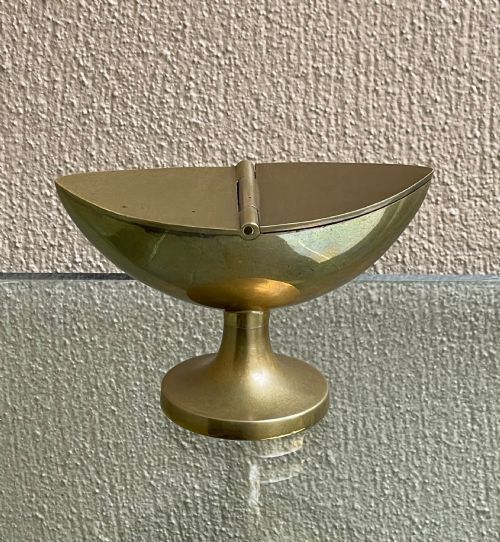
- A pointed, boat-shaped form typical of Georgian silver and small decorative objects. This silhouette appears on table snuff boxes and desk items.
- Stringing
- A narrow strip of contrasting wood inlaid into the surface of a piece to create decorative borders and geometric panels. It frequently outlines the edges of mahogany and satinwood boxes.
- Coopers
- Craftsmen who built rounded wooden containers using staves and metal hoops, similar to miniature barrels. This technique produced naval rum barrels and small storage vessels.
Antique Desk Caddy: Frequently Asked Questions
What is an antique desk caddy used for?
These pieces served to hold letters, envelopes, pens and smaller writing supplies neatly on a desk surface.
They kept working spaces tidy while displaying the social status of the owner through fine materials and decorative hardware.
How do I date a wooden stationery box?
Dating relies on observing the prevailing furniture styles, timber choices, and construction methods characteristic of periods like the Georgian or Victorian eras.
Secondary wood types inside the box and the style of brass hinges or locks offer further chronological clues.
Where were these desk accessories made?
Most pieces originate from British workshops, though some examples reflect French, Scandinavian or continental manufacturing techniques.
Makers in major centres utilised local and imported hardwoods alongside regional silver assay standards.
How do I care for wooden desk boxes?
Keep wooden pieces away from direct sunlight and sudden temperature shifts to prevent the natural veneers from drying or splitting.
Occasional dusting with a soft, dry cloth maintains the finish without harming antique polish or metal mounts.