


Antique Demitasse Coffee Cup
An antique demitasse coffee cup offers a smaller measure for after-dinner coffee, bringing historic porcelain and ceramic craftsmanship directly to the table.
Antique Demitasse Coffee Cup
An antique demitasse coffee cup is typically found in forms such as coffee cans, small teacups and saucers, or complete coffee services designed for after-dinner service. The pieces span multiple centuries, appearing in Georgian, Regency, Victorian, Edwardian, and 1920s iterations.
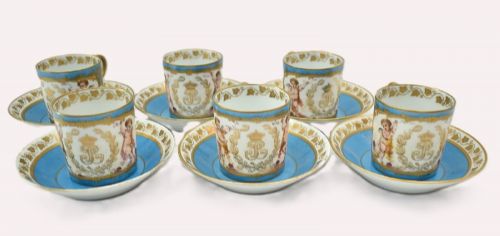
Makers produced these smaller vessels in porcelain, bone china, and earthenware, often shaped into cabinet cups, sets of six, or cased presentations. Buyers frequently encounter nineteenth-century English and continental porcelain alongside twentieth-century Art Deco designs.
Materials and technique
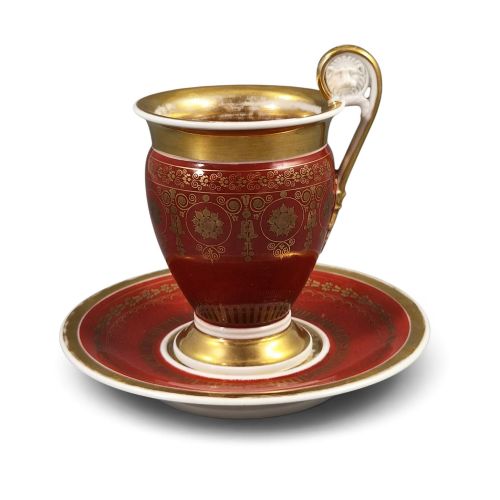
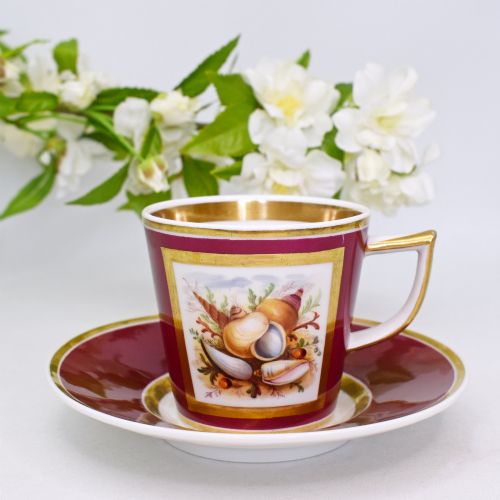
Potters shaped these miniature vessels primarily from porcelain and bone china, throwing or casting the clay before applying intricate hand-painted motifs. Artisans frequently utilised gold leaf, gilding, and enamel to embellish the surface details.
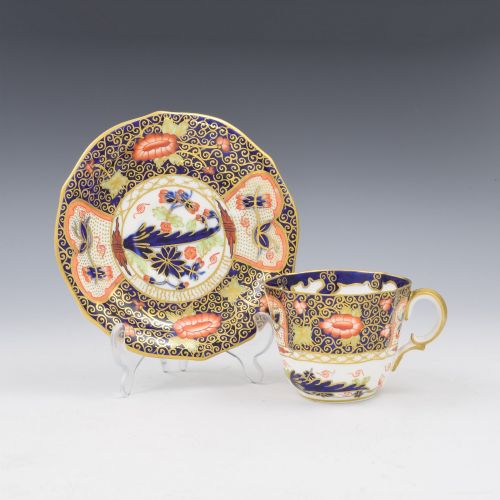
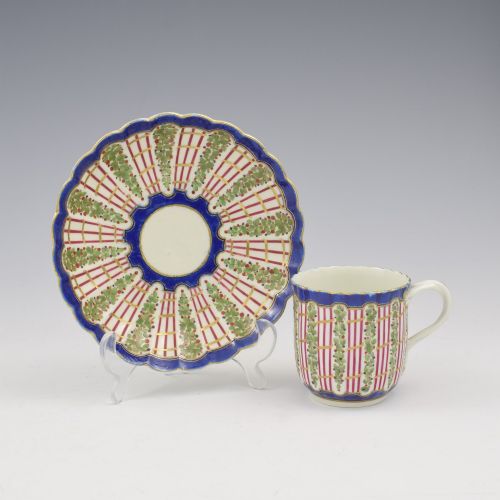
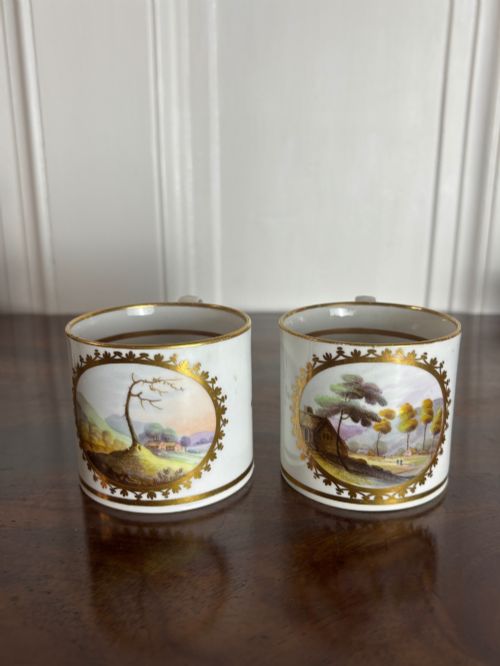
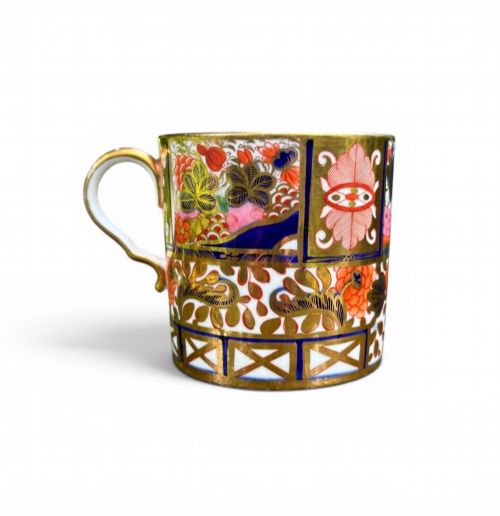
Firing techniques allowed factories to fuse delicate handles, such as lion mask motifs, and support complex patterns like Imari palettes, landscape paintings, and transfer-printed or hand-painted floral arrangements.
Listings feature porcelain, bone china, and earthenware across periods spanning the eighteenth, nineteenth, and twentieth centuries.
Standards of execution
Quality rests in the precision of the hand-painted decoration and the crispness of the porcelain body, where finer pieces display meticulous brushwork rather than simple transfer prints. The application of gold leaf and enamel requires a steady hand that separates standard production items from cabinet-grade examples.
The sophistication of the form also dictates distinction, moving from utilitarian wares to specialised cabinet cups featuring sculpted handles or distinct regional styles from major European factories.
Royal Crown Derby·Worcester·Minton·Spode·Sevres·Meissen·Coalport·KPM Berlin·Royal Worcester·Clarice Cliff·Elkington·Hutschenreuther
The Antique Demitasse Coffee Cup Glossary
- Demitasse
- A small cup used for serving black coffee after dinner. The term translates literally from French as half-cup.
- Coffee can
- A straight-sided cylindrical cup common in the late eighteenth and early nineteenth centuries. These vessels lack the flared sides of standard teacups.
- Imari
- A decorative style originating in Japan and copied by European factories, characterised by deep cobalt blue, iron red, and gold gilding. English potteries adopted these vibrant palettes extensively.
- Cabinet cup
- A decorative porcelain cup intended for display in a cabinet rather than regular use. These pieces often exhibit superior artistic painting and intricate gilding.
Antique Demitasse Coffee Cup: Frequently Asked Questions
What is a demitasse cup?
A demitasse cup is a small vessel specifically designed for serving strong black coffee or espresso after a meal. These miniature cups hold a smaller volume than standard teacups.
They appear across various historical periods, frequently accompanied by matching saucers and sometimes housed in fitted presentation cases.
How do I date an antique coffee cup?
Dating relies on examining the factory marks stamped or painted on the base, alongside the potting style and decorative palette. Eighteenth and nineteenth-century pieces often display hand-painted blue underglaze ciphers.
Twentieth-century examples transition toward printed backstamps and distinct modernist design movements like Art Deco.
Were these cups meant for daily use?
Many surviving examples were produced for formal dining, social gatherings, or display within porcelain cabinets rather than rugged everyday service. Cabinet cups, in particular, prioritized artistic decoration over utility.
Complete sets housed in fitted wooden cases point to occasional dining room deployment rather than routine kitchen application.
What styles are common in antique coffee sets?
The available pieces encompass Regency, Georgian, Rococo Revival, French Empire, and Art Deco aesthetics. Each period introduced distinct handle shapes, gilding methods, and surface patterns.
Early pieces often feature hand-painted florals or Imari designs, while later twentieth-century iterations embrace geometric jazz motifs and simpler earthenware forms.