



Antique Deer Mount
An antique deer mount brings the rugged drama of the nineteenth-century hunting lodge straight into a modern interior.
Antique Deer Mount
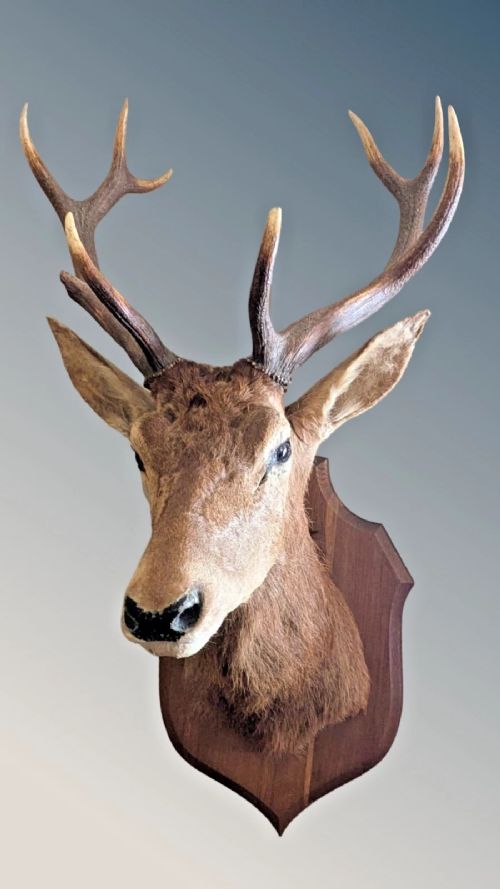
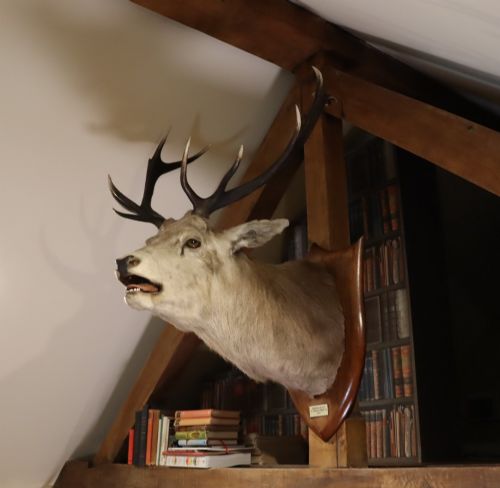
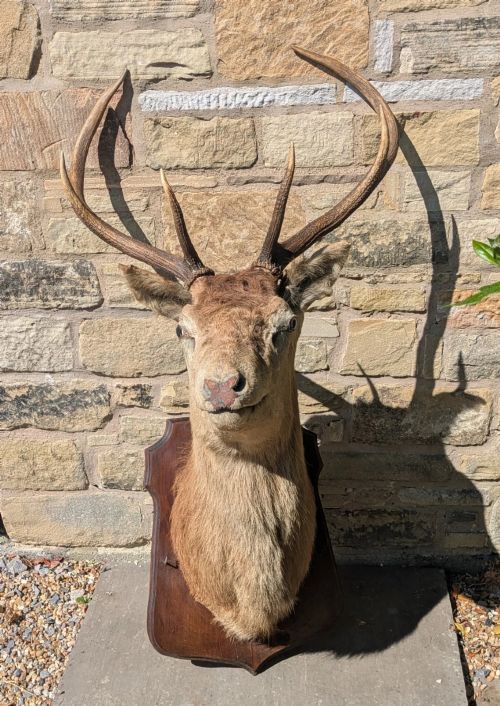
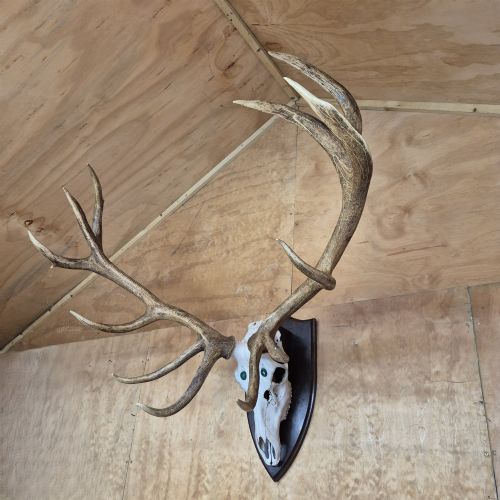
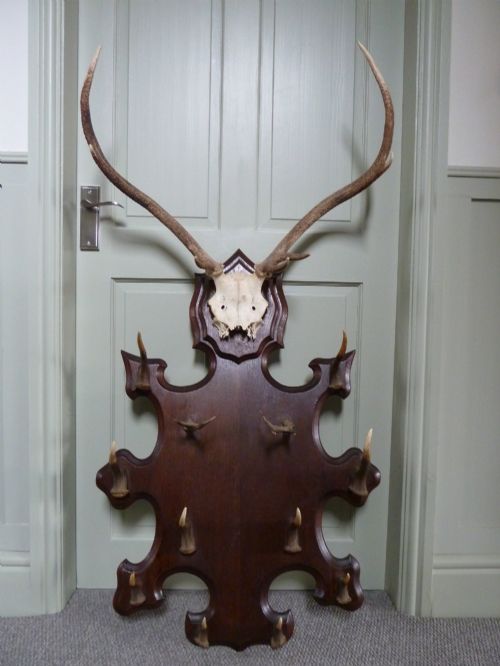
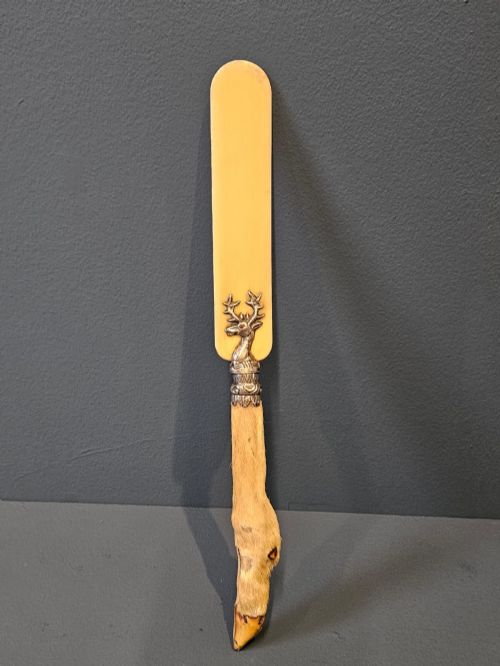
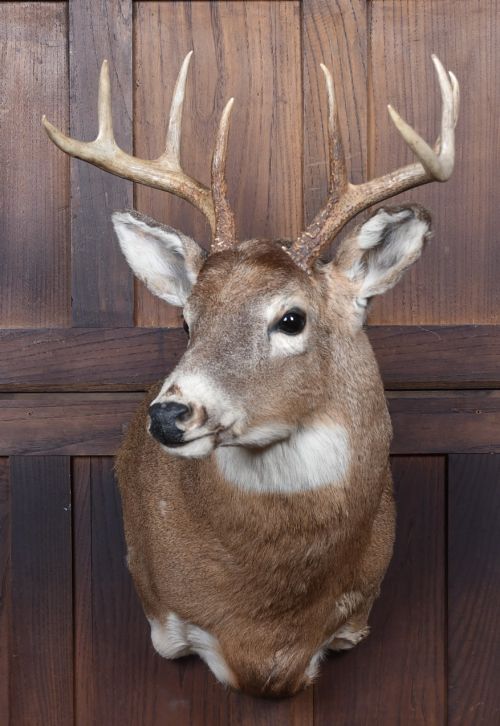
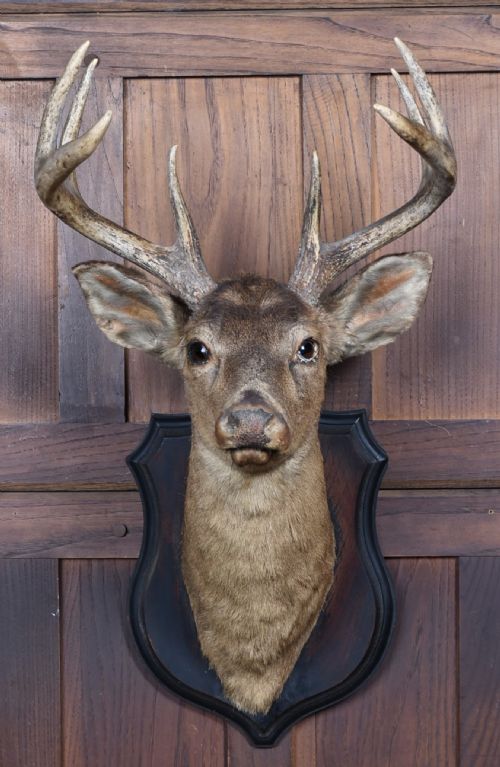
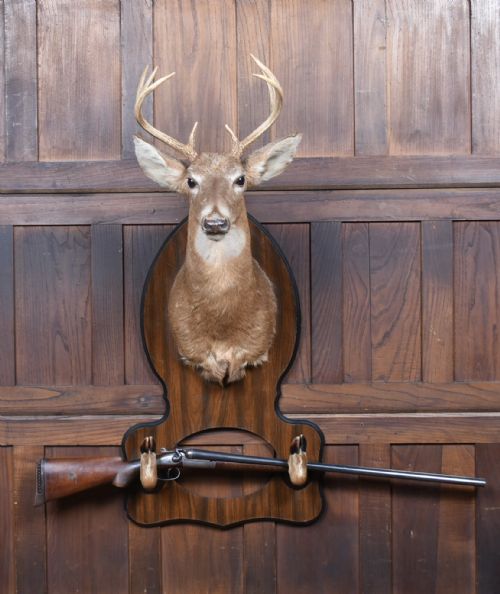
When you search for an antique deer mount, you encounter a striking array of taxidermy and carved wooden trophies dating from the Victorian era up to the twentieth century. These pieces range from imposing stag heads with grand antlers to functional hall stands, coat racks, and desk accessories formed from bone, hoof, and horn.
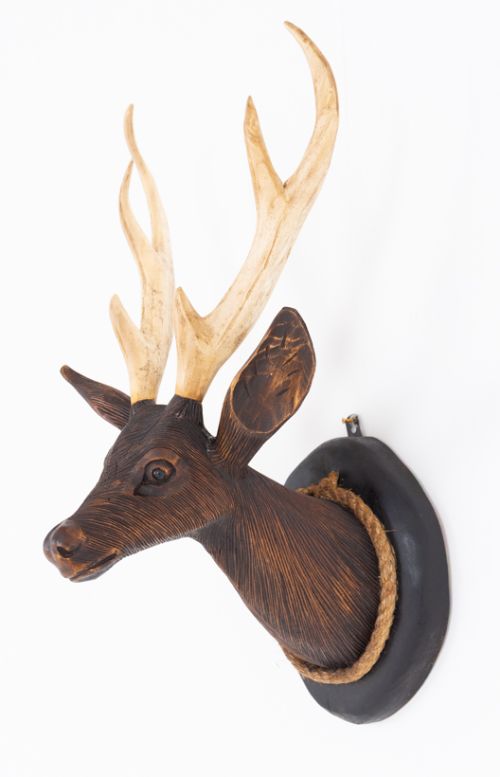
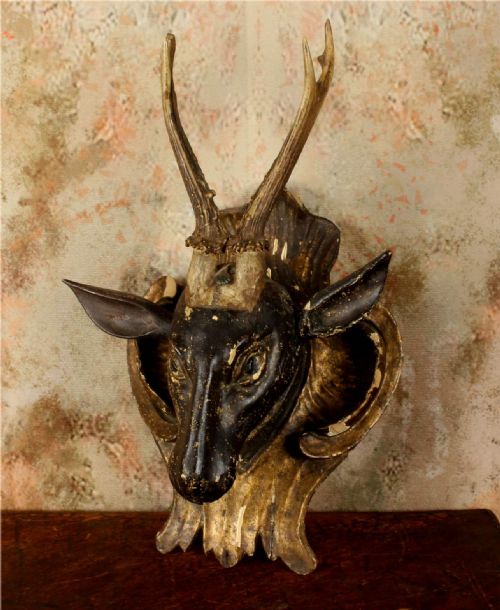
The most common examples on this page are mounted red deer and roebuck heads, often displayed upon carved oak shields or wooden wall plaques. Alongside traditional taxidermy, you will discover Black Forest style carvings, folk art interpretations, and practical desk items such as page turners and inkwells.
How they were made
Taxidermists and craftsmen utilised natural materials, mounting genuine antlers and hide onto carved wooden shields of oak or pine. Metalwork components in silver frequently complemented the horn and bone on desk stands and page turners.
Woodcarvers shaped intricate details by hand, particularly in the Black Forest style and folk art pieces, giving character to carved wooden deer heads. Taxidermy preservation techniques of the nineteenth and early twentieth centuries relied on traditional stuffing and mounting methods over sturdy structural frames.
Antique Deer Mount Retail Price Guide 2026
Typical asking prices for deer mount among the pieces listed under this phrase on Sellingantiques today, from the lower quarter to the upper quarter. They describe what is for sale here now, not the wider market.
Listings feature periods spanning from the Victorian era through the Edwardian period and into the nineteen-twenties and thirties.
What varies in quality
The symmetry and scale of the antlers largely dictate the distinction between ordinary specimens and exceptional trophies, such as twelve-point royal sets. Superior taxidermy maintains a lifelike expression and careful preservation of the hide and ears over decades.
The quality of the supporting woodwork distinguishes standard mounts from finer pieces; deeply carved oak shields and detailed Black Forest foliage show superior artisan skill compared to plain boards. Functional items gain distinction from the integration of quality materials like silver mounts and matched horn.
The Antique Deer Mount Glossary
- Black Forest style
- A nineteenth-century carving tradition originating in Switzerland, known for deeply carved naturalistic animal subjects and foliage in dark wood. These pieces often feature realistic rendering of stags and woodland elements.
- Taxidermy mount
- The artful preservation and display of an animal skin over a sculpted form. In these listings, they appear primarily as wall-hanging stags and roebucks.
- Page turner
- A desk accessory fashioned from bone, horn, or silver-mounted materials designed for turning the leaves of books without damage. They occasionally incorporate deer hoof or antler handles.
- Royal
- A term used to describe a red deer antler set with twelve points, indicating a mature and impressive trophy. Such sets command attention for their scale and symmetry.
Antique Deer Mount: Frequently Asked Questions
How do I hang a heavy deer mount securely?
Heavy taxidermy mounts require robust wall fixings anchored directly into masonry or secure wall studs rather than plaster alone. The weight rests largely on the wooden shield or mounting bracket behind the skull.
Use heavy-duty picture hooks or screws rated well above the weight of the specific mount. Ensure the piece tilts slightly downward to relieve pressure on the hanging wire and sit flush against the wall.
What is the difference between a stag and a roebuck mount?
Stag mounts feature the larger red deer, displaying expansive antlers with multiple points and a heavier overall head size. They were traditionally displayed as grand hunting trophies in country houses and lodges.
Roebuck mounts display the smaller European roe deer, possessing shorter, more upright antlers with a distinct rough texture. Their compact scale suits domestic spaces where a large stag head might overwhelm the room.
How do I care for antique taxidermy hair and hide?
Maintain antique taxidermy by gently dusting the hair and antlers with a soft, dry brush or a low-suction vacuum attachment. Keep the mount away from direct sunlight and strong heat sources to prevent the hide from drying and cracking.
Avoid using chemical cleaners or water on the preserved skin and fur. Stable room temperatures and moderate humidity preserve the integrity of both the hair and the underlying taxidermy form.
Where were Black Forest carvings made?
Black Forest carvings originated in the forested mountain region of central Europe, particularly Switzerland, during the nineteenth century. Local woodcarvers produced ornate animal sculptures, furniture, and wall mounts for the European and British export markets.
These pieces are easily recognised by their dark, rich wood tones and naturalistic depictions of stags, dogs, and woodland foliage. The style became widely popular in Victorian country houses and hunting lodges.