



Antique Decorative Wine Stands
These antique decorative wine stands span periods from the Regency era through to the twentieth century, offering practical table accessories and occasional tables for modern homes.
Antique Decorative Wine Stands
When you search for antique decorative wine stands, you encounter a varied selection of table pieces, bottle holders, coasters, and occasional small tables designed to hold bottles or sit beside seating areas. The items on this page range from Regency and Victorian eras into Edwardian and twentieth-century traditional periods.
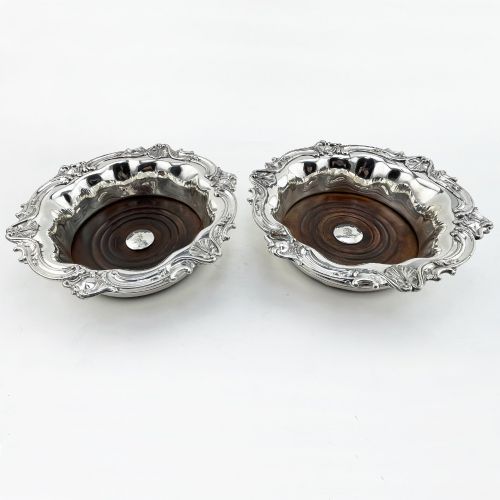
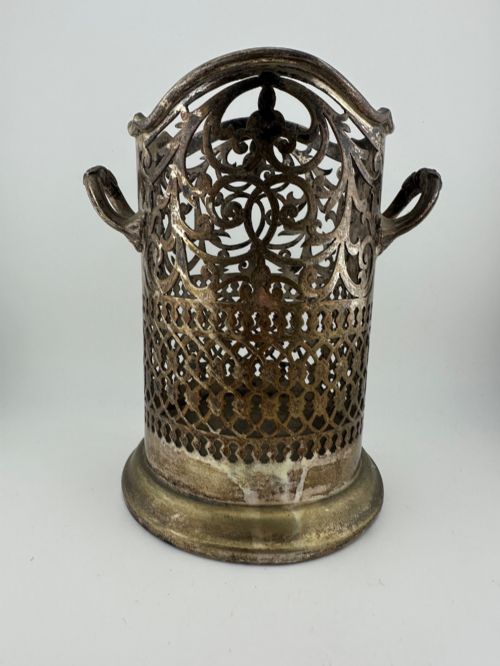
The forms span from twin wine bottle holders and pierced silver plated coasters to coopered oak planter stands, mahogany wine tables, and side tables with onyx tops. Origins represented in the evidence include English, French, and Dutch workshops.
Buyers meet both tabletop bottle rests and small stands, incorporating styles such as Renaissance Revival, Louis XVI Revival, and English Country. Each piece serves either to hold wine containers securely or to function as a decorative occasional surface.
How they were made
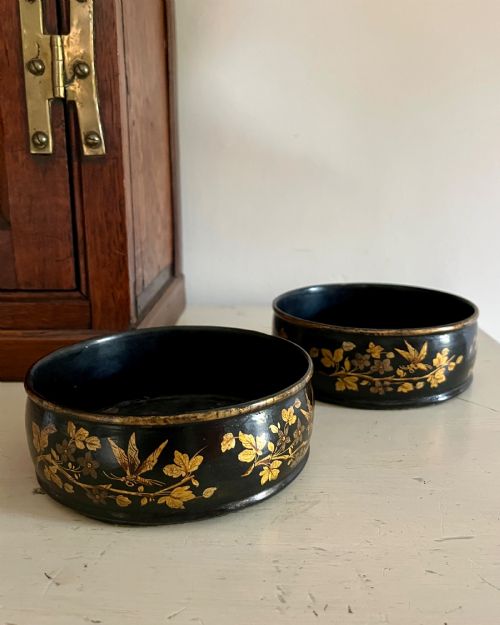
Materials utilised across these pieces include silver plate, brass, copper, and metals alongside timber varieties such as mahogany, walnut, and flamed mahogany. Makers also employed papier-mâché, lacquer, and gilt paint to achieve decorative finishes.
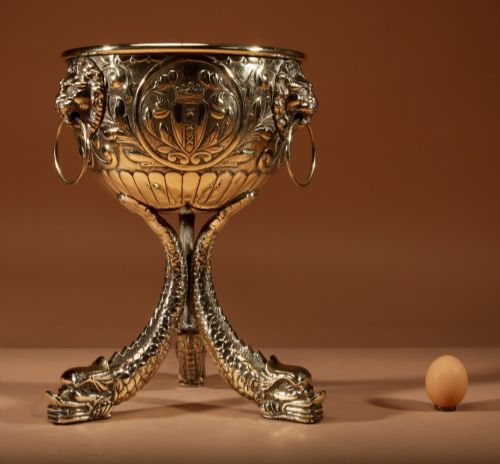
Construction techniques involve metal casting, embossing, silver plating, and coopered wood assembly using stave and ring methods for planters and bottle holders. Tripod bases, ebonised supports, and brass rims provide structural stability and decorative detail.
Antique Decorative Wine Stands Retail Price Guide 2026
Typical asking prices for decorative wine stands among the pieces listed under this phrase on Sellingantiques today, from the lower quarter to the upper quarter. They describe what is for sale here now, not the wider market.
Listings feature items spanning the Regency period through to the 1920s, constructed from mahogany, silver plate, brass, and copper.
What varies in quality
Quality differences appear in the crispness of cast or embossed metalwork and the precision of the joinery in mahogany and walnut timber pieces. Elaborate piercing on silver plate and the application of gilt paint or lacquer distinguish finer items from simpler utilitarian versions.
The integrity of coopered wooden staves, the retention of silver plating, and the stability of tripartite or tripod bases influence the overall standard of each piece.
Mappin & Webb
The Antique Decorative Wine Stands Glossary
- Wine Coaster
- A small, portable dish or tray placed on a dining table to hold a wine bottle and protect the surface from spills. They frequently feature pierced silver plate, brass rims, or turned wooden bases.
- Coopered
- A method of construction where curved wooden staves are joined side by side with metal or wood bands, commonly utilised for cylindrical planters and wine holders.
- Dinanderie
- An umbrella term for objects made of hammered, cast, or embossed brass, copper, and bronze, originating from the Belgian town of Dinant.
- Tole
- Painted or lacquered sheet metal used historically for domestic containers, trays, and hoppers.
- Tripod Table
- A small occasional table supported by a pillar above three legs, offering a compact surface for drinks or lamps.
Antique Decorative Wine Stands: Frequently Asked Questions
What is a wine coaster?
A wine coaster is a small circular tray or holder designed to sit on a dining table. It holds a bottle of wine and protects the table surface from moisture rings.
Many examples use silver plate or brass rims paired with turned timber bases, keeping the bottle stable during meals.
How were coopered stands made?
Coopered stands utilise narrow vertical wooden staves fitted together closely in a circle. Metal bands or hoops secure the staves into a sturdy cylindrical form.
This technique derives from barrel-making and provides the structural strength needed for holding heavier planters and bottles.
What is dinanderie brass?
Dinanderie refers to objects shaped from brass, copper, or bronze using techniques like casting and embossing. Artisans hammered and patterned the metal to create decorative items.
Pieces made this way display textured surface patterns and distinct metallic tones characteristic of early twentieth-century metalwork.
Where do wine tables fit in a room?
Wine tables function as small occasional surfaces placed beside chairs, sofas, or beds. Their compact size allows them to sit comfortably in tight spaces.
They provide a stable surface for resting drinks, small lamps, or desk accessories within easy reach.