




Antique Decorative Vanity Mirror
An antique decorative vanity mirror brings the intricate craftsmanship of past centuries onto a dressing table or wall, offering both functional reflection and ornate charm.
Antique Decorative Vanity Mirror
An antique decorative vanity mirror encompasses various forms, including table mirrors, dressing tables, and wall-mounted pieces designed for personal grooming and room ornamentation. Buyers browsing this selection encounter items originating from diverse periods such as the Victorian era, the Edwardian period, and the early twentieth century.
Materials and Construction
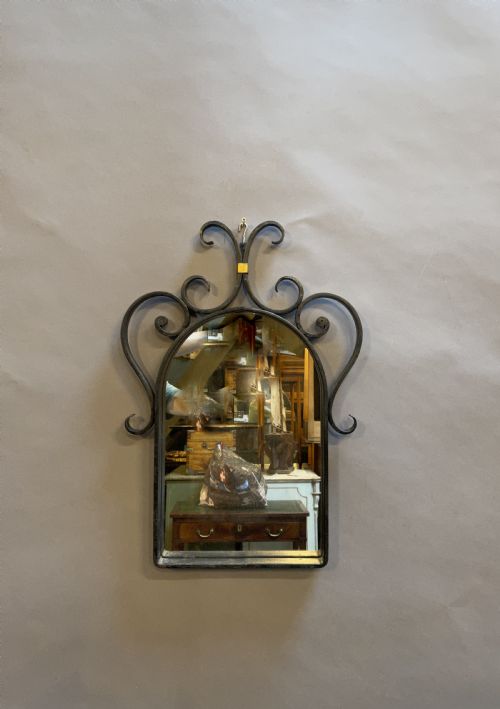
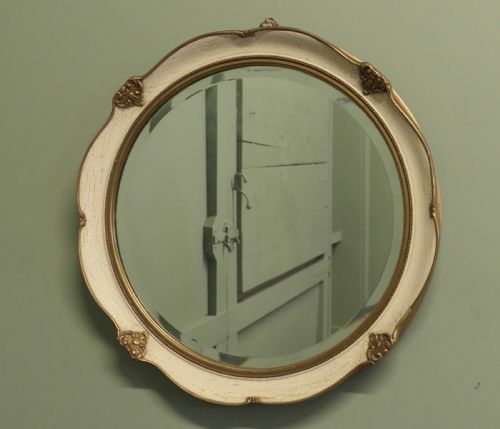
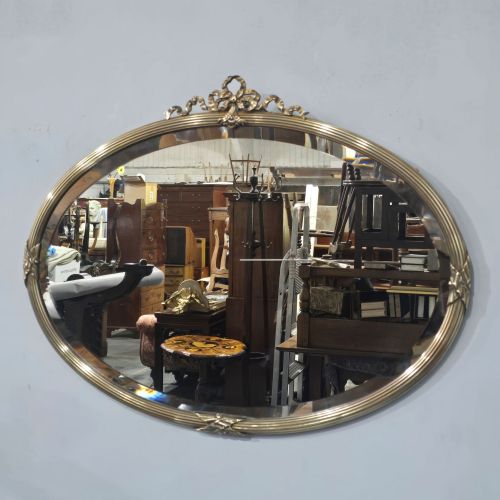
Frames rely heavily on traditional timber substrates like mahogany, walnut, and fruitwood, often paired with applied ornamentation in gesso and giltwood. Metal elements utilise cast brass, bronze, and spelter to form structural mounts and intricate crests.
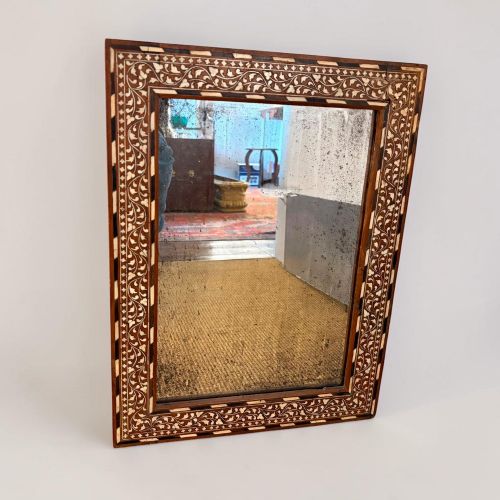
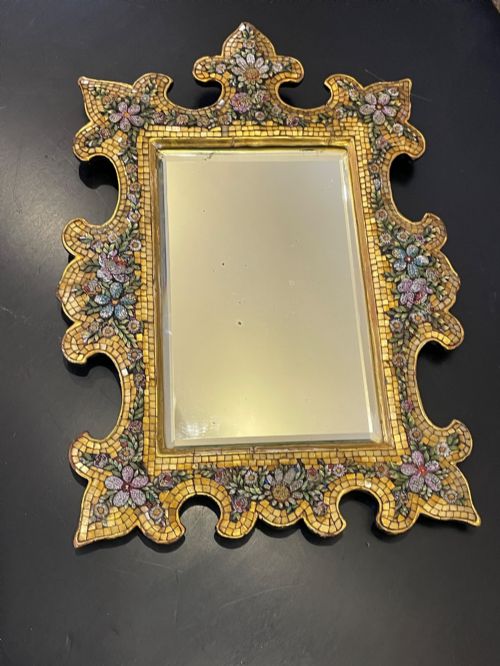
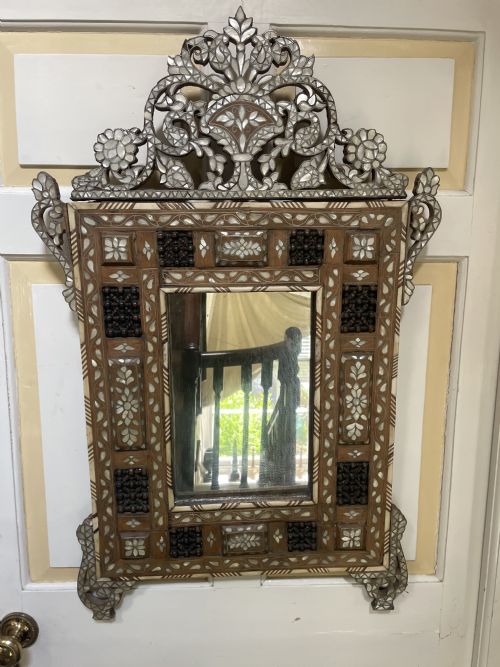
Surface decoration incorporates detailed techniques such as hand-painting, micro mosaic inlay, nacre-shell and bone inlay, and simulated wood finishes. Original mirror glass plates are secured within these elaborate housings to complete each functional object.
Antique Decorative Vanity Mirror Retail Price Guide 2026
Typical asking prices for decorative vanity mirror among the pieces listed under this phrase on Sellingantiques today, from the lower quarter to the upper quarter. They describe what is for sale here now, not the wider market.
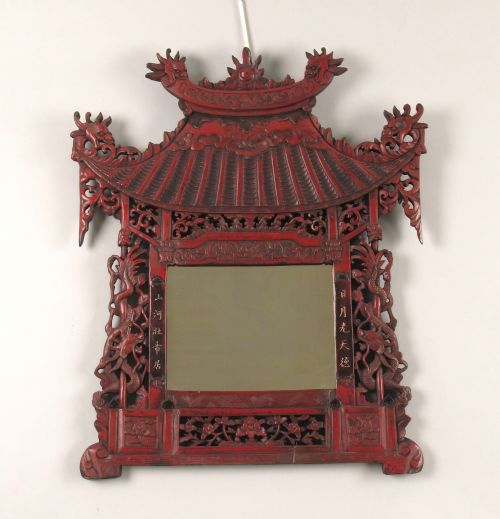
Objects recorded under this search span diverse regional forms, including Chinese red lacquer pagoda designs, Venetian mirrors, and French provincial styles.
Assessing Quality
Quality differentiates itself through the depth and precision of manual carving and the complexity of surface embellishments, such as hand-painted floral motifs or intricate micro mosaic work. Superior examples demonstrate intact original gilding, well-preserved gesso relief, and authentic period glass plates.
The integrity of the structural joinery in timber frames and the refinement of cast brass or bronze mountings further separate standard production items from masterworks. Materials like nacre-shell and bone inlay require exceptional skill to execute without disrupting the underlying wood substrate.
The Antique Decorative Vanity Mirror Glossary
- Gesso
- A plaster-like mixture applied to wood frames to create a smooth surface for painting or building up intricate low-relief decorative mouldings. This material allows for elaborate scrollwork and floral designs.
- Micro mosaic
- A technique utilising tiny coloured glass tesserae to form intricate pictorial or geometric patterns embedded within a matrix. These details appear on speciality Italian pieces.
- Spelter
- An alloy of zinc and other metals cast into decorative figures and frames, often painted or bronzed to imitate heavier metals. It gained popularity during the Victorian and Edwardian periods.
- Overmantle
- A large mirror designed specifically to be hung above a fireplace mantelpiece. These pieces often share decorative vocabulary with vanity and dressing mirrors.
Antique Decorative Vanity Mirror: Frequently Asked Questions
How do I date an antique vanity mirror?
Dating relies on examining the assembly methods of the frame, the backing boards, and the characteristics of the mirror glass itself. Stylistic clues such as Rococo Revival curves or Edwardian metalwork provide further chronological markers.
Secondary indicators include the presence of original paintwork, fasteners, and labels or stamps left by period makers or retailers. Comparing these physical traits against documented nineteenth and early twentieth-century design patterns secures an accurate timeline.
Are these mirrors suitable for daily bathroom use?
Most antique decorative vanity mirrors utilise silvered glass and traditional timber or gesso frames that are sensitive to excessive moisture and humidity. Placing them in unventilated bathrooms risks damaging the fragile backing and accelerating frame deterioration.
Instead, position these pieces in bedrooms, hallways, or dressing rooms where atmospheric conditions remain stable. Regular dusting with a dry cloth keeps the gilt surfaces and painted details preserved without introducing damaging liquids.
What is the difference between a dressing mirror and a wall mirror?
Dressing mirrors typically feature pivoted stands or small table bases designed to sit upon dressing tables, allowing the user to adjust the viewing angle. Wall mirrors incorporate fixed hanging loops or brackets intended strictly for vertical mounting.
While some transitional objects serve both functions through interchangeable mounts, their physical stability depends entirely on the intended hardware configuration. Checking the rear structure reveals whether a piece belongs on a piece of furniture or a wall.
How should I clean antique mirror glass?
Cleaning requires a soft microfiber cloth and a mild, ammonia-free glass cleaner sprayed sparingly onto the cloth rather than directly onto the plate. Avoiding harsh chemicals prevents liquid from seeping behind the glass edge and degrading the original silvering.
Special care must be taken around bevelled edges and fragile frame borders made of gesso or painted wood. Gentle wiping maintains the historic patina without causing abrasion to the delicate surrounding materials.