



Antique Decorative Trunk
An antique decorative trunk brings tactile history and substantial storage into a room, fashioned from leather, wood, and metal with regional ornamentation.
Antique Decorative Trunk
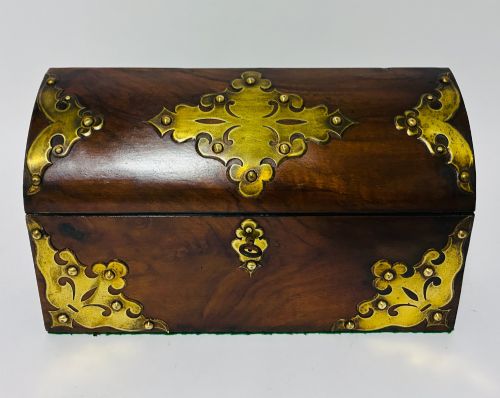
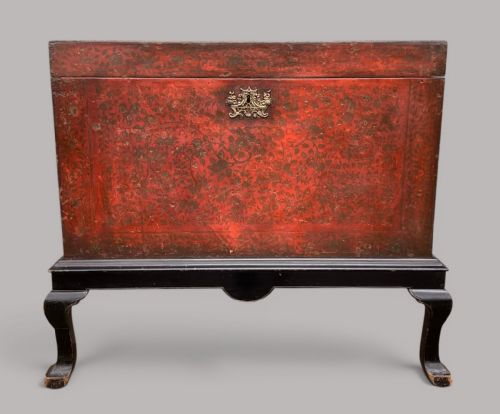
When you search for an antique decorative trunk, you encounter a diverse array of forms ranging from small brass bound boxes and hat boxes to large travel cases, chests, and coffers on stands. These pieces span multiple centuries and regions, including Victorian, Georgian, Edwardian, Dutch, Swedish, French, Chinese Export, and Middle Eastern origins.
Domestic pieces often display folk art painting or decorative brasswork, whilst travel-worn suitcases and portmanteau cases carry the patina of historical journeys via labels and leather cladding. Each piece serves a dual purpose as functional storage and striking ornamentation.
Materials and construction methods
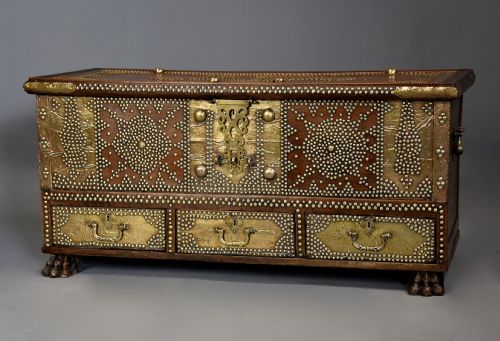
Maker construction relies heavily on structural woods like pine, hardwood, fruitwood, and walnut, frequently clad in leather, vellum, or tin. Surface decoration involves hand painting, lacquer, copper plating, and intricate brass bindings or studding.
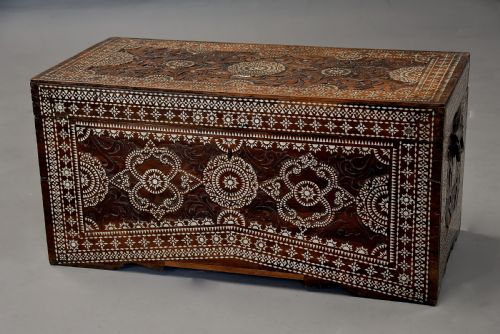
Detailing often incorporates mother of pearl inlay, carved fruitwood elements, and iron nailhead patterns. Joinery techniques range from dug out tree trunks to finely fitted silver chests and panelled coffers.
Metal components such as brass, copper, and iron reinforce corners, lids, and edges, combining structural durability with ornamental contrast against wood and leather surfaces.
Antique Decorative Trunk Retail Price Guide 2026
Typical asking prices for decorative trunk among the pieces listed under this phrase on Sellingantiques today, from the lower quarter to the upper quarter. They describe what is for sale here now, not the wider market.
Geographic origins represented include Sweden, Spain, France, China, India, and the Middle East, taking forms from hat boxes to chests on stands.
Factors of quality and execution
Quality in these pieces rests upon the integrity of the materials and the execution of surface decoration, whether through fine lacquerwork, painted folk art scenes, or precise brass binding. Superior examples maintain their original hardware, linings, and structural fastenings without excessive replacement.
The refinement of the joinery and carving distinguishes workshop production, seen in the contrast between robust utilitarian containers and finely detailed cabinets like chests on stands or inlaid hardwood trunks. Preservation of original finishes, travel labels, and patinated leather surfaces further elevates the character of a piece.
The Antique Decorative Trunk Glossary
- Cofer
- A large chest or strongbox used for storing valuables, often heavily bound in metal and leather.
- Portmanteau
- A large leather suitcase or travel trunk that opens into two distinct compartments.
- Chinoiserie
- European decorative art imitating Chinese artistic styles, frequently seen on lacquered and painted trunks.
- Vellum
- Fine parchment made from calfskin, utilised for covering luxury luggage and suitcases.
- Brass bound
- Furniture or trunks strengthened and decorated with strips and corners of brass.
Antique Decorative Trunk: Frequently Asked Questions
What are antique decorative trunks made from?
These trunks and boxes incorporate woods such as pine, walnut, fruitwood, and mahogany alongside leather, vellum, and tin.
Surface enrichment comes from brasswork, copper plating, paint, lacquer, and mother of pearl inlay.
How do I use a trunk in my home?
Trunks and coffers provide substantial enclosed storage for blankets, linens, and household items while functioning as coffee tables or accent furniture.
Smaller boxes and suitcases sit easily on shelves, sideboards, or floors as decorative display pieces.
How can I tell the period of a trunk?
Periods are identified through structural form, joinery methods, decorative motifs, and materials such as Georgian leatherwork or Victorian brass bindings.
Regional styles like Dutch brasswork or Swedish folk art painting also point directly to specific eras and origins.
Are these trunks suitable for travel?
Whilst historical trunks and suitcases were built for transit, modern travel demands different durability and handling.
It is best to treat antique trunks as static interior furnishings rather than active luggage.