

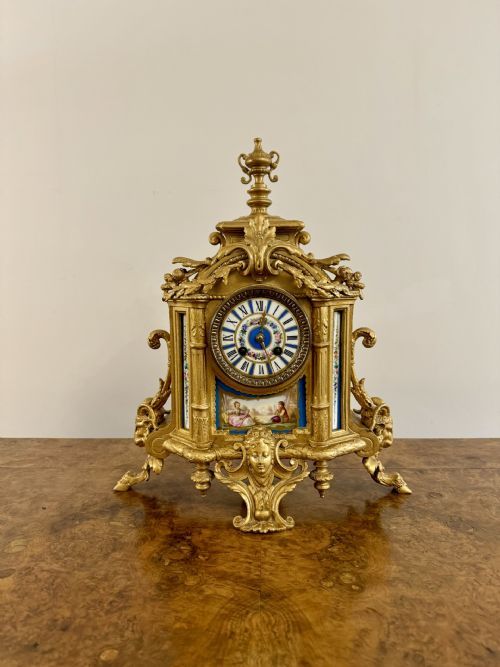


Antique Decorative Shelf
An antique decorative shelf brings period timber and metalwork into a room, offering a small stage for display that anchors an interior wall.
Antique Decorative Shelf
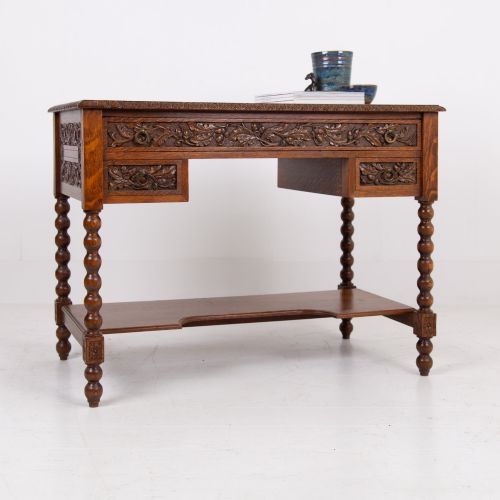
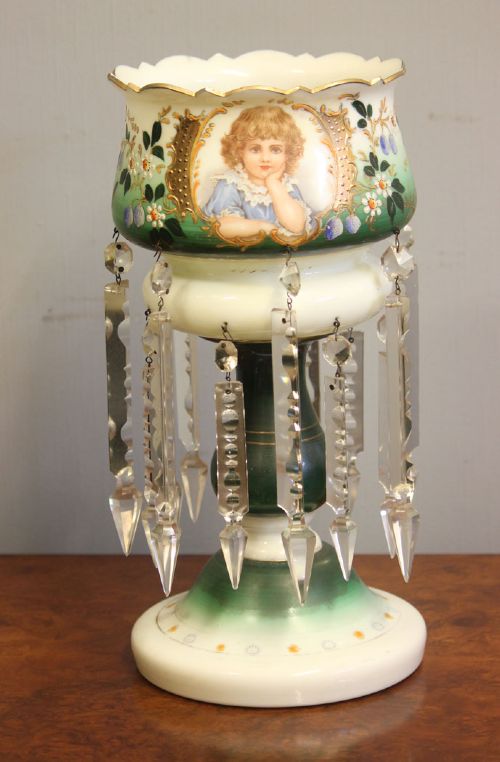
An antique decorative shelf encompasses wall brackets, wall shelves, and hanging bookcases originating from periods spanning the seventeenth century through to the early twentieth century. Buyers seeking this phrase frequently encounter pieces fashioned from walnut, oak, mahogany, and carved wood, alongside gilt bronze and porcelain.
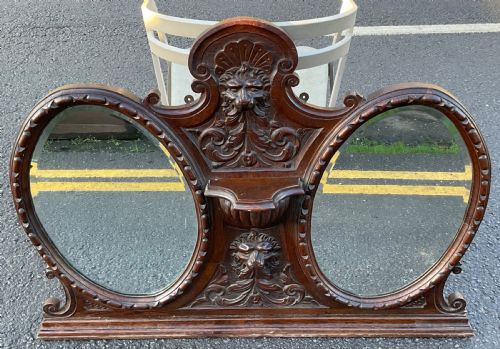
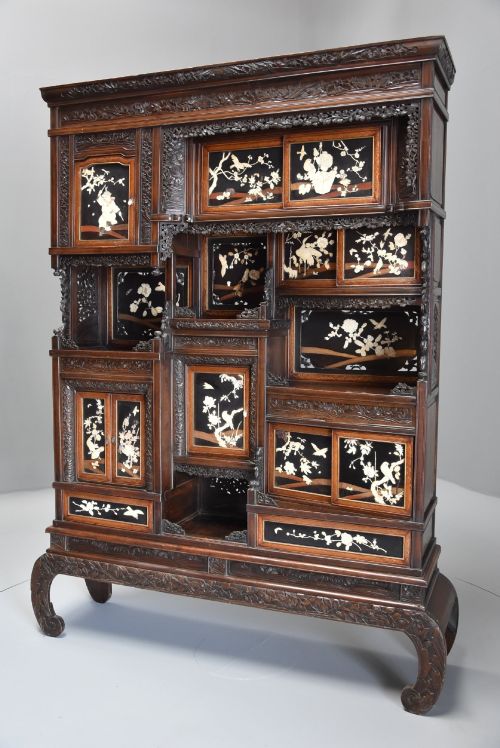
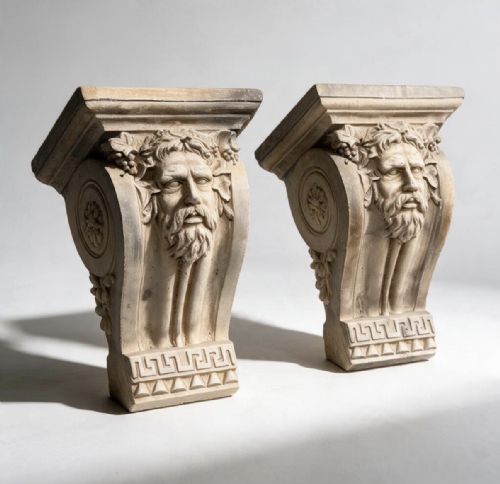
The selection ranges from simple oak open bookcases and carved corbel brackets to elaborate gilt-carved wall supports and inlaid ledges. Many examples reflect revival styles including Rococo, Baroque, and Louis XVI, as well as Arts and Crafts and Edwardian designs.
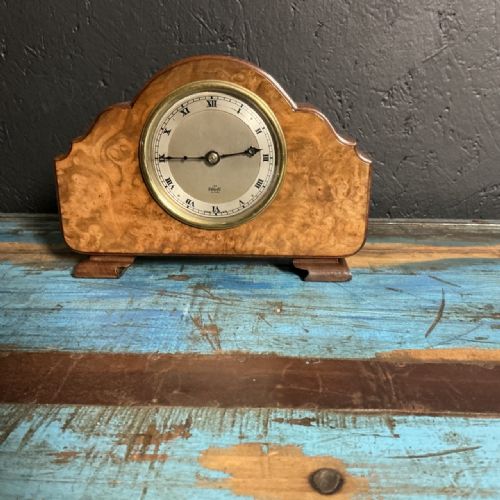
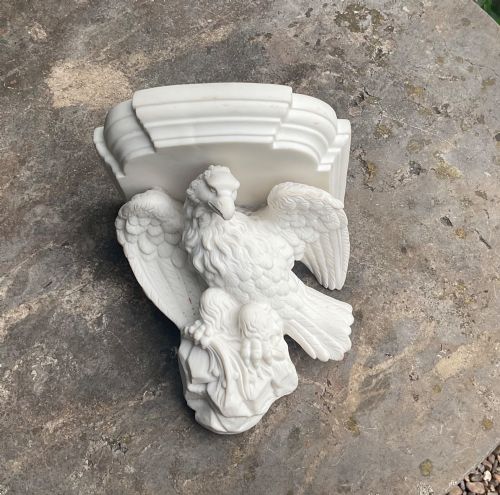
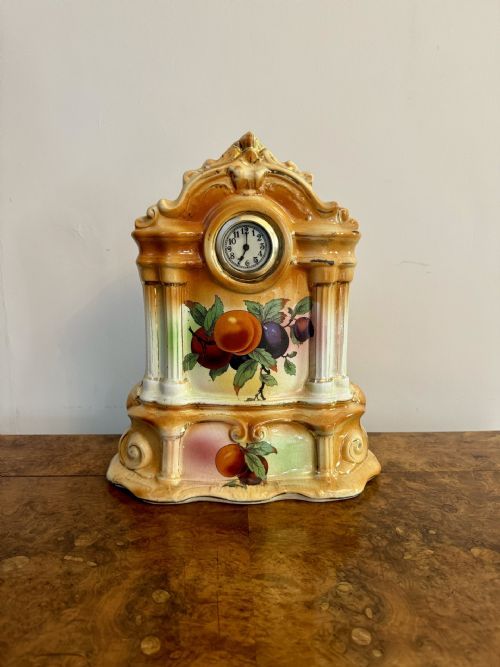
Originating predominantly from British and French workshops, these pieces function primarily to display small objects, books, or figures rather than to bear heavy loads. Their forms vary from single-tier wooden ledges to architectural wall brackets designed to anchor statuary or clocks.
How They Were Made
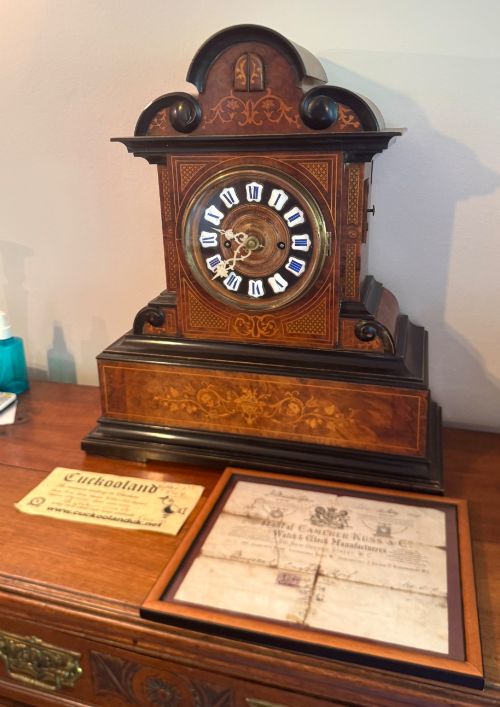
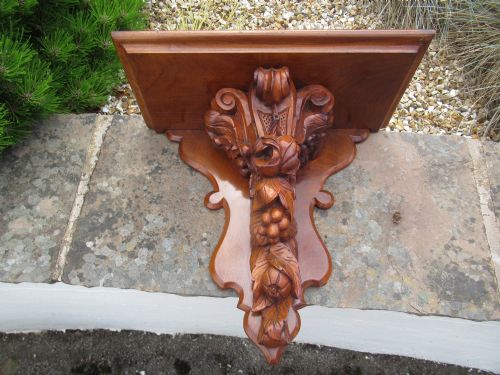
Cabinetmakers and carvers utilised dense hardwoods such as oak, walnut, mahogany, and elm, shaping them through hand-carving, marquetry inlay, and ebonising. Timber components frequently feature shaped brackets, pierced cut-outs, and turned or carved supports.
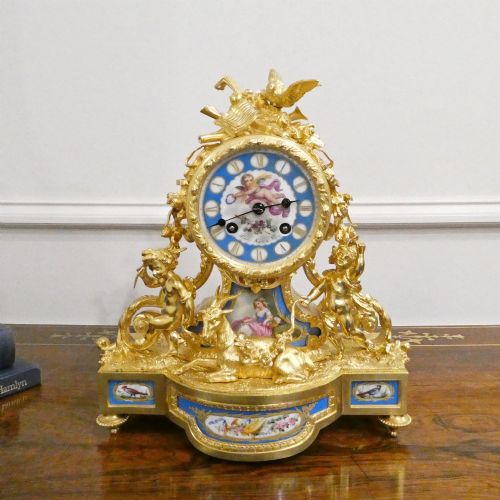
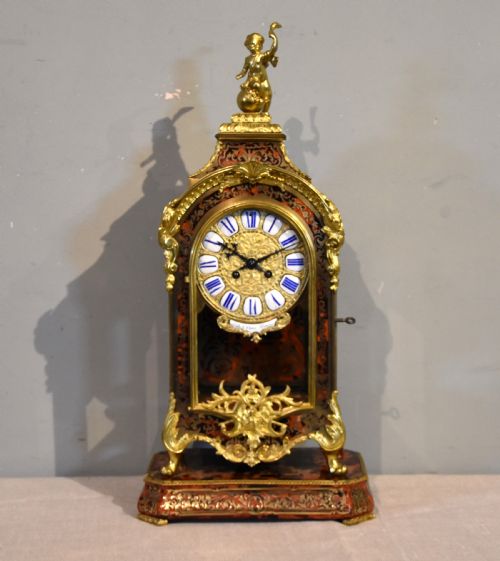
Metal elements incorporate cast brass, ormolu, gilt bronze, and heavy cast iron, often combined with enamel, porcelain plaques, or marble. These metals were cast, chased, and gilded to create decorative mounts and architectural corbels that support the wooden ledges.
Antique Decorative Shelf Retail Price Guide 2026
Typical asking prices for decorative shelf among the pieces listed under this phrase on Sellingantiques today, from the lower quarter to the upper quarter. They describe what is for sale here now, not the wider market.
What Varies in Quality
The distinction between standard execution and finer work lies in the depth and crispness of the hand-carving on wooden elements and the precision of the bronze chasing on metal mounts. Superior pieces display fluid, confident lines in scrollwork and foliage, while lesser examples show softer, shallower detail.
Material selection and structural integrity also divide the range, with select timbers exhibiting choice grain patterns and well-fitted joinery that withstands decades of wall mounting. Integrated decorative elements, such as hand-painted porcelain or fire-gilding on bronze, elevate the refinement of the piece.
Henry Marc·Etienne Lenoir·Seller of Reading·C Omin·Compton Potters Art Guild
The Antique Decorative Shelf Glossary
- Corbel
- A structural bracket projecting from a wall to support a weight, typically carved from wood or cast in bronze.
- Ormolu
- Finely ground high-carat gold-mercury amalgam applied to a bronze object, frequently seen on French revival pieces.
- Marquetry
- Decorative veneer applied to woodwork in geometrical patterns or pictorial designs using various coloured woods.
- Ebonisation
- A finishing process where timber, commonly fruitwood or walnut, is treated to resemble ebony.
- Champlevé
- An enamelling technique where troughs are dug into a metal surface and filled with vitreous enamel before firing.
Antique Decorative Shelf: Frequently Asked Questions
How do I mount an antique wall shelf?
Most antique wall shelves and brackets utilise existing rear screw holes or original hanging loops fixed into the timber or metal frame. Due to the weight of dense hardwoods and cast bronze, secure wall anchors suited to your plaster or brickwork are essential.
Position the shelf at an appropriate height to avoid accidental knocks, ensuring the supporting brackets anchor firmly into studs or solid wall structures rather than relying on plaster alone.
What periods do these shelves represent?
The listings span from the seventeenth century through the Victorian and Edwardian eras up to the early twentieth century. Common stylistic revivals include Baroque, Rococo, and Louis XIV or XVI designs executed in nineteenth-century France and Britain.
Earlier pieces typically display heavy hand-carved oak, while later Victorian and Edwardian examples incorporate walnut, mahogany, and lighter Arts and Crafts construction.
How should I clean wooden and gilt shelves?
Dust wooden surfaces gently with a dry, soft cloth, avoiding commercial silicone polishes that build up over time. Wax can be applied sparingly to unsealed hardwoods to nourish the grain.
Gilt bronze and ormolu mounts require particular care; use only a dry brush to remove dust from crevices, as moisture or abrasive cleaners will strip the delicate gilding.
Can these shelves hold heavy books?
While some sturdy oak and mahogany wall shelves or small bookcases are built to support volumes, many decorative wall brackets are intended for light display items such as small clocks or porcelain figures. Examine the construction of the backplate and the depth of the supporting corbels before placing heavy objects on the ledge.
If the piece relies on delicate carved wood or slender brass joints, restrict its load to decorative ornaments to preserve the antique structure.