



Antique Decorative Sewing Box
An antique decorative sewing box brings nineteenth-century craftsmanship to a modern dressing table, offering both practical storage and exquisite surface decoration.
Antique Decorative Sewing Box
An antique decorative sewing box encompasses nineteenth-century workboxes, needlework caskets, and ladies boxes designed for domestic needlecraft. These pieces originate from periods such as the Regency and Victorian eras, reflecting the domestic pursuits of their original owners.
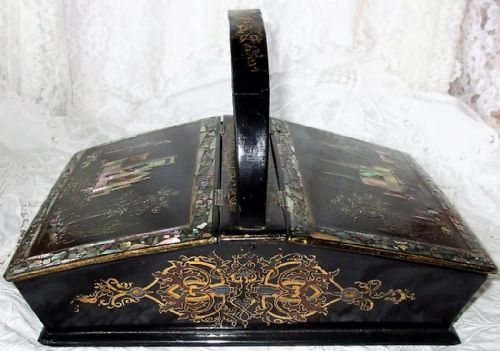
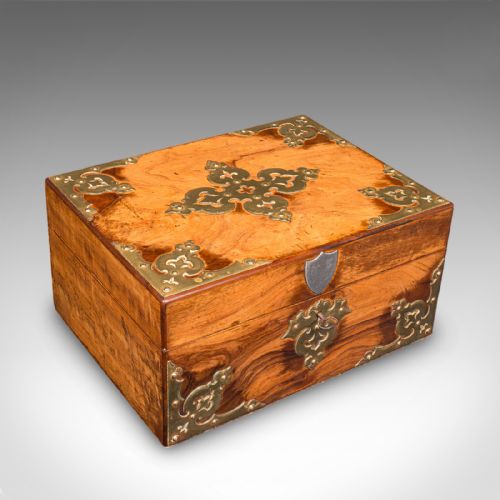
Buyers encounter forms ranging from sarcophagus shapes to baskets and caskets. Materials span rosewood, walnut, and lacquer, often ornamented with brass or mother-of-pearl.
Origin and regional style vary widely, with examples including Scottish walnut cases, French rosewood baskets, and Anglo-Indian quill-work pieces.
Materials and construction
Cabinetmakers constructed these workboxes using dense timbers like rosewood and walnut, sometimes forming distinctive sarcophagus profiles. Surfaces received elaborate treatment through mother-of-pearl inlay, brass mounts, and detailed Tunbridge Ware mosaic wood patterns.
Specialised techniques include yellow japanning, penwork decoration, and quill-work combined with horn and ivory. Interiors frequently featured fitted compartments lined in leather, such as red Russia-leather, to organise needles, threads, and small tools.
Antique Decorative Sewing Box Retail Price Guide 2026
Typical asking prices for decorative sewing box among the pieces listed under this phrase on Sellingantiques today, from the lower quarter to the upper quarter. They describe what is for sale here now, not the wider market.
Listings feature nineteenth-century pieces spanning the Regency and Victorian periods, constructed from rosewood, walnut, and brass.
Distinctions in quality
Quality rests upon the precision of surface decoration, from the tightness of Tunbridge Ware tessellations to the delicacy of mother-of-pearl inlay. Finer boxes display integrated cabinetmaking where brass escutcheons and banding sit completely flush with the timber.
The sophistication of the internal compartment layout distinguishes standard workboxes from superior pieces. Elaborate fitted interiors utilising specialised leathers and coordinated trims indicate higher workshop production.
The Antique Decorative Sewing Box Glossary
- Tunbridge Ware
- A form of woodwork characterised by minute mosaic patterns made from many different coloured woods. It originated in Kent during the nineteenth century.
- Sarcophagus
- A box shape featuring a sloping lid and a stepped or domed profile reminiscent of classical stone monuments. Makers applied this monumental form to miniature domestic containers.
- Workbox
- A portable container fitted with trays and compartments specifically designed to hold sewing implements and materials. These items sat on tables in nineteenth-century parlours.
- Japanning
- A European imitation of East Asian lacquerwork produced using successive coats of varnish and heat curing. Yellow examples appear among nineteenth-century containers.
- Penwork
- A decoration technique using fine ink lines drawn directly onto wood to create pictorial or geometric designs. Artisans then sealed these drawings beneath clear varnish layers.
Antique Decorative Sewing Box: Frequently Asked Questions
How were sewing boxes used originally?
Ladies used them to organise threads, needles, thimbles, and small scissors during the Regency and Victorian periods. They sat on parlour tables ready for evening needlework.
The fitted trays lifted out to reveal deeper storage space underneath for ongoing textile projects.
How do I date a Regency sewing box?
Regency boxes typically date from the early nineteenth century and feature clean architectural lines, often in rosewood or leather. They rely on subtle brass inlay or mounts rather than heavy Victorian ornamentation.
Proportions tend to be classical, reflecting the furniture designs prevalent during the British Regency and French Restoration periods.
What is Tunbridge Ware?
Tunbridge Ware refers to wooden items decorated with mosaic patterns built from thousands of tiny tinted wood blocks. This technique creates detailed geometric or pictorial motifs on the lid.
Pieces originating from this tradition represent a distinct branch of nineteenth-century English decorative woodworking.
How do I care for a wooden workbox?
Keep the wood away from direct sunlight and steady heat sources to prevent timber splitting and veneer lifting. Dust gently with a dry, soft cloth and avoid liquid polishes.
Maintaining stable indoor humidity preserves both the exterior finish and the delicate internal paper or leather linings.