

Antique Decorative Pot
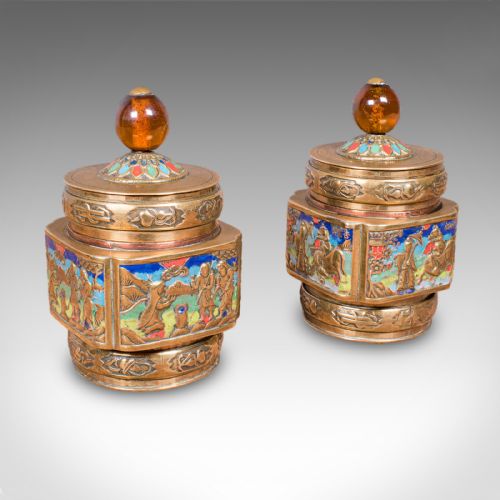
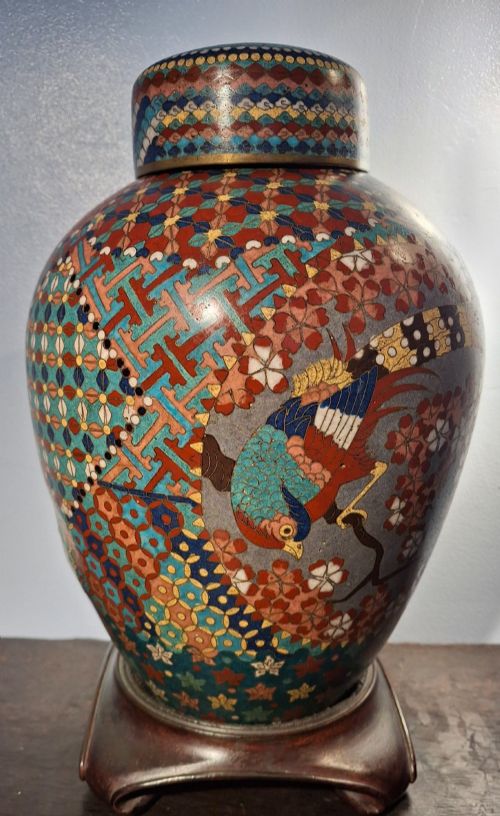
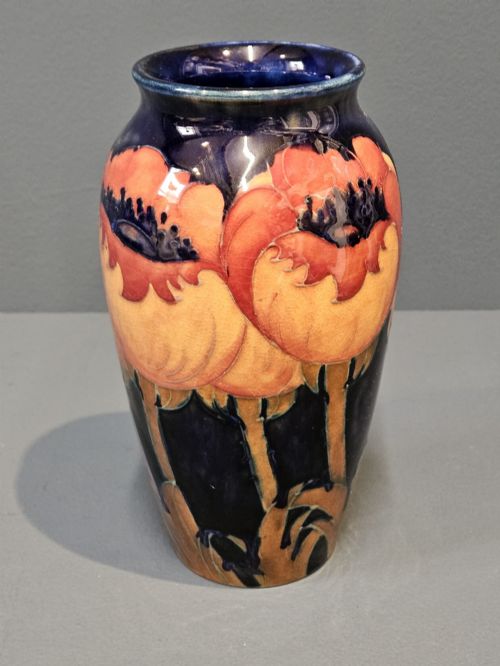
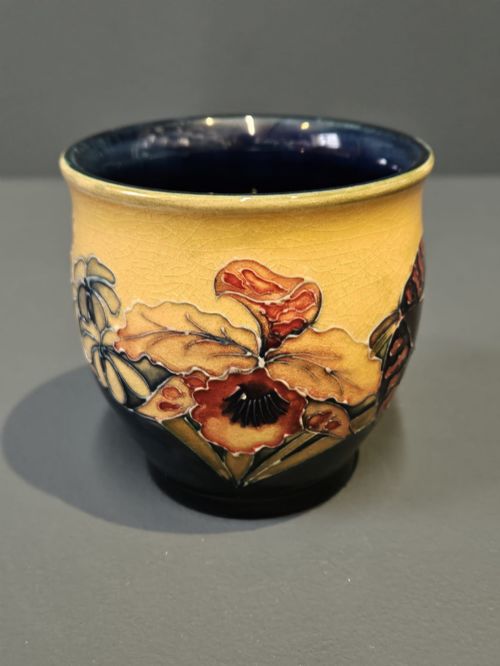
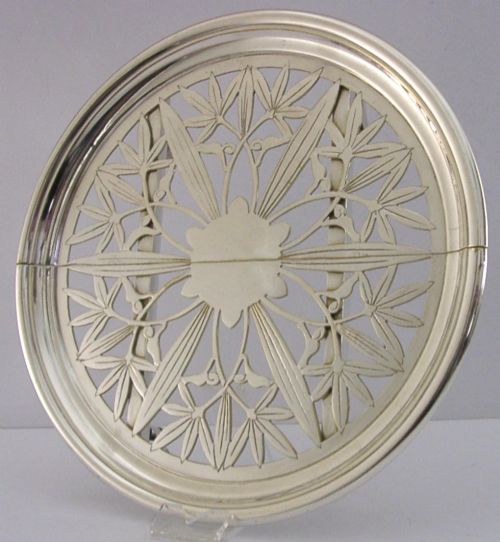
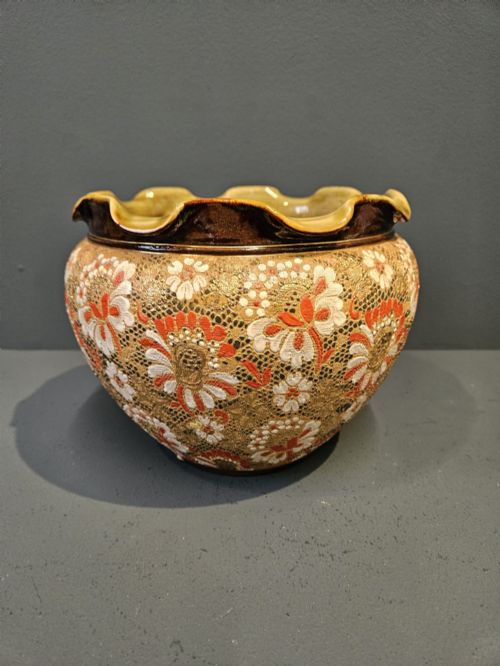
An antique decorative pot brings colour and texture to a room, spanning ceramic, metal and cloisonne vessels from the nineteenth and early twentieth centuries.
Antique Decorative Pot
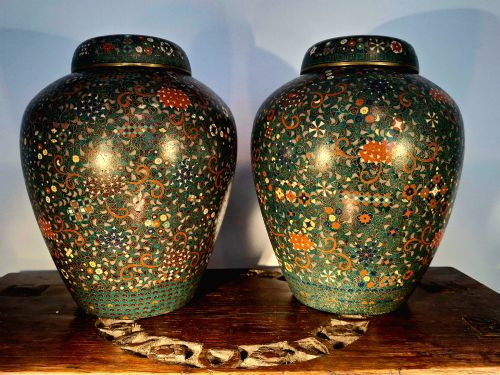
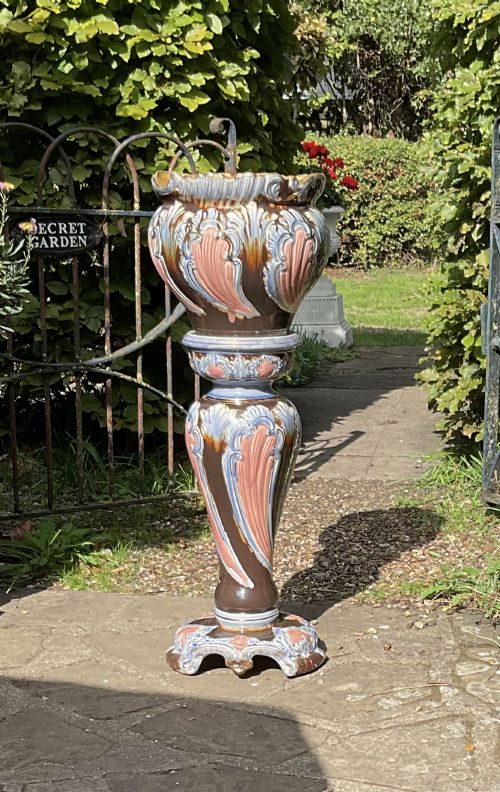
An antique decorative pot encompasses jardiniere planters, lidded ginger jars, vases and urns originating from British, European and Asian workshops.
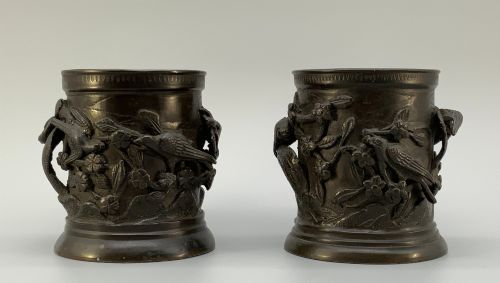
The selections span Victorian majolica and art pottery alongside Japanese cloisonne enamel and Chinese bronze vessels.
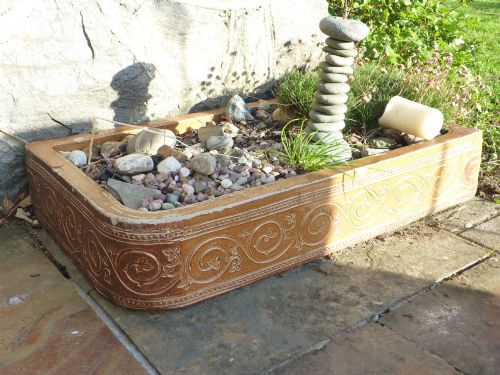
Buyers encounter planters designed for foliage alongside display pieces shaped for surfaces and pedestals.
Materials and Techniques
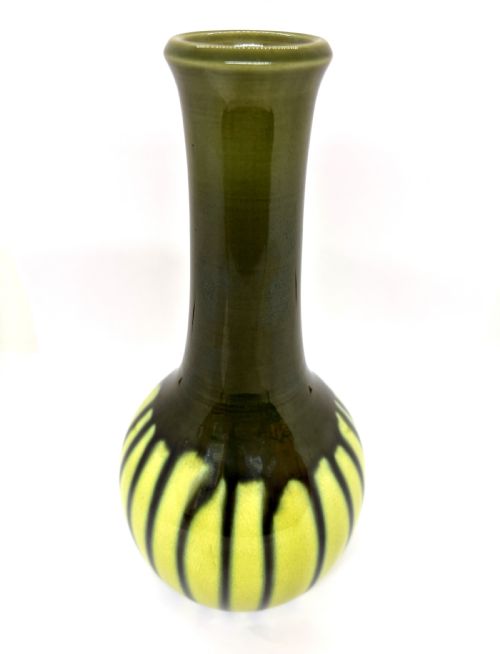
Pottery and earthenware bodies carry glazes, hand-painted details and majolica finishes.
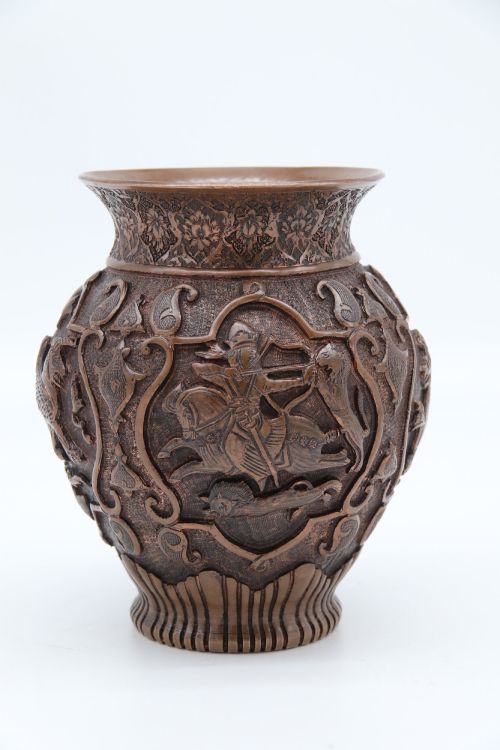
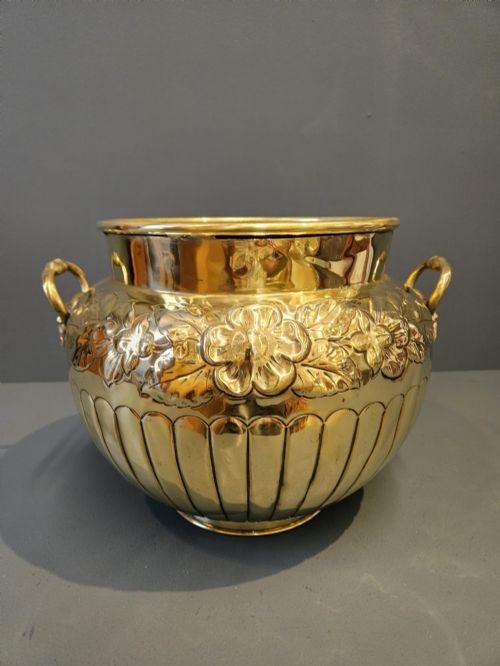
Metal vessels utilise copper, brass, bronze and cast iron shaped through repousse, hammering and cloisonne wire work.
Listings feature ceramic, copper, brass, bronze and cast iron vessels spanning the Victorian and Art Deco periods.
Quality and Execution
Execution shows in the precision of hand-painted brushwork on porcelain and the clarity of cloisonne enamel cells.
Metal vessels distinguish themselves through crispness in repousse hammering and the weight of cast iron or bronze.
Moorcroft·Doulton Lambeth·Burmantoft's Pottery·Royal Worcester·Christofle·Makuzu Kozan II
The Antique Decorative Pot Glossary
- Jardiniere
- A decorative ceramic or metal pot designed to hold a plant or floral arrangement. These vessels often sit on matching pedestals.
- Cloisonne
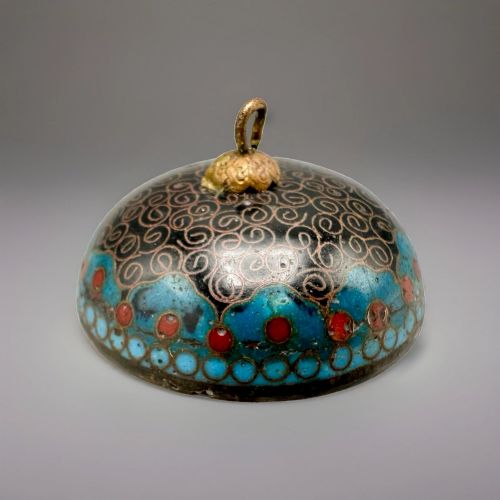
- A metalwork technique where thin wire creates compartments on a surface, which are then filled with coloured enamel. Japanese pieces frequently utilise this method.
- Majolica
- A type of earthenware coated with an opaque tin glaze and painted with bright colours. It gained popularity during the Victorian era for garden and indoor vessels.
- Repousse
- A metalworking technique where the artisan hammers a design from the reverse side to form a raised pattern. Copper and brass items often display this texture.
Antique Decorative Pot: Frequently Asked Questions
What is a jardiniere used for?
A jardiniere holds potted plants or cut flowers inside the home. They protect tabletops and floors while adding decorative colour to a room.
Larger versions often stand on matching pedestals in hallways or beside fireplaces. Smaller pots sit comfortably on side tables and window ledges.
Where should I place a heavy cast iron urn?
Heavy cast iron urns suit entranceways, gardens and sturdy interior landings. Their substantial weight provides stability against wind and accidental knocks.
Original painted finishes pair well with stone floors and rustic architectural elements.
How do I care for antique brass planters?
Clean antique brass planters with a soft, dry cloth to remove dust. Avoid harsh chemical polishes that strip away the aged patina built up over decades.
Line the interior with a plastic container if you use real plants to prevent moisture damage to the metal.