
Antique Decorative Pitchers
These antique decorative pitchers bring undeniable presence to a room, combining tactile ceramics and gleaming metalwork from past centuries.
Antique Decorative Pitchers
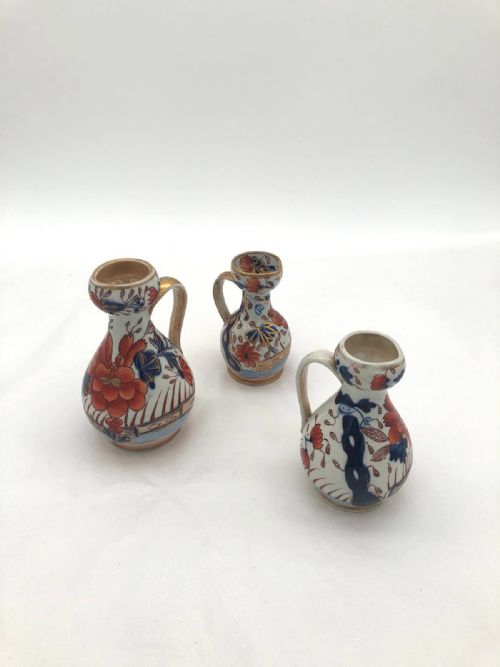
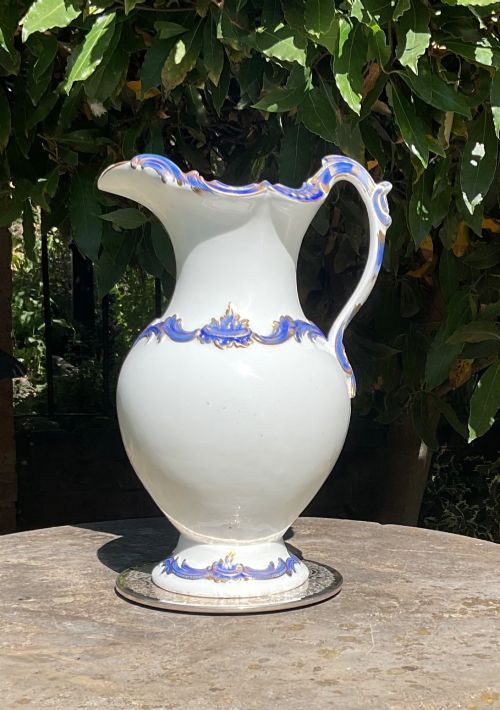
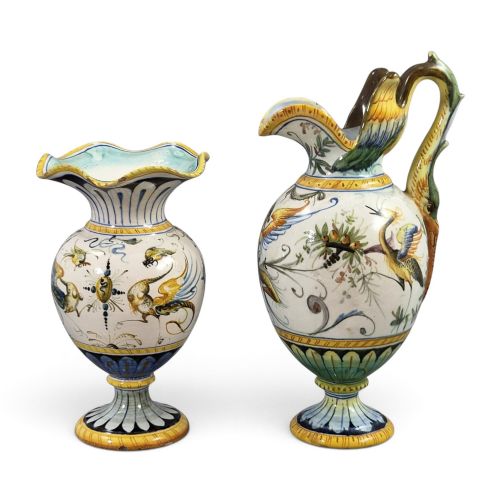
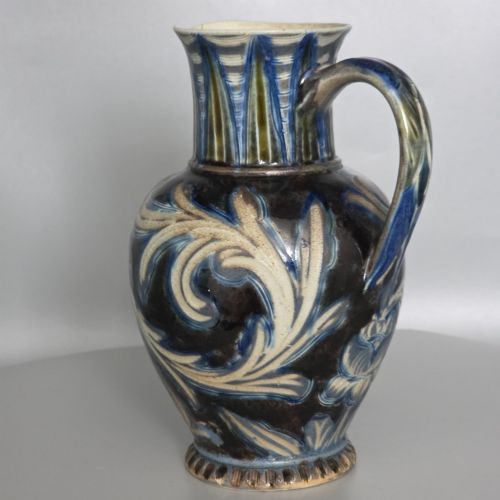
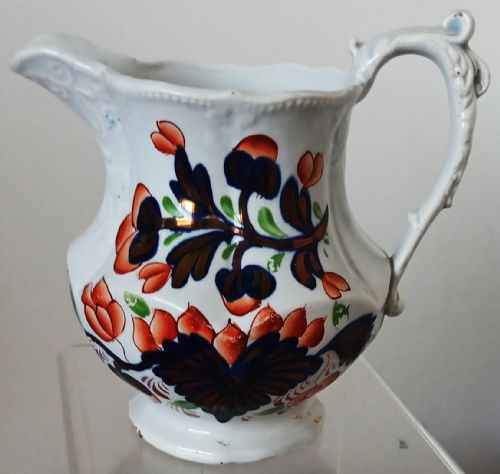
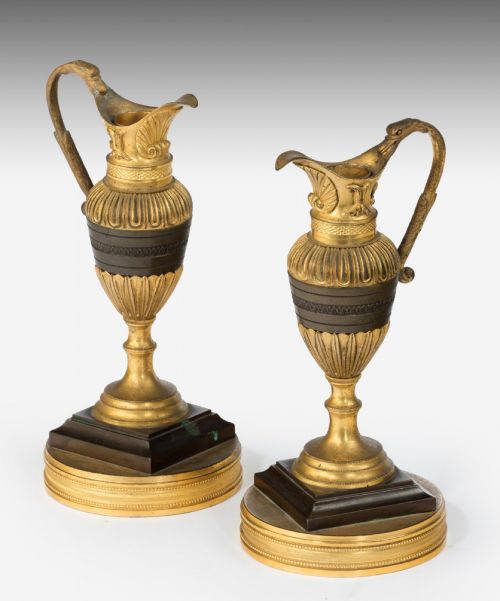
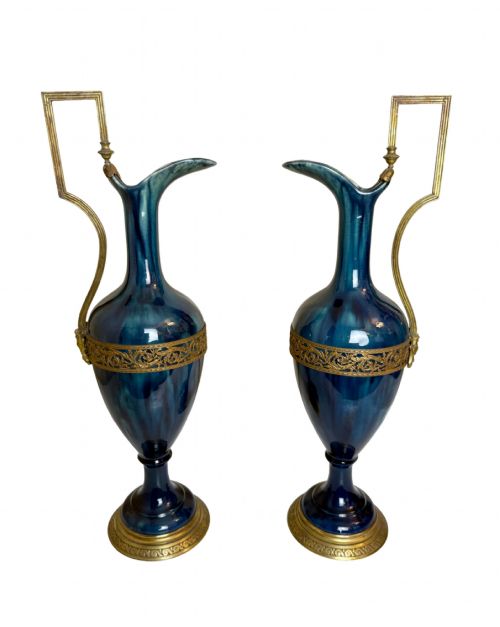
Antique decorative pitchers encompass a diverse group of ornamental vessels, ranging from porcelain ewers to earthenware jugs produced across the nineteenth century. These objects function primarily as display pieces rather than working tableware, frequently appearing in pairs or substantial standalone forms.
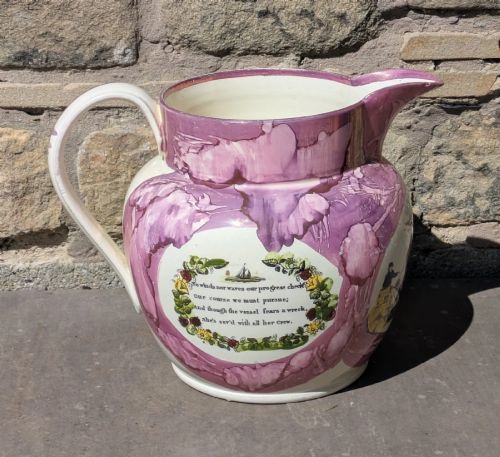
The selections available lean heavily towards Victorian manufacturing, with particular representation from English potteries and continental bronze foundries. Forms span from classical revival ewers to vernacular slipware and lustre jugs.
How they were made
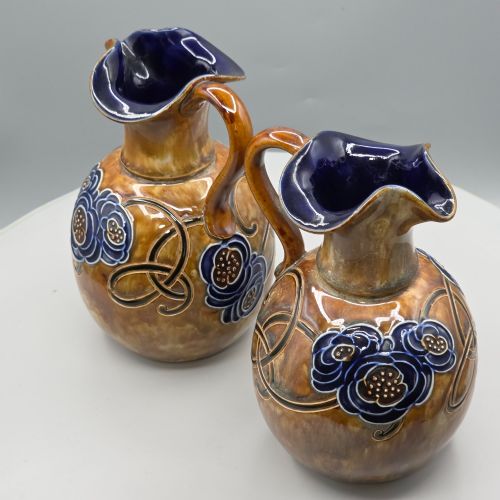
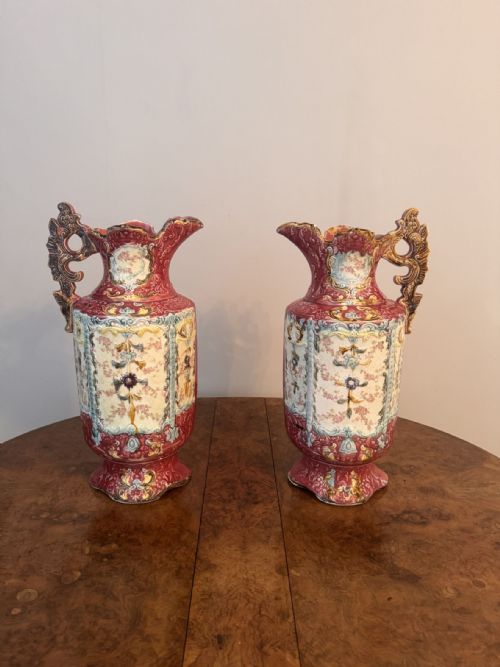
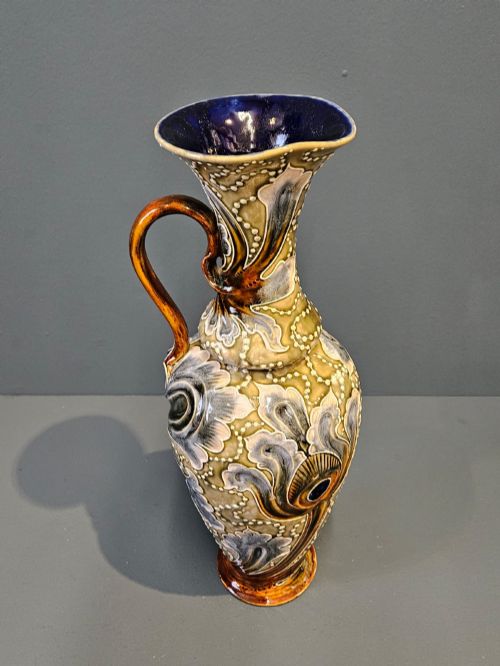
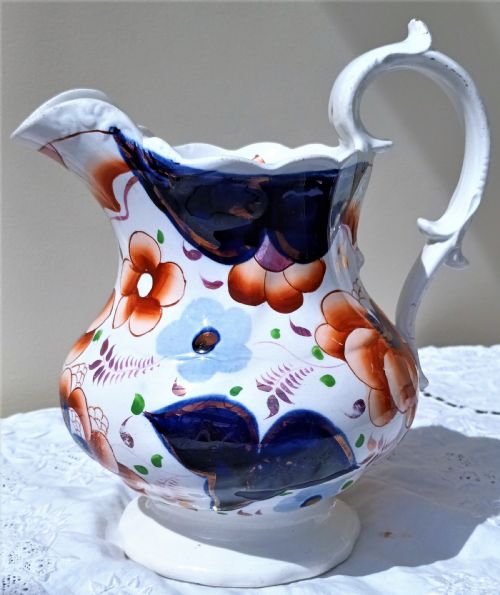
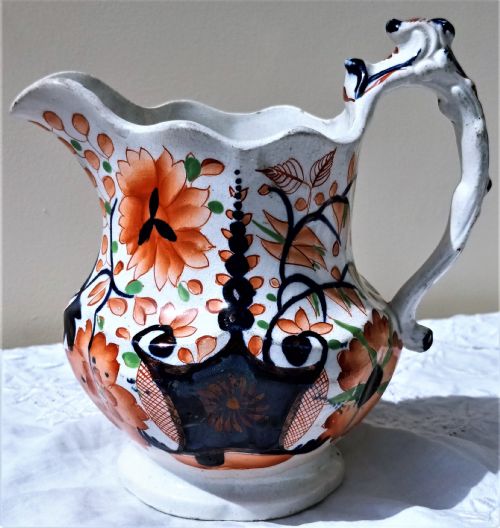
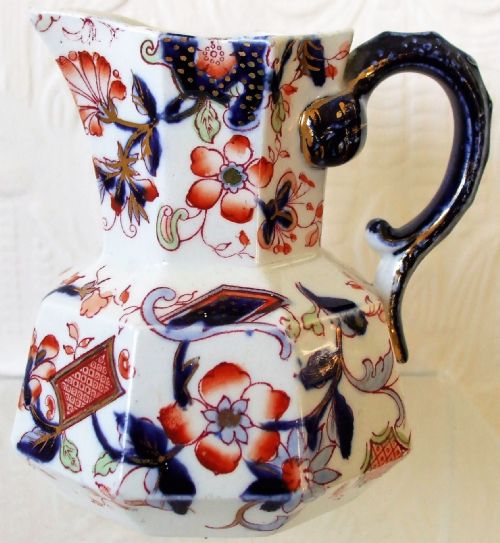
Pottery examples utilise earthenware, ironstone, and porcelain bodies finished with coloured glazes, transfer printing, or hand-painted motifs. Many pieces incorporate moulded relief details, floral patterns, or metallic lustres.
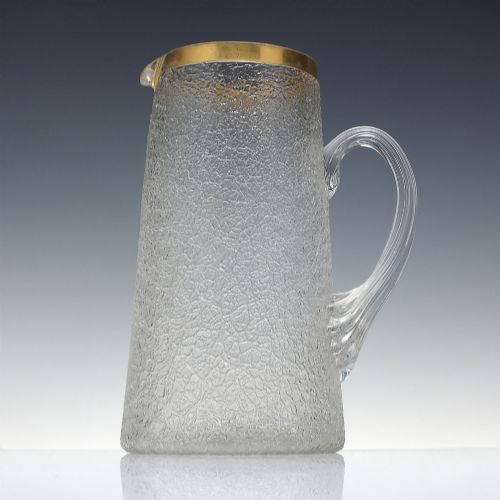
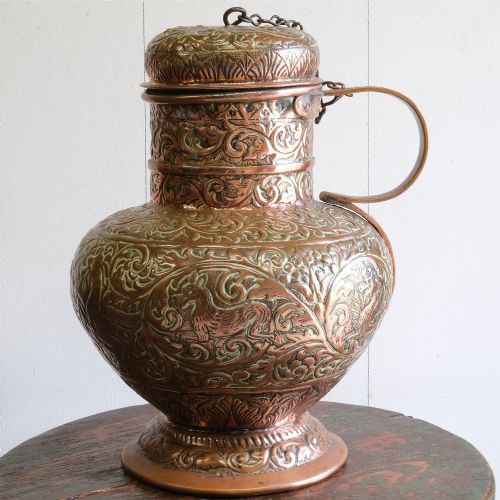
Metal vessels combine cast bronze, copper, and ormolu, often utilising applied figural handles and chased surface decoration. Glass pieces feature cut facets or overshot decoration paired with gilded rims.
Listings feature ceramics alongside bronze, copper, and enamel materials produced across the nineteenth century.
What varies in quality
The distinction between ordinary and superior pieces rests on the crispness of moulding, the skill of the hand-painted or transfer-printed decoration, and the weight of the metal or ceramic body. Well-executed handles and crisp relief details distinguish workshop output.
Makers' marks and signatures provide clear indicators of origin and execution standard, particularly among established factories and known studio potters. Pieces retaining original gilding and unblemished glaze surfaces represent the upper tier.
Royal Doulton·Cantagalli Florence·Keeling And Co·Grainger Worcester·Royal Worcester·Sir Edmund Elton·Doulton Lambeth
The Antique Decorative Pitchers Glossary
- Ewer
- A large jug with a wide spout and curved handle, historically used for washing or display.
- Lustre
- A type of ceramic pottery glaze that imparts a metallic sheen through the reduction of metallic salts.
- Ormolu
- Ground metallic gold applied as a surface finish to bronze mounts and decorative trimmings.
- Ironstone
- A heavy, durable type of earthenware patented in the nineteenth century as a robust alternative to porcelain.
- Reticulated
- Ceramic work featuring an openwork or pierced lattice design created prior to glazing and firing.
Antique Decorative Pitchers: Frequently Asked Questions
How were decorative pitchers used historically?
These vessels served primarily as ornamental centerpieces on sideboards, mantelpieces, or in grand dining settings during the nineteenth century. While some originated as functional water jugs or washing ewers, their elaborate gilding and delicate materials meant they were intended for display.
Over time, collectors moved them from dining rooms to drawing rooms, utilising pairs of ewers to flank larger ceramic urns or decorative mirrors on furniture surfaces.
How do I identify Victorian pottery jugs?
Victorian pottery jugs often feature impressed factory marks, registration numbers, or distinctive stylistic markers associated with specific decades of production. Examining the base frequently reveals maker stamps or pattern names.
The decorative themes, such as Aesthetic Movement patterns or Gothic revival motifs, offer strong chronological clues regarding when the pottery piece was fired.
How do I care for antique metal pitchers?
Bronze, copper, and ormolu pitchers require stable indoor humidity and protection from direct sunlight to preserve their patinas and metallic finishes. Dusting with a soft, dry cloth prevents particulate accumulation without disturbing the historic surface.
Avoid liquid cleaners and aggressive metal polishes, as these treatments strip away centuries of age and diminish the character of the piece.