
Antique Decorative Paintings
Antique decorative paintings bring visual depth to interiors through centuries of hand-painted artistry on canvas, wood, and paper.
Antique Decorative Paintings
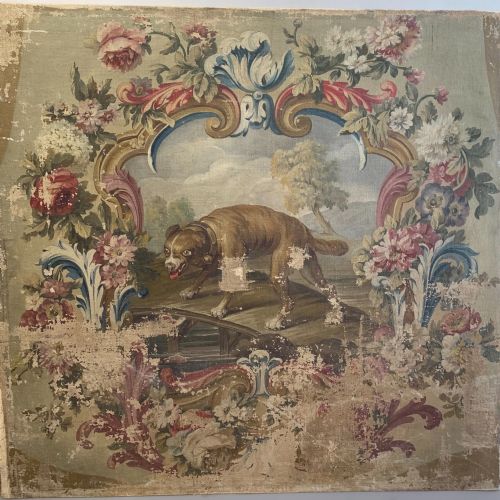
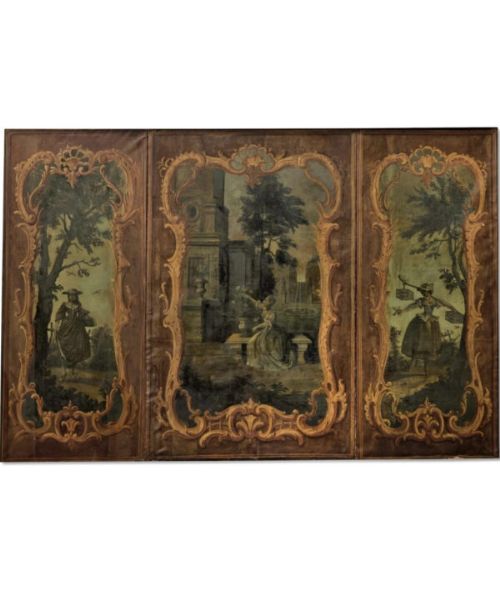
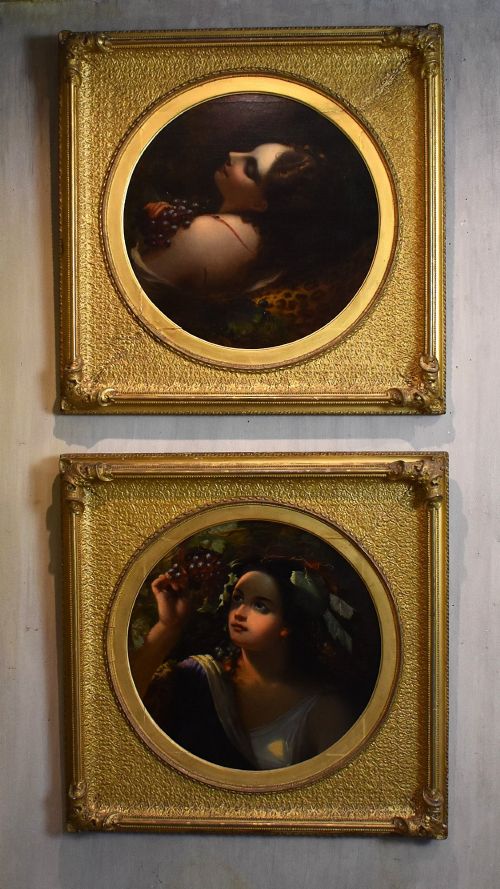
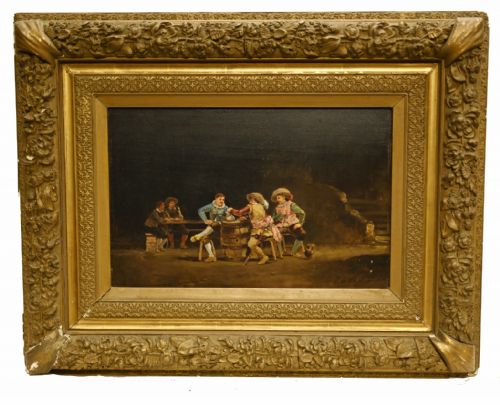
When you search for antique decorative paintings, you encounter a diverse selection of framed works, wall hangings, and panels spanning from the seventeenth century through the mid-twentieth century. These pieces encompass traditional oil paintings on canvas and board, delicate watercolours, gouache sets, and tempera works designed specifically to adorn domestic and institutional spaces.
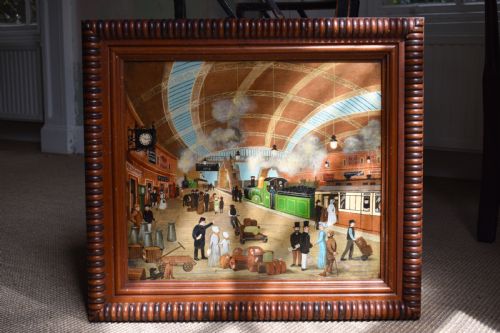
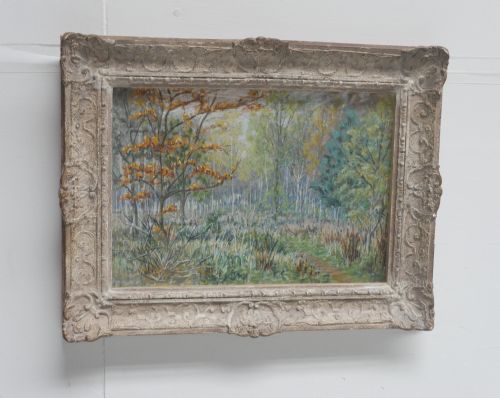
The selections available range widely in subject matter, including portraits, pastoral landscapes, botanical studies, architectural scenes, and still lifes created within various European and Asian traditions. Buyers frequently find Victorian oils, eighteenth-century classical compositions, and mid-century decorative panels housed in period wood or giltwood frames.
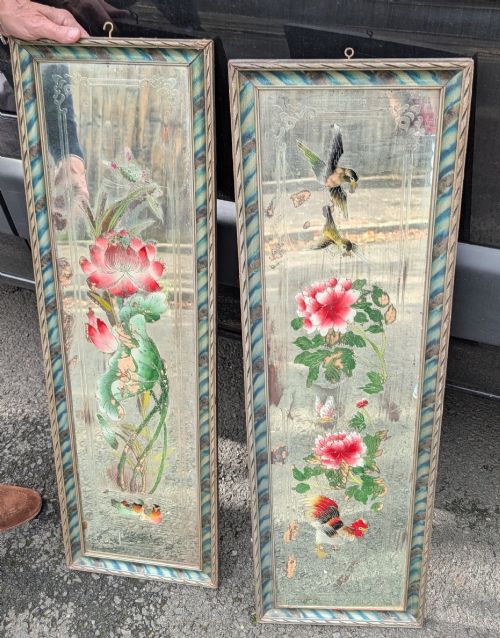
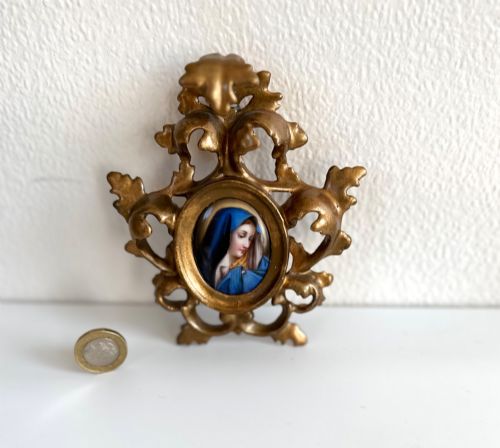
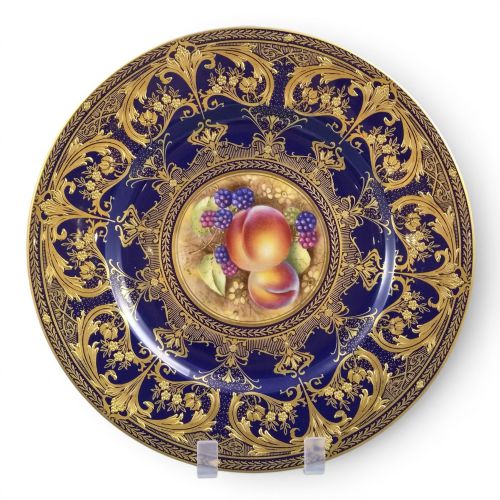
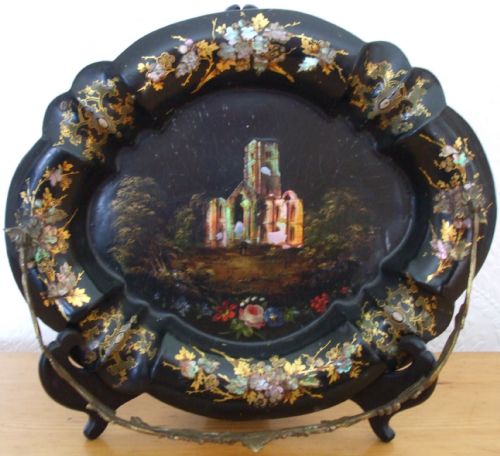
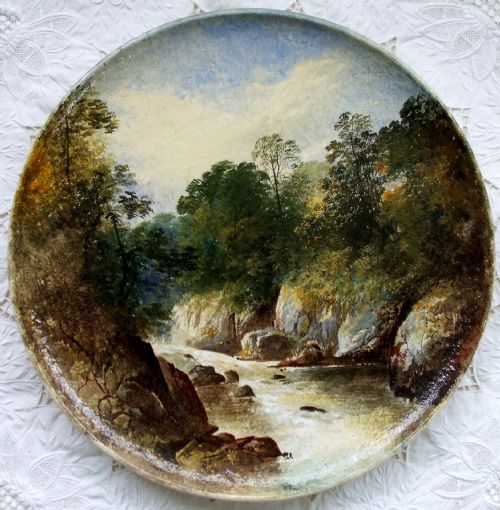
Beyond standard framed pictures, the category extends to painted porcelain plaques, reverse glass signs, papier-mâché boxes, and decorative screens that incorporate painted elements. This breadth allows collectors to source everything from large-scale wall art to intimate miniatures that reflect distinct period aesthetics.
How they were made
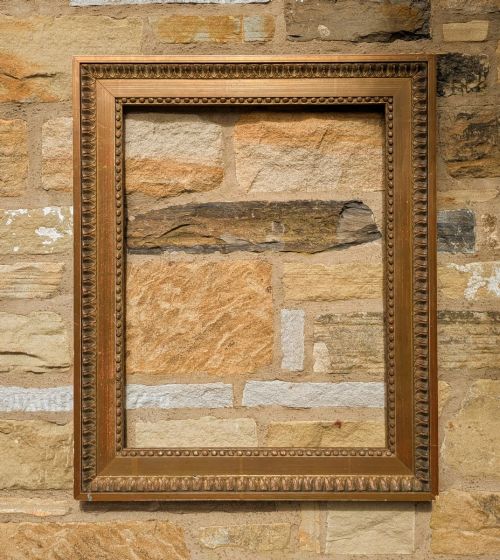
Makers of these works utilised traditional pigments bound in oil, tempera, or water-based mediums applied to prepared wooden panels, stretched canvas, paper, or copper supports. Wood frames and mounts often incorporated carved elements, gesso, and gold leaf gilding to complement the primary artwork.
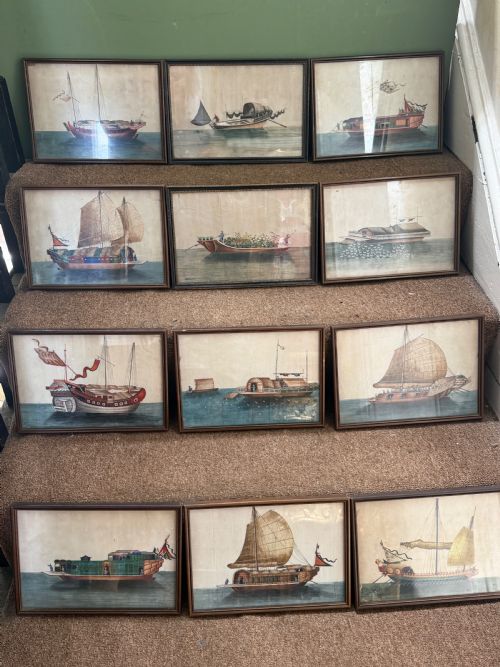
Techniques varied from meticulous academic portraiture and miniature painting to looser impressionistic strokes, grisaille layering, and chiaroscuro shading. Many pieces relied on specialised craftsmanship, such as Chinese export gouache painting or reverse glass application, requiring steady hands and precise material control.
Listings feature works spanning from the seventeenth century through the 1950s, created on canvas, wood, glass, and paper.
What varies in quality
The standard of execution separates accomplished works from ordinary decorative pieces, seen in the confidence of the brushwork, anatomical accuracy, and depth of perspective. Superior examples demonstrate a careful balance of colour and light that creates visual harmony within the composition.
The condition of the original surface and its housing plays a significant role in overall excellence. Works retaining their original giltwood or carved wooden frames without extensive later restoration command greater appreciation among collectors.
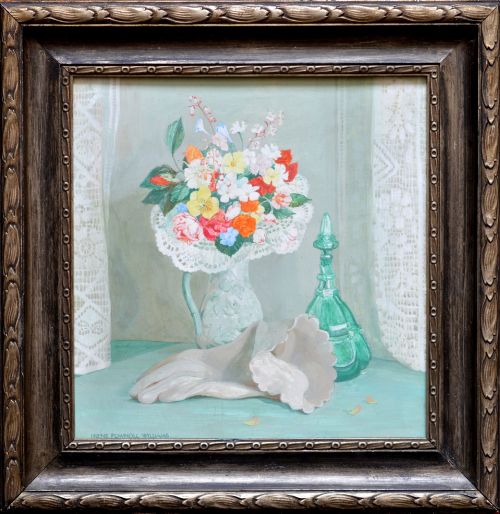
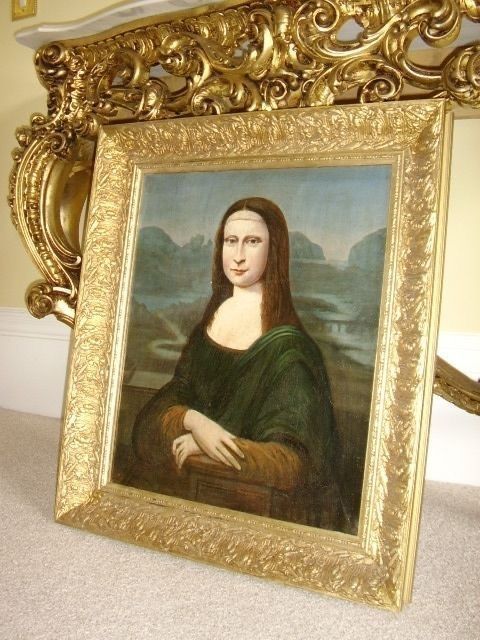
Irene Christobelle Pownoll Williams·Leonardo Da Vinci·Brian Leaman·William Yale·Theodore Jensen·J De Ninville·John A Monteith·Boucher·Jabez Bligh
The Antique Decorative Paintings Glossary
- Grisaille
- A painting executed entirely in shades of grey or neutral greyish-brown monochrome. This technique often simulates sculptural reliefs or serves as a preparatory underpainting.
- Chiaroscuro
- The use of strong contrasts between light and dark, usually bold contrasts affecting a whole composition. Artists utilise this method to create a three-dimensional volume on a flat surface.
- Tempera
- A permanent, fast-drying painting medium consisting of coloured pigment mixed with a water-soluble binder material, such as glutinous sizing or egg yolk. It produces a matte finish that lasts for centuries.
- Gouache
- A method of painting using opaque watercolours with a significant white filler added. It provides a heavier, more opaque coverage than standard watercolours.
- Trumeau
- An architectural term for a mirror or painting placed in the decorative wall space between two doors or windows. These pieces typically feature elaborate wood or gilt frames.
Antique Decorative Paintings: Frequently Asked Questions
How do I date an antique painting?
Dating relies on examining the support materials, such as canvas weave, panel construction, and paper types, alongside the framing methods and pigments used by the artist. Stylistic clues within the clothing, architecture, and subject matter also help narrow down the period of creation.
Secondary indicators include inscriptions, maker signatures, tax stamps, or gallery labels affixed to the reverse of the stretcher or frame. Comparing the work to documented examples from specific schools helps confirm the era.
Are painted panels different from canvas works?
Painted panels utilise solid wood, copper, or heavy board as a rigid support rather than flexible woven fabric. This foundation often indicates earlier periods or specific regional traditions, such as Flemish or Dutch cabinet paintings.
Canvas works require stretching over a wooden frame and are more susceptible to sagging over time, whereas panels remain rigid but can be prone to splitting if exposed to extreme humidity changes.
How should I display antique paintings?
Display these works away from direct sunlight and high moisture areas, such as bathrooms or kitchens, to protect fragile pigments and wood supports. Stable indoor temperatures prevent the expansion and contraction that damages both the artwork and its frame.
Ensure that wall fixings are secure and appropriate for the weight of heavy giltwood frames or large oil paintings. Using professional hanging hardware distributes the load evenly and protects the structure.
What is the difference between oil and tempera?
Oil paintings utilise slow-drying plant oils, such as linseed, as a binder, allowing artists to blend colours smoothly and achieve rich gradations of tone. This medium became dominant in European art from the Renaissance onward for its durability and depth.
Tempera dries rapidly and utilises an emulsion binder like egg yolk, resulting in a flat, opaque finish with precise linear qualities. It was widely used before oil painting gained popularity and appears frequently in icon and panel traditions.