







Antique Decorative Jar
An antique decorative jar brings colour and texture to a room, shifting easily from a formal mantelpiece to a quiet sideboard.
Antique Decorative Jar
An antique decorative jar encompasses a wide family of lidded vessels, ginger jars, urns and tea caddies made for display rather than storage. These objects arrive from diverse traditions, spanning European porcelain manufactories and East Asian workshops.
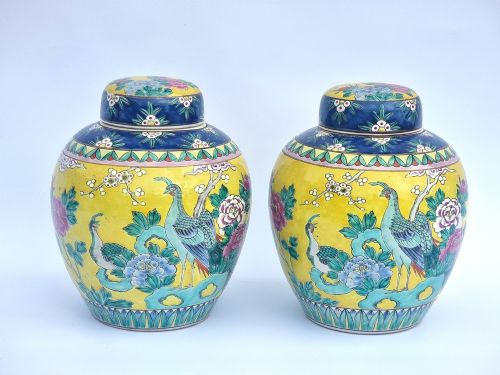
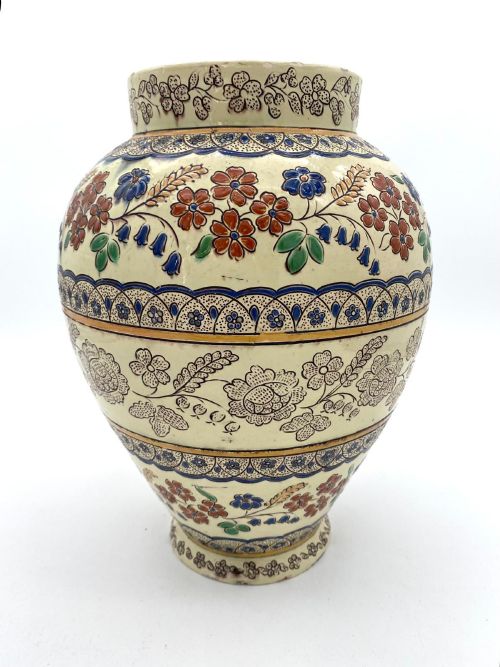
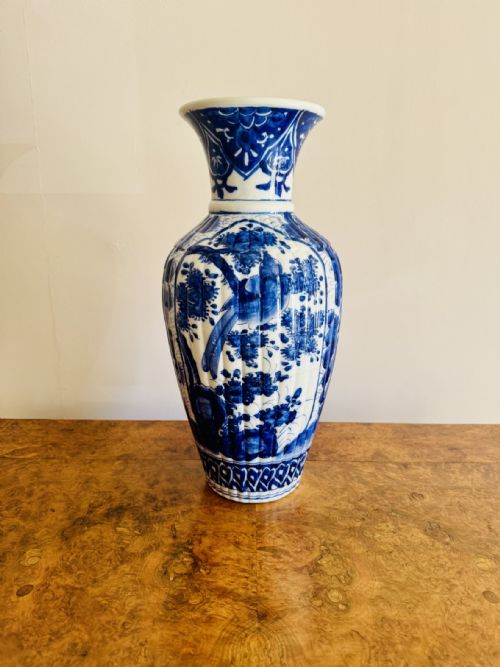
The pieces on this page lean heavily towards late nineteenth century Japanese export wares, English ceramics from the Victorian and Edwardian periods, and continental earthenware. Lidded ginger jars and covered vases appear frequently among these selections.
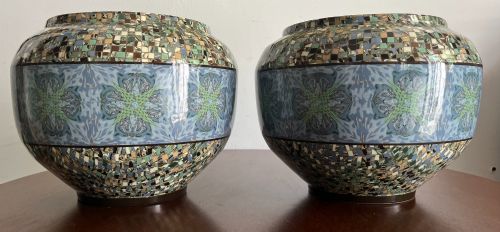
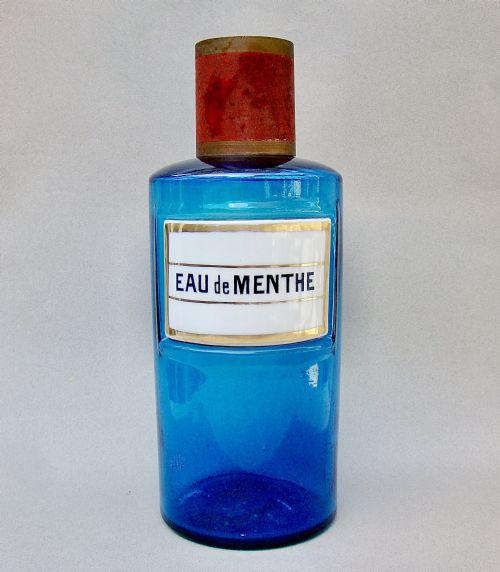
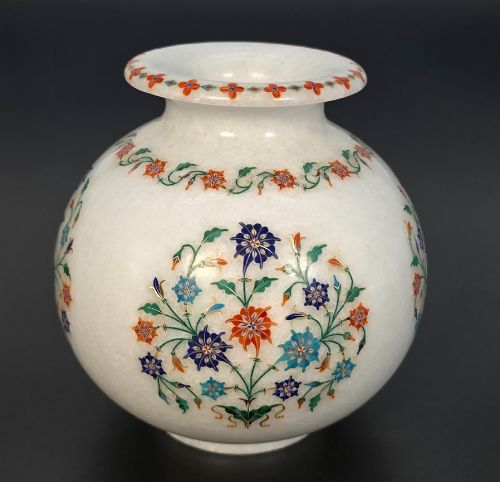
Makers shaped these containers from porcelain, earthenware, glass and bronze, often adding lids or covers designed to complete the silhouette. Buyers select them for their decorative presence and the hand-painted or glazed surfaces that define their periods.
How They Were Made
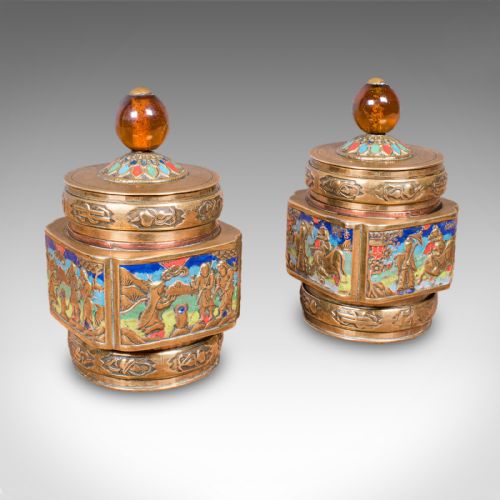
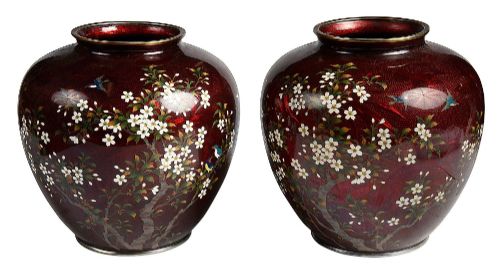
Potters and artisans formed these vessels using clay bodies such as earthenware, porcelain and terracotta, frequently applying colourful glazes or enamel work to the surfaces. Japanese pieces often utilise cloisonné wirework to segment bright enamel colours across bronze or copper bases.
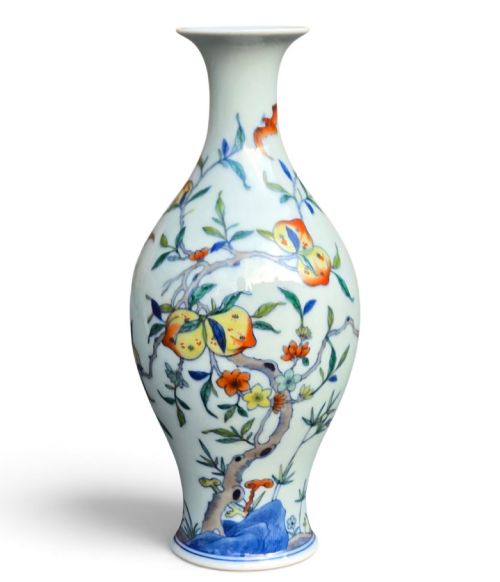
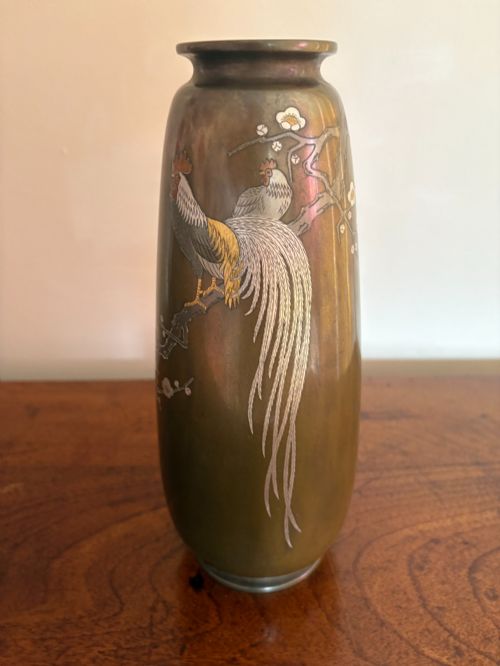
European factories employed hand-painted porcelain techniques, gilding with gold leaf, and transferring intricate botanical or figural scenes before a final kiln firing. Other makers carved walnut timber, cast bronze, or applied silver plated mounts and brass hardware to glass and ceramic bodies.
Antique Decorative Jar Retail Price Guide 2026
Typical asking prices for decorative jar among the pieces listed under this phrase on Sellingantiques today, from the lower quarter to the upper quarter. They describe what is for sale here now, not the wider market.
Materials represented across these selections include porcelain, earthenware, glass, bronze, marble, and lacquered wood.
What Varies in Quality
Quality rests upon the crispness of the modelled form and the precision of the hand-painted or enamelled decoration. Pieces featuring finely detailed brushwork or intricate cloisonné cells demonstrate superior craftsmanship compared to simpler production items.
The preservation of original surface finishes, gilding and applied metal mounts dictates the desirability of a piece. Intact covers and lids that match the exact body glaze and style elevate the standing of any lidded jar.
Royal Crown Derby·Doulton Lambeth·Royal Worcester·Coalport·Samuel Alcock
The Antique Decorative Jar Glossary
- Ginger Jar
- A globular container featuring a wide shoulders and a short neck, originally designed for storing spices and later prized for ornamental display. Many examples include fitted ceramic lids.
- Cloisonne
- A decorative metalwork technique where thin wire partitions are soldered to a base to create cells that hold coloured enamel paste. These surfaces undergo firing and polishing to achieve a smooth finish.
- Imari
- A style of Japanese export porcelain characterised by a palette of underglaze blue, iron red, and added gold highlights. The patterns typically display intricate floral and geometric motifs.
- Biscuit Barrel
- A covered ceramic or glass container featuring silver plated mounts and a swing handle, utilised during the Victorian era for serving dry biscuits at the table.
- Pot Pourri
- A decorative lidded vase or jar perforated to release the scent of dried flower petals and spices held within. These vessels often feature elaborate painted panels or gilt bronze mounts.
Antique Decorative Jar: Frequently Asked Questions
What were antique decorative jars used for?
These vessels originally served practical roles in domestic and mercantile settings, holding tea, spices, preserves, or dried botanicals.
Over time, many transitioned into purely ornamental objects designed to enhance the interior aesthetics of a room.
How do I identify the period?
Examine the materials, glaze characteristics, and any makers marks or stamps stamped or painted on the base. Stylistic cues like Art Nouveau curves or Victorian silver plating also offer clear dating evidence.
Comparing the manufacturing technique against known historical periods helps narrow down the decade of production.
Are lids usually original?
Many lidded jars retain their original covers, which match the precise clay body, glaze colour, and decorative scheme of the base. Replacement lids sometimes show slight discrepancies in fit or wear patterns.
Checking the interior rim and glaze continuity helps confirm whether the cover belongs to the piece.
How should I clean them?
Dust these items gently with a dry, soft cloth to protect fragile enamel surfaces, gilding, and delicate metal mounts. Avoid harsh chemical cleaners or submersion in water, particularly for pieces with paper labels or metal plating.
Professional conservation advice is recommended for fragile lacquer or cloisonné items.