

Antique Decorative Dishes
These antique decorative dishes bring centuries of global artistry to a table, combining hand-painted porcelain, rich enamel and bronze mounts.
Antique Decorative Dishes
When you search for antique decorative dishes, you encounter a diverse array of items ranging from 18th-century Chinese export porcelain to Victorian papier-mâché comports and Edwardian silver bowls. The pieces span multiple continents and eras, reflecting shifting tastes in interior ornamentation across the Georgian, Victorian and Art Deco periods.
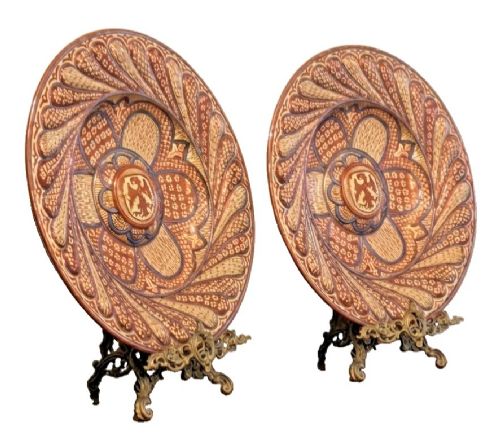
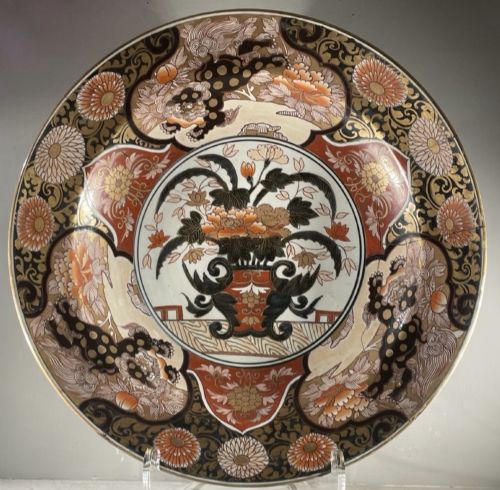
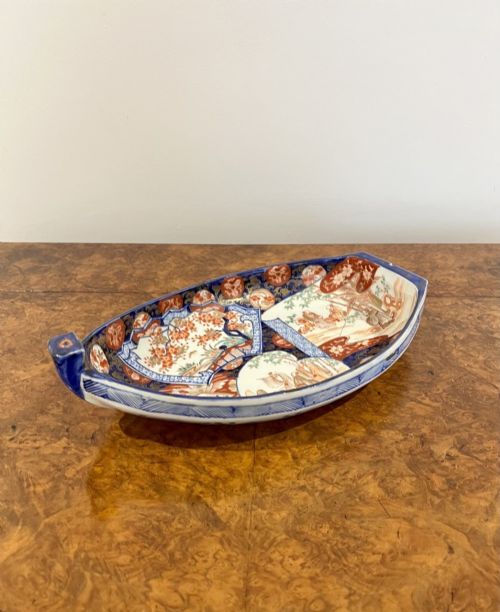
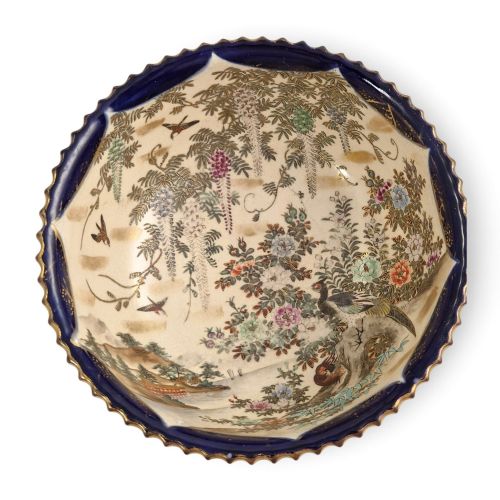
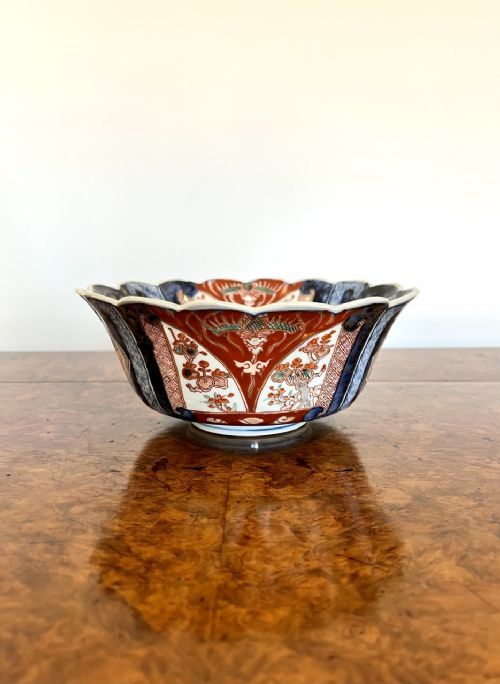
The most common examples on this page are Japanese Imari chargers and porcelain plates from the Meiji period, alongside English bone china serving dishes and French ormolu-mounted vessels. These objects served primarily as display items, centrepieces or cabinet plates rather than everyday tableware.
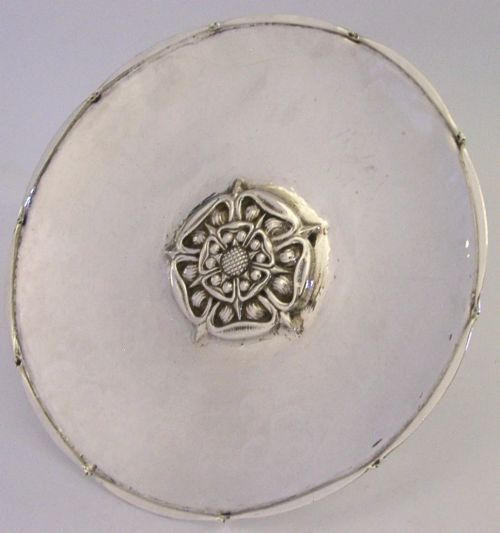
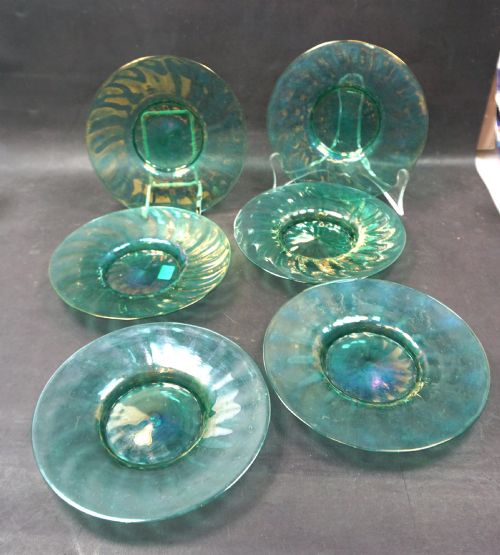
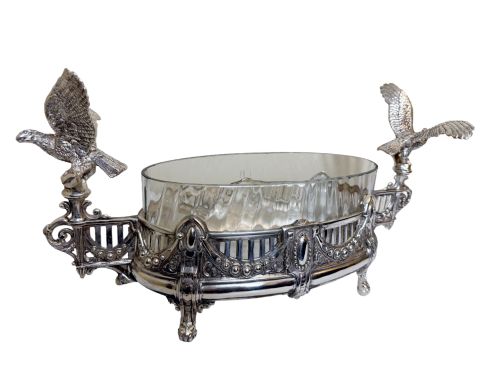
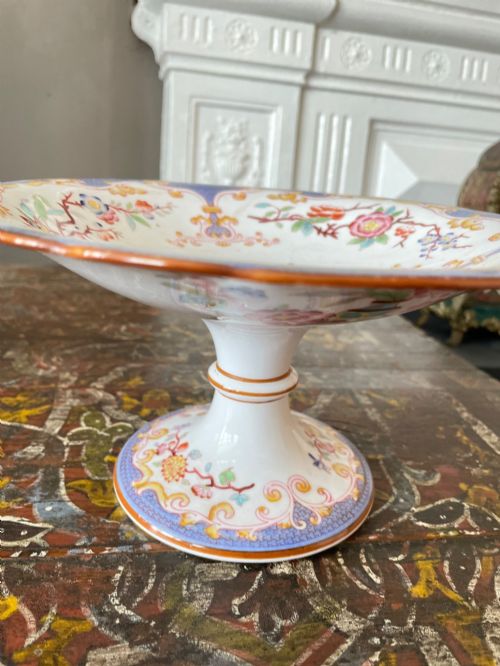
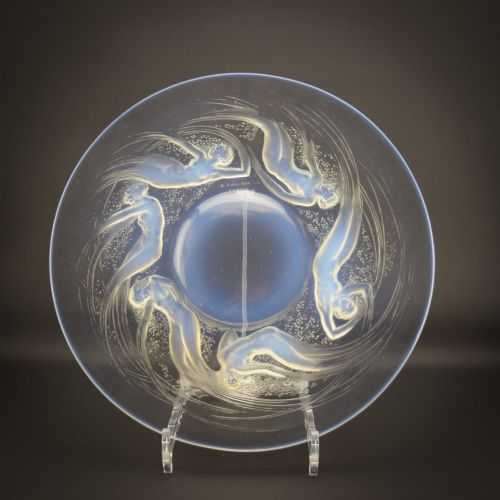
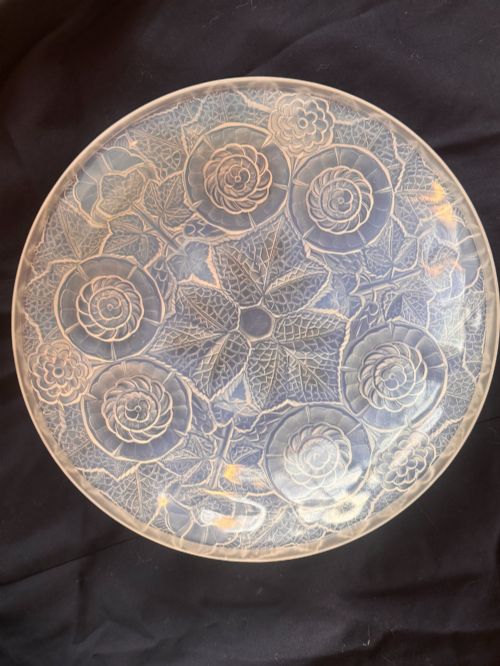
Forms vary from shallow bowls and scalloped serving trays to tazzas on marble bases and leaf-shaped dishes. Makers utilise materials such as gilt bronze, champlevé enamel and uranium glass to create pieces designed to catch the eye in a drawing room or dining salon.
Materials and Manufacturing Techniques
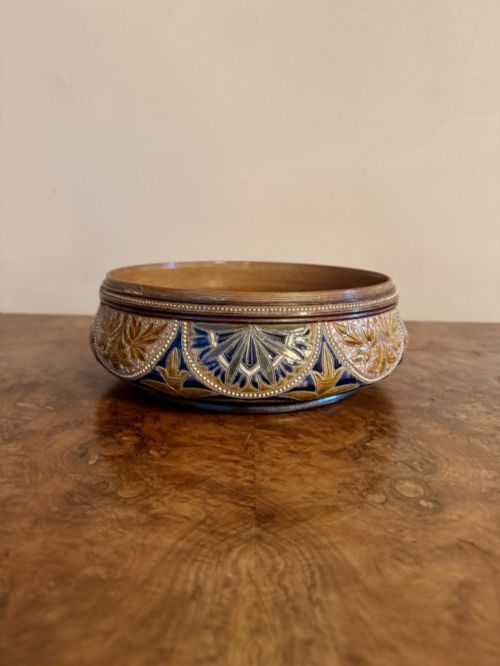
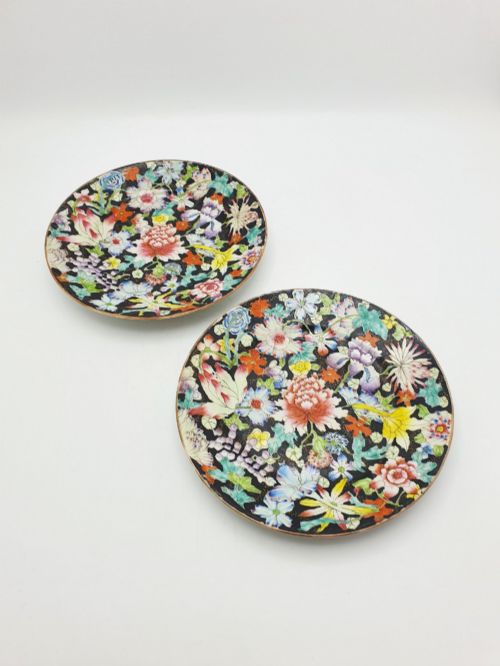
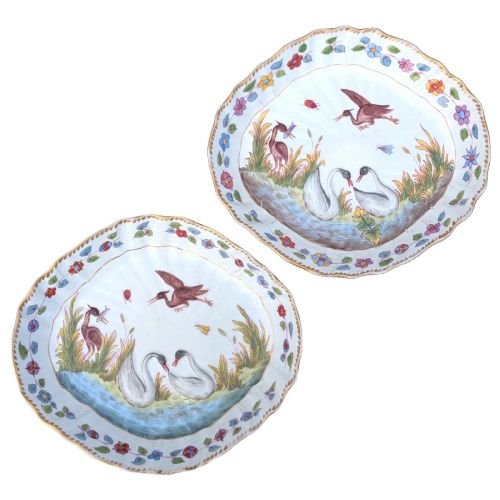
Potters and artisans formed these pieces using hard-paste porcelain, bone china and earthenware, often applying hand-painted glazes in cobalt blue, famille rose or Imari palettes. Japanese and Chinese workshops relied on high-temperature kilns to set vibrant mineral colours, while European factories like Worcester and Royal Crown Derby utilised intricate gilding and enamel work.
Metalwork dishes incorporate bronze, ormolu and white metal, frequently cast with classical motifs or paired with champlevé enamel panels. Wood and papier-mâché examples involve carved oak or layered paper surfaces decorated with lacquer and painted details, showing the breadth of 19th-century craftsmanship.
Antique Decorative Dishes Retail Price Guide 2026
Typical asking prices for decorative dishes among the pieces listed under this phrase on Sellingantiques today, from the lower quarter to the upper quarter. They describe what is for sale here now, not the wider market.
Materials documented across the inventory include uranium glass, champlevé enamel, gilt bronze and bone china.
Factors Separating the Fine from the Ordinary
Quality rests in the crispness of the hand-painting and the precision of the glaze work, where finer pieces display controlled brushstrokes and vibrant, stable pigments. In ceramics, the clarity of the porcelain body and the richness of the gilding distinguish standard factory output from exceptional studio pieces.
For metal and mixed-media items, the weight of the bronze, the sharpness of the ormolu chasing and the complexity of the champlevé enamelling determine the tier of the object. Superior items maintain integrity in their mounts and retain their original surface patination without heavy wear.
Barr Flight and Barr·Royal Crown Derby·Chamberlain Worcester·Whitefriars·Spode
The Antique Decorative Dishes Glossary
- Imari
- A style of Japanese porcelain featuring a distinctive palette of underglaze blue, iron red and gilt highlights. These pieces were heavily exported to Europe from the Edo period onward.
- Tazza
- A shallow ornamental cup or plate mounted on a stem and foot, often used as a centrepiece or dessert dish. They frequently appear in bronze, silver or porcelain during the 19th century.
- Champlevé
- An enamelling technique where troughs or cells are hollowed out of a metal surface and filled with vitreous enamel paste before firing. It appears often on 19th-century bronze trays and boxes.
- Famille Rose
- A palette of Chinese porcelain enamels dominated by opaque pink or rose colours, introduced during the Qing dynasty. The style gained immense popularity in European collections.
- Comport
- A large standing dish or bowl raised on a pedestal, designed for serving fruit or sweets at formal dining tables. Victorian examples often combine papier-mâché, glass or ceramic bowls with metal stands.
Antique Decorative Dishes: Frequently Asked Questions
How were decorative dishes displayed historically?
Wealthy households placed large chargers and tazzas on sideboards, mantelpieces or central dining tables to demonstrate taste and status. Cabinet plates were mounted directly onto walls or held in specialised wooden display cabinets.
Smaller dishes served practical decorative functions in drawing rooms, holding calling cards, trinkets or sweetmeats during formal gatherings rather than seeing regular daily use.
What is the difference between a charger and a plate?
Chargers are significantly larger than standard dining plates, typically measuring over thirty centimetres across. They were designed primarily for visual impact as centrepieces rather than for serving food.
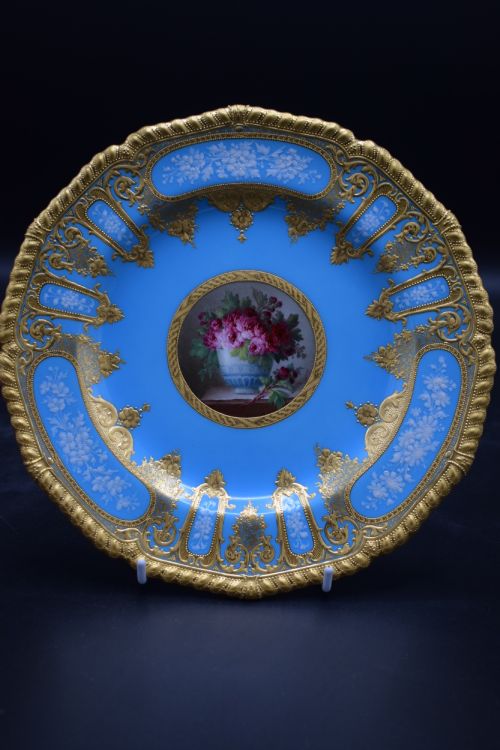
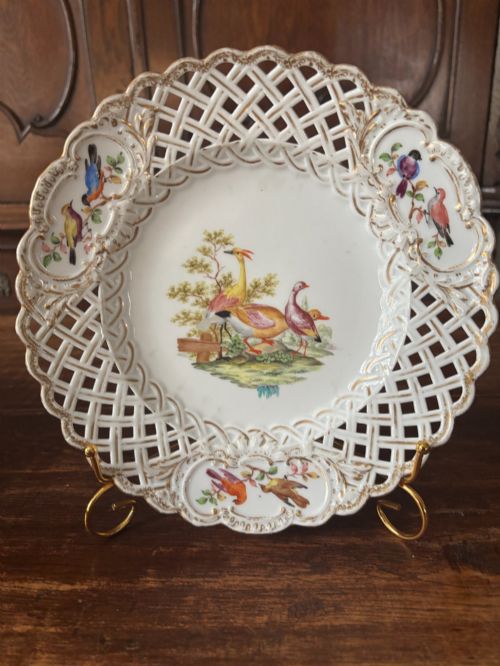
Standard plates and cabinet dishes are smaller and often feature intricate piercing, scalloped edges or detailed portrait painting intended for close inspection.
How do I care for antique porcelain and enamel dishes?
Keep these items out of direct sunlight to prevent the hand-painted enamels and gilding from fading over time. Dust them gently with a soft, dry cloth rather than using chemical cleaning products.
Avoid submerging metal-mounted porcelain or papier-mâché pieces in water, as moisture can damage adhesives, lacquer and ormolu patination.
Can I use antique dishes for serving food?
Most antique decorative dishes are intended purely for display and collection rather than culinary use. Older glazes and metal components can contain materials unsuited for modern food safety standards.
Displaying dry fruit or using them as decorative catch-alls is acceptable, but washing them in dishwashers or exposing them to acidic foods will cause irreversible damage.