



Antique Decorative Bottle
An antique decorative bottle brings craftsmanship and heritage to a room, offering functional beauty through centuries of varied design.
Antique Decorative Bottle
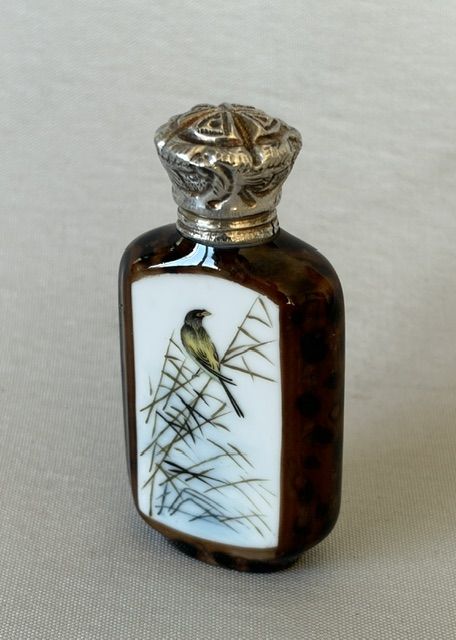
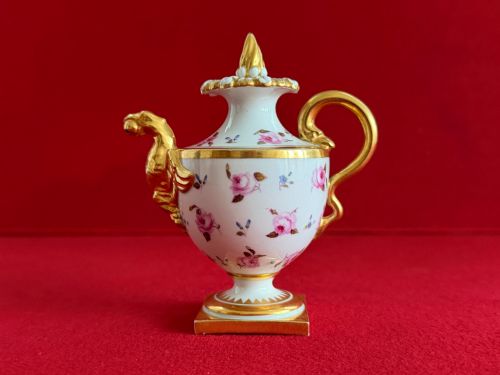
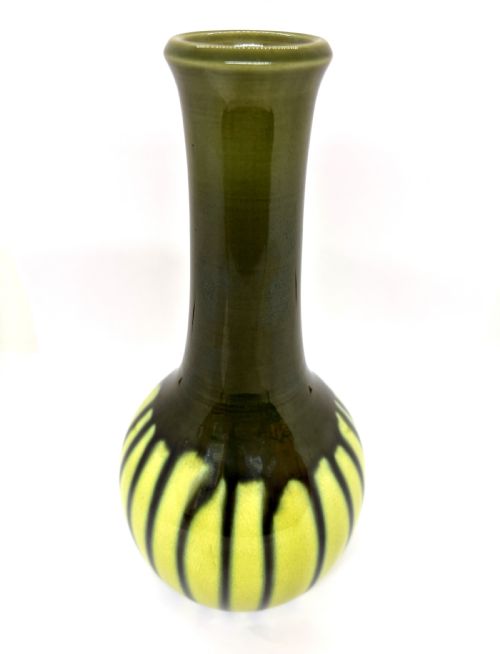
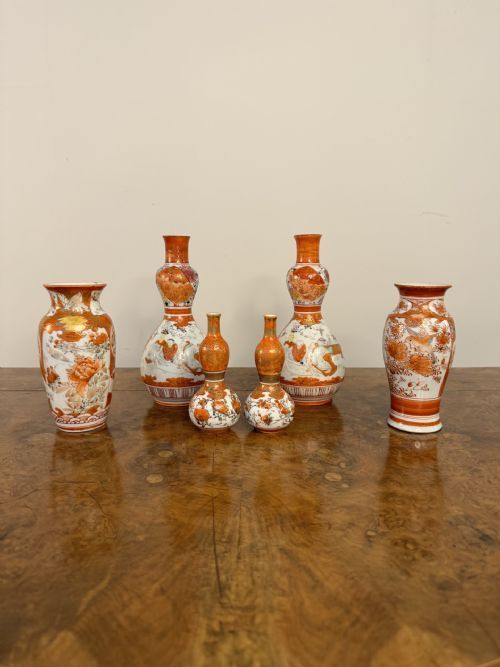
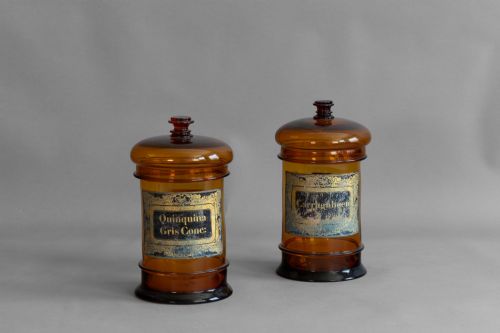
When searching for an antique decorative bottle, buyers encounter a diverse array of vessels spanning the eighteenth, nineteenth, and early twentieth centuries. These pieces range from apothecary jars and scent bottles to larger carboys and porcelain vases shaped with distinctive necks.
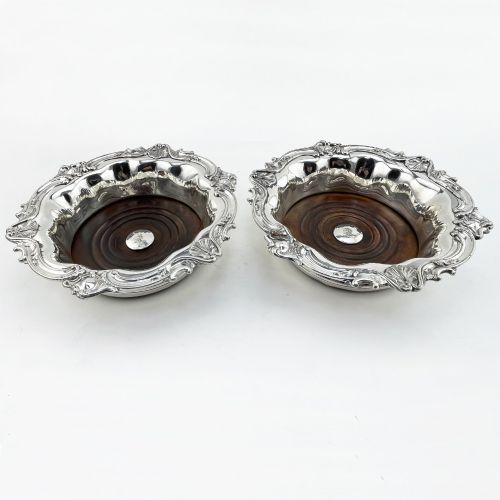
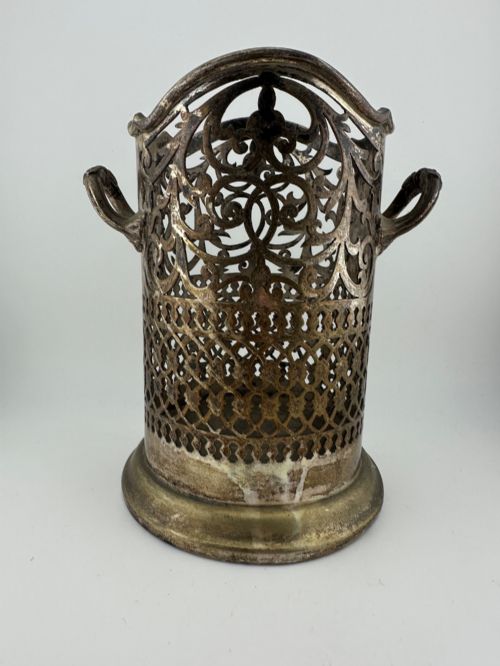
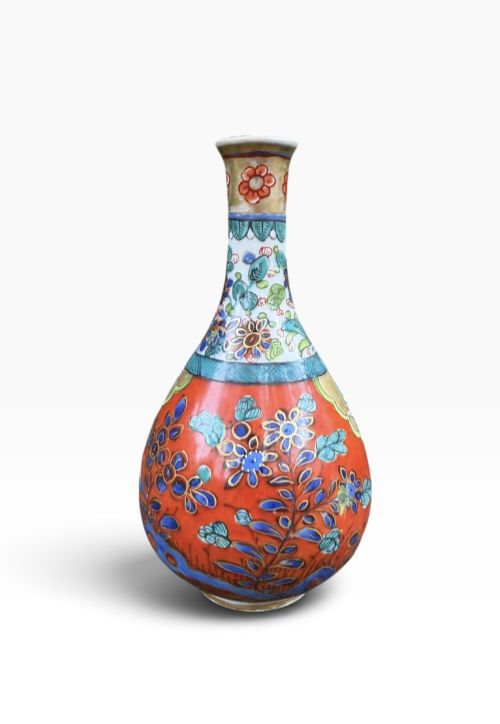
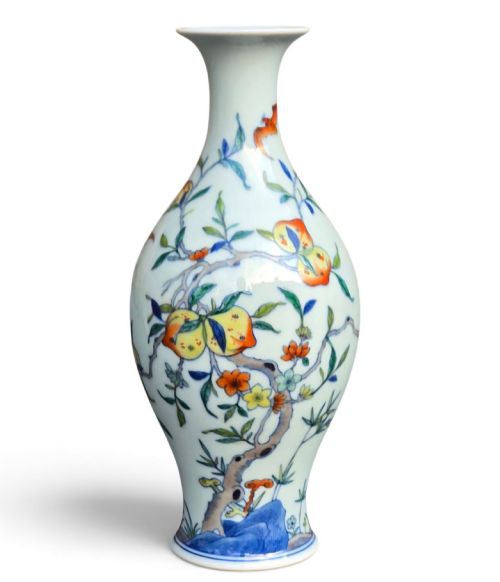
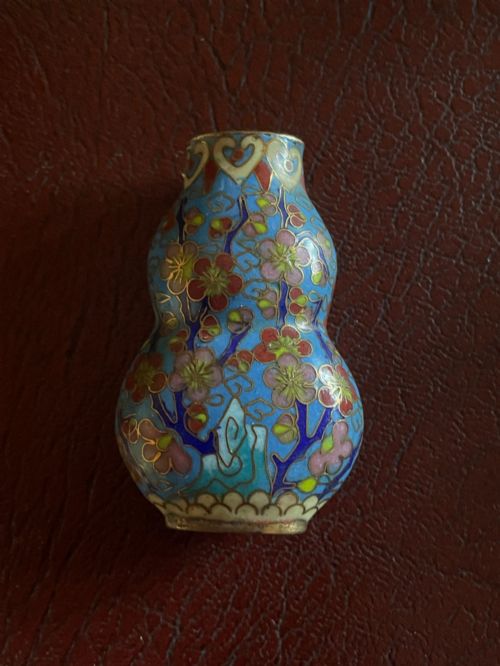
The selections on this page draw from multiple international traditions, including English ceramics, French glassware, and Asian porcelain or cloisonne. Vases, snuff bottles, and wine holders feature prominently among the surviving forms.
Victorian and Edwardian examples sit alongside earlier pieces from the Regency and Qing periods, showing how different cultures utilised glass, porcelain, and metal to create ornamental containers.
Materials and methods
Maker techniques rely heavily on worked glass, fired porcelain, and glazed earthenware, often enhanced with enamel painting or gold leaf detailing. Glass is blown or moulded into apothecary jars and decanters, sometimes incorporating aventurine inclusions or Mary Gregory style decoration.
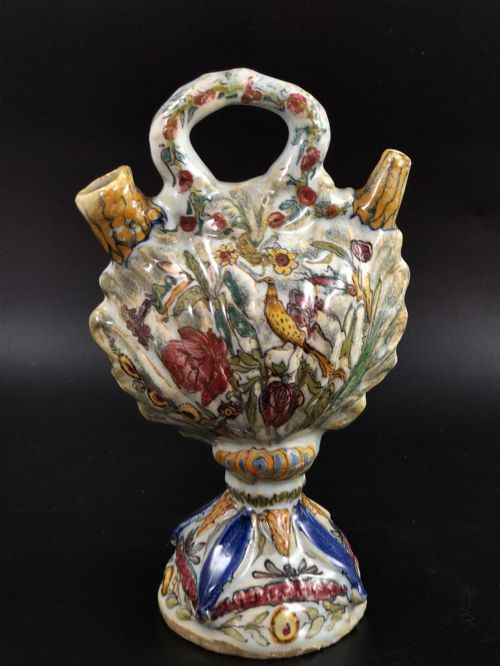
Ceramic pieces utilise hand-painted glazes, cloisonne wirework, and intricate flower encrustations across earthenware and porcelain bodies. Metal components such as silver plate, brass rims, and japanned tin-ware provide structural mounts and holders for glass and ceramic vessels.
Antique Decorative Bottle Retail Price Guide 2026
Typical asking prices for decorative bottle among the pieces listed under this phrase on Sellingantiques today, from the lower quarter to the upper quarter. They describe what is for sale here now, not the wider market.
Listings feature materials spanning enamel, porcelain, glass, gold leaf, brass, silver plate, glaze, and earthenware.
Assessing quality and execution
Superior examples demonstrate meticulous control in hand-painted details, precise enamel work, and the crisp definition of moulded or carved motifs. The weight and clarity of the glass or the refinement of the ceramic body distinguish finer pieces from standard production items.
Original mounts, such as silver-plated hardware or brass bindings, retain their intended integration with the main body without clumsy replacements. The depth of glaze colours and the delicacy of applied decorative elements separate masterwork productions from simpler utilitarian objects.
Flight Barr And Barr·Royal Crown Derby·Stevenson And Hancock·Doulton Lambeth·Royal Lancastrian
The Antique Decorative Bottle Glossary
- Carboy
- A large glass bottle, often enclosed in protective wicker or used in apothecary settings for storing liquids.
- Cloisonne
- An ancient technique for decorating metalwork objects using vitrified enamel compartments separated by strips of metal.
- Imari
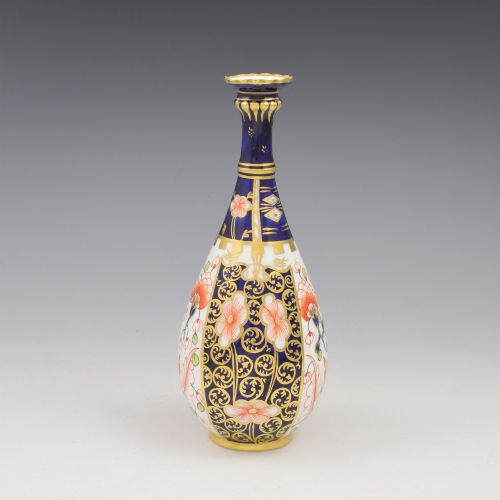
- A style of Japanese porcelain featuring a distinctive palette of underglaze blue and reddish-orange overglaze with gilt highlights.
- Majolica
- Earthenware decorated with an opaque coloured glaze, popular in Italian and Victorian ceramics.
- Snuff bottle
- A small container used to hold powdered tobacco, highly developed in Chinese art with intricate carvings and paintings.
Antique Decorative Bottle: Frequently Asked Questions
What distinguishes an apothecary bottle?
Apothecary bottles are typically made from heavy glass, designed originally to store medicinal compounds and chemicals in professional settings. They often feature simple, robust forms intended for daily laboratory or dispensary utility.
Over time, these utilitarian vessels transitioned into decorative items, valued today for their rich colour, bubbles within the glass, and historical association with nineteenth-century medicine.
How do I identify Chinese porcelain bottles?
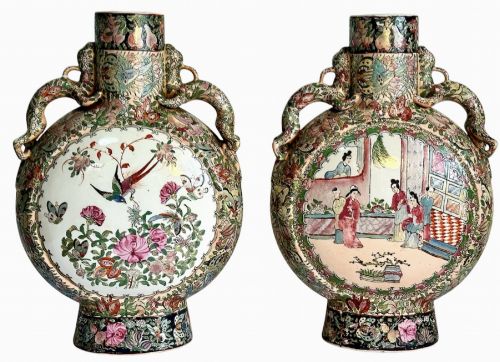
Chinese porcelain bottles, including moon flasks and snuff bottles, often display traditional motifs such as famille rose enamels, dragons, or floral patterns. The glazes show distinct depth and tonal variation characteristic of specific dynastic periods.
Examining the base and foot-rim provides further clues regarding the era of production, as potters marked their wares to denote imperial reigns or workshop origins.
Where were Japanese imari vases made?
Japanese imari vases originate primarily from the town of Arita and were exported extensively through the port of Imari during the Meiji period and earlier. These pieces are recognised by their iron-red, cobalt blue, and gold colour schemes.
Collectors prize the vibrant palette and intricate patterning, which reflects a rich cross-cultural exchange between Japanese ceramicists and European markets.
How should I clean antique glass?
Antique glass requires gentle handling, avoiding abrasive sponges or harsh chemical detergents that can damage delicate surfaces or historic enamel decorations. Lukewarm water and mild soap are generally sufficient for removing surface dust.
Internal deposits in bottles and decanters should be addressed with non-abrasive cleaning beads and patience, taking care not to pressure thin historic walls.