



Antique Decorative Bird
An antique decorative bird brings the natural world indoors through the focused craftsmanship of bronze, porcelain, enamel and carved wood.
Antique Decorative Bird
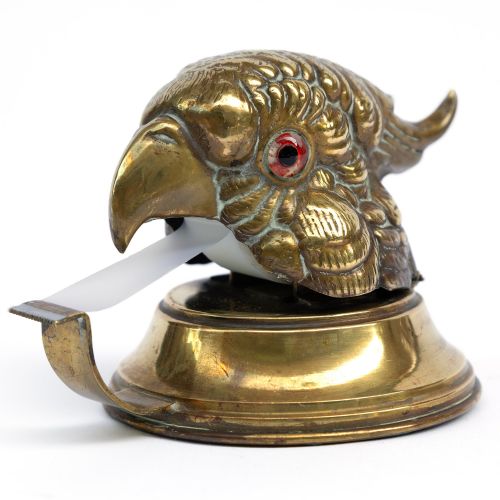
When searching for an antique decorative bird, collectors encounter objects ranging from freestanding animal figures and parrots to avian motifs rendered across chargers, vases, bowls and bookends. The pieces span the Victorian era, the Edwardian period, the Meiji period and the Qing dynasty, originating from English ceramic factories, French foundries and Asian export workshops.
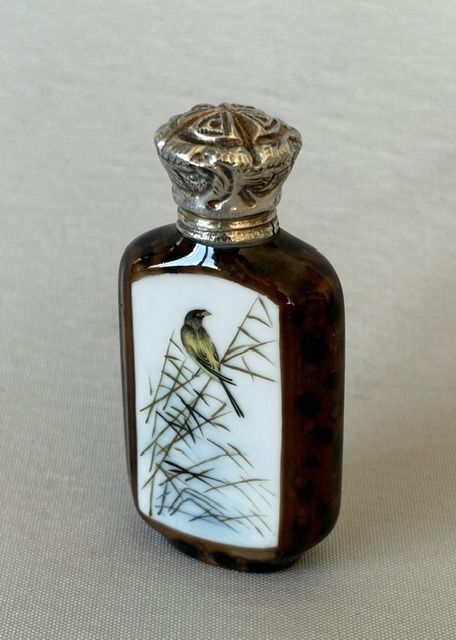
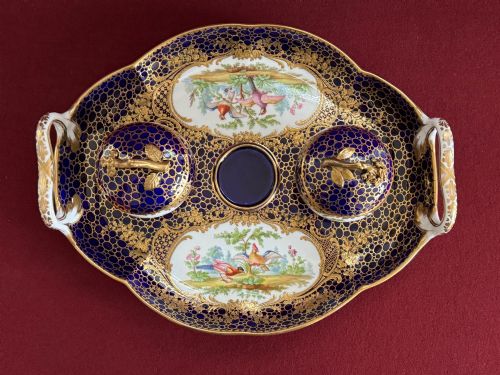
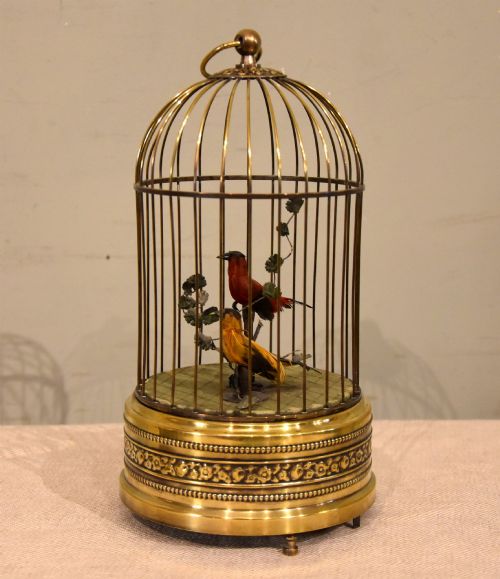
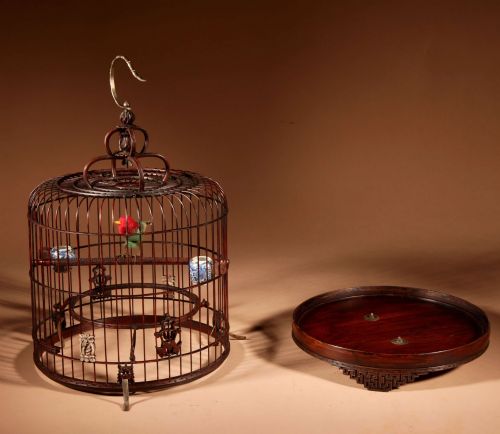
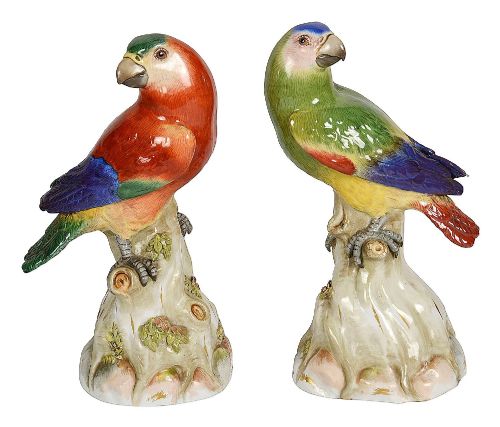
Vases, dishes and chargers dominate the selection, often carrying hand-painted or enamelled depictions of phoenixes, ibises and owls. Figures of parrots and eagles appear carved in wood or modelled in porcelain and spelter, occasionally housed within brass or bamboo cages.
Materials and Technique
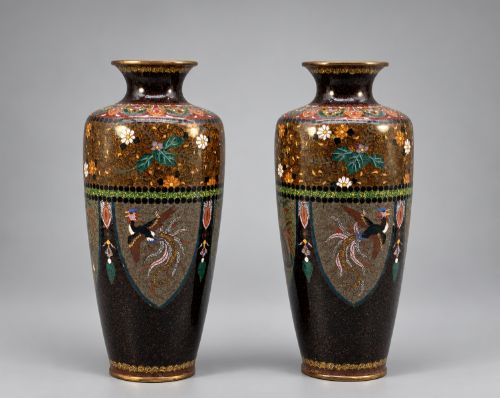
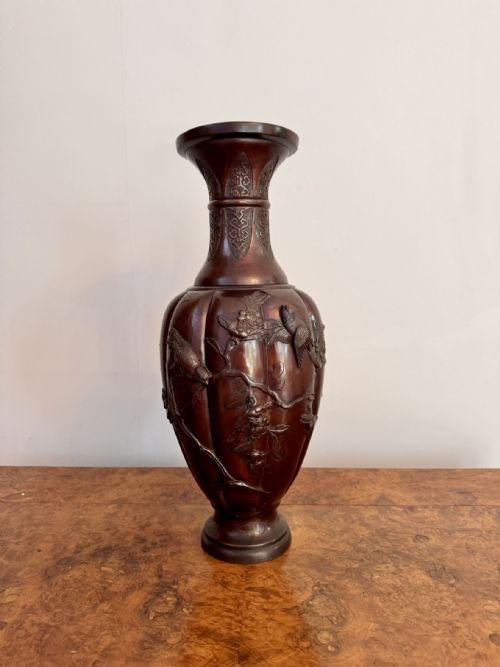
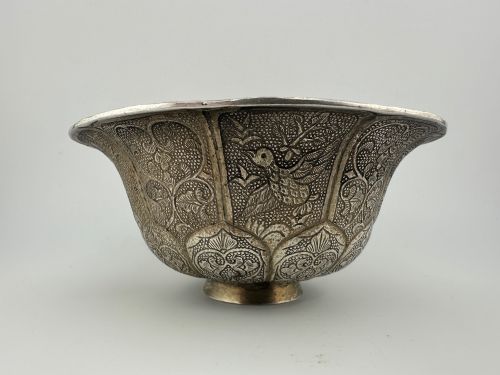
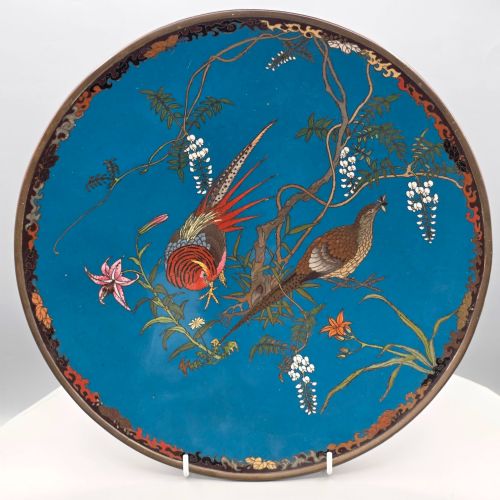
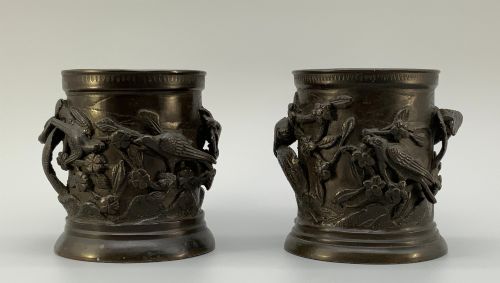
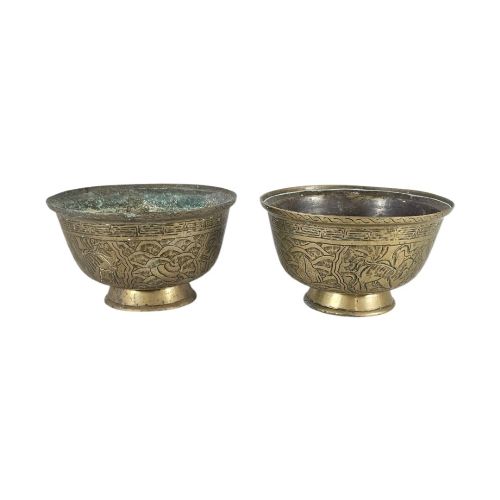
Metals form a major share of the work, utilising cast bronze, brass, white metal and silver mountings, alongside intricate Japanese cloisonné enamel laid onto copper bases. Ceramics appear in hard-paste porcelain, earthenware, Meissen porcelain and lustre pottery, decorated with hand-painted glazes and enamel.
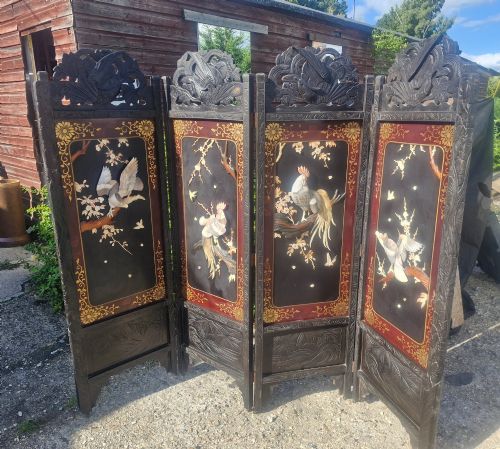
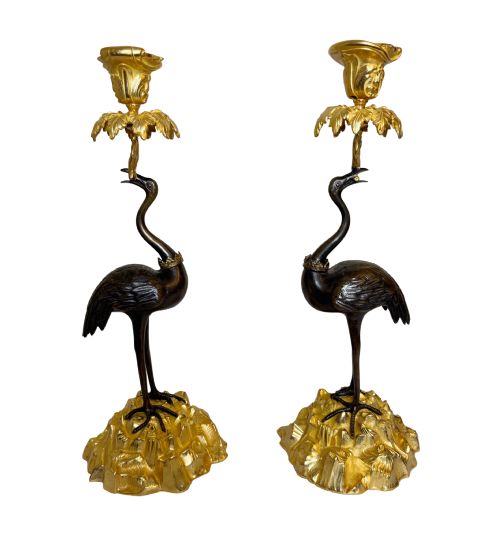
Carving and modelling define the sculptural works, using boxwood, bamboo, bone and Parian ware to capture feather detail and posture. Gilt bronze and gold leaf provide finishing highlights on French candlesticks and decorative brackets.
Antique Decorative Bird Retail Price Guide 2026
Typical asking prices for decorative bird among the pieces listed under this phrase on Sellingantiques today, from the lower quarter to the upper quarter. They describe what is for sale here now, not the wider market.
The listings span the Victorian, Edwardian and Meiji periods, utilising bronze, porcelain, brass and cloisonné enamel.
Qualities of Execution
The distinction between ordinary and exceptional pieces lies in the crispness of the modelling and the precision of the surface decoration. On cloisonné enamel, the fineness of the wirework and the depth of the colour fields determine the visual impact of the bird motif.
Ceramic examples depend on the clarity of the hand-painted enamels and the integrity of the glaze firing. Sculptural bronzes and wood carvings separate themselves through anatomical conviction and the sharpness of the chisel or the smoothness of the cast.
Manpei Kobe·Rene Lalique·Minton·Coalport·Meissen
The Antique Decorative Bird Glossary
- Cloisonné
- An enamelling technique where metal wire is soldered to a base to form compartments filled with vitreous paste. This method creates detailed chromatic designs of birds and foliage.
- Imari
- A style of Japanese porcelain decorated in underglaze blue and overglaze red, gold and black. These pieces frequently incorporate bird and floral panels.
- Spelter
- A zinc alloy used as a cheaper substitute for bronze in decorative figures and bookends. It is typically given a bronze-like finish.
- Parian ware
- A fine-grained unglazed porcelain resembling white marble, named after Parian marble from Greece. It was widely used for Victorian busts and decorative brackets.
- Ho-o bird
- The mythical Chinese phoenix, or Ho-o, symbolising peace and virtue. It appears frequently on Meiji period cloisonné chargers and vases.
Antique Decorative Bird: Frequently Asked Questions
How do I identify Meiji period cloisonne?
Meiji period cloisonné relies on thin copper bodies decorated with microscopic brass wires forming intricate mosaic patterns. The enamel colours often feature deep greens, blues and blacks framing naturalistic bird subjects.
Closer inspection reveals meticulous polishing of the surface to achieve a smooth finish, distinguishing Japanese work from later or coarser reproductions.
What is the difference between imari and satsuma porcelain?
Imari porcelain utilises a palette of cobalt blue and iron red enhanced with gilt, presenting crisp contrast on a bright white body. Satsuma ware employs a warm, crackle-glazed earthenware body painted with delicate polychrome enamels.
Both styles frequently incorporate bird and floral designs, but their weight, texture and firing characteristics remain distinct.
How were decorative bird cages used?
Brass and bamboo bird cages served as ornamental objects for Victorian and Edwardian interiors, sometimes housing mechanical singing birds or simply acting as focal points. They were suspended or placed on desks and tables to evoke exotic garden spaces within domestic rooms.
Some examples function as terrariums or decorative holders rather than enclosures for live animals.
How do I care for antique bronze bird sculptures?
Antique bronzes require minimal intervention, needing only occasional dusting with a soft, dry cloth to protect the patination. Avoid using chemical cleaners or metal polishes that strip the historic surface oxidation.
Keeping the pieces away from direct heat sources and excessive moisture preserves the stability of the metal and any underlying marble bases.