



Antique Decorative Armchairs
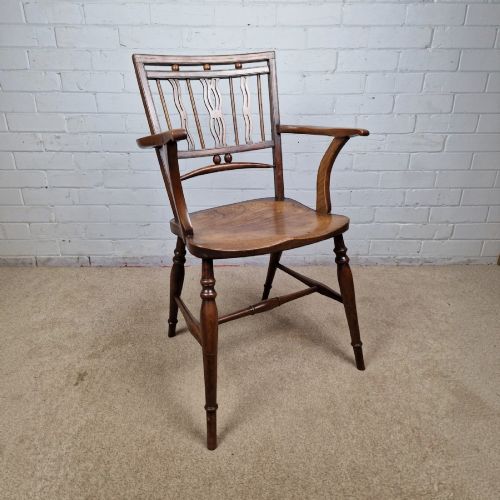
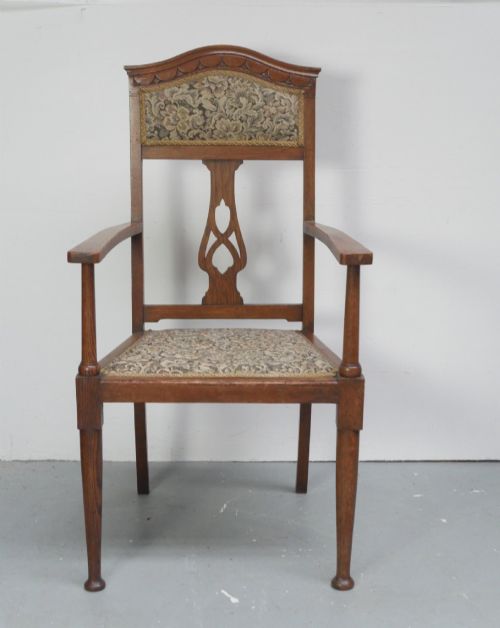
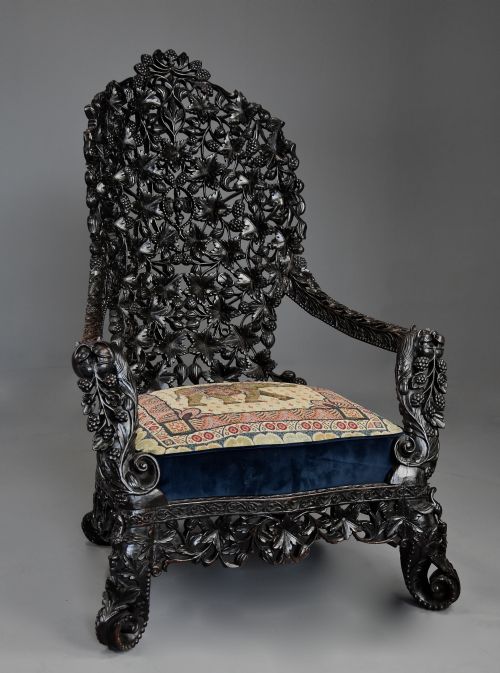
Antique decorative armchairs combine comfort and visual flair, spanning parlour seats to garden furniture in styles from Victorian to Edwardian.
Antique Decorative Armchairs
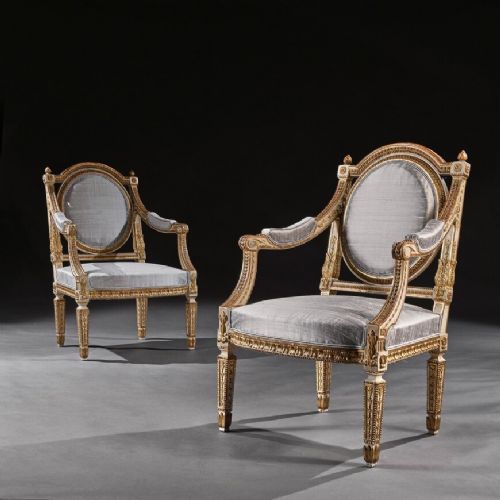
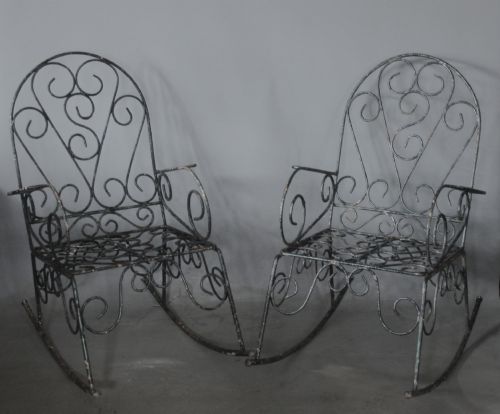
When searching for antique decorative armchairs, buyers encounter a diverse selection ranging from formal salon seating to robust garden furniture. The pieces span multiple eras including the Victorian and Edwardian periods, featuring distinctive regional and continental designs.
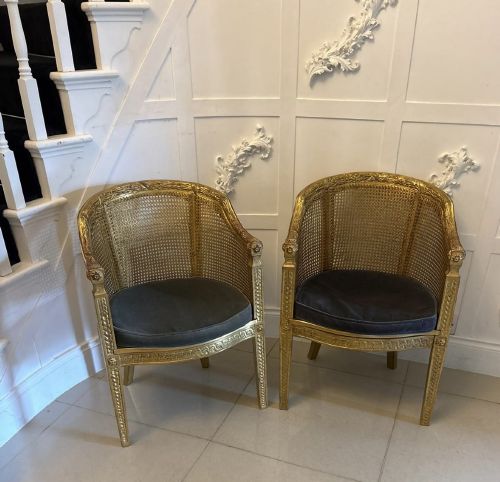
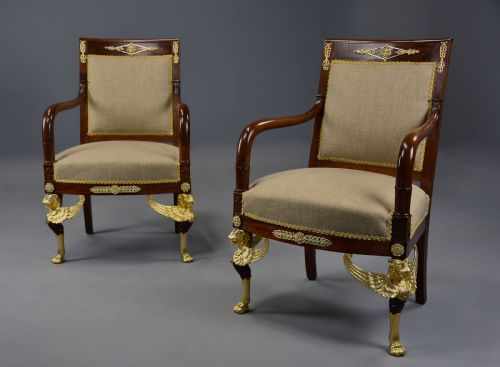
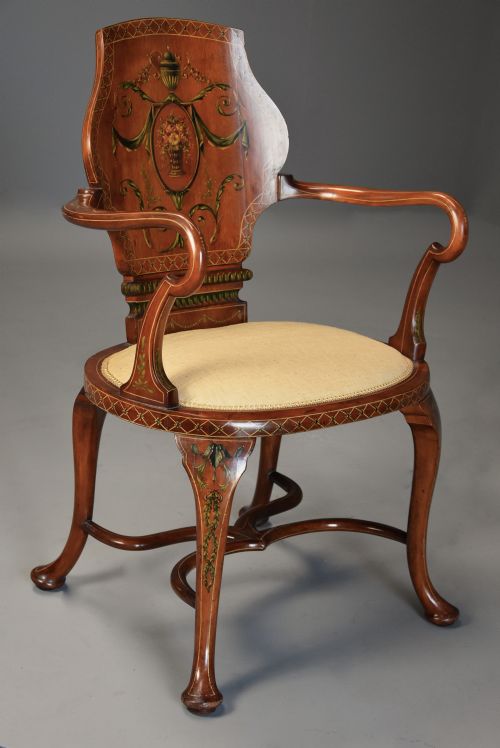
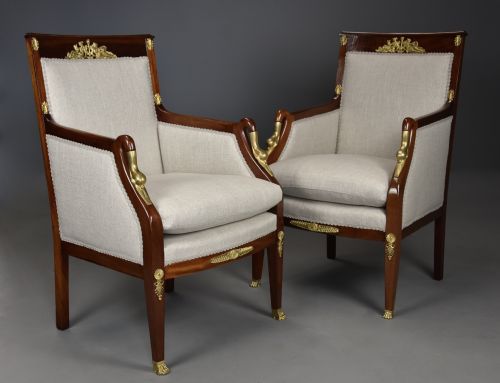
The most common examples on this page are refined salon chairs and mahogany armchairs produced around the turn of the twentieth century. These incorporate stylistic revivals such as Arts and Crafts, Art Nouveau, and French Empire influences.
Materials and construction methods
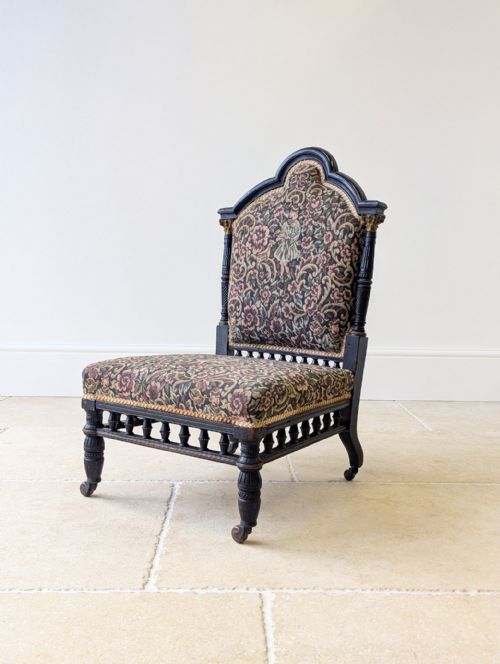
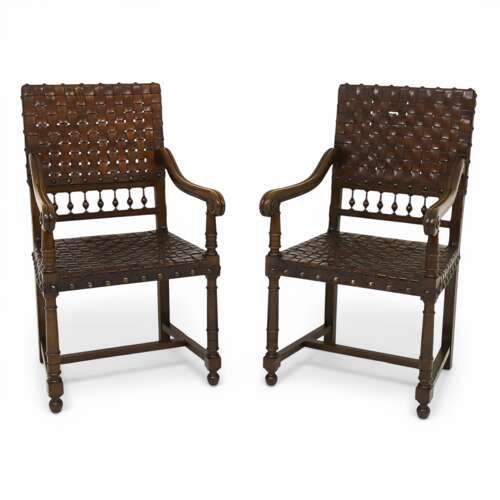
Cabinetmakers and artisans utilised solid timbers such as mahogany, walnut, and oak to build the foundational frames of these chairs. Decorative surfaces often received hand-painted finishes, gilding, or ebonised treatments to enhance their visual impact.
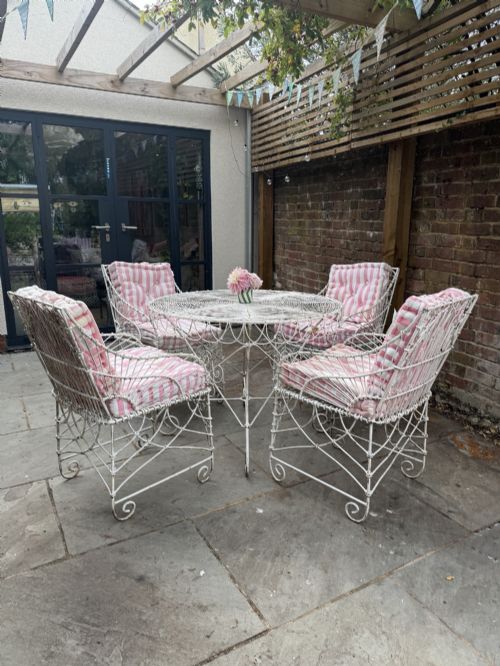
Alternative materials appear in outdoor and specialist seating, including wrought iron, cast iron, wicker, and brass. Joinery techniques and carved details vary widely depending on whether the piece originated in an urban workshop or a regional provincial centre.
Dentists once operated from heavy cast iron chairs that now find new life as eclectic indoor statement pieces.
Factors that distinguish quality
Quality in these chairs rests upon the crispness of hand-carved ornamentation and the integrity of the timber frame. Superior examples display refined proportions, careful inlay work, and original painted or gilded surfaces that have aged naturally.
Lesser pieces may exhibit coarse carving, compromised structural joins, or heavy later repainting that obscures the underlying material. The balance between decorative ambition and solid construction dictates the standing of each individual chair.
Dryad & Co
The Antique Decorative Armchairs Glossary
- Salon chair
- A light, ornamental armchair designed for use in a formal reception room rather than for heavy daily sitting. These often feature decorative woodwork and fine upholstery.
- Ebonised
- Wood treated with a chemical finish or stain to imitate costly ebony. This dark surface was popular during the Victorian period.
- Giltwood
- Timber that has been coated with a thin layer of gold leaf or gold paint. It provides a bright, reflective finish seen on grander decorative seating.
- Splatt
- The central vertical strip of wood in the back of a chair. It frequently carries painted or carved ornamentation.
- X frame
- A chair construction utilising intersecting diagonal members that form an X shape when viewed from the side. This structural form appears in revivalist designs.
Antique Decorative Armchairs: Frequently Asked Questions
What is a salon chair?
A salon chair is a lightweight, decorative seat intended for drawing rooms and formal sitting spaces. They prioritise visual elegance and ornate woodwork over heavy-duty lounging.
These chairs often feature painted details, inlay, or gilded finishes that complement the interior decor of a period home.
How do I care for painted wood?
Painted and gilded wooden surfaces require gentle dusting with a soft, dry cloth. Avoid chemical polishes and keep the furniture away from direct sunlight and moisture.
Stable indoor humidity prevents the underlying timber from expanding and protects the delicate painted decoration from cracking.
Are these chairs comfortable?
Comfort varies depending on the specific form and period of the chair. Formal salon and occasional chairs were designed for upright posture during conversation rather than reclining.
Larger armchairs and upholstered models offer a more relaxed sit, though many antique seats are chosen primarily for their decorative presence.
How do I identify Edwardian pieces?
Edwardian chairs frequently utilise mahogany or satinwood with delicate inlaid motifs. The overall aesthetic often draws inspiration from earlier Georgian or neoclassical styles.
Construction methods from this early twentieth-century era tend to be neat and refined, reflecting mass production alongside skilled hand finishing.