

Antique Decor Plaque
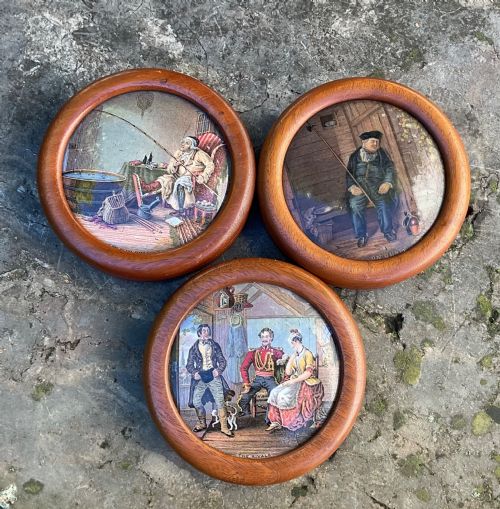
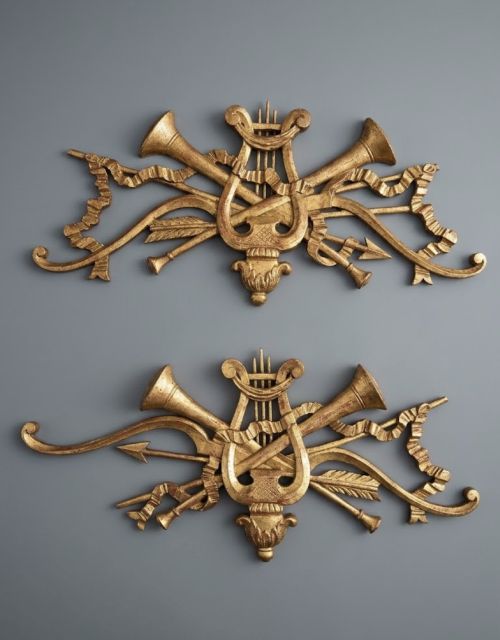
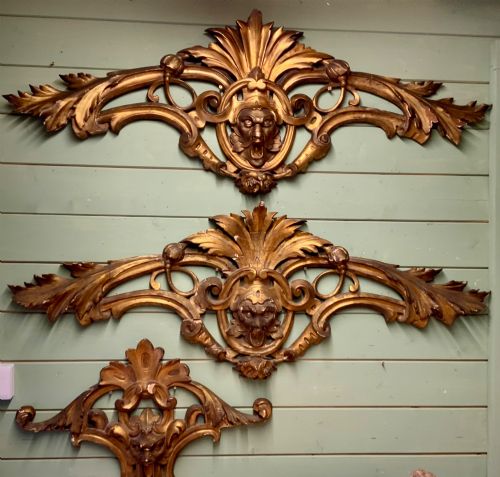
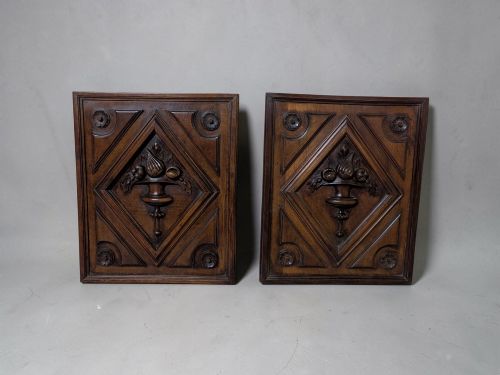
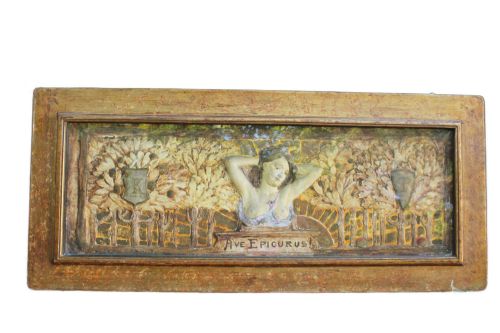
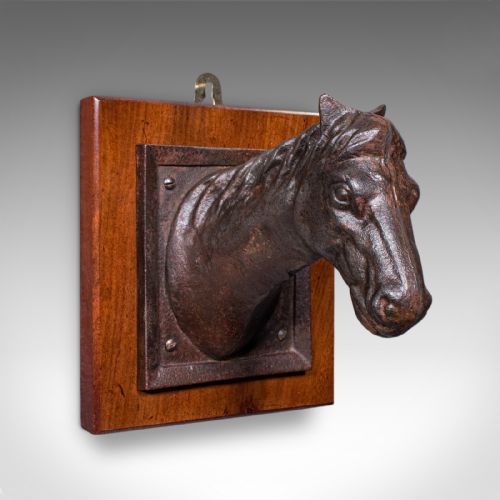
These antique decor plaques span centuries of carved wood, painted metal and taxidermy, offering distinct focal points for wall display.
Antique Decor Plaque
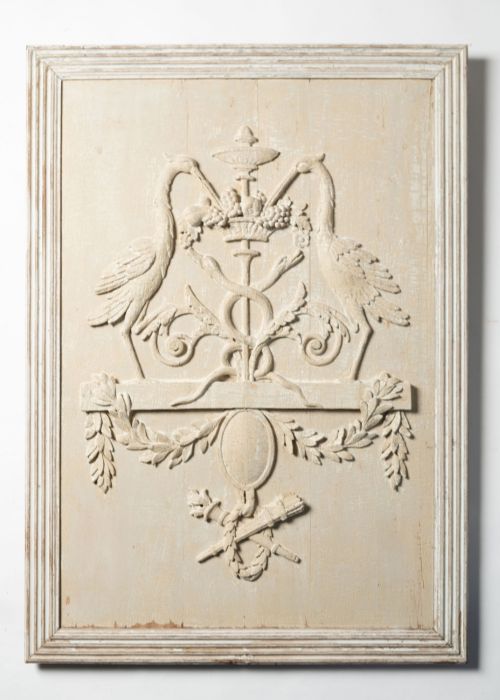
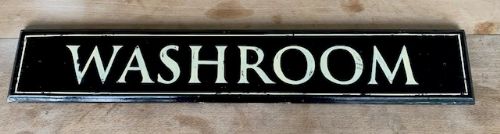
An antique decor plaque encompasses a broad selection of wall-hanging objects, ranging from carved wooden panels and armorial shields to trade signs and architectural fragments. Buyers searching this phrase meet items intended primarily for interior display rather than functional use.
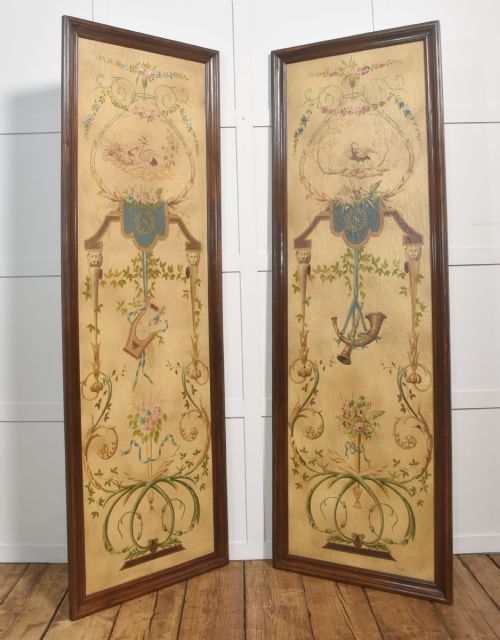
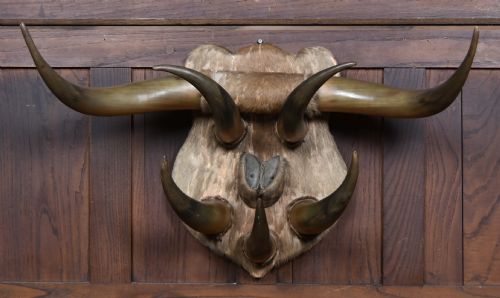
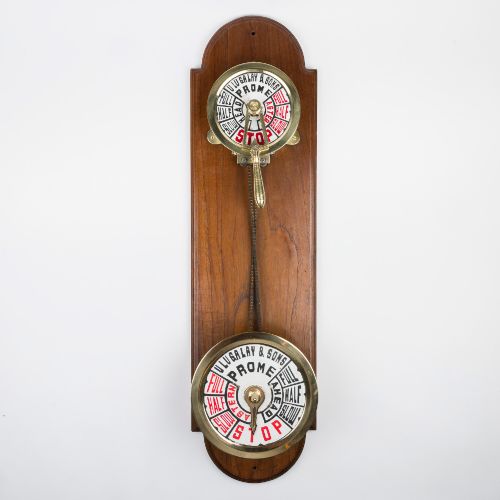
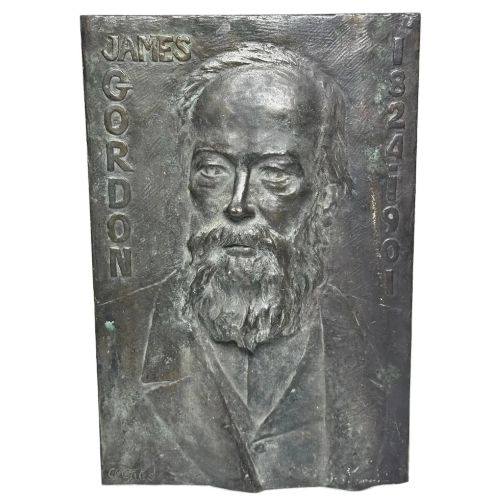
The selections span multiple eras, with nineteenth-century pieces forming a substantial portion alongside eighteenth-century carvings and early twentieth-century examples. Common forms include painted panels, bronze heraldic plaques, metal engine room items and taxidermy mounts.
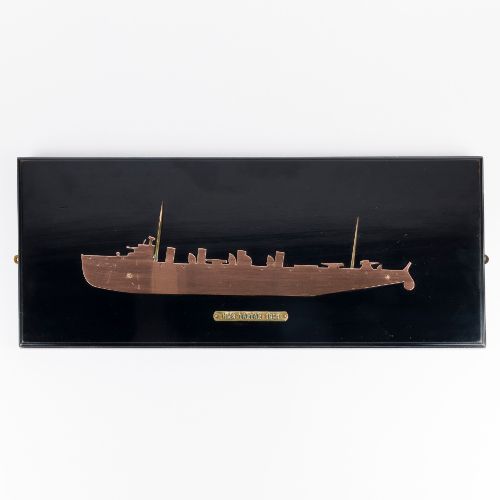
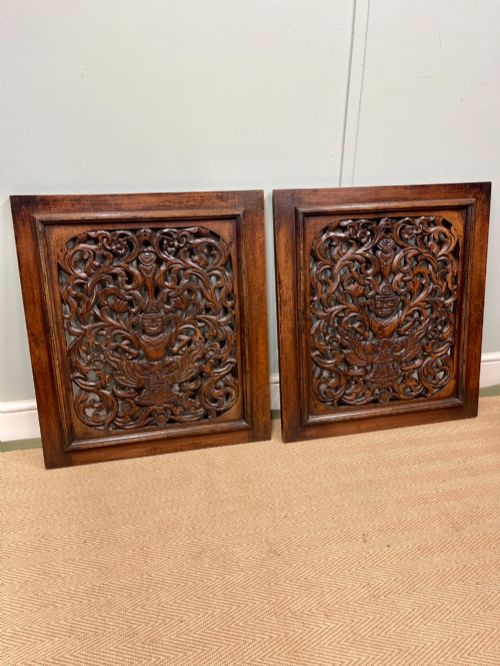
Origins vary across British, French, Chinese, Burmese and Dutch makers, reflecting diverse stylistic influences such as Victorian, Edwardian, Neoclassical and Arts and Crafts. Pieces take the shape of shields, roundels, half-hull models and carved animal trophies.
How They Were Made
Construction relies heavily on traditional woodworking techniques applied to timber, oak, and hardwood, frequently featuring hand carving, gesso, and painted finishes. Wood panels and architectural fragments demonstrate manual chiselling and joinery typical of their respective periods.
Organic materials such as horn, bone, leather, and taxidermy specimens involve specialised preservation and mounting methods. Glass and mother-of-pearl inlay also appear on specific plaques and platters, adding decorative contrast.
Antique Decor Plaque Retail Price Guide 2026
Typical asking prices for decor plaque among the pieces listed under this phrase on Sellingantiques today, from the lower quarter to the upper quarter. They describe what is for sale here now, not the wider market.
Materials span traditional timber and oak alongside cast iron, bronze, copper, brass, gesso, and taxidermy specimens.
What Varies in Quality
Depth and precision of manual carving distinguish finer wooden panels and Black Forest plaques from simpler moulded or machine-finished items. The sharpness of detail in cast iron and bronze heraldic pieces indicates the fidelity of the original mould and subsequent hand-finishing.
Integrity of surface finishes, whether original paint, patinated metal, or lacquered wood, influences overall character. Original hand-painted details and intact patination hold greater visual depth than later repainting.
Complexity of composition and subject matter, such as multi-figure reliefs or detailed armorial shields, separates standard decorative items from superior sculptural works.
Ulugary & Sons·W. Grey & Co·Carlhian & Corbiere London·Samson
The Antique Decor Plaque Glossary
- Armorial shield
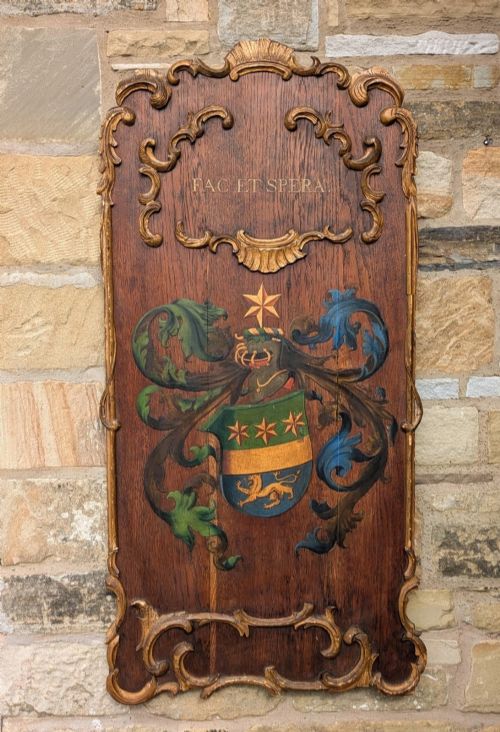
- A decorative panel shaped like a heraldic shield displaying coats of arms or family crests. These wooden or cast metal pieces were often mounted on walls to signify lineage or institutional allegiance.
- Gesso
- A plaster-like mixture applied to wood or canvas surfaces to prepare them for painting or gilding. It provides a smooth ground that can be moulded into low-relief decorative details.
- Half-hull model
- A three-dimensional representation of the starboard or port side of a ship, mounted on a backboard for wall display. Naval architects and shipyards historically used these for design evaluation.
- Polychrome
- Decorated in multiple colours, typically applied to plaster, wood, or stone reliefs. This technique enhances the dimensionality of carved surfaces.
- Roundel
- A circular panel or plaque featuring carved, painted, or inlaid decoration. They frequently incorporate floral, figurative, or geometric motifs.
- Taxidermy mount
- The preserved skin of an animal mounted over an artificial form, often arranged on a wooden shield for wall hanging. Common examples include deer, antelope, and game birds.
Antique Decor Plaque: Frequently Asked Questions
What is an antique decor plaque?
An antique decor plaque is a wall-mounted decorative object created from materials like wood, metal, plaster, or taxidermy. These pieces encompass carved panels, heraldic shields, trade signs, and sculptural reliefs.
They served as interior ornamentation, architectural salvage, or commemorative displays in period homes and public spaces.
How do I hang a heavy cast iron plaque safely?
Heavy cast iron or bronze plaques require secure fastening directly into wall studs or appropriate masonry anchors using rated screws. Due to the substantial weight of iron coats of arms and large metal reliefs, standard picture wire is unsuitable.
Consulting a professional installer ensures the wall structure can support the load of the specific piece.
How do I clean a carved wooden wall panel?
Carved wooden panels benefit from gentle dusting with a soft, dry brush to remove particles from recessed crevices. Avoid using liquid cleaners, polishes, or abrasive cloths that might strip original patination or damage gesso and painted surfaces.
Maintaining stable indoor humidity prevents the timber from warping or splitting over time.
How can I tell a Victorian plaque from an Edwardian one?
Victorian plaques often lean towards ornate, heavy ornamentation such as Gothic Revival, Renaissance Revival, or elaborate floral carvings. Materials frequently include dark ebonised woods, heavy cast iron, and detailed taxidermy.
Edwardian pieces tend to show cleaner lines, lighter timber tones, and influences from the Arts and Crafts movement or early industrial designs.