
Antique Dark Coffer
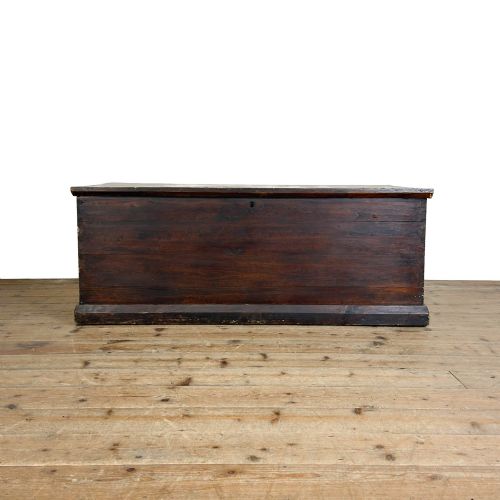
An antique dark coffer provides substantial timber storage carrying centuries of utility and heavy grain.
Antique Dark Coffer
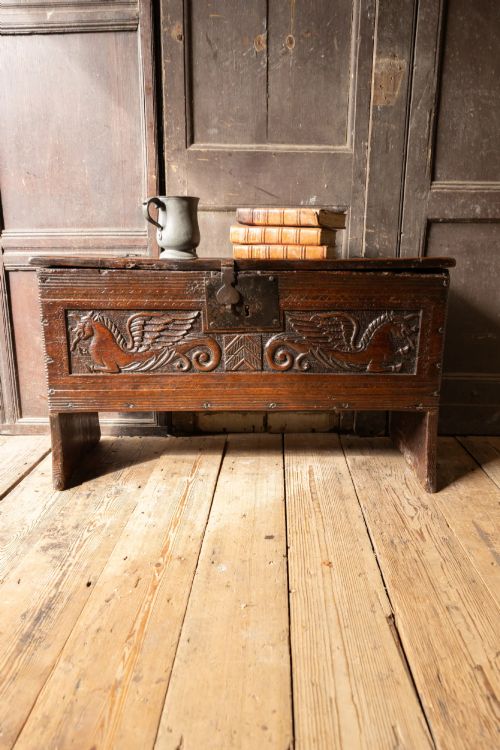
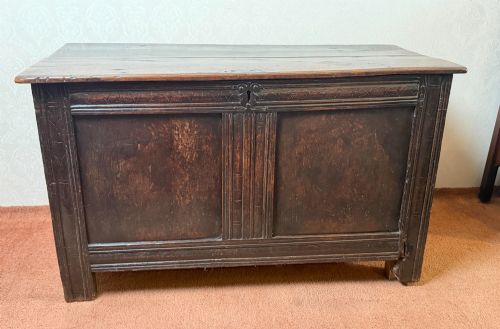
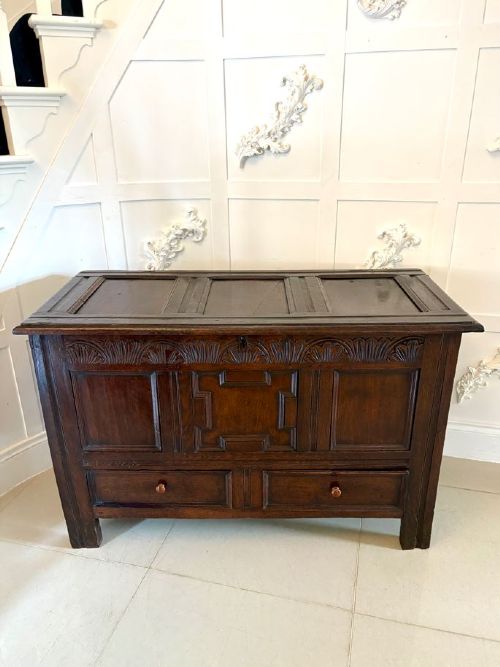
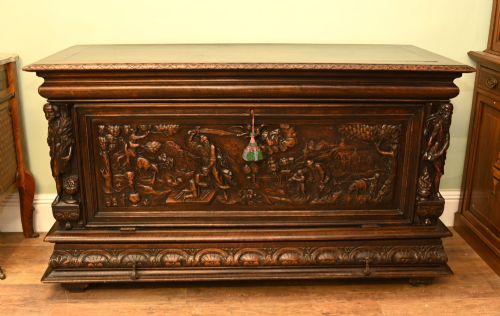
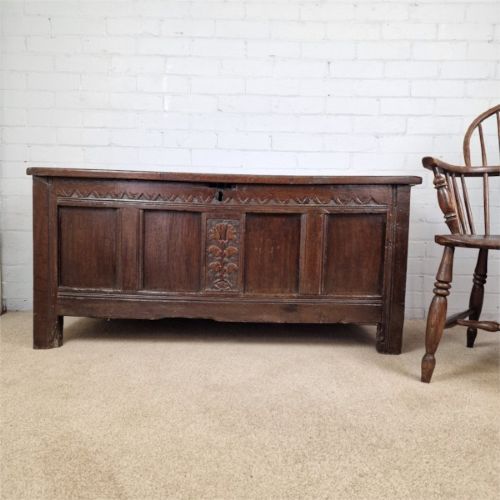
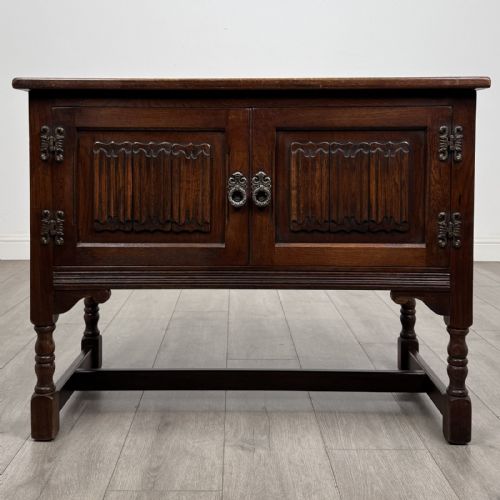
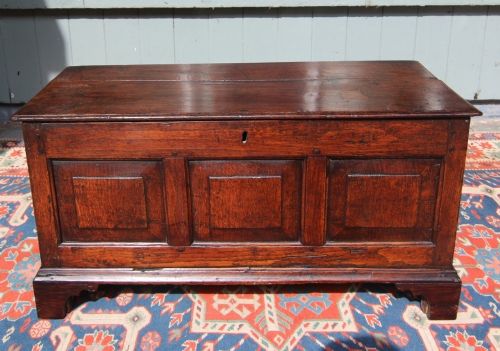
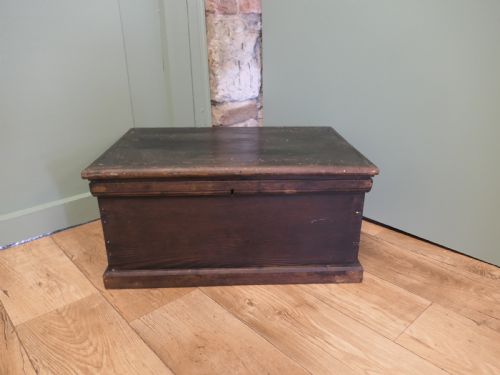
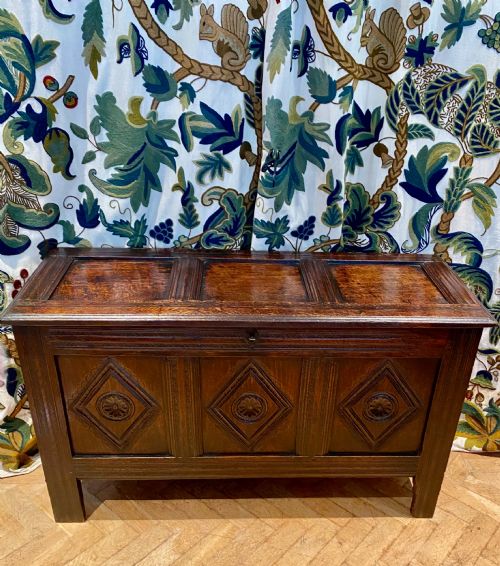
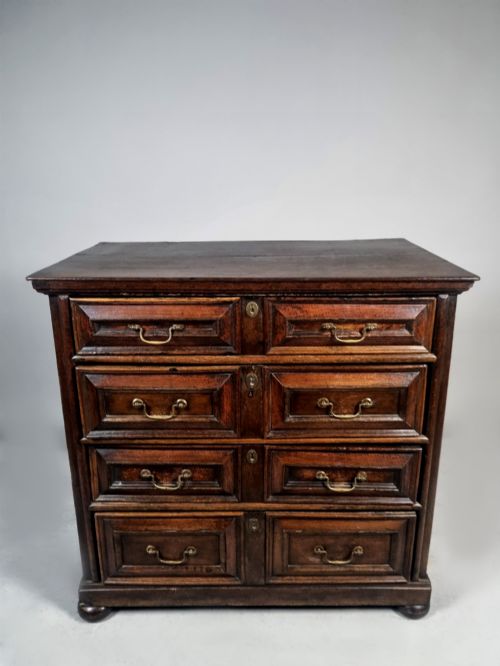
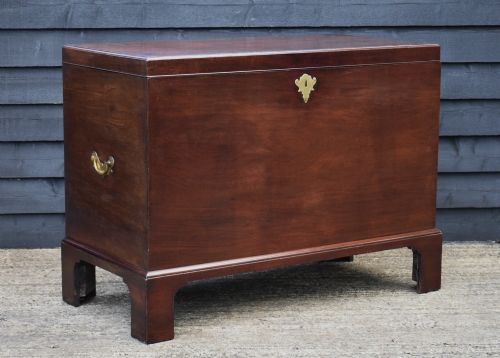
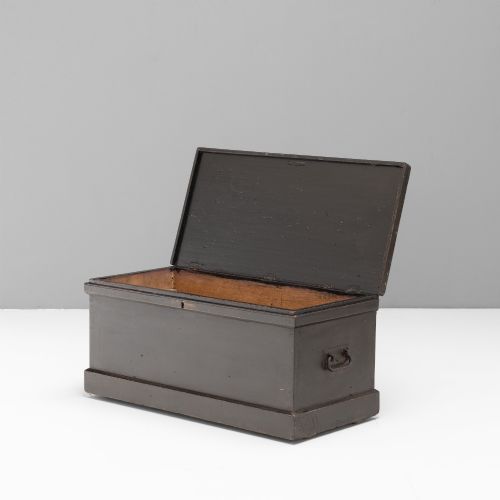
An antique dark coffer is a heavy storage chest built to hold household valuables, textiles or documents. These pieces stem predominantly from the seventeenth and eighteenth centuries, though revival examples appear frequently.
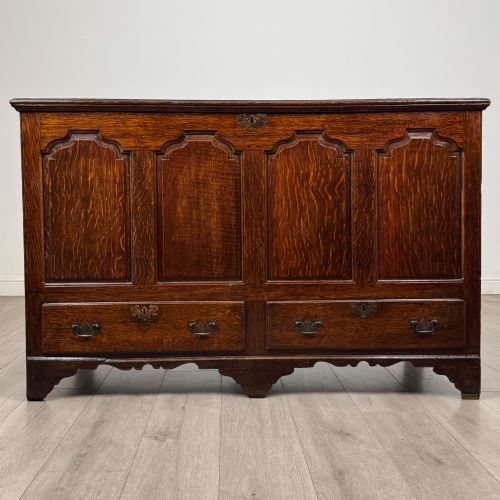
The most common form met here is the solid oak coffer, often showing deep patination and panelled construction. Dimensions range from small document boxes to large country house chests.
Originating as practical domestic furniture, many surviving examples display regional British characteristics such as Welsh Gower or English country workshop traits.
Materials and construction
Makers relied primarily on native English and Welsh oak, alongside occasional elm and mahogany for later variations. Boards were hand-rived or sawn, resulting in irregular grain patterns and sturdy joins.
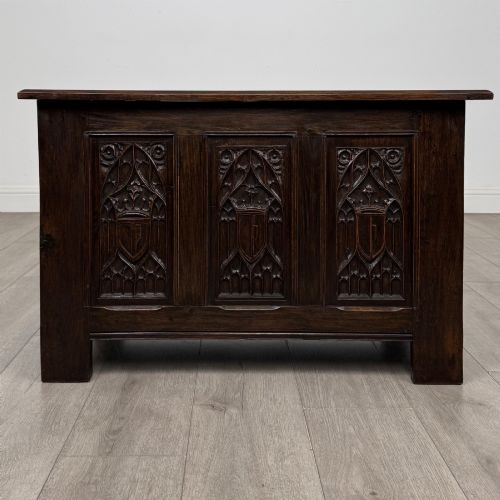
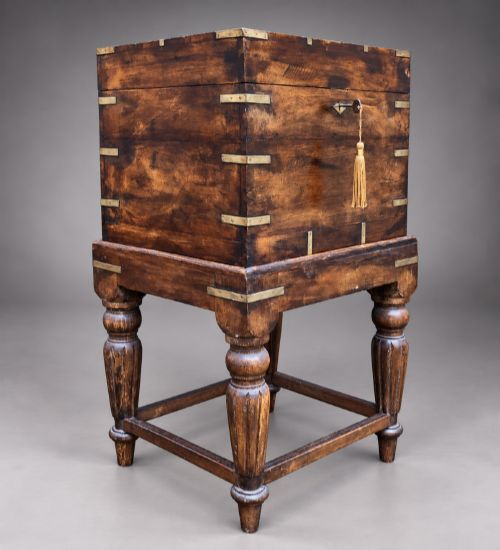
Iron and brass hardware, including strap hinges, lock plates and studded leather, reinforced the heavy timber frames. Carved decoration was often applied directly to the solid front panels using gouges and chisels.
Some seventeenth-century Welsh examples hide secret compartments inside beneath the main till to keep family currency safe from intruders.
Judging the range
Quality rests on the integrity of the timber, the depth of the original patination and the crispness of any carved enrichment. Early seventeenth-century examples with untouched joined framing sit at the sophisticated end of the spectrum.
Lesser pieces often show extensive later alterations, replaced timber or unsympathetic stripping of the dark historic surface. The weight of the ironwork and the tightness of the panel joints dictate durability.
Samuel Pratt
The Antique Dark Coffer Glossary
- Coffer
- A large wooden chest used for storing valuables, linen or documents. These boxes generally feature a hinged lid and robust panelled walls.
- Linenfold
- A style of carved wooden panelling that resembles folded fabric. This decorative motif appears frequently on sixteenth and seventeenth-century English pieces.
- Six-plank
- A primitive form of chest constructed from six distinct boards joined directly at the edges. This method predates complex frame-and-panel techniques.
- Patina
- The deep surface sheen developed by timber and metal over centuries of handling and oxidation. Genuine patination cannot be artificially replicated.
- Settle
- A wooden bench featuring high panelled backs and enclosed storage beneath the seat. These forms often combine the utility of a coffer with seating.
Antique Dark Coffer: Frequently Asked Questions
What were antique dark coffers used for?
These chests originally served as secure storage for household valuables, silver, important documents and textiles in domestic interiors.
Over subsequent centuries their role shifted toward decorative blanket storage and hallway furniture within country houses.
How do I date an oak coffer?
Dating relies on observing construction techniques, such as hand-split timbers, pegged mortise and tenon joints, and wrought iron hardware.
Stylistic clues like linenfold carving or geometric moulding patterns also anchor pieces to specific sixteenth or seventeenth-century reigns.
Are these chests heavy to move?
Solid oak and elm construction makes seventeenth and eighteenth-century coffers exceptionally heavy and dense.
Moving them generally requires two people to prevent strain on the historical corner joints and pegged framing.
How should I clean dark antique wood?
Maintenance requires only a soft cloth and occasional application of appropriate beeswax to nourish the dry timber.
Harsh modern chemical cleaners strip away the historic dark surface sheen and must be strictly avoided.