




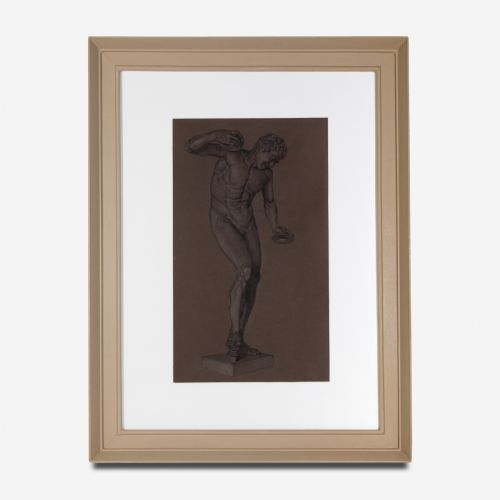
Antique Dancing Figure
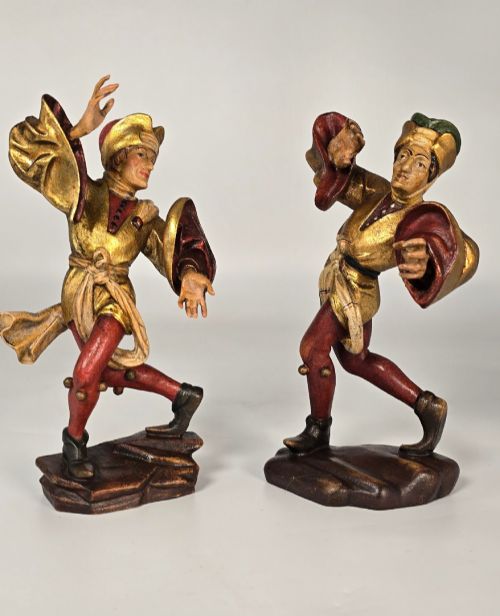
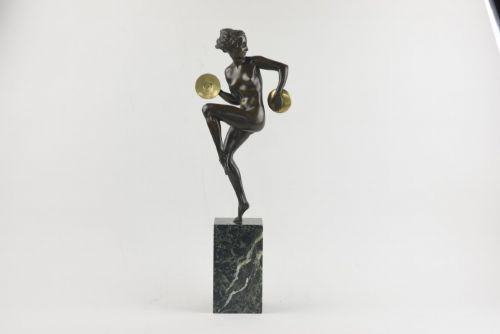
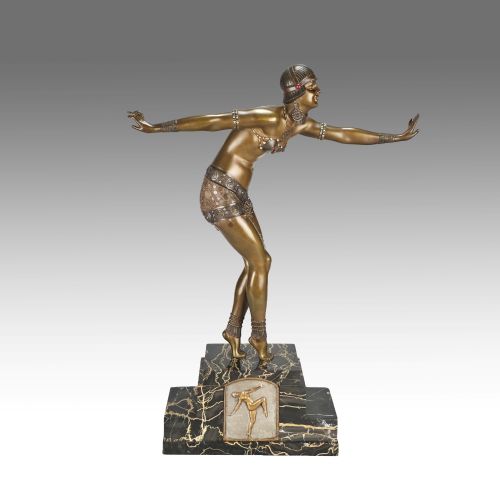
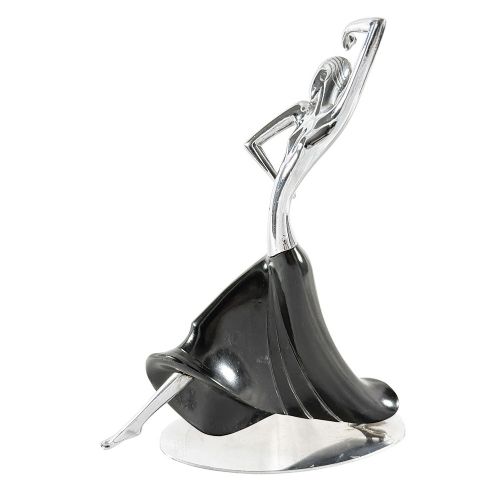
An antique dancing figure captures motion in bronze, wood, or porcelain, bringing movement and theatrical energy into a room.
Antique Dancing Figure
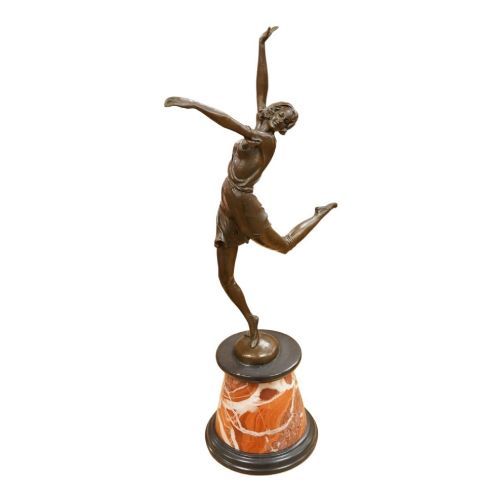
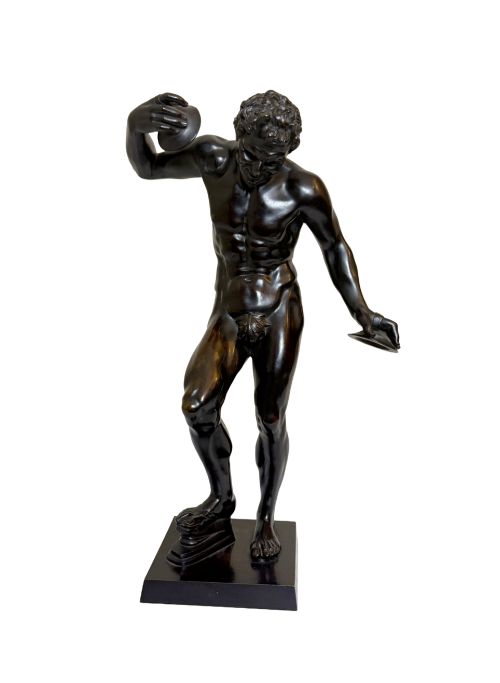
An antique dancing figure spans classical mythology, folk traditions, and twentieth-century design movements. When you search for this phrase, you encounter depictions of mythological fauns, traditional dancers, and Art Deco ballerinas.
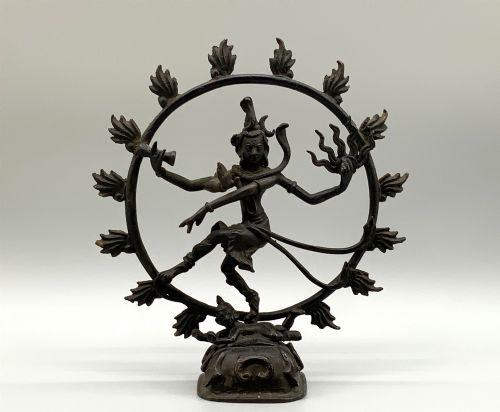
The objects take the form of bronze statues, porcelain figurines, carved wooden nutcrackers, and framed artworks. Pieces from the nineteenth century often draw upon Grand Tour souvenirs, while twentieth-century examples embrace modernist lines.
Most items you meet on this page originate from European foundries, studios, and folk traditions. They range from small cabinet sculptures to substantial mantel ornaments mounted on marble bases.
Materials and production methods
Metal sculptures rely on the lost-wax casting technique to capture fine details in bronze, brass, and spelter. Patination liquids and hand-applied paints create varied surface tones across the metal.
Carved wooden figures utilise limewood and regional timbers shaped with hand gouges. Folk art pieces often combine carved wood with paper elements and hinged joints for mechanical movement.
Porcelain figurines require slip casting in moulds followed by hand painting and high-temperature glazing. Marble serves primarily as a heavy base material to stabilise slender standing figures.
Antique Dancing Figure Retail Price Guide 2026
Typical asking prices for dancing figure among the pieces listed under this phrase on Sellingantiques today, from the lower quarter to the upper quarter. They describe what is for sale here now, not the wider market.
A brass nutcracker shaped as a dancing figure turns cracking walnuts into an unexpected performance.
Distinctions in craftsmanship and design
The crispness of the casting and the sensitivity of the chasing separate standard foundry output from superior artistic work. Finer bronzes retain sharp facial expressions, articulated fingers, and clean drapery folds without surface pitting.
The integration of the figure with its base indicates overall thoughtfulness in design. Heavy marble plinths, secure fixings, and legible artist signatures or foundry stamps denote higher-grade production.
Pierre Collinet·Demetre Chiparus·Aurore Onu·Auguste Moreau·Josef Lorenzl·Clodion·Augusto Rivalta·Eugène Désiré Piron·Bruno Zach·Charlotte Monginot
The Antique Dancing Figure Glossary
- Grand Tour
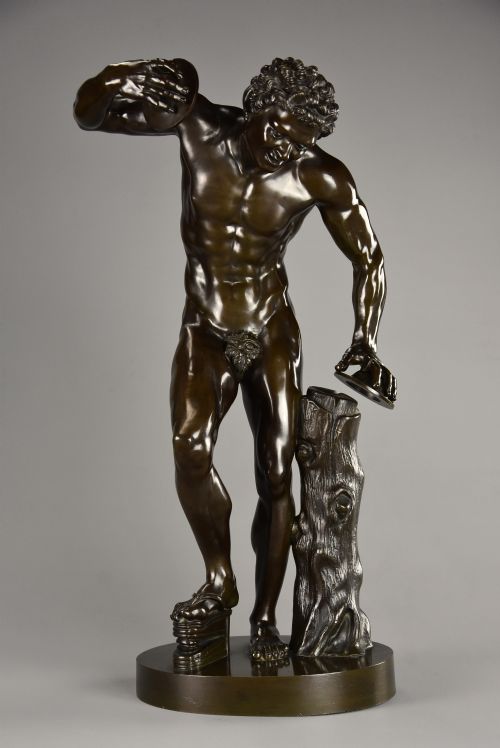
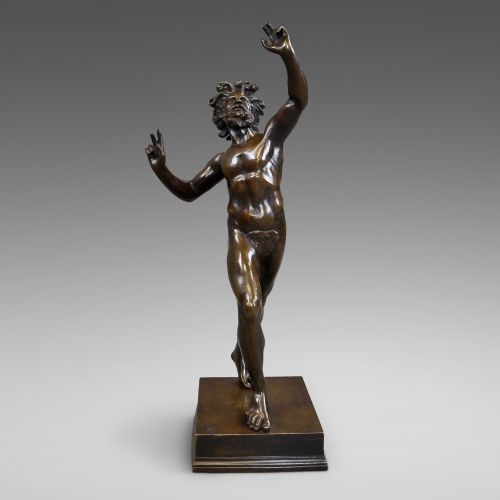
- A nineteenth-century tradition where wealthy travellers collected classical art souvenirs in Italy. These bronze reductions replicate ancient statues discovered at archaeological sites like Pompeii.
- Spelter
- An alloy of zinc and lead used as a cheaper alternative to bronze. It is softer to work and typically receives a bronze-coloured coating to imitate heavier metal.
- Lost-wax casting
- A method where a wax model is melted from a mould and replaced with molten metal. This technique allows for intricate undercuts and delicate limbs in figural sculpture.
- Patination
- The chemical treatment or natural oxidation applied to metal surfaces. It alters the colour and protects the underlying material while adding visual depth.
- Jigger doll
- A kinetic folk art toy featuring jointed wooden limbs designed to dance on a board when tapped. These mechanical figures rely on simple gravity and weight distribution.
Antique Dancing Figure: Frequently Asked Questions
What materials were used for these figures?
The pieces utilise cast metals including bronze, brass, and spelter, often finished with patination. Other common materials comprise carved wood, hand-painted porcelain, marble, and paper collage.
Foundries selected metals for durability and detail retention, while folk artists worked with accessible local timber. Marble frequently appears as a heavy mounting base for metal sculptures.
How do I identify a Grand Tour bronze?
Grand Tour bronzes typically replicate famous classical sculptures such as the dancing faun from Pompeii. They date predominantly to the nineteenth century and often feature dark patination or greenish tones.
Many of these souvenir pieces were cast in Italian workshops for travellers touring archaeological sites. Some bear foundry stamps or signature marks from the period.
What is an Art Deco dancing figure?
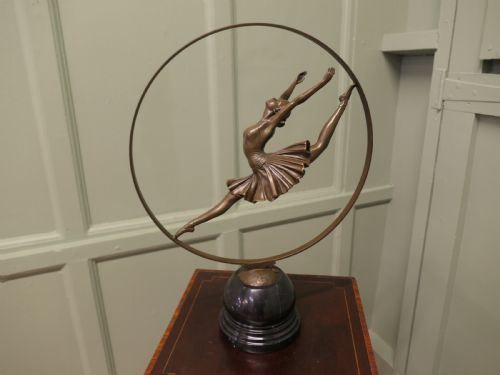
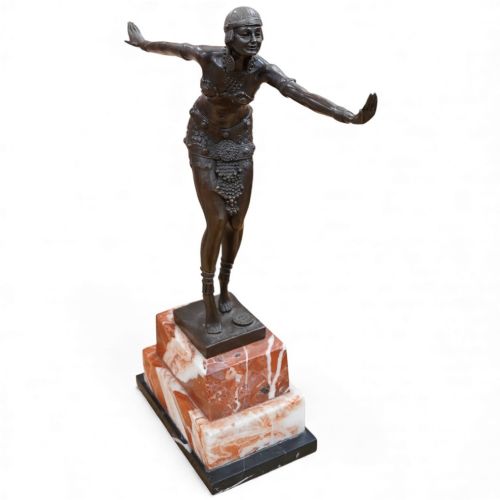
Art Deco figures from the 1920s and 1930s depict dancers with stylised linearity, dynamic poses, and modern costume elements. Sculptors like Demetre Chiparus and Bruno Zach captured the energy of contemporary cabaret and ballet.
These pieces frequently combine metallic figures with stepped marble or onyx bases. The aesthetic emphasises motion, geometric discipline, and sleek surface finishes.
How do folk art jigger dolls work?
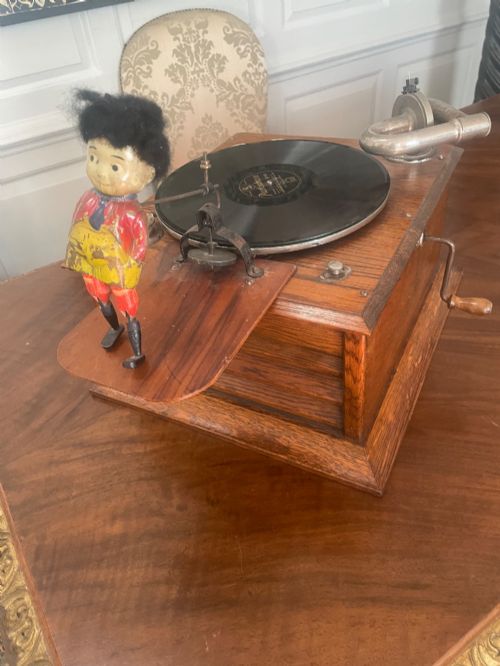
Jigger dolls are mechanical folk art toys made from wood and paper with loose, hinged limbs. When placed on a vibrating surface or manipulated by hand, the figure dances.
Originating in the early twentieth century, these pieces demonstrate playful regional craftsmanship. They combine carved hats and tailored clothing with simple kinetic joints.