



Antique Dancer Figure
When you search for an antique dancer figure, you are stepping into a world where movement is cast in bronze, carved in marble, and modelled in porcelain.
Antique Dancer Figure
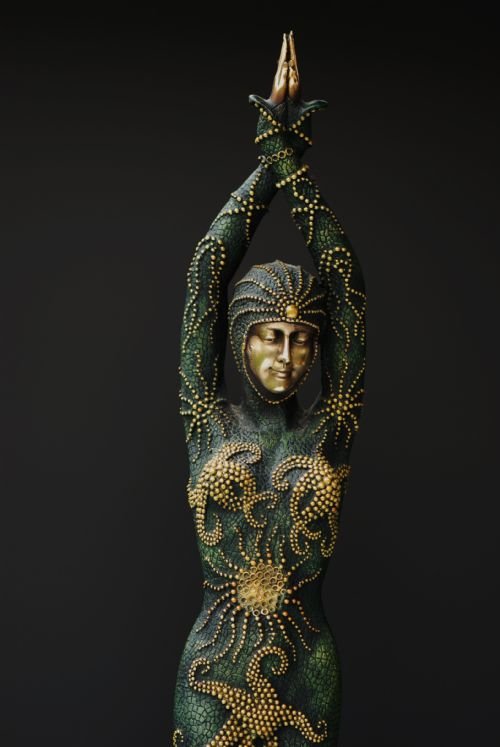
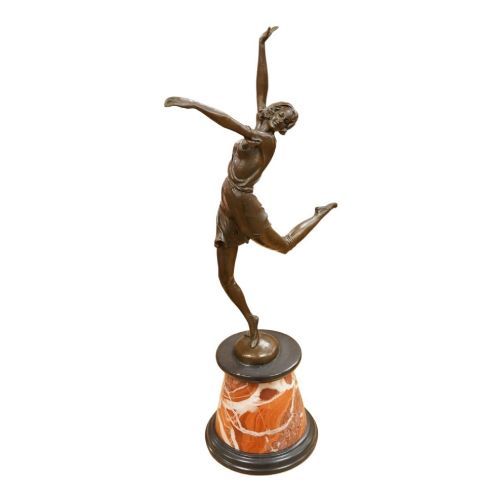
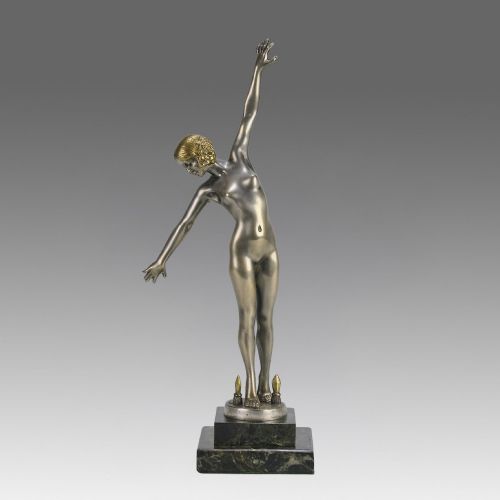
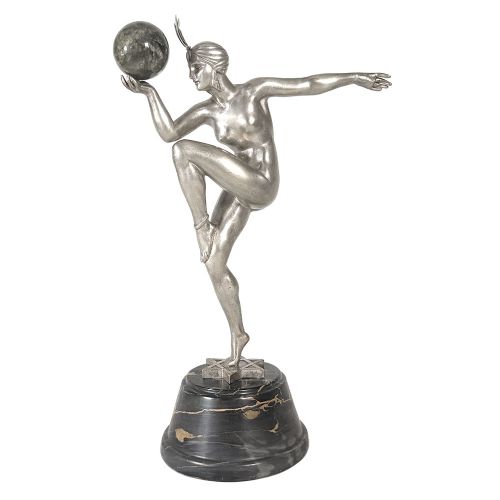
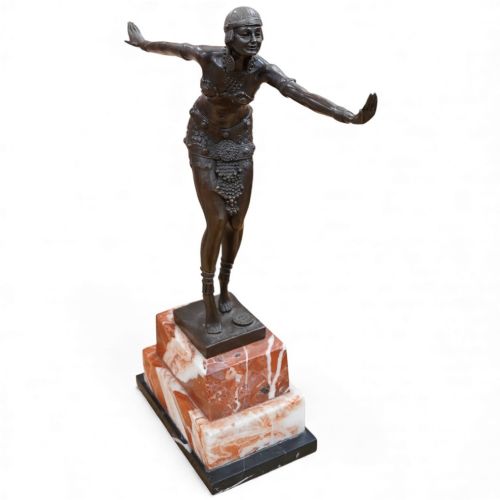
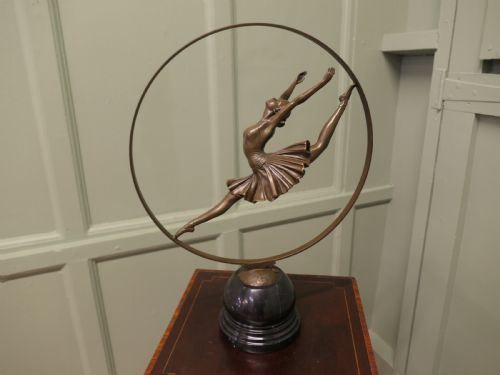
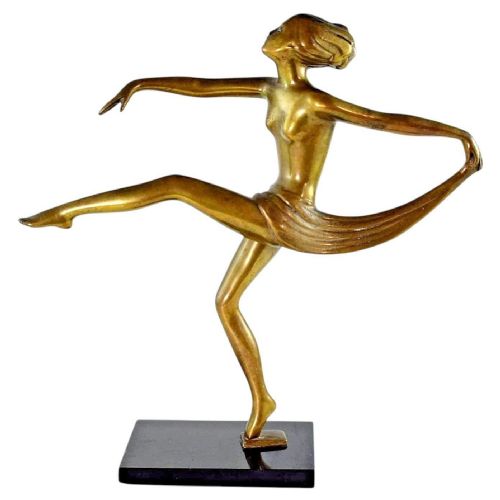
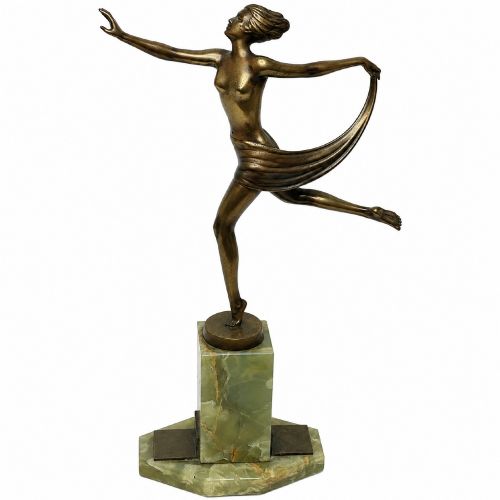
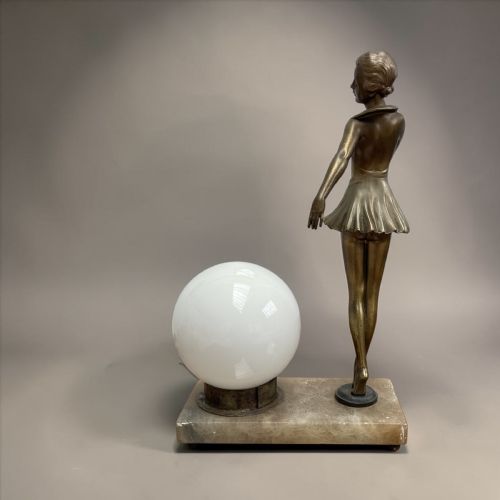
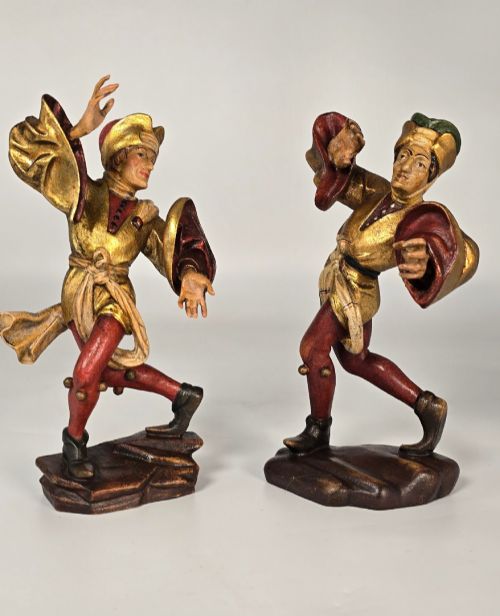
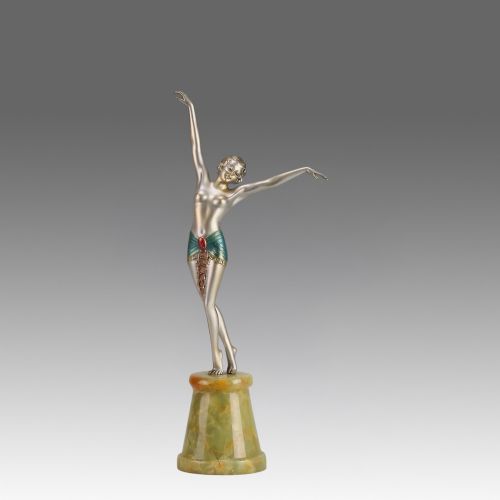
An antique dancer figure captures the energy of movement, most frequently expressed through Art Deco studies of female ballerinas, cabaret performers, and exotic dancers produced during the 1920s and 1930s. These pieces take many physical forms, ranging from standalone bronze sculptures and table lamps to porcelain figurines and carved wooden medieval depictions.
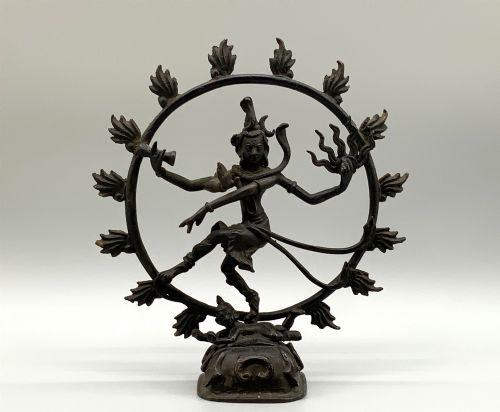
The materials and origins stretch far beyond the twentieth century, encompassing Georgian porcelain candlesticks, nineteenth-century Indian bronzes of Shiva Nataraja, and ancient pottery figures from early Chinese dynasties. Collectors encounter everything from large European foundry casts to modest spelter figures designed to mimic more costly metals.
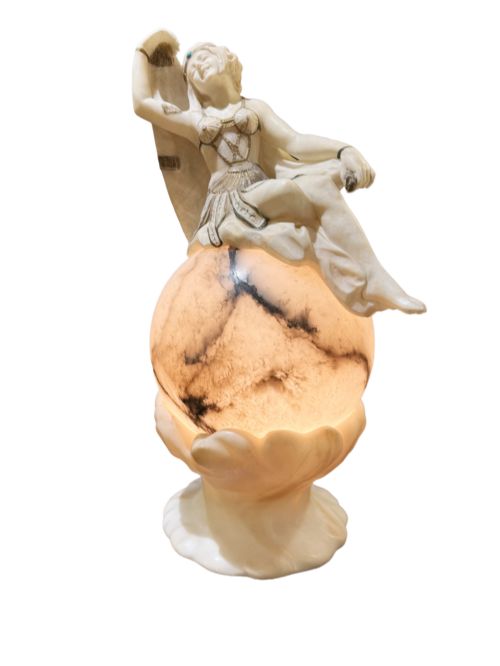
The physical scale varies considerably, from small cabinet statuettes to monumental sculptures and functional items like illuminated lamps where the dancer forms the central stem. Each object records the aesthetic of its period, whether that is the linear precision of the interwar years or the religious symbolism of earlier traditions.
Materials and construction
Foundries and studios utilised traditional casting methods, predominantly the lost-wax technique for bronze, silvered bronze, and gilt bronze figures, which allowed for intricate detail in drapery and limbs. Spelter served as a cheaper alternative for metal figures, often given a cold-painted finish or patination to resemble bronze.
Bases were fashioned from dense natural stones such as marble and onyx to anchor the dynamic postures of the figures, while sculptors also worked directly in alabaster, carved limewood, and pottery. Selected works combined metals with ivory in chryselephantine compositions, or incorporated glass and ceramic elements for lamp shades and garments.
Antique Dancer Figure Retail Price Guide 2026
Typical asking prices for dancer figure among the pieces listed under this phrase on Sellingantiques today, from the lower quarter to the upper quarter. They describe what is for sale here now, not the wider market.
Materials represented include carved limewood, Derby porcelain, alabaster, and various forms of patinated and cold-painted bronze.
Distinctions in quality
The selection and integration of the base material matter greatly, as high-grade pieces utilise heavy, well-veined marble or onyx correctly proportioned to support the weight and balance of the dynamic pose. Signatures and foundry marks from established sculptors elevate a work, though unsigned pieces rely entirely on the sculptural vigour and proficiency of the modelling.
Ouillon Carrere·Maurice Giraud-Rivière·Pierre Collinet·Josef Lorenzl·Demetre Chiparus·Aurore Onu·Rousseau·Paul Philippe·Pierre Le Faguays·Claire Jeanne Roberte Colinet·Rene Andre Varnier·Jean Hippolyte Marchand·Paul de Boulogne
The Antique Dancer Figure Glossary
- Cold-painted bronze
- A technique where bronze figures are painted with natural cold-drying paints rather than fired in a kiln. This method was widely used by European foundries in the early twentieth century.
- Spelter
- A zinc alloy used as a less expensive substitute for bronze in decorative figures. It is softer than bronze and usually coated with a metallic paint to simulate patination.
- Chryselephantine
- A term describing a statue made of gold and ivory, or in later periods, bronze combined with carved ivory faces and hands. It requires specialist conservation due to the differing expansion rates of the materials.
- Patina
- The surface sheen and coloration developed on metal through age or chemical treatment. Original patination is prized by collectors for authenticity.
- Lost-wax casting
- An ancient method of metal casting where a molten metal is poured into a mould that has been created by melting away a wax model. This allows for exceptional detail in sculptural work.
Antique Dancer Figure: Frequently Asked Questions
How do I identify an Art Deco dancer?
Art Deco dancer figures typically feature stylized, aerodynamic forms, sleek drapery, and dynamic poses inspired by contemporary ballet, cabaret, and exotic theatre of the 1920s and 1930s. They are frequently mounted on tiered marble or onyx bases.
Look closely at the materials and clothing styles, which often reflect the modernist aesthetic of the interwar period, utilising metals like bronze and silvered bronze alongside carved alabaster.
What is the difference between bronze and spelter?
Bronze is a durable copper and tin alloy that accepts fine chisel work and holds crisp details from the foundry mould. Spelter is a softer zinc alloy that feels lighter and was used as an economical alternative.
Examining the underside or areas of wear often reveals the greyish metal beneath a painted spelter surface, whereas bronze shows a warm metallic tone.
How were dancer table lamps made?
Dancer table lamps integrate a sculptural figure as the main vertical stem, often with arms outstretched to hold or frame a glass shade. The electrical fittings were usually added or updated during the period of use.
These pieces combined functional lighting with decorative art, utilising metals like gilt bronze or silvered bronze mounted securely to heavy stone bases.
Are all antique dancer figures signed?
Many fine figures bear the signature or monogram of the sculptor cast directly into the metal or incised into the stone base. However, a significant number of high-quality pieces and commercial editions left the foundry unsigned.
An unsigned figure is judged entirely on the quality of its casting, the weight and choice of its base, and the proficiency of the modeling rather than an attribution.