


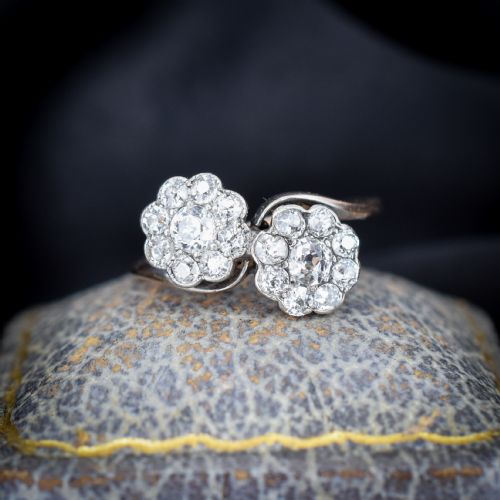

Antique Daisy Cluster Ring
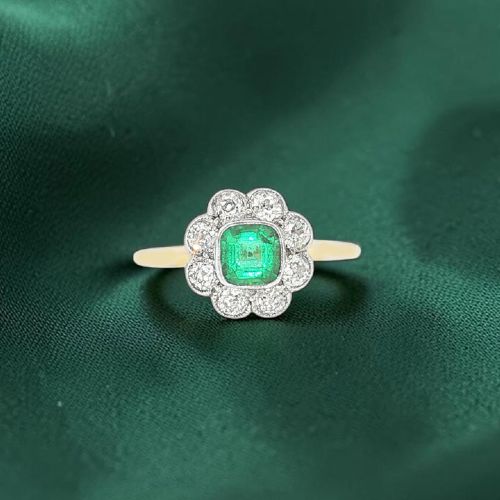
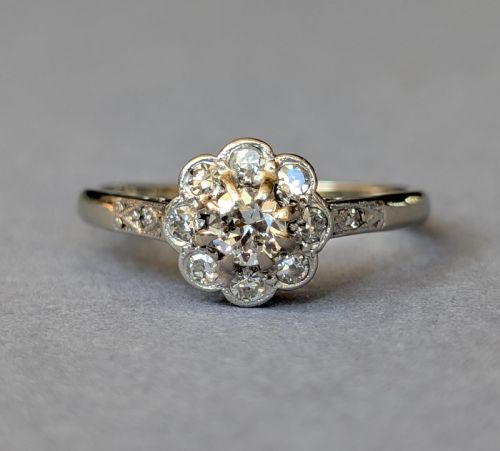
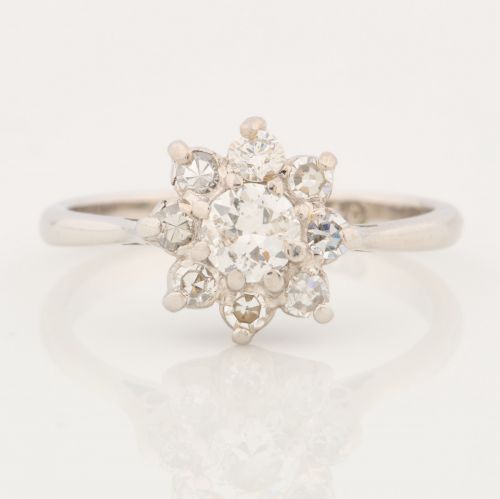
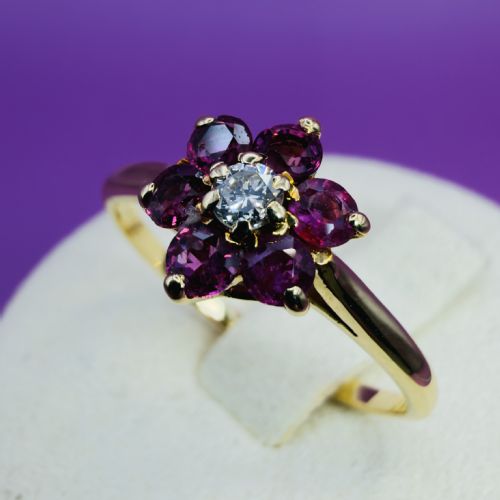
An antique daisy cluster ring gathers a central gemstone within a radiant border of smaller stones, capturing centuries of meticulous lapidary skill.
Antique Daisy Cluster Ring
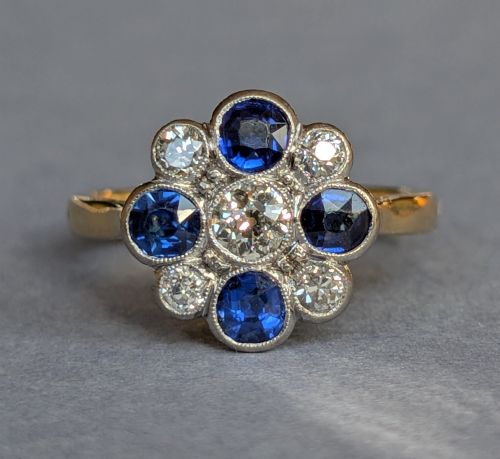
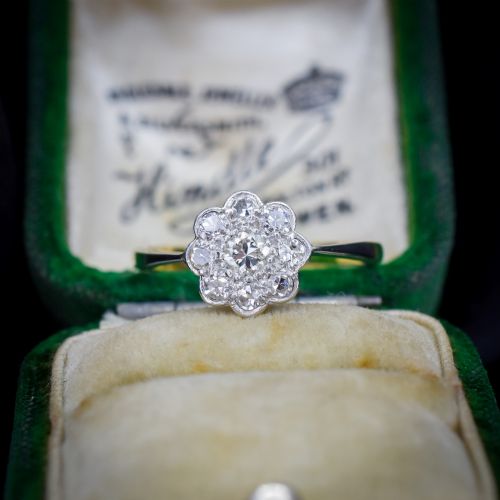
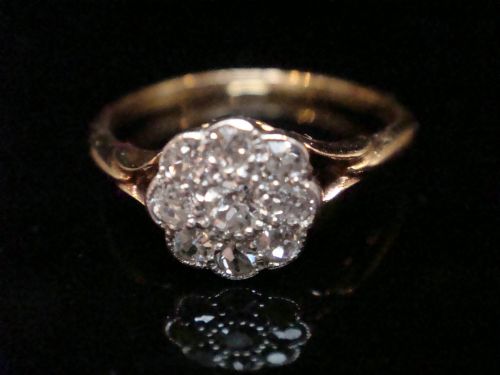
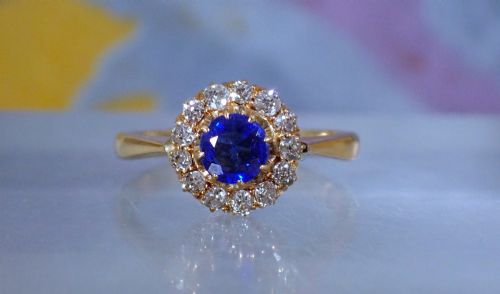
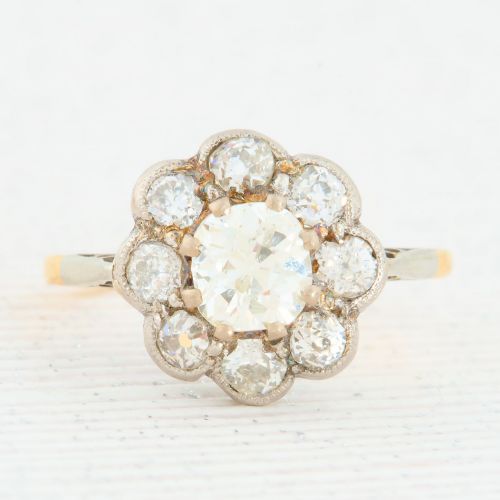
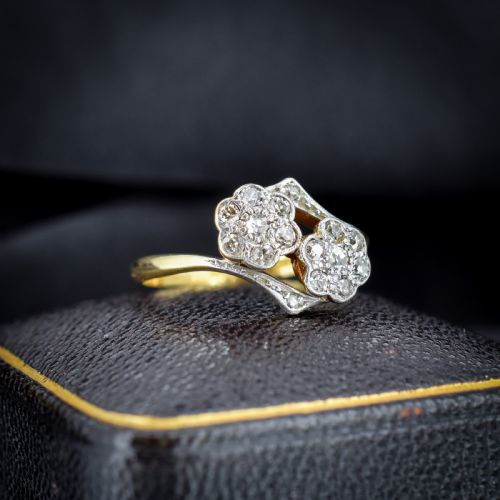
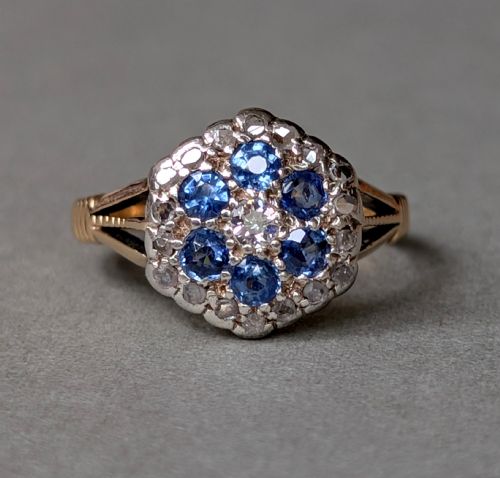
The antique daisy cluster ring presents a central gem, often a diamond or sapphire, encircled by a concentric border of smaller stones that mimic the petals of a flower. These floral forms span Victorian, Edwardian, and Art Deco periods, each epoch bringing distinct aesthetic traits to the traditional cluster silhouette.
The most common examples on this page unite 18ct gold bands with platinum settings to showcase old cut diamonds or sapphires. Variations extend to double-twist bands and pearl accents, maintaining the signature floral motif across diverse historical periods.
Materials and construction
Makers utilised 18ct yellow gold, 18ct white gold, and platinum to fabricate the structural mounts and intricate baskets supporting the cluster stones. Platinum gained favour during the Edwardian and Art Deco eras for its strength, allowing fine millegrain edges and delicate wirework without bulk.
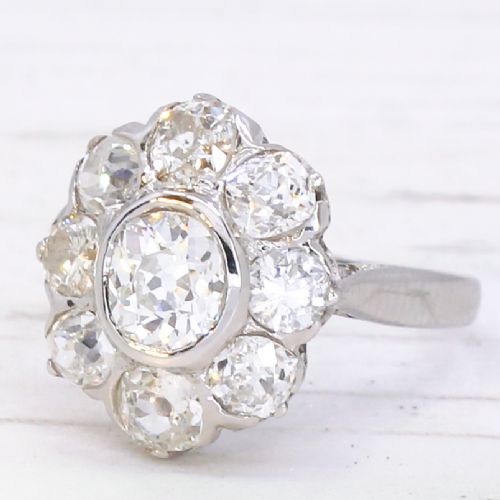
Gems were shaped by hand, yielding old mine cut and old European cut diamonds alongside sapphires, pearls, and champagne diamonds. These stones were secured individually within claw or bezel settings, arranged symmetrically to create the characteristic floral face.
Antique Daisy Cluster Ring Retail Price Guide 2026
Typical asking prices for daisy cluster ring among the pieces listed under this phrase on Sellingantiques today, from the lower quarter to the upper quarter. They describe what is for sale here now, not the wider market.
Materials across the inventory span 18ct gold, platinum, diamonds, sapphires, and pearls.
Distinctions in quality
Quality rests in the proportional harmony of the cluster and the precision of the stone setting. Superior examples display tightly matched gem sizes, minimal gaps between the central stone and its petal-like border, and expert hand-cutting that maximises light return in old cut diamonds.
The integration of materials also defines the tier of a piece, seen in the seamless marriage of 18ct gold Shanks with platinum top mounts. Artisanal finesse appears in the crispness of hand-formed claw work and the delicate execution of decorative shoulders.
The Antique Daisy Cluster Ring Glossary
- Cluster ring
- A ring featuring a central stone surrounded by a group of smaller gemstones arranged symmetrically. This layout maximises visual impact and perceived gemstone size.
- Old mine cut
- An early form of diamond cut characterised by a cushion shape, high crown, and large open culet. These stones were shaped by hand under candlelight.
- Old European cut
- A round diamond cut popular in the late nineteenth and early twentieth centuries, featuring a small table, high crown, and distinct pavilion facets. It serves as the precursor to the modern round brilliant.
- Millegrain
- A decorative technique involving a row of tiny, raised metal beads along the edges of a setting. This adds a soft, textured border typical of Edwardian and Art Deco jewellery.
- Platinum
- A dense, durable, and naturally white metal utilised extensively in antique jewellery settings. Its strength enabled artisans to create exceptionally fine wirework and secure claw mounts.
Antique Daisy Cluster Ring: Frequently Asked Questions
What periods do these rings come from?
The pieces span the Victorian, Edwardian, and Art Deco eras, encompassing the late nineteenth century through the 1920s and 1930s. Design motifs evolved from warm yellow gold Victorian settings to platinum-focused Edwardian lacework and geometric Art Deco patterns.
Each period imparts distinct stylistic cues, allowing collectors to trace the trajectory of twentieth-century jewellery design through the evolution of the floral cluster.
How were these rings worn originally?
Many of these floral designs served as engagement rings, symbolising devotion through the enduring metaphor of a blossom. Others functioned as fashionable dress rings worn daily by affluent society.
Their low-profile clusters made them practical for continuous wear, which accounts for the survival of numerous examples across different decades.
What gemstone combinations are typical?
Diamonds form the core of most examples, frequently paired with yellow gold or platinum mounts. Sapphires also appear as central stones framed by diamond petals, alongside occasional pearls.
This palette reflects the favoured precious materials of the Edwardian and Art Deco periods, prioritising high-contrast brilliance.