



Antique Cylinder Cabinet
An antique cylinder cabinet offers a smooth rolling shutter to conceal correspondence and keepsakes with subtle mechanical elegance.
Antique Cylinder Cabinet
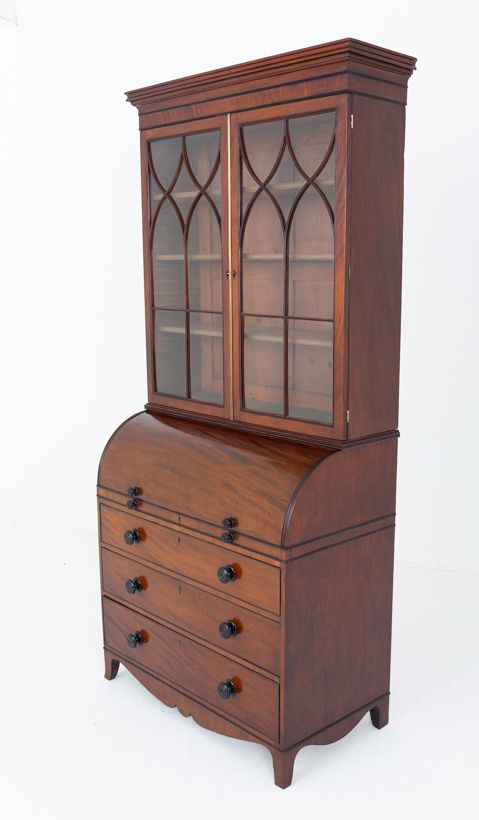
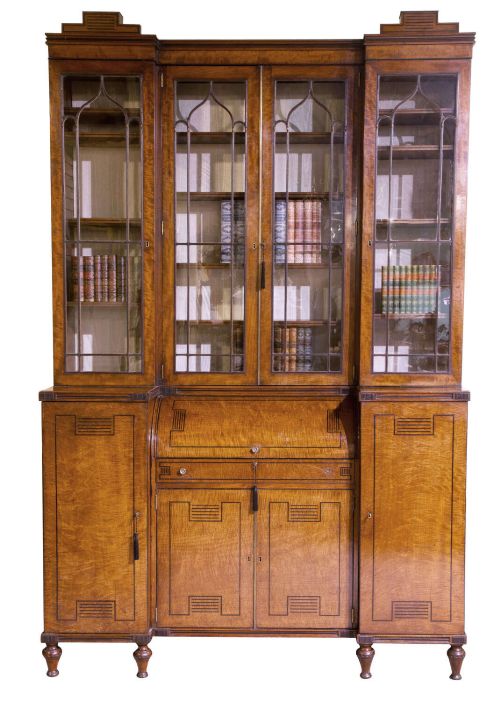
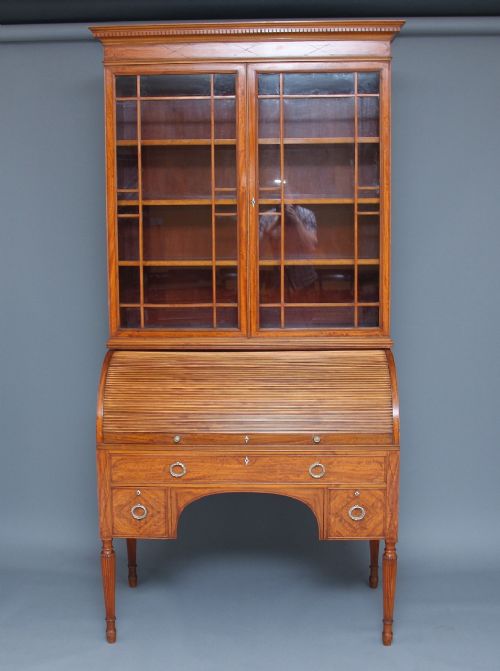
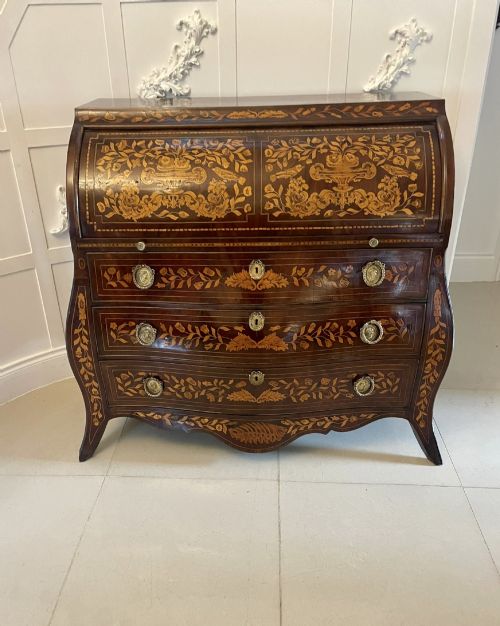
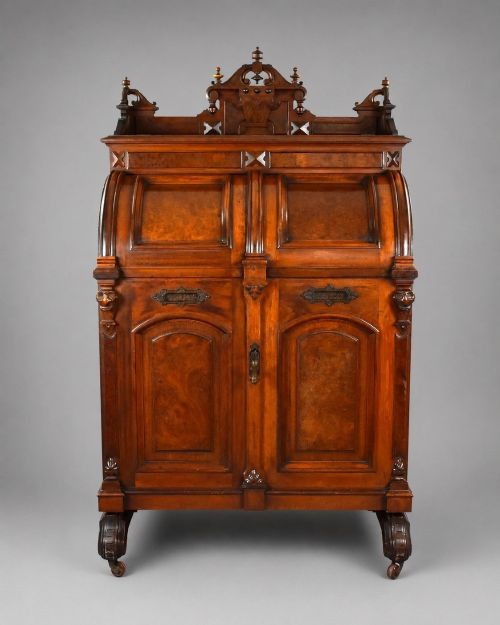
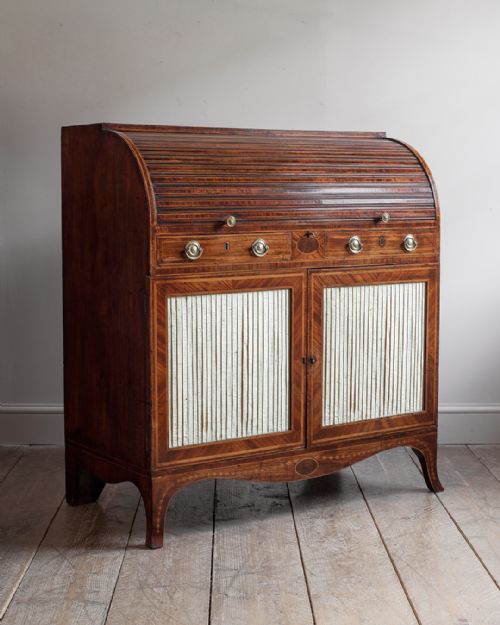
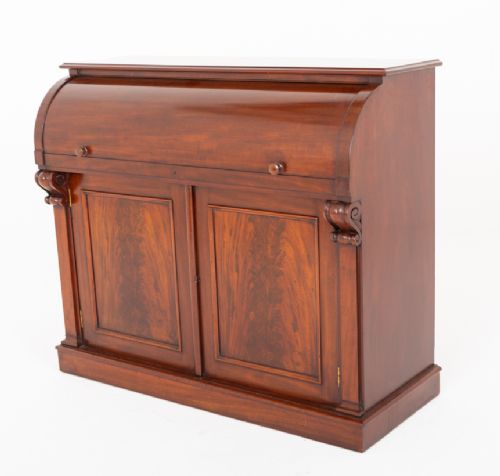
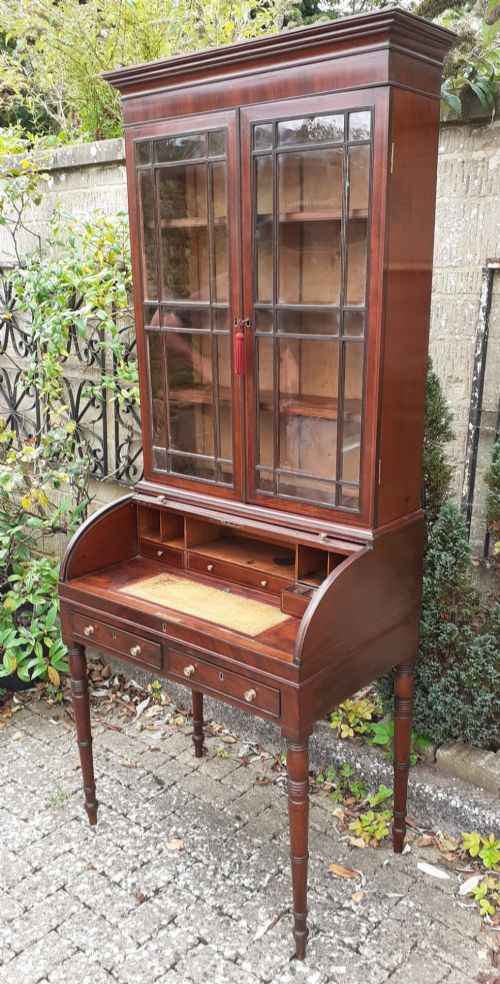
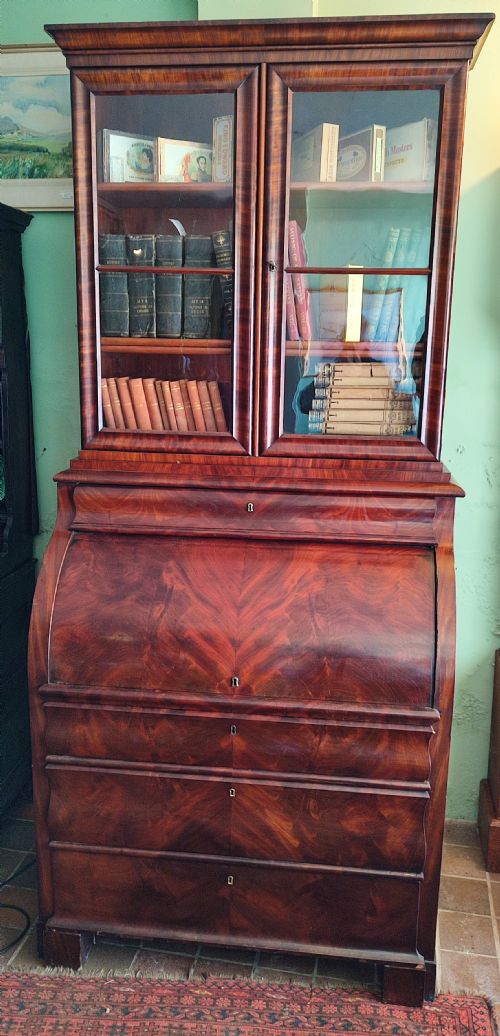
When you search for an antique cylinder cabinet, you encounter versatile writing desks, tall bookcase combinations, and compact bedside units from the eighteenth and nineteenth centuries. The defining characteristic is the curved rolling shutter that opens to reveal fitted interiors, pigeonholes, and small drawers.
Mahogany and satinwood predominate on this page, often enriched by marquetry, floral inlay, or contrasting ebony details. Makers adapted the cylindrical form across various styles, ranging from Georgian and Regency to Victorian and Edwardian iterations.
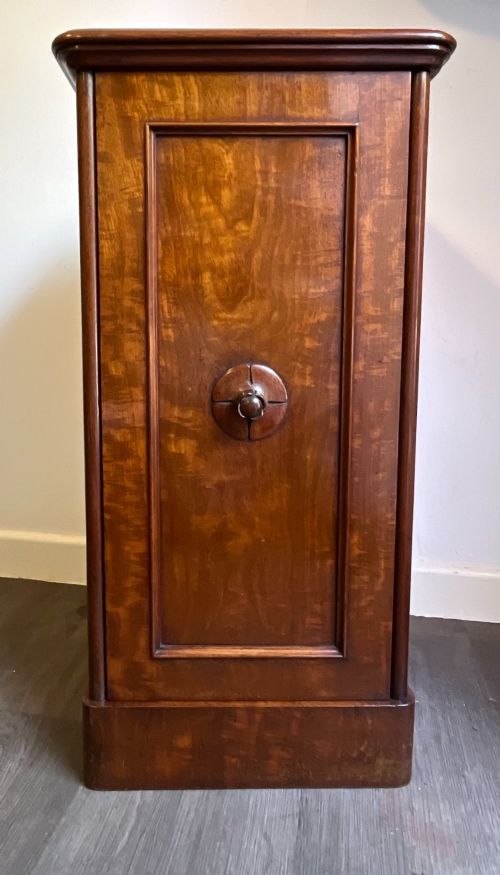
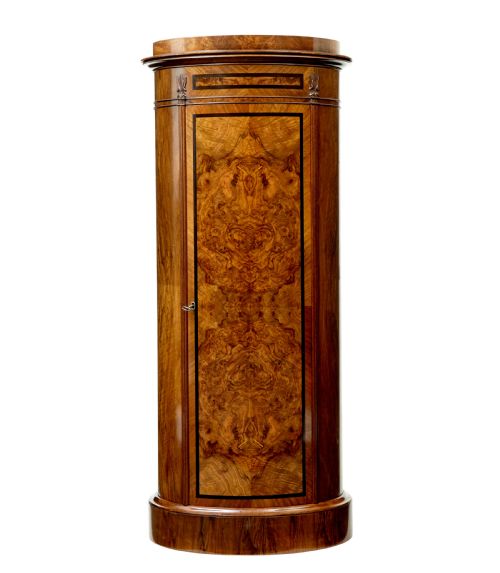
Bedside cupboards and lamp stands also adopt the cylindrical profile alongside large bureau bookcases. Buyers find both monumental library pieces and miniature display desks within these listings.
Assessing craftsmanship and execution
The smoothness of the cylinder mechanism dictates the mechanical success of the piece, requiring precise alignment of the tracks and slats. Superior examples display tightly fitted tambour actions that glide without binding or dipping.
Surface decoration separates standard utility items from exhibition grade works, particularly where elaborate marquetry, finely cast brass mounts, and premium burr veneers are employed. The intricacy of the interior cabinetwork and the selection of secondary timbers further distinguish finer workshops.
Antique Cylinder Cabinet Retail Price Guide 2026
Typical asking prices for cylinder cabinet among the pieces listed under this phrase on Sellingantiques today, from the lower quarter to the upper quarter. They describe what is for sale here now, not the wider market.
Listings feature eighteenth and nineteenth century periods, spanning Georgian, Regency, Victorian, and Edwardian styles in mahogany, satinwood, walnut, and rosewood.
Edwards & Roberts·Tudor & Burrey·John Mclean·Wells Fargo
The Antique Cylinder Cabinet Glossary
- Cylinder
- A curved wooden shutter that rolls back into the body of a desk or cabinet to conceal the writing surface and interior fittings. This mechanism protects correspondence while offering a compact profile.
- Tambour
- A flexible shutter formed from narrow vertical strips of wood glued to a canvas or leather backing. It slides along a grooved track around a curved enclosure.
- Marquetry
- Decorative veneer work arranged in pictorial or geometric patterns using various coloured woods. It ornaments the exterior panels of many eighteenth and nineteenth century pieces.
- Secretaire
- A piece of furniture containing a writing drawer or drop-front desk compartment. These often integrate into large bookcases or cabinets.
- Biedermeier
- A central European style from the nineteenth century prioritising clean lines, utilitarian comfort, and minimal ornamentation over heavy historicism.
Antique Cylinder Cabinet: Frequently Asked Questions
How do cylinder desks work?
A curved wooden shell slides along recessed tracks in the side panels, rolling backward into the desk body to reveal the interior desk surface.
Pulling the edge forward closes the cylinder, which often links to an automatic locking mechanism for the writing drawer below.
Where were these cabinets used?
Owners placed them in libraries, studies, and drawing rooms as private writing stations for managing correspondence and personal ledgers.
Smaller cylindrical bedside cabinets served bedrooms as enclosed storage for night-time essentials and chamber items.
How do I care for the wood?
Keep wooden furniture away from direct heat sources and strong sunlight to prevent the timber veneers from drying out and cracking.
Apply traditional wax polish occasionally to nourish the polished surfaces and maintain the natural lustre of the mahogany or walnut grain.
Are cylinder desks hard to repair?
Mechanical repairs require specialist knowledge of sliding tracks and tambour backings, as warped slats can cause the rolling action to jam.
Cabinetmakers experienced in antique restoration can realign internal tracks and stabilize brittle backing fabrics without altering the original timber.