
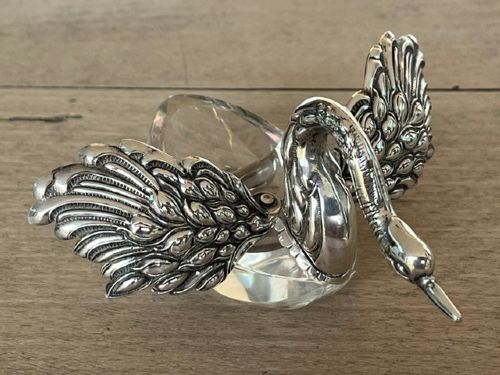
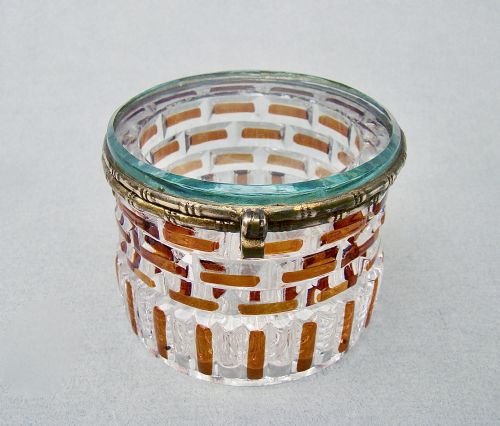
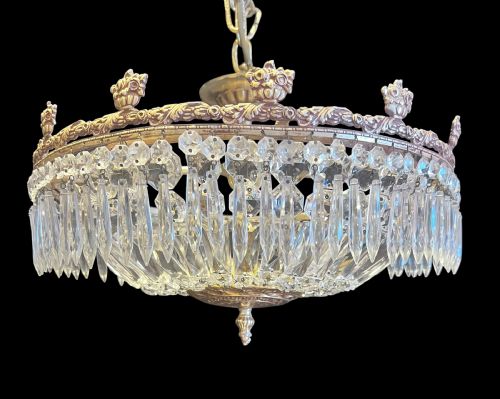
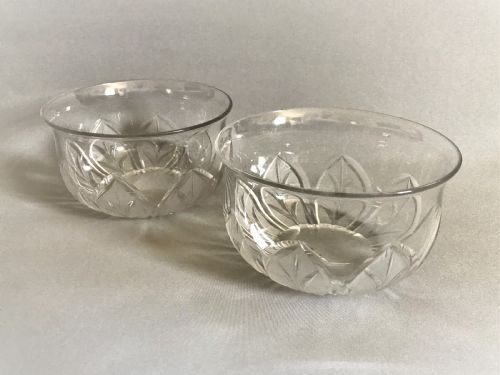
Antique Cut Glass Dish
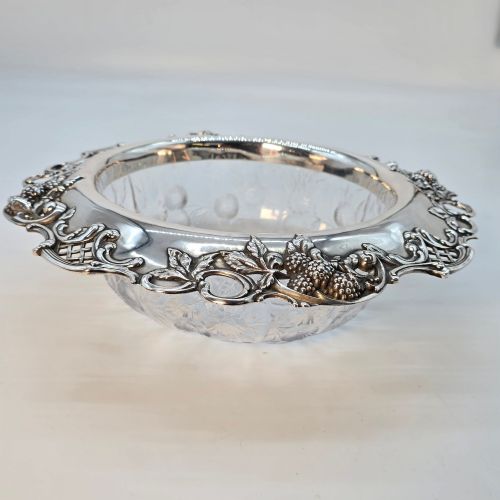
An antique cut glass dish brings weight and bright refraction to a table, combining heavy lead crystal with the gleam of silver or bronze.
Antique Cut Glass Dish
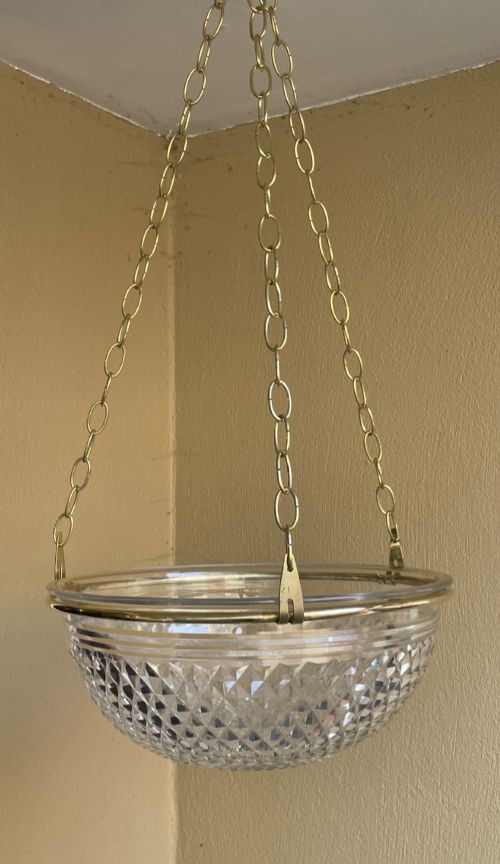
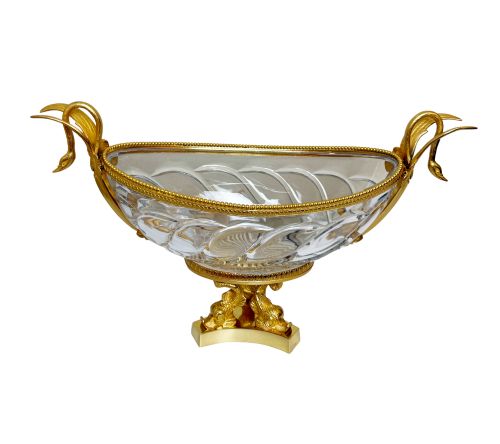
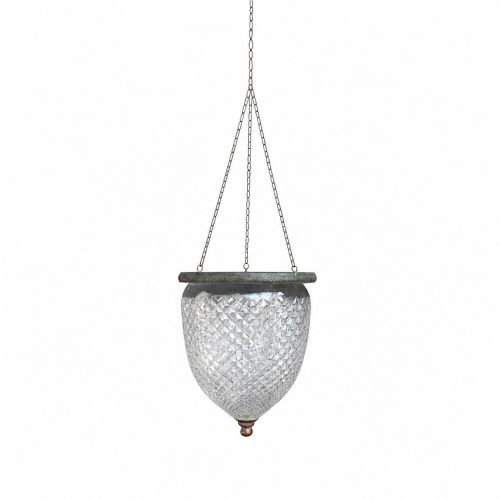
When you search for an antique cut glass dish, you encounter an array of functional serving vessels, decorative bowls, and lidded containers spanning the Georgian, Victorian, Edwardian, and Art Deco periods. These pieces range from simple finger bowls and butter dishes to grand table centrepieces and ceiling lights incorporating glass vessels.
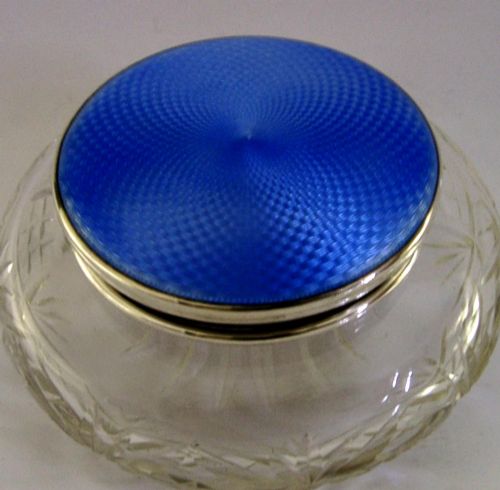
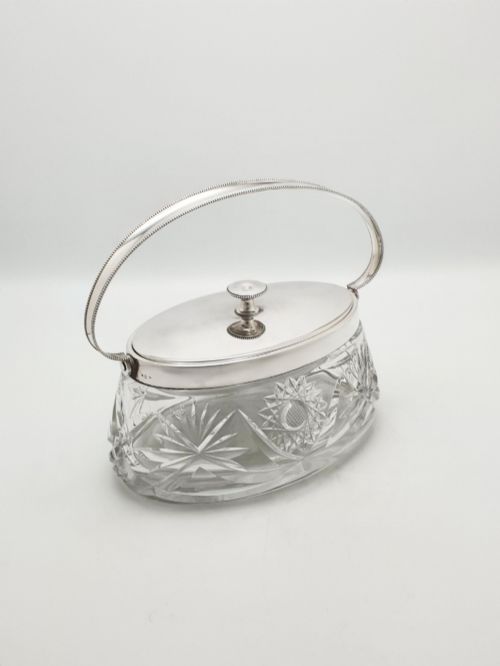
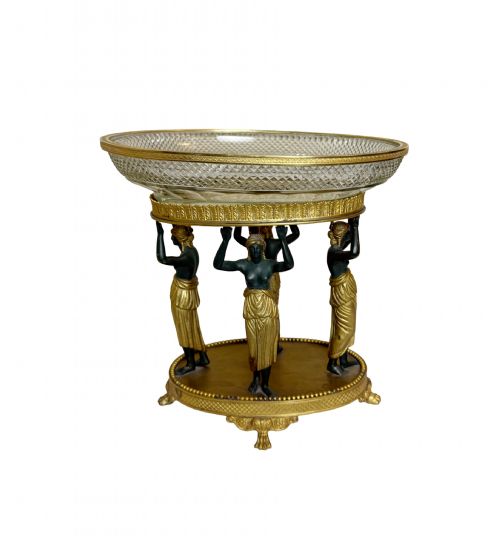
The selection includes English, French, and Bohemian pieces, often combining cut or frosted glass with mounts of sterling silver, silver plate, brass, or gilt bronze. Many items serve specific historical dining customs, such as butter dishes, salt cellars, and sweetmeat dishes, while others function purely as decorative centrepieces.
Materials and Technique
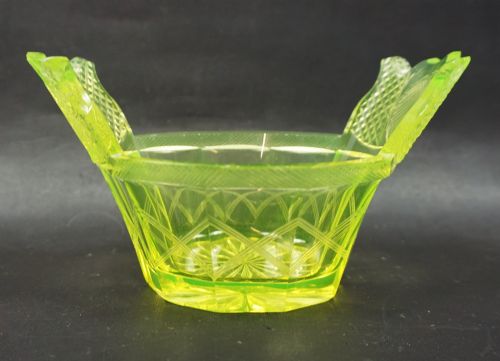
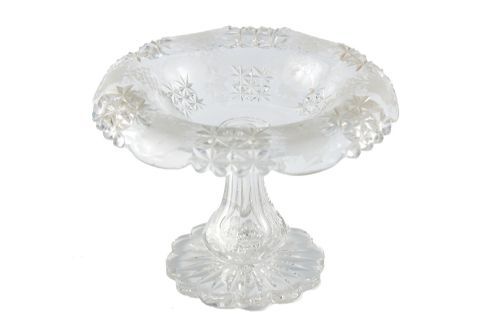
The foundation of these pieces is heavy glass, crystal, or lead crystal, shaped by blowing or moulding before craftsmen applied wheel-cut geometric or floral motifs to the surface. This cutting creates sharp facets that catch and scatter light.
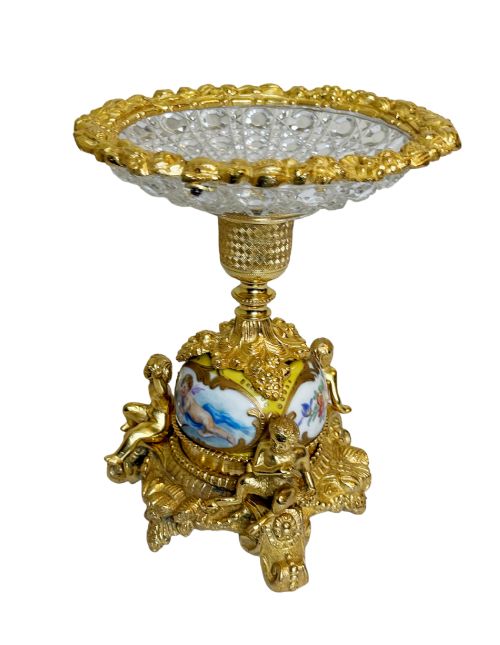
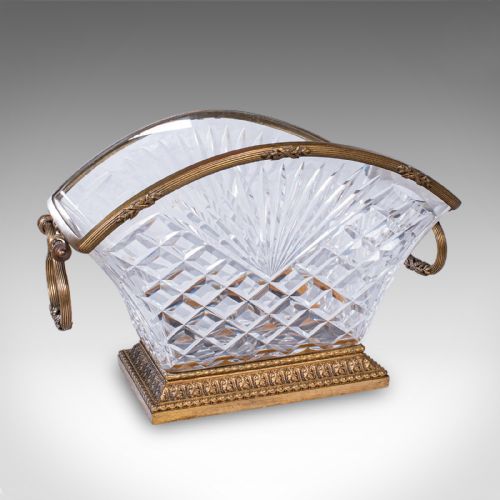
Metal mounts in sterling silver, silver plate, or gilt bronze were frequently added to rims, handles, and bases, sometimes secured with cast ornaments such as cherubs or floral details. Enamel and paste gilt decoration occasionally appear on French and Art Deco examples.
Materials range from simple pressed glass and lead crystal to combinations with sterling silver, brass, or gilt bronze.
Standards of Execution
Quality in an antique cut glass dish depends on the crispness and depth of the wheel-cut facets, where deeper, hand-polished cuts produce sharper refraction than shallow moulding. The clarity and weight of the underlying crystal or glass also dictate the tactile presence of the object.
In mounted examples, the integration between the glass vessel and its metal fittings reveals the maker's skill. Cast mounts with chased details, sturdy hinges on lidded boxes, and well-fitted silver or bronze rims distinguish higher tier productions from standard commercial wares.
Tiffany and Co·Baccarat·Val St Lambert·Elkington·Martin Hall·Walker and Hall·WMF
The Antique Cut Glass Dish Glossary
- Plafonnier
- A ceiling-mounted bowl light fixture, often constructed from cut glass or crystal held in a metal frame.
- Sweetmeat dish
- A small handled or footed bowl traditionally used for serving small confections, nuts, or preserves.
- Finger bowl
- A small glass bowl placed at the table for guests to rinse their fingertips between courses.
- Ormolu
- Gilt bronze mounts used extensively on French decorative arts and centrepieces during the nineteenth century.
- Lead crystal
- Glass containing lead oxide, which increases the weight, refractive index, and clarity of the material.
Antique Cut Glass Dish: Frequently Asked Questions
How do I date an antique cut glass dish?
Dating relies on a combination of cutting styles, metal mounts, and hallmarks where silver is present. Georgian and early nineteenth century pieces often feature heavier hand-cut facets and pontil marks on the base, while Edwardian and Art Deco items show cleaner geometric lines and machine-stamped silver mounts.
Makers' marks stamped onto silver-plated or sterling mounts provide firm chronological anchors. Stylistic cues, such as Art Nouveau curves or Art Deco symmetry, further narrow the decade of manufacture.
What were glass butter dishes used for?
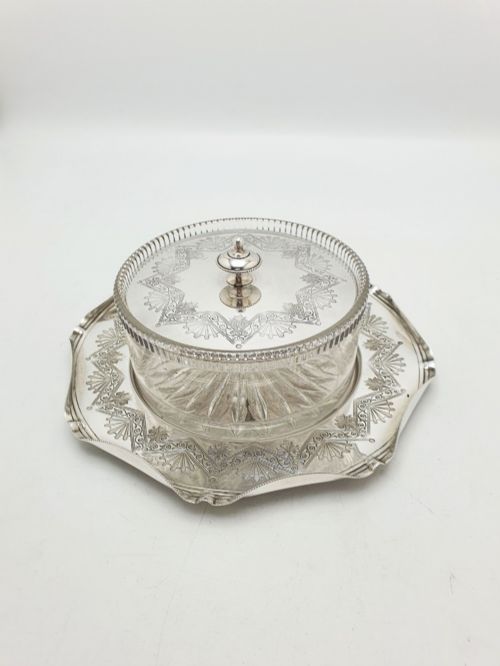
These lidded vessels kept butter cool and protected it from airborne debris on formal dining tables during the Victorian and Edwardian eras. The thick glass liner held the dairy block while the matching dome or lid trapped cold air.
Many examples included silver-plated or sterling silver stands, often accompanied by a small knife or matching tray. They formed part of elaborate tablescape services for breakfast and afternoon dining.
How should I clean my cut glass dish?
Wash glass components by hand using lukewarm water and mild washing-up liquid with a soft cloth. Avoid abrasive sponges that can scratch the crystal surface or dull the hand-cut facets.
Keep silver or gilt bronze mounts dry, using a specialised cloth for metal care rather than liquid dips that might seep into joints or damage the glass. Remove fitted silver rims before washing if the construction allows safe detachment.
Are lead crystal and standard glass different?
Lead crystal contains a percentage of lead oxide that increases the density, softness, and refractive index of the material compared to standard soda-lime glass. This composition allows for deeper, sharper facet cutting without fracturing the material.
Crystal rings longer when struck and feels noticeably heavier in the hand than ordinary glass of identical dimensions.