

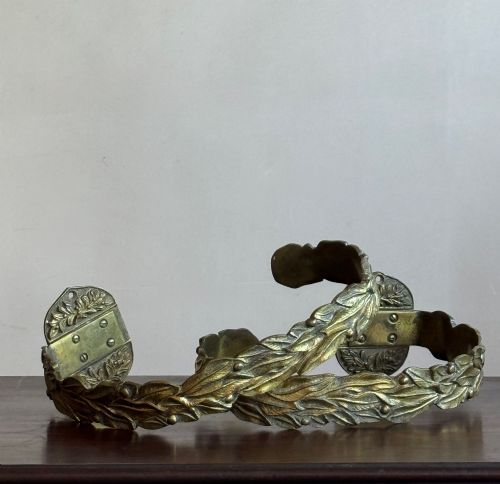


Antique Curtain Hardware
Antique curtain hardware holds the heavy drapes of a formal room, bringing cast metal and carved wood together with genuine period weight.
Antique Curtain Hardware
When you search for antique curtain hardware, you find functional domestic metalwork and woodwork designed to dress windows in style. These fittings include heavy tiebacks, decorative pelmets, and sturdy curtain poles from past centuries.
Originating largely from the nineteenth and eighteenth centuries, these items represent the decorative tastes of Victorian and Georgian homes. They turn standard window treatments into architectural statements through shaped brass and cast ormolu.
What varies in quality
Quality rests on the crispness of the casting and the depth of the hand chasing. Finer examples show sharp relief work where every scroll and leaf remains distinct, while simpler pieces lose definition in softer metal.
The choice of material dictates the underlying grade of the object, with genuine ormolu and heavy gilt brass sitting above basic gilt metal. Complete matched sets also command greater interest than isolated single fittings.
Antique Curtain Hardware Retail Price Guide 2026
Typical asking prices for curtain hardware among the pieces listed under this phrase on Sellingantiques today, from the lower quarter to the upper quarter. They describe what is for sale here now, not the wider market.
Henri Picard
The Antique Curtain Hardware Glossary
- Ormolu
- Finely ground high-carat gold applied to a bronze base using a mercury amalgamation technique. This historic process creates a rich, lasting surface lustre.
- Pelmet
- A decorative framework placed above a window to conceal curtain fixtures and upper headings. It matches the room's prevailing architectural style.
- Tieback
- A wall-mounted arm or loop used to hold curtains open and away from the window glass. Pairs are standard for balanced window dressing.
- Gilt brass
- Brass treated with a thin layer of gold or gold-coloured wash to imitate solid precious metal. It offers durability with a bright appearance.
- Chasing
- The manual tooling of metal surfaces with punches and hammers after casting. This step refines the details and cleans up the cast lines.
Antique Curtain Hardware: Frequently Asked Questions
How do I secure antique tiebacks to the wall?
Most tiebacks feature integrated rear screws or mounting plates designed to anchor directly into wooden window frames or wall plugs. You should check the length and thread of the original screw fixings before installation.
Because these pieces carry significant weight, secure fastening into a stud or wall anchor prevents the hardware from pulling loose under the tension of heavy drapes.
Can I use these poles for modern curtains?
Antique curtain poles accommodate traditional pinch-pleat or ring-hung curtains quite well, provided the diameter matches your curtain rings. Measure the span of your window carefully against the available pole length.
Keep in mind that older poles often come in fixed historic lengths rather than adjustable modern formats, so precise placement is essential.
How do I clean gilt brass hardware?
Dust the metal gently with a soft, dry microfibre cloth to remove surface particles without disturbing the underlying finish. Avoid abrasive metal polishes that strip away historic gilding.
Water and chemical solvents can damage fragile enamel or thin gold washes, so gentle dry maintenance preserves the surface best over time.
What is the difference between ormolu and gilt brass?
Ormolu specifically denotes mercury-gilded bronze from the eighteenth and nineteenth centuries, featuring a deep, warm gold tone achieved through historic fire-gilding methods. Gilt brass uses a brass alloy base with varied modern or period gilding applications. Nomenclature in antique listings often groups these terms together based on visual appearance, but the base metal and original gilding method determine the true classification.